
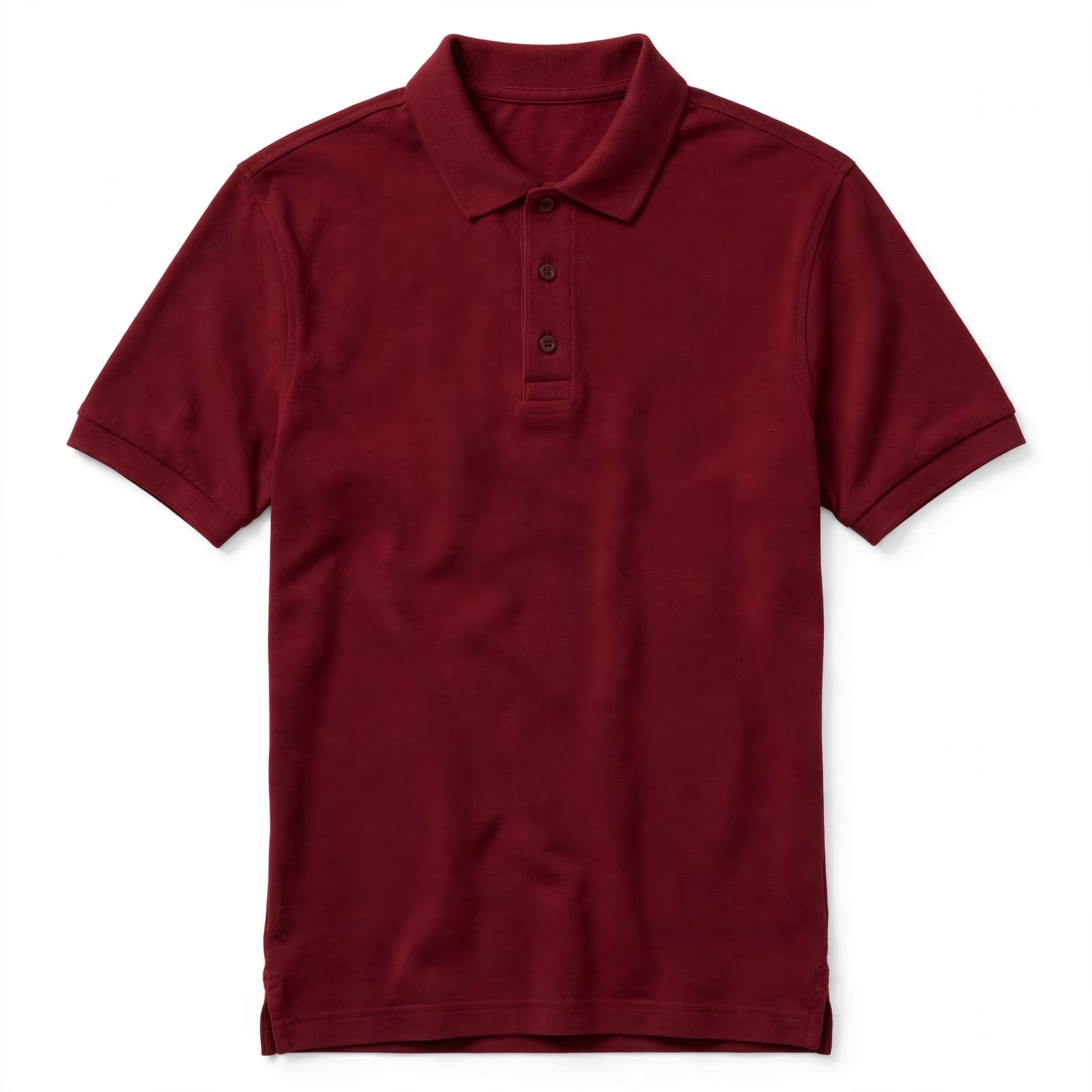
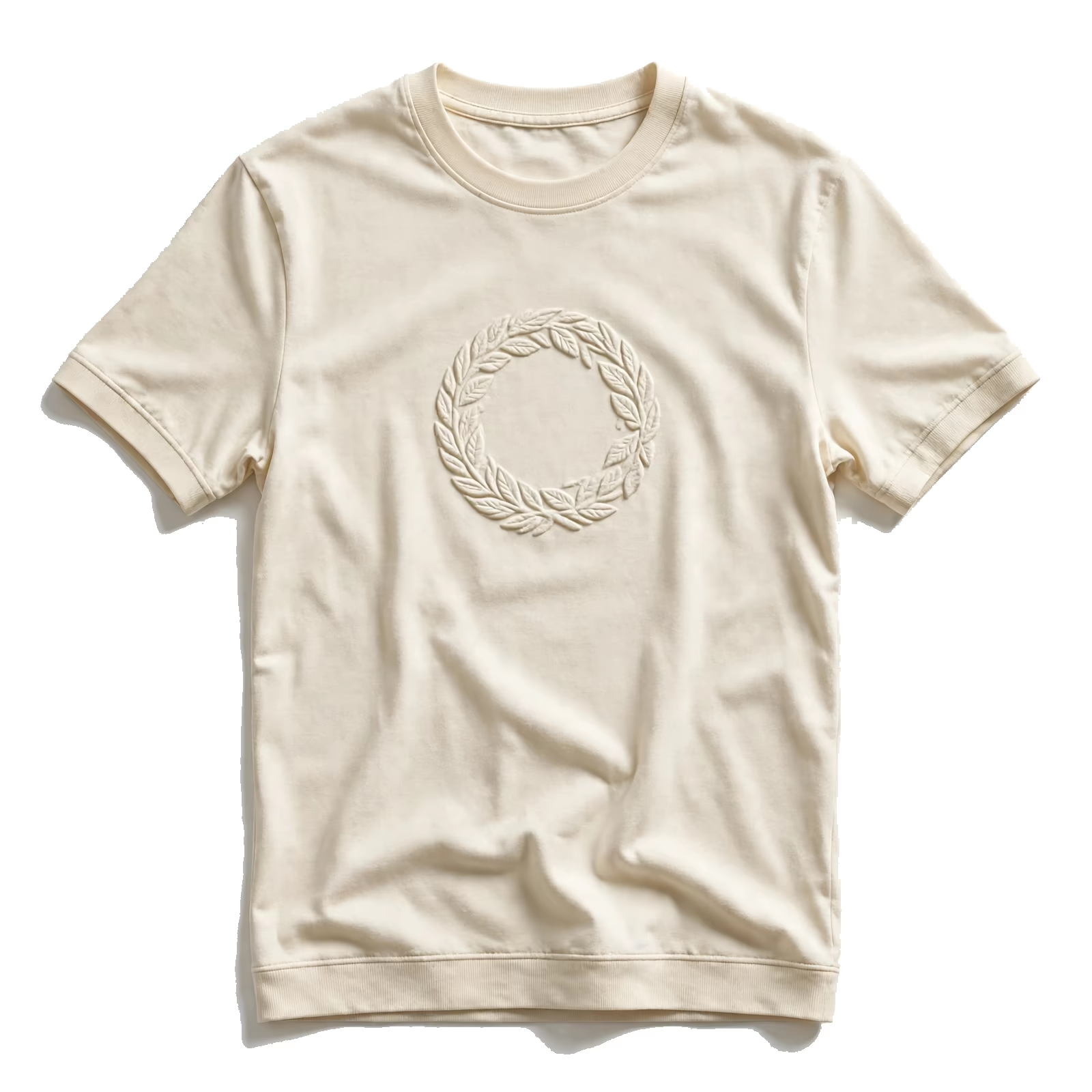
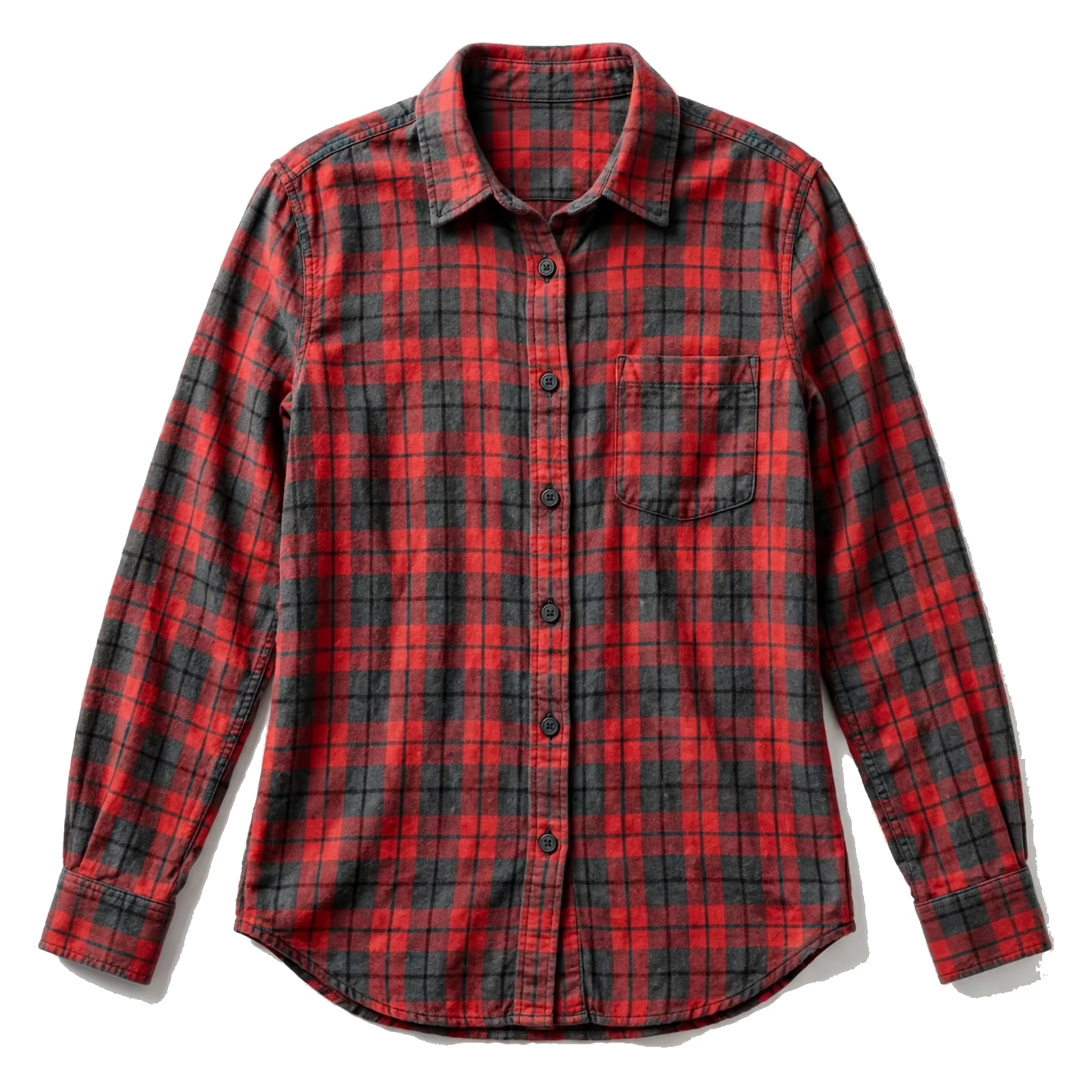
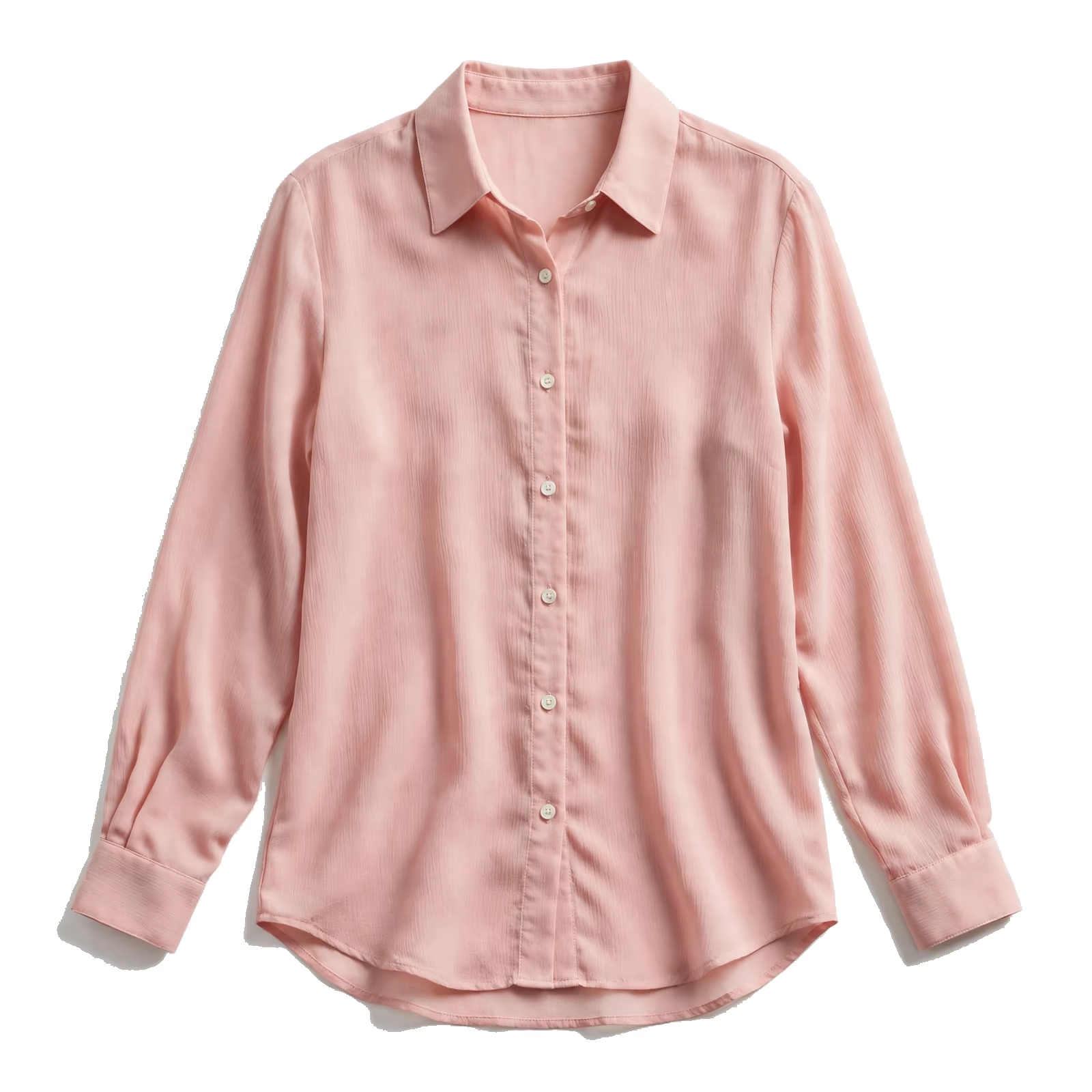
Clothing Sourcing Agent in Bangladesh – Consolidated Programmes for Equatorial Guinea Importers
A smaller market punishes fragmented sourcing. Five small shipments cost more to move than one planned one, and a range that arrives in pieces cannot be sold as a range. This page is built on the opposite method: lines planned together, sampled line by line, finished against one date, and packed as one programme.
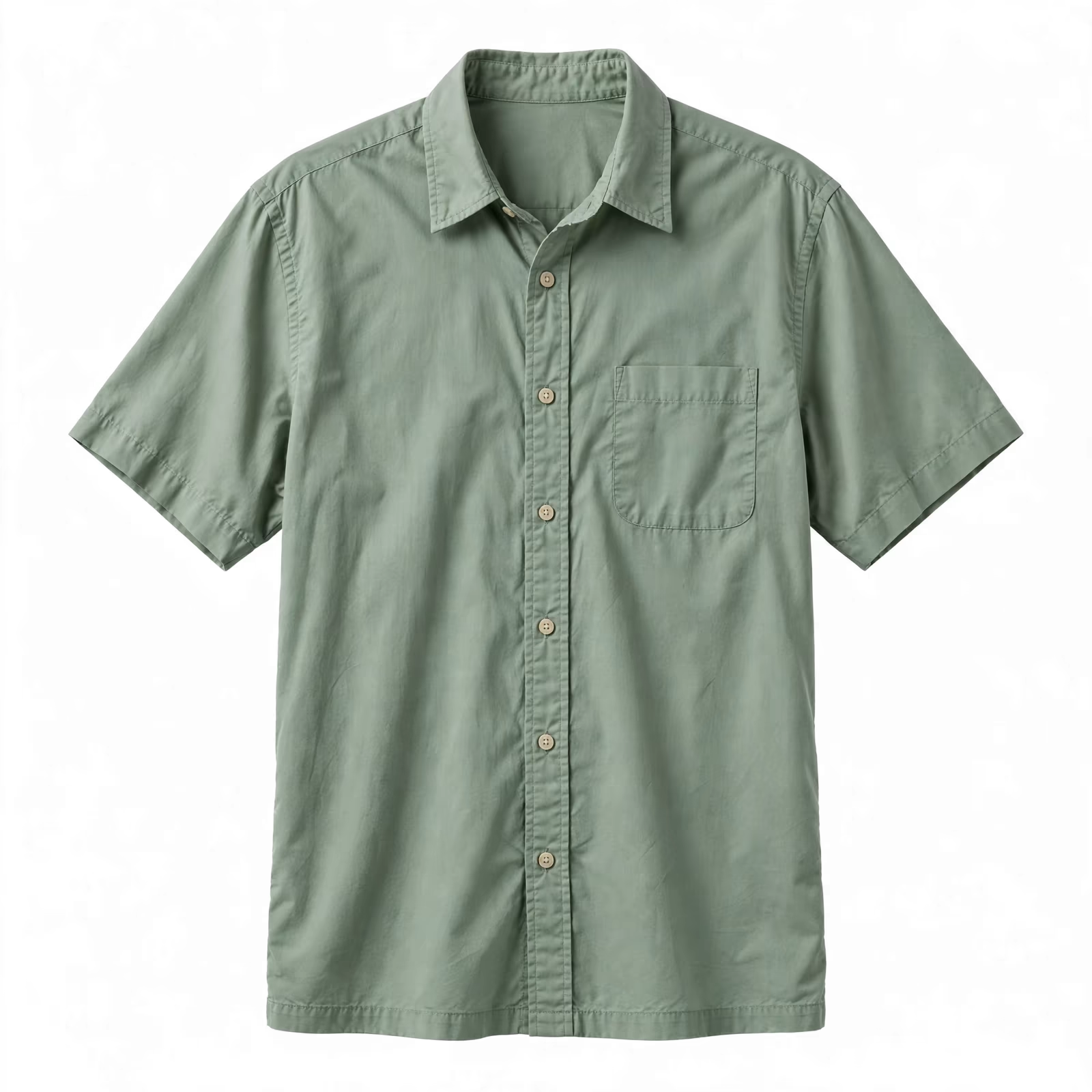
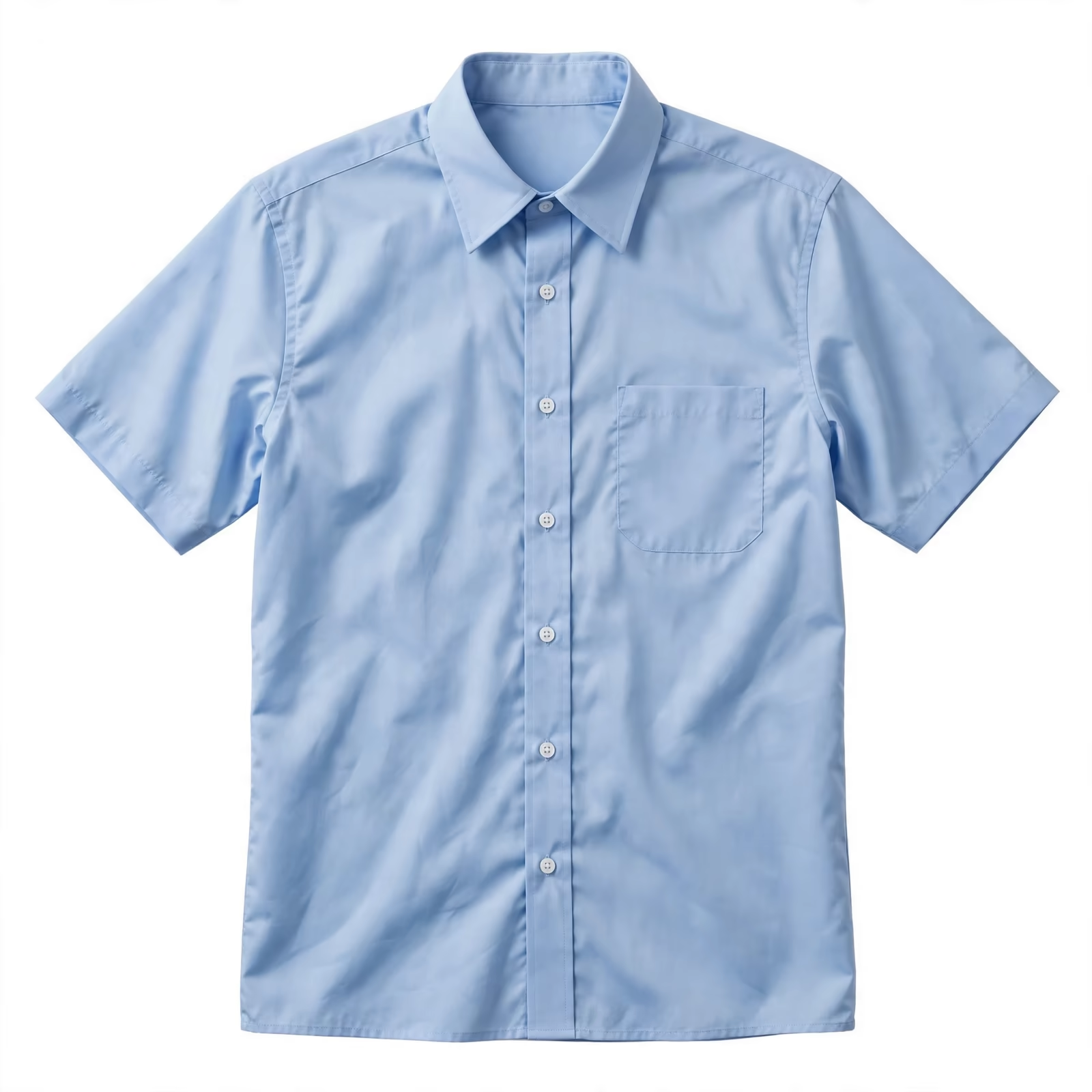
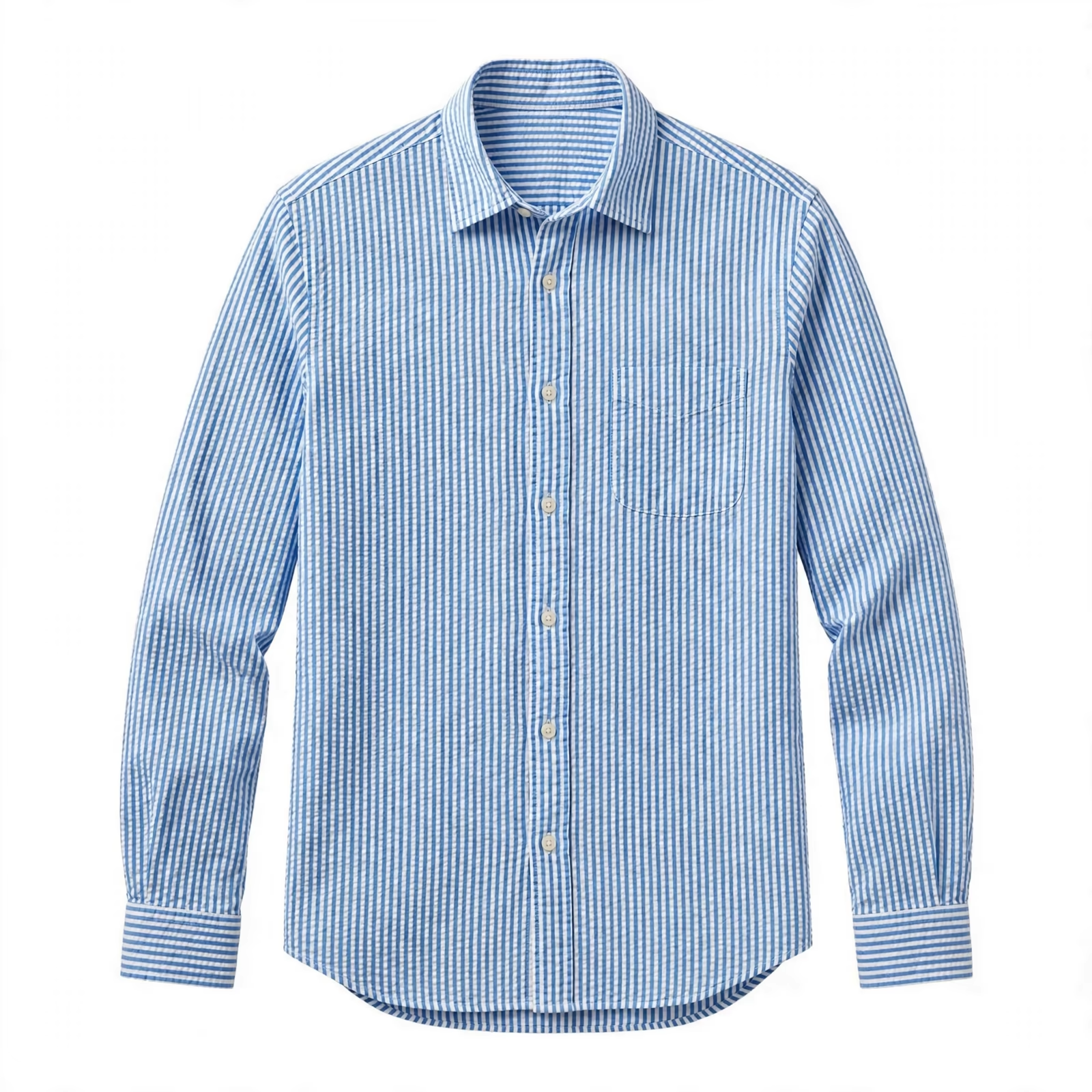
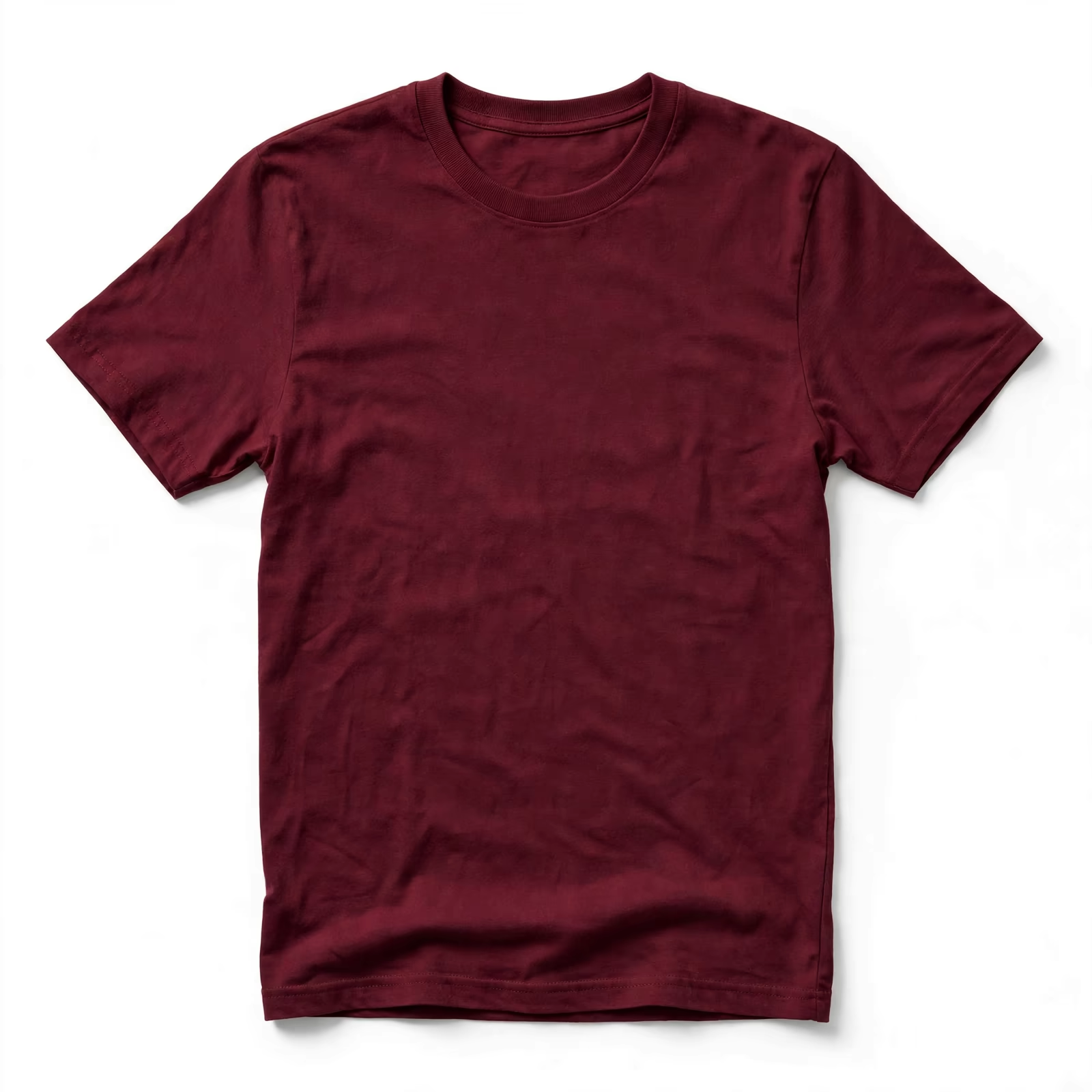
The shirt shown here anchors the woven side: sage green poplin, a button front, a shirt collar, one chest pocket and a straight hemmed bottom, built to the same written standard as the knit lines beside it.
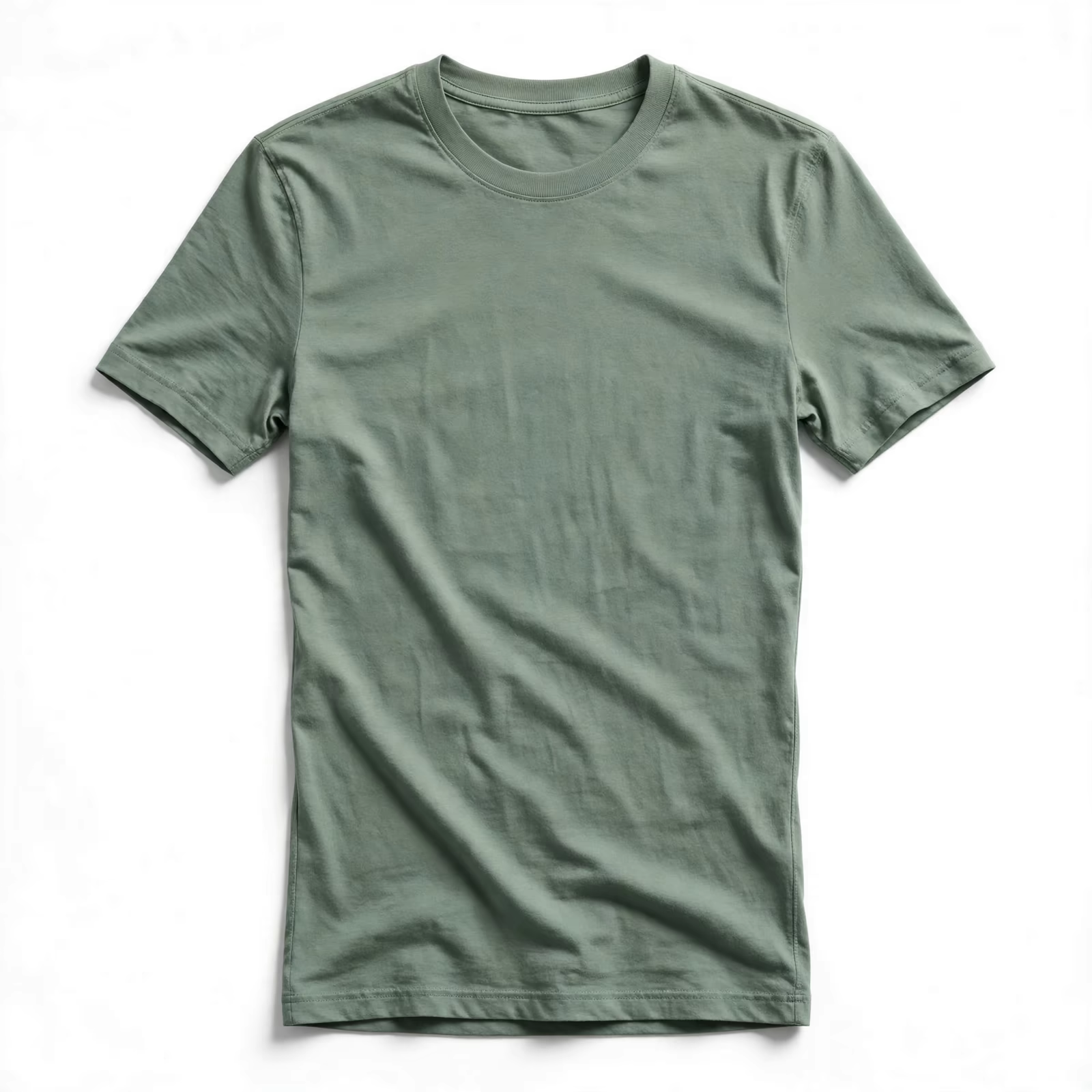
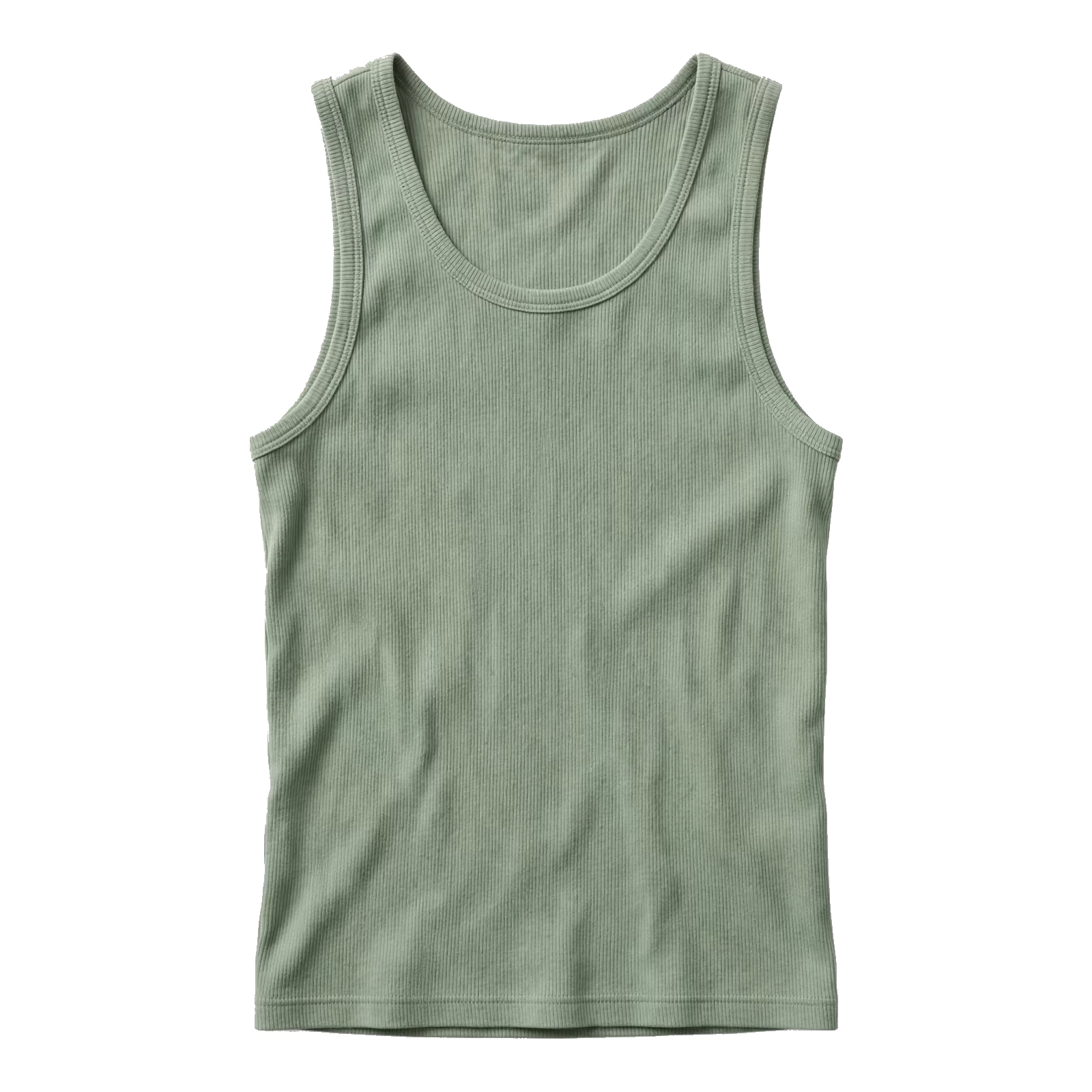
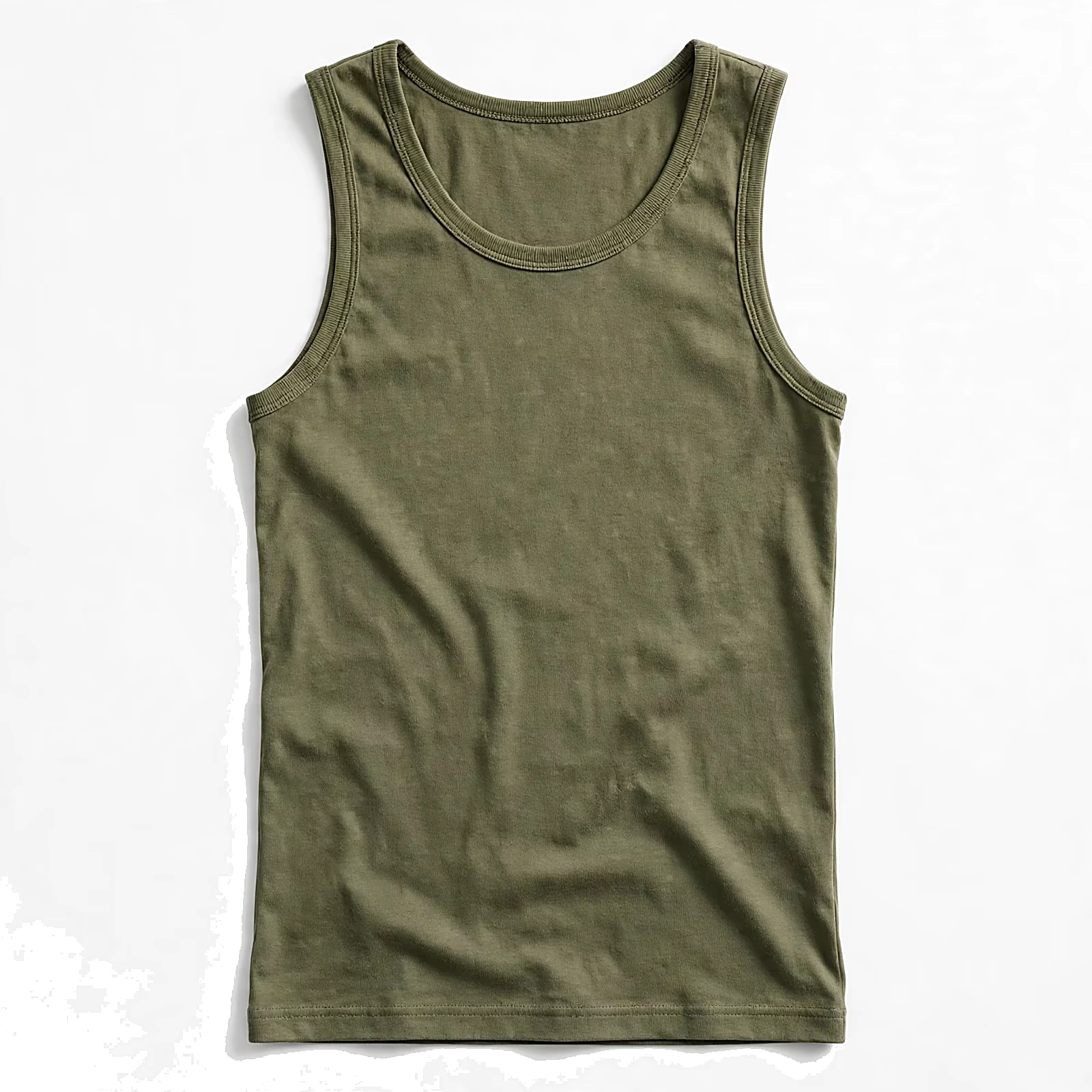
Sage green leads the colour story shown here. Your own palette runs across the categories, each line approved as a finished garment before its bulk starts.
Programme Anchor Lines
- Poplin shirts for the woven side
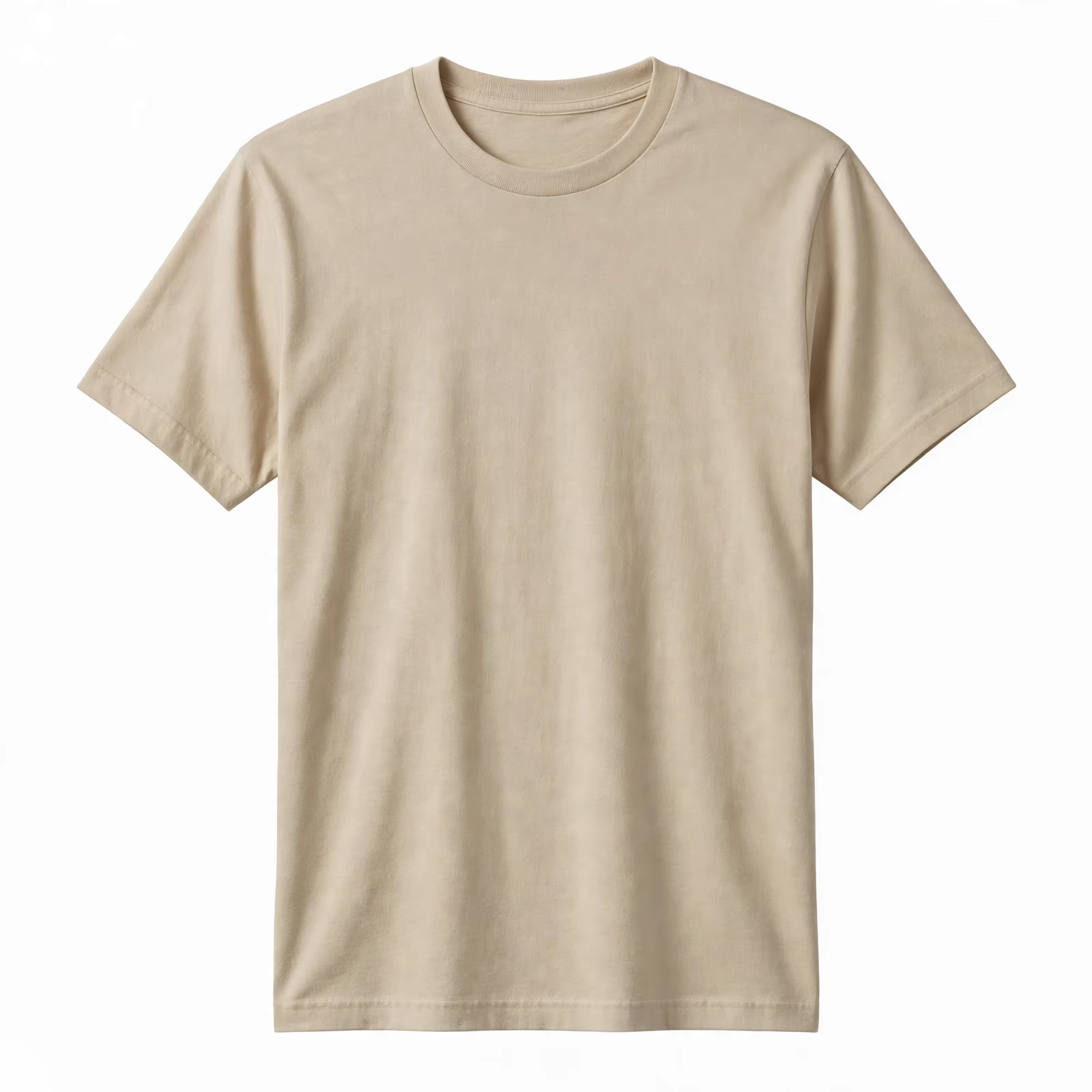
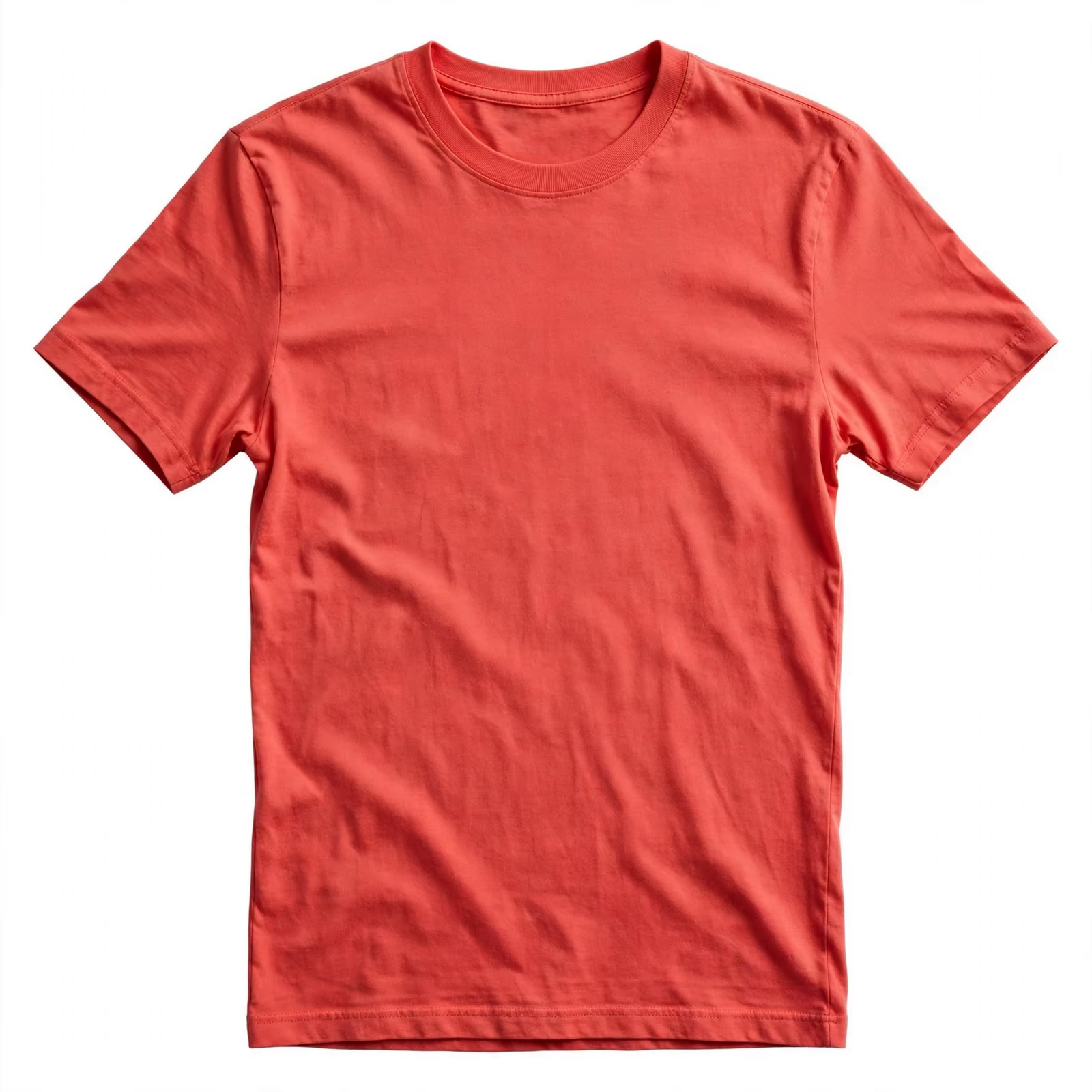
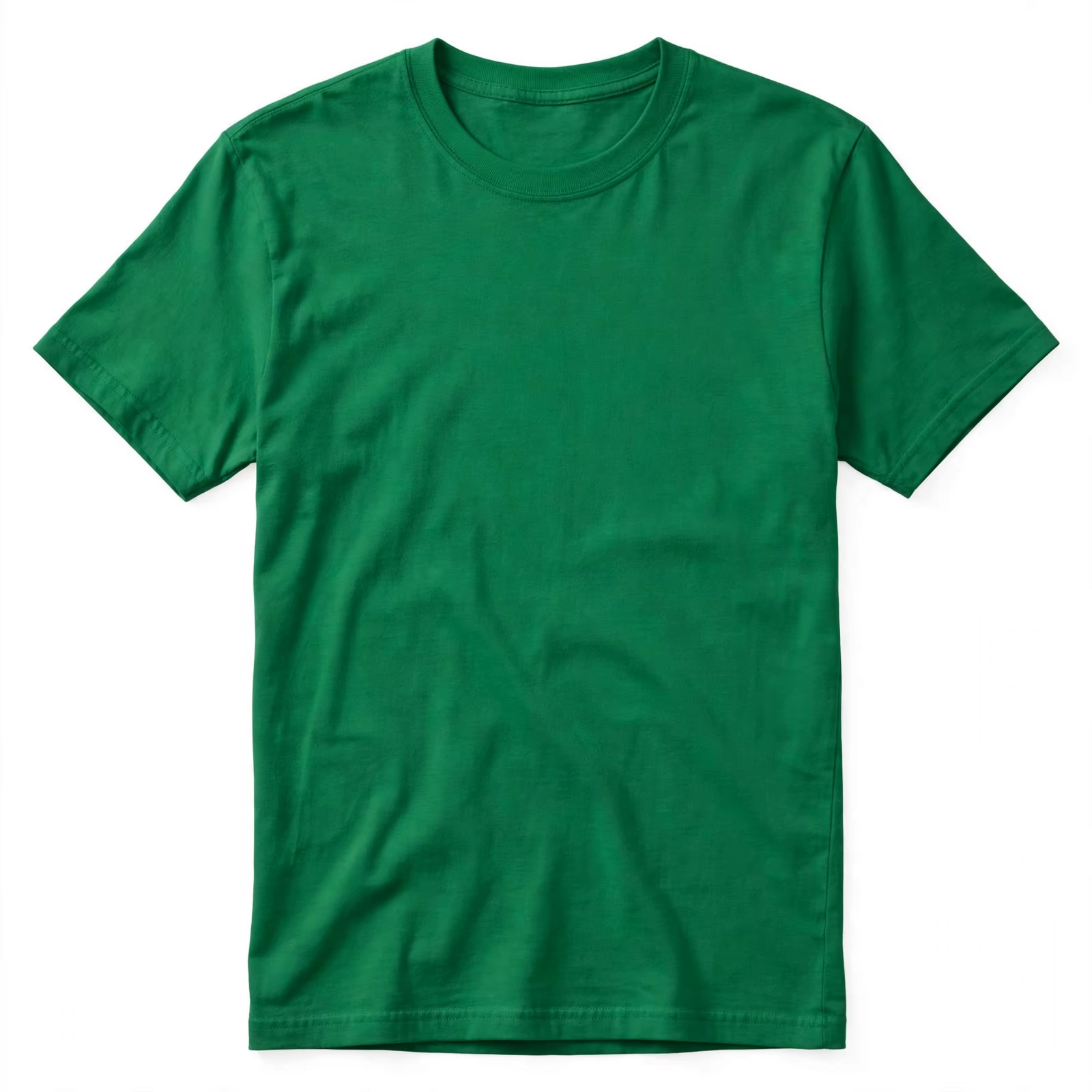
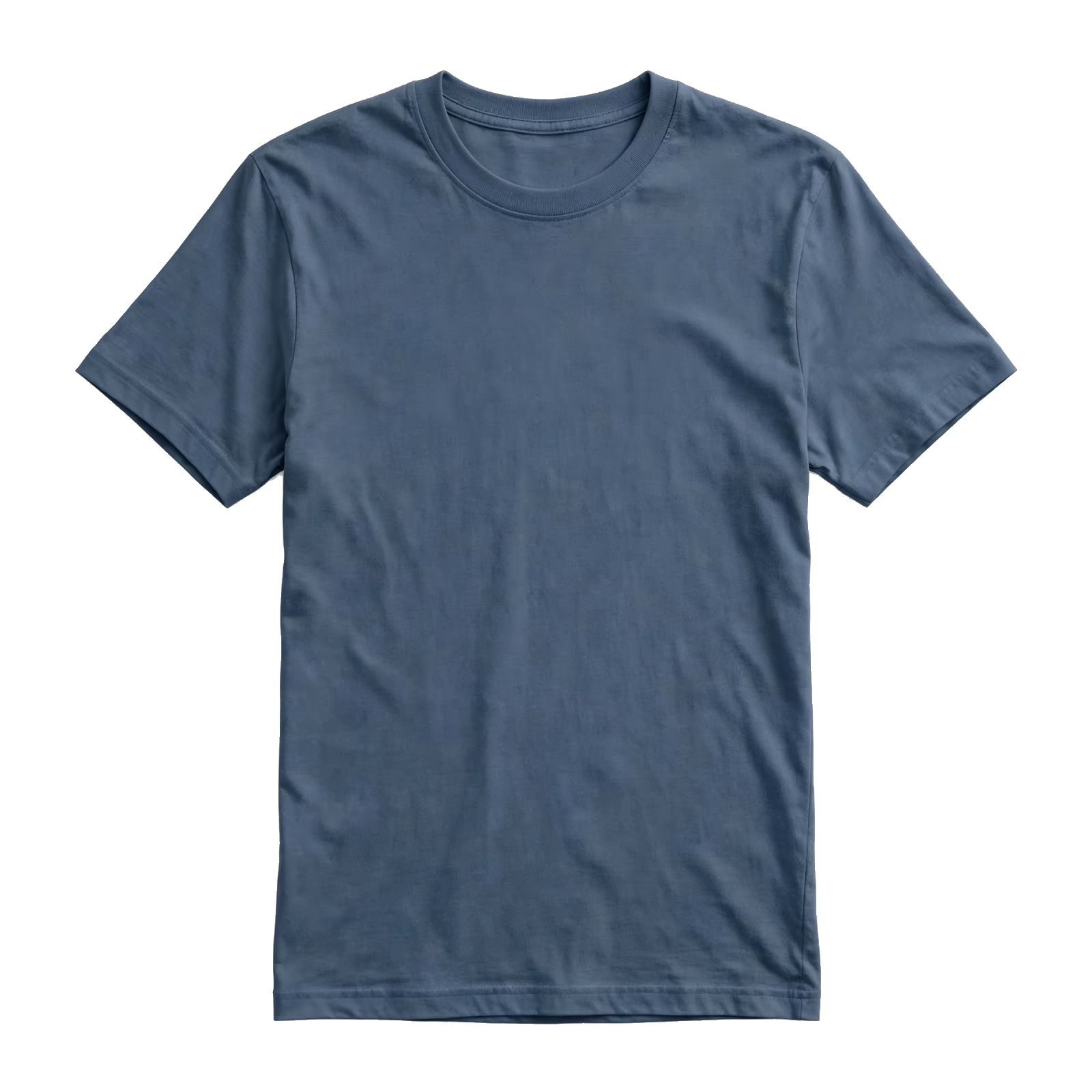
- Jersey tees in core colours
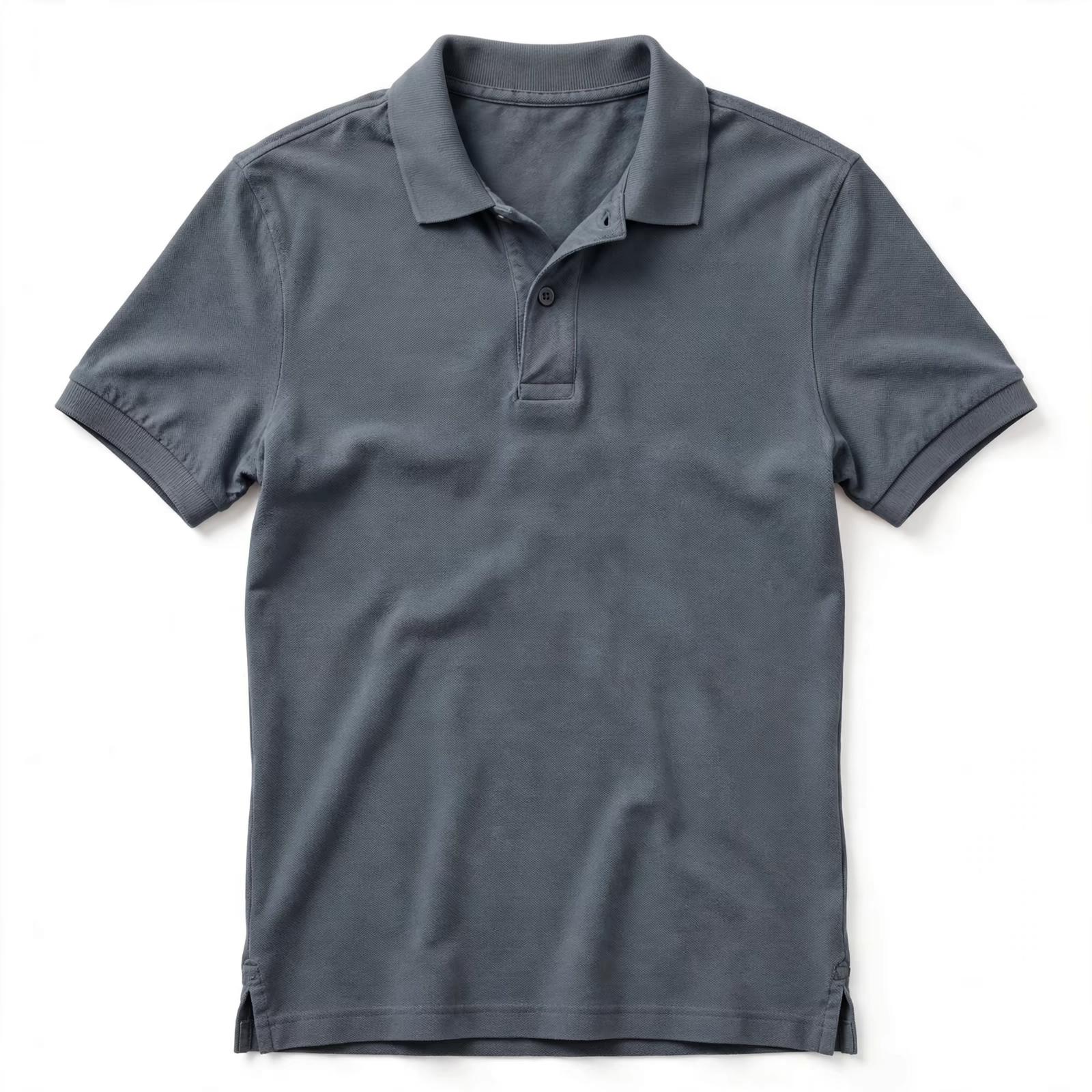
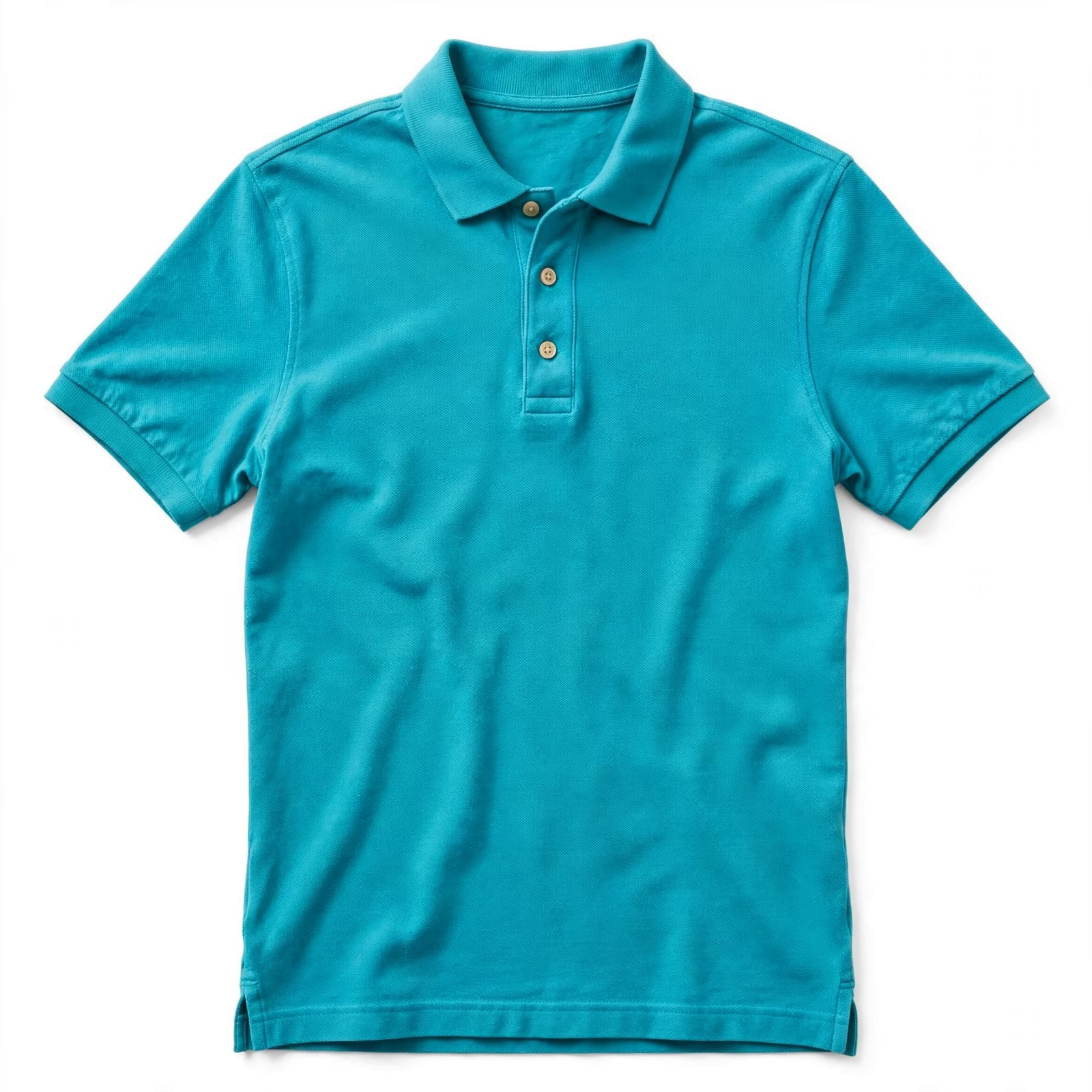
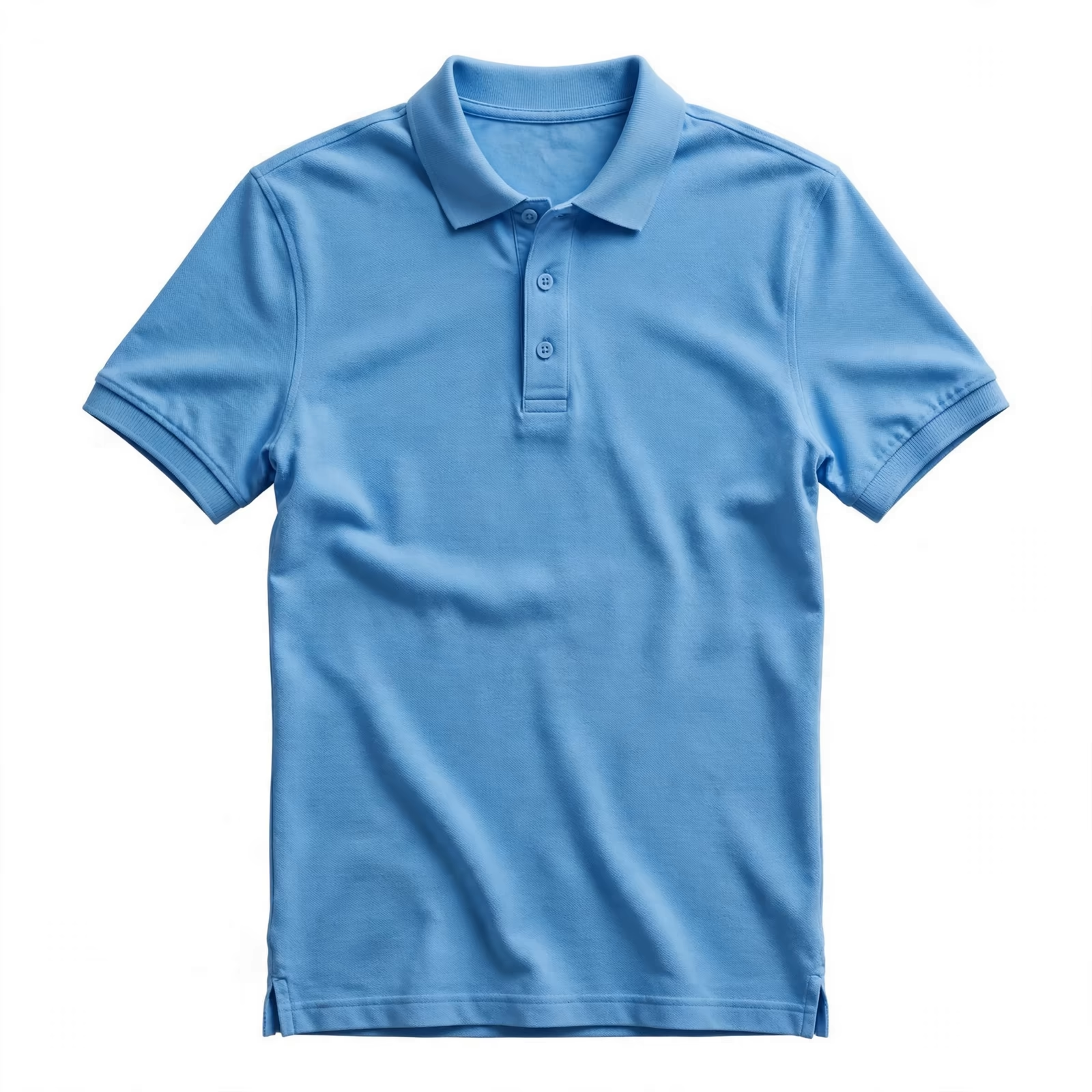
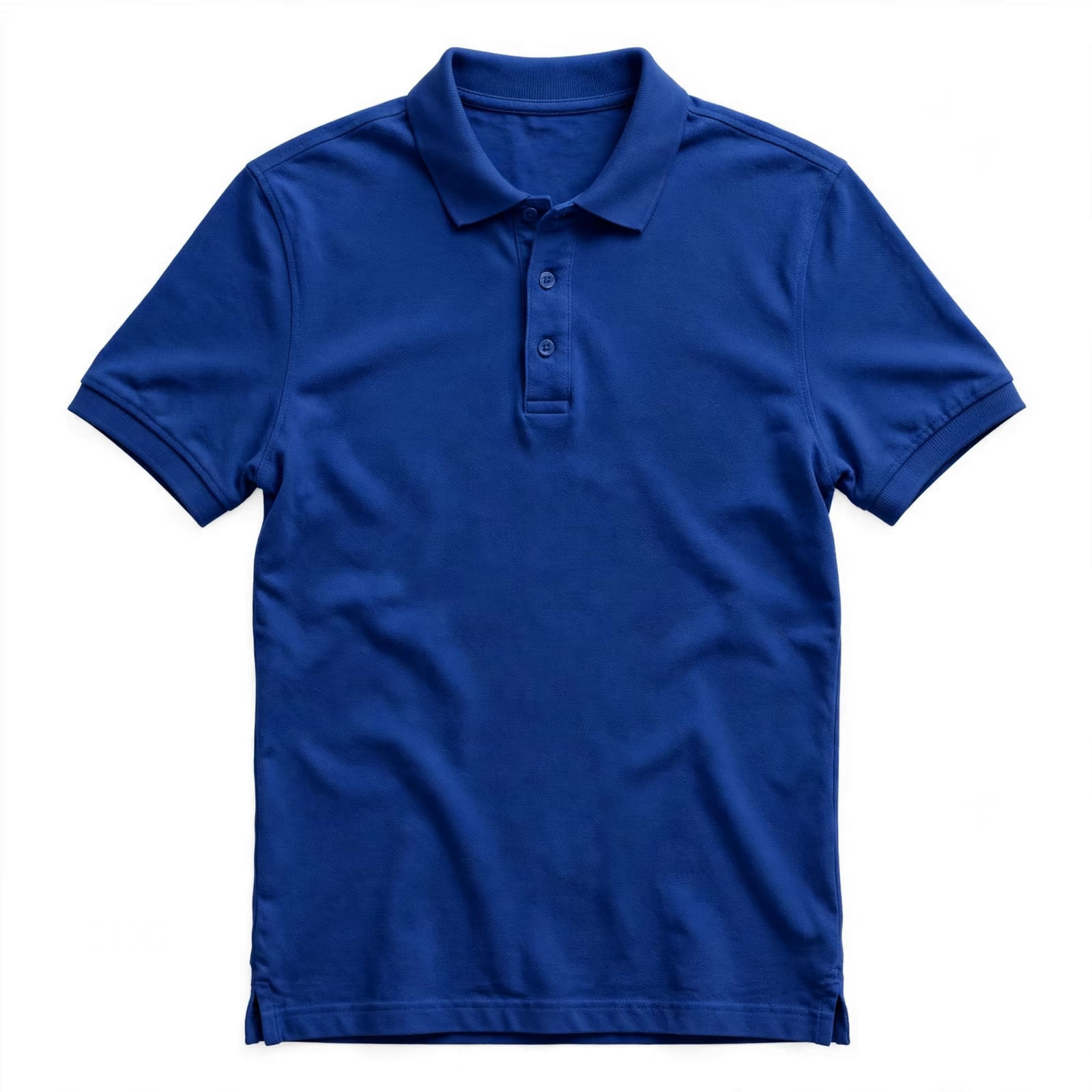
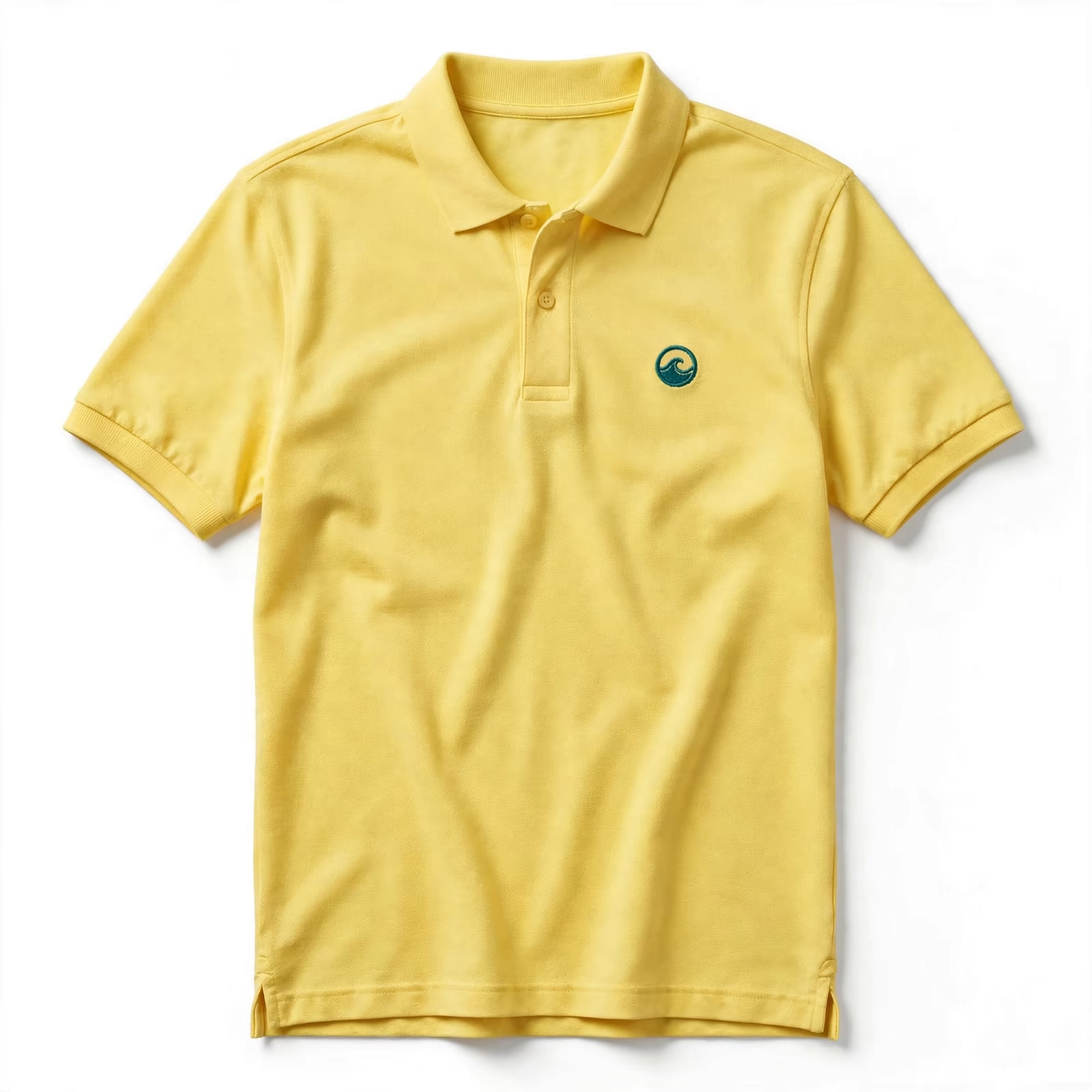
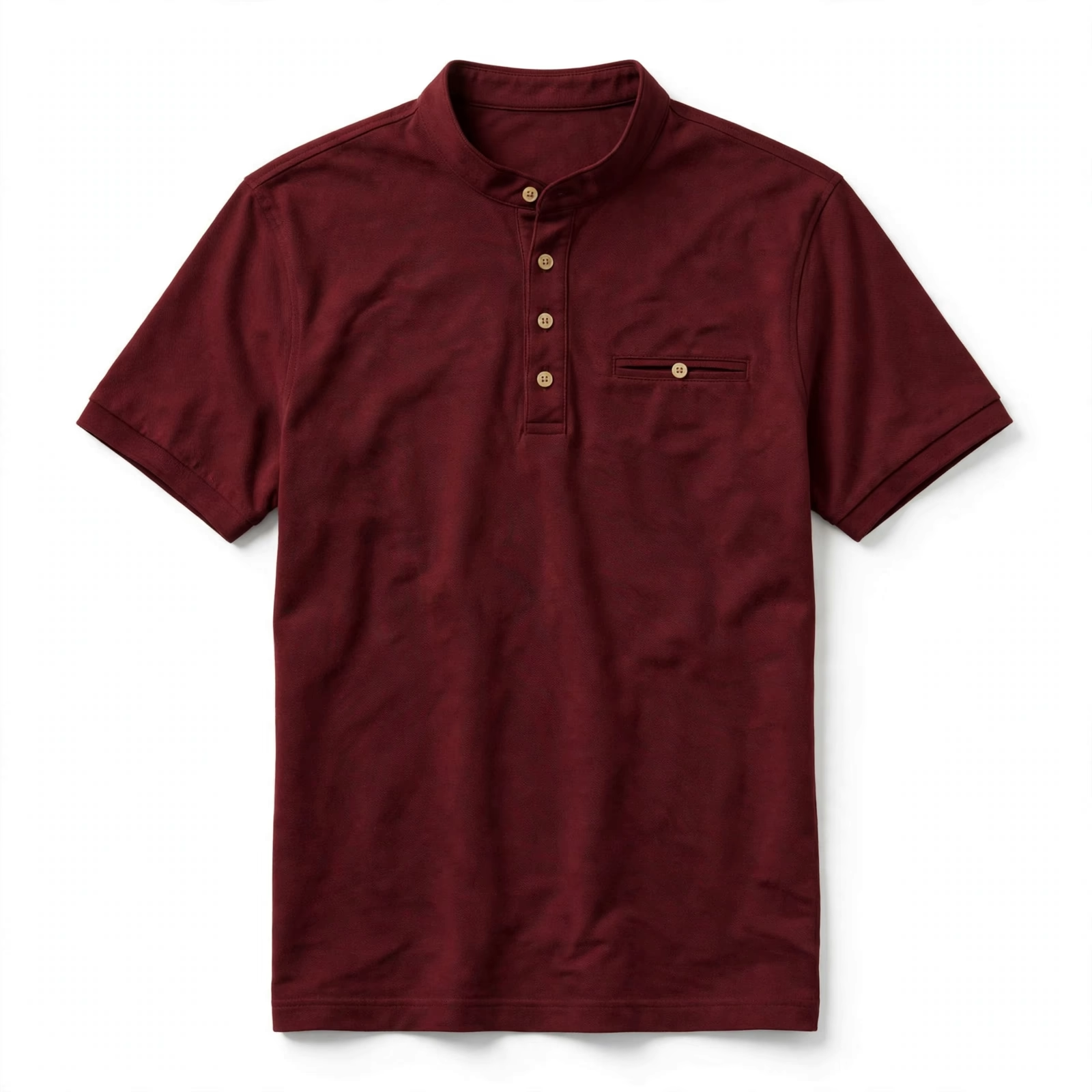
- Pique polos on the same palette
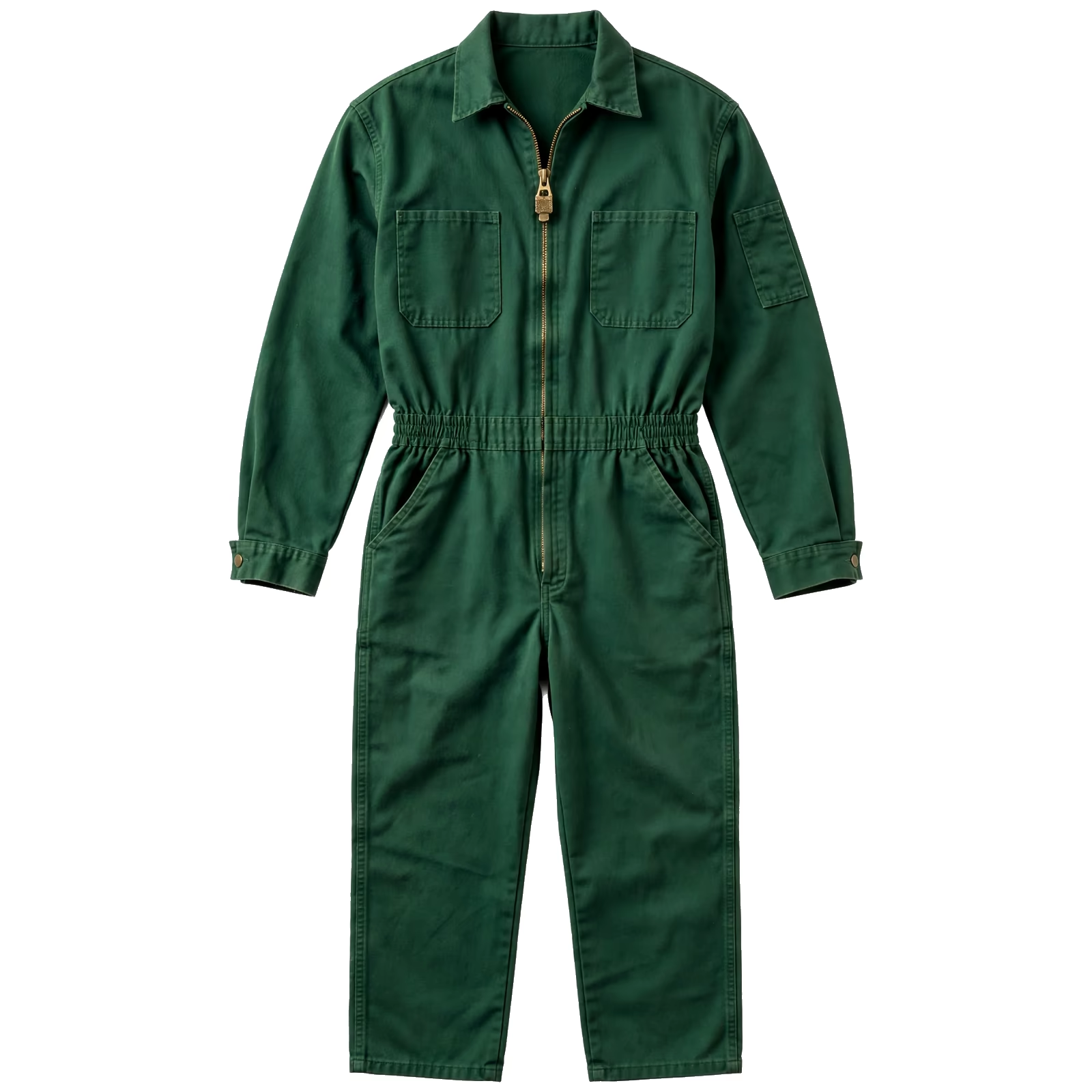
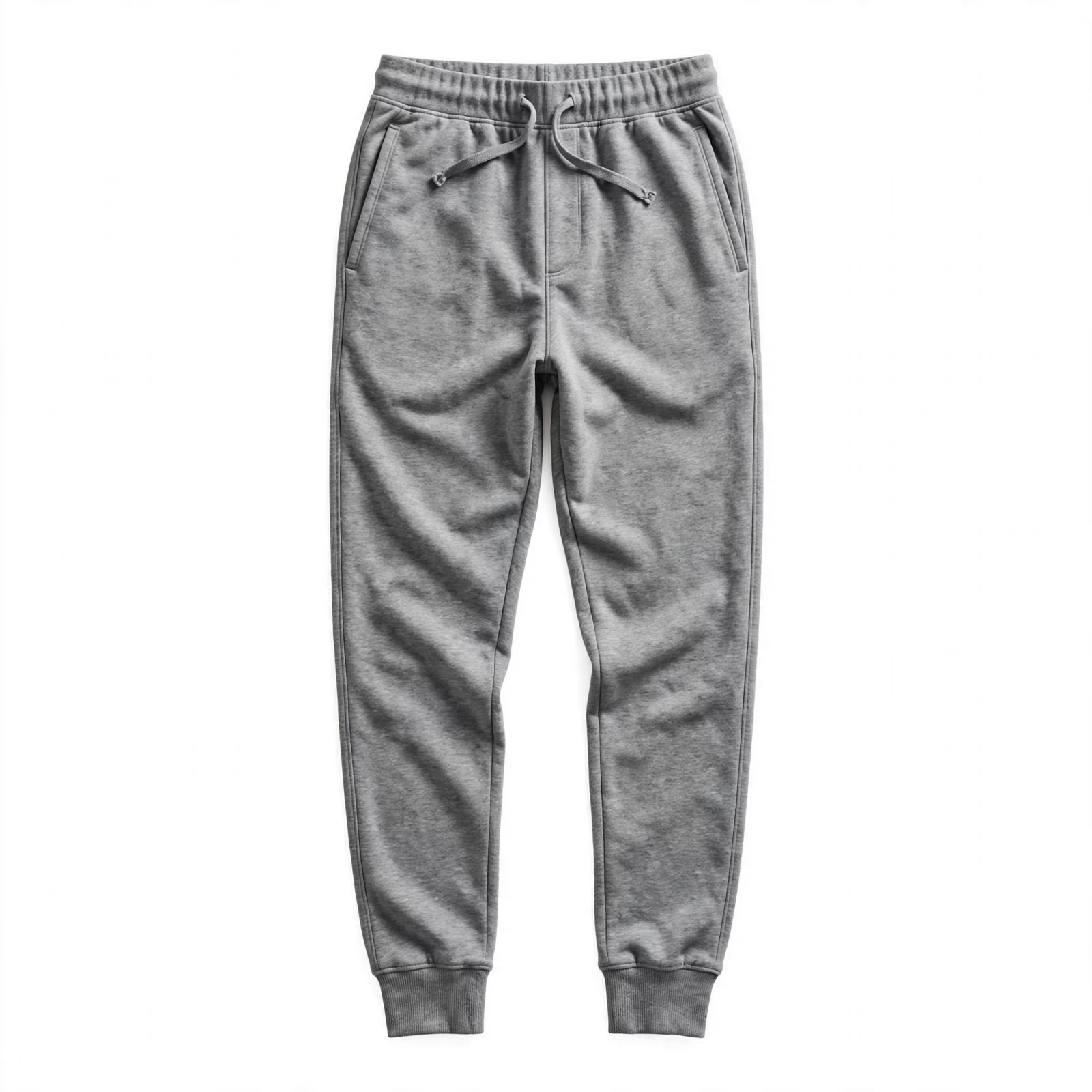
- Twill trousers by waist size
Consolidation Planning
- Lines planned around your volumes
- Categories balanced to sell together
- One shipment date for the programme
- Cartons marked by line for fast sorting
Sample and Cloth Control
- One specification and sample per line
- Cloth checked before cutting
- Shade lots held inside each line
- Standards recorded for the repeat
Size Planning by Market
- Size balance set from your demand
- Every size measured before packing
- Core run S to XXL on tops
- Your own size charts followed per line
Range Fit Rules
- Category fits graded from measured patterns
- Every line checked against its own sample
- Fit approved before bulk on each line
- Repeat ranges start from the record
Sourcing Support for Equatorial Guinea Based Importers
As a clothing sourcing agent in bangladesh, we build the support around an importer who trades at regional scale. Malabo and Bata buyers supply shops that need a balanced range, not depth in one line. The programme therefore starts from your market: which categories move, in which sizes, at which seasons.
The buyers judge the programme differently. The trader watches landed balance across lines. The shop buyers watch whether the range reads as one offer. The repeat order is the real test, and it is planned from the first shipment’s record.
Every line is made to order in Bangladesh. Nothing is pulled from open stock, so the colours, the labels and the size ratios all follow your specification from cloth to carton.
How a Sourced Programme Runs from Line List to Shipment
A programme starts with your line list: categories, colours, volumes and size runs. Each line is matched to the production route that builds it best, cloth is checked per line, and a pre-production sample is made for every line before any bulk starts.
Approving those samples line by line is how the programme is settled. Your comments on any line are worked into that line’s sample first, and bulk production follows the approved samples as the standing reference.
During production every line is checked at its own stages and finished against the shared shipment date. Finished garments are measured per line, and the consolidated shipment is checked before it leaves.
Cloth, Pattern and Consolidation Checks in Bangladesh
Each line is checked on its own facts: weave and collar build for shirts, jersey face for tees, pique structure for polos, twill weight for trousers. Patterns are read against each line’s specification, and panels are matched for shade before cutting.
Consolidation is checked, not assumed. As lines finish, cartons are counted against the programme plan, so a line running behind is visible while the shipment can still be rebalanced or the date managed honestly with you.
Buyers who want the raw material picture can read about the Better Cotton initiative, which works with cotton farmers and the supply chains that turn their fibre into cloth.
| Programme | Consolidated clothing sourcing |
|---|---|
| Anchor line | Casual poplin shirt, chest pocket |
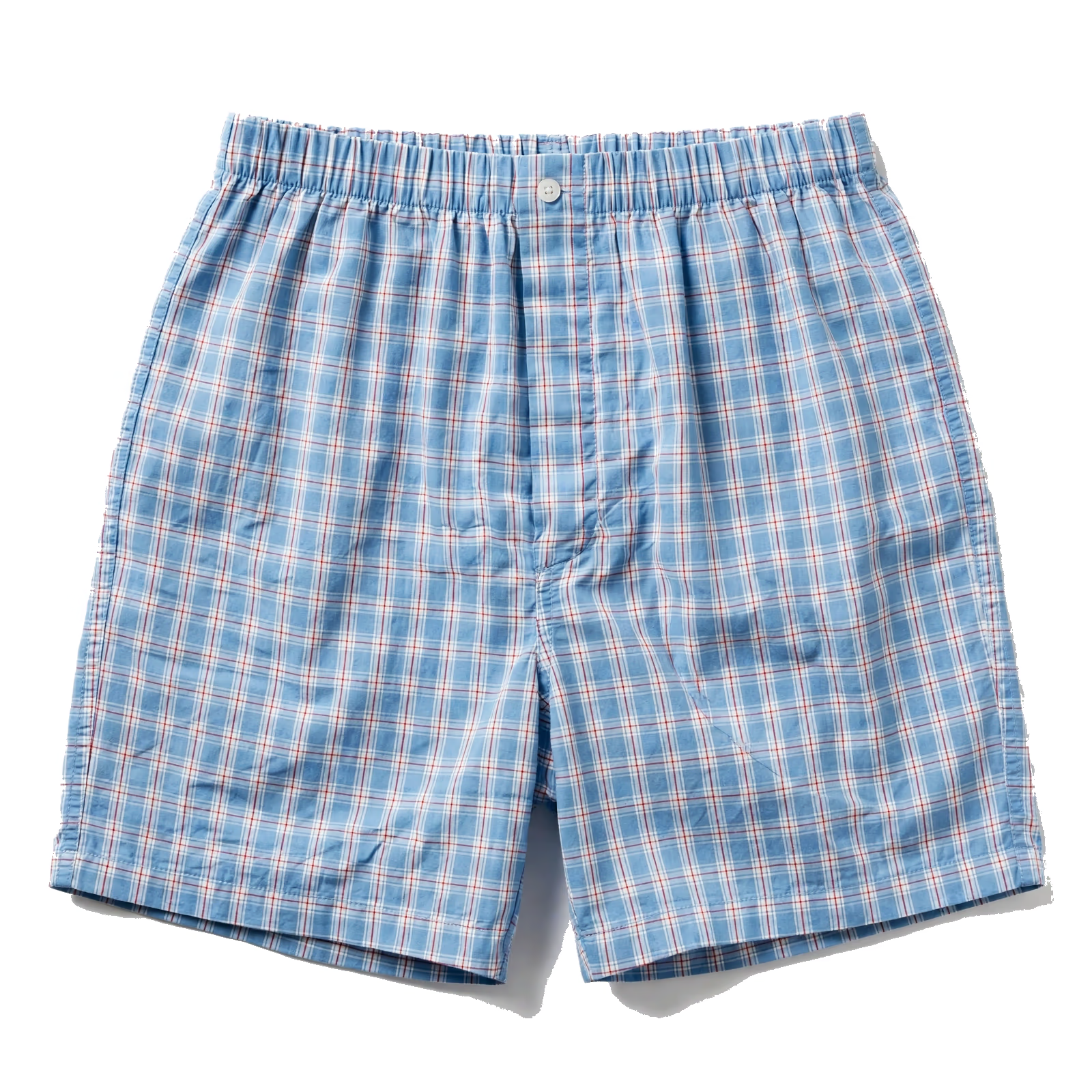
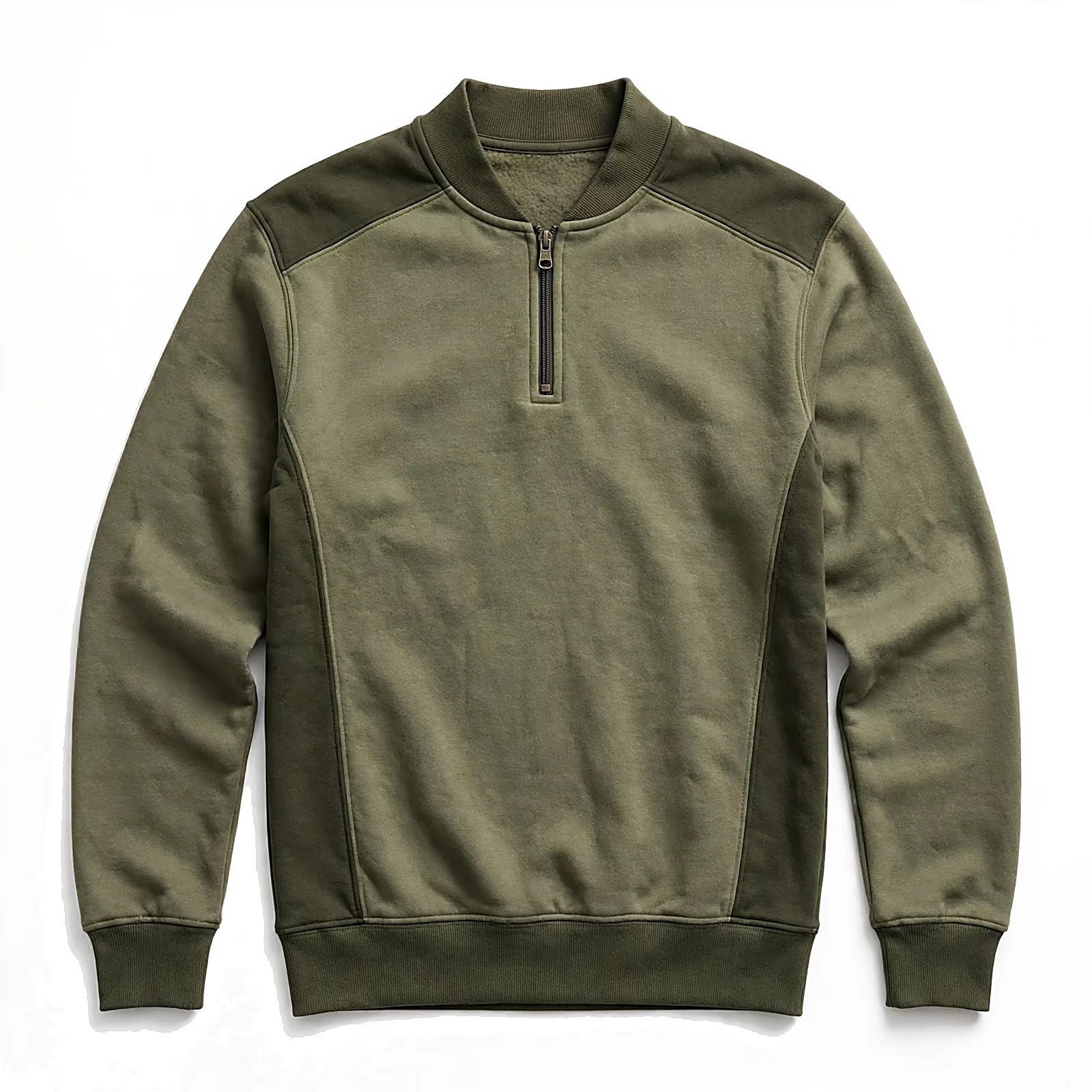
| Categories | Shirts, tees, polos, trousers |
| Anchor colour | Sage green |
| Standards | One specification and sample per line |
| Shipment | Lines consolidated to one plan |
| Sizes | Core S to XXL, waist sizes on trousers |
| Custom options | Labels, palettes, size ratios, carton marks |
Agent Points That Keep a Small Programme Viable
Four points keep a smaller programme viable. Lines are chosen to sell together, not gathered at random. Volumes are planned honestly per line, so no line is built in a shape production cannot hold. Samples settle every line before bulk. And the shipment is built as one unit, counted line by line.
Honest dating is the fifth point. The programme works to one shipment plan, and where a line cannot hold the date, that is said early, while you can still adjust the range, rather than at the port.
Our quality assurance page sets out how these checks run through production and packing, from the first sample to the sealed carton.
Categories, Sizes and Packing from Your Sourcing Agent in Bangladesh
The core categories are shirts, tees, polos and trousers, each graded from measured patterns, with the size balance across the run set from your market’s demand pattern rather than a standard split. That balance is part of the plan, reviewed with you before sampling.
Sage green anchors the palette shown here. Your own palette is matched across categories as finished garments, approved line by line before bulk, and held on file for the repeat programme.
Packing follows one plan: garments folded and bagged per line to the same standard, cartons marked by line, size and colour. Traders building the tee side deeper often work through our t-shirt manufacturer in Bangladesh line.
Your Own Labels Across a Sourced Range from a Bangladesh Agent
Your woven label is sewn into every line in the programme, at the back neck on tops and at the agreed point on each category, so the brand reads as one range in your shops. Size and care content follow each line’s needs under the same label system.
Polybag print, hang tags and outer carton marks carry your artwork across all lines. The full label and packing set is approved with each line’s pre-production sample, so nothing is improvised later in the run.
As a clothing sourcing agent in bangladesh we hold your palette, specifications and size balance on file, so the repeat programme matches the first shipment your shops received.
Where We Ship Your Consolidated Order
Equatorial Guinea leads this programme’s shipments, and consolidated ranges from this agent also ship regularly to Cameroon, Gabon, Congo, Nigeria and Ghana. Packing is built to each importer’s sorting system and market plan.
Equatorial Guinea
Equatorial Guinea importers set the line list and size balance first, then approve samples line by line. Shipments arrive as one balanced programme for Malabo and Bata distribution.
Cameroon
Cameroonian traders take consolidated ranges in core categories, with cartons marked by line for fast market sorting. The programme record is kept for repeats.
Gabon
Gabonese buyers run smaller balanced programmes with labels across every line, judging the agent on consolidation discipline. Samples lead each line’s approval.
Congo
Congolese importers build retail ranges on one plan, with size balance set from local demand. Shade and size standards are held across the whole programme.
Nigeria
Nigerian traders source core categories in repeat programmes, with the full range shipped against one date plan. The build record is kept for exact repeats.
Ghana
Ghanaian buyers set plain specifications and take balanced ranges in steady cycles. Lines are checked per line before the shipment is sealed.
Quality Checks Before Your Consolidated Order Leaves Bangladesh
Checks run at three points per line: the pre-production sample against its specification, inline cloth, shade and build checks while production runs, and a final check of finished garments and cartons before the shipment leaves. Measurements, shades and labels are read against the approved samples throughout.
The consolidation check is the one that matters most on this programme: cartons from every line are counted against the range plan as they close, so a short line is caught at the factory, not at your port.
Finished cartons are checked against the order before the shipment leaves: counts by line, size and colour, pack formats and carton marks all read against your packing plan.
Why Small Market Importers Source in Bangladesh
A consolidated programme rewards a base that makes every category every week and writes its standards down. Bangladesh gives a smaller importer that depth across knit and woven production at a fair cost base, without needing the volume of a major market buyer. Programmes often add the polo side through our polo shirts manufacturer Bangladesh line.
Working with a Bangladesh sourcing team that keeps your palette, specifications and checks on record means every repeat programme is verified against the first approved samples, not rebuilt from memory.
Siatex keeps the whole programme in one office, from line list to the final sealed carton, so questions are answered by the team that built the range. That single line of responsibility is what long term sourcing programmes are built on.
Care and Repeat Life of a Consolidated Programme
A consolidated range earns its place by repeating cleanly: the same colours, the same sizes and the same hand feel each cycle, with care content on each line’s label written for the cloth that line is actually made from. Recorded standards are what make that possible at any scale.
Because the palette, patterns and size balance are recorded for your programme, a repeat order matches the stock your shops already hold. New lines added later join the range at the same standard.
Buyers who also source plain lines for the same shops can take them from our blank t-shirt manufacturer Bangladesh line inside the same programme. One office across the range keeps your sourcing simple.
Frequently Asked Questions
Can a smaller importer run a full programme?
Yes. The programme is planned around your volumes: categories balanced to sell together, lines sampled and checked the same way, and everything consolidated into one shipment.
Which categories consolidate well together?
Shirts, tees, polos and trousers are the core set, because they share size logic and packing systems. Warm lines can be added where your market’s seasons call for them.
How is one shipment built from several lines?
Lines finish against one date plan and pack under one system. Cartons are counted against the programme plan as they close, and the whole range travels as one unit.
Can our labels run across every line?
Yes. Your woven label, polybag print, hang tags and carton marks run across all lines under one approved set, agreed at each line’s sample stage.
How do we start?
Send your line list, target volumes and size runs through the contact page. Approving each line’s sample first is how importers settle the work of a programme order before any bulk cloth is cut.