
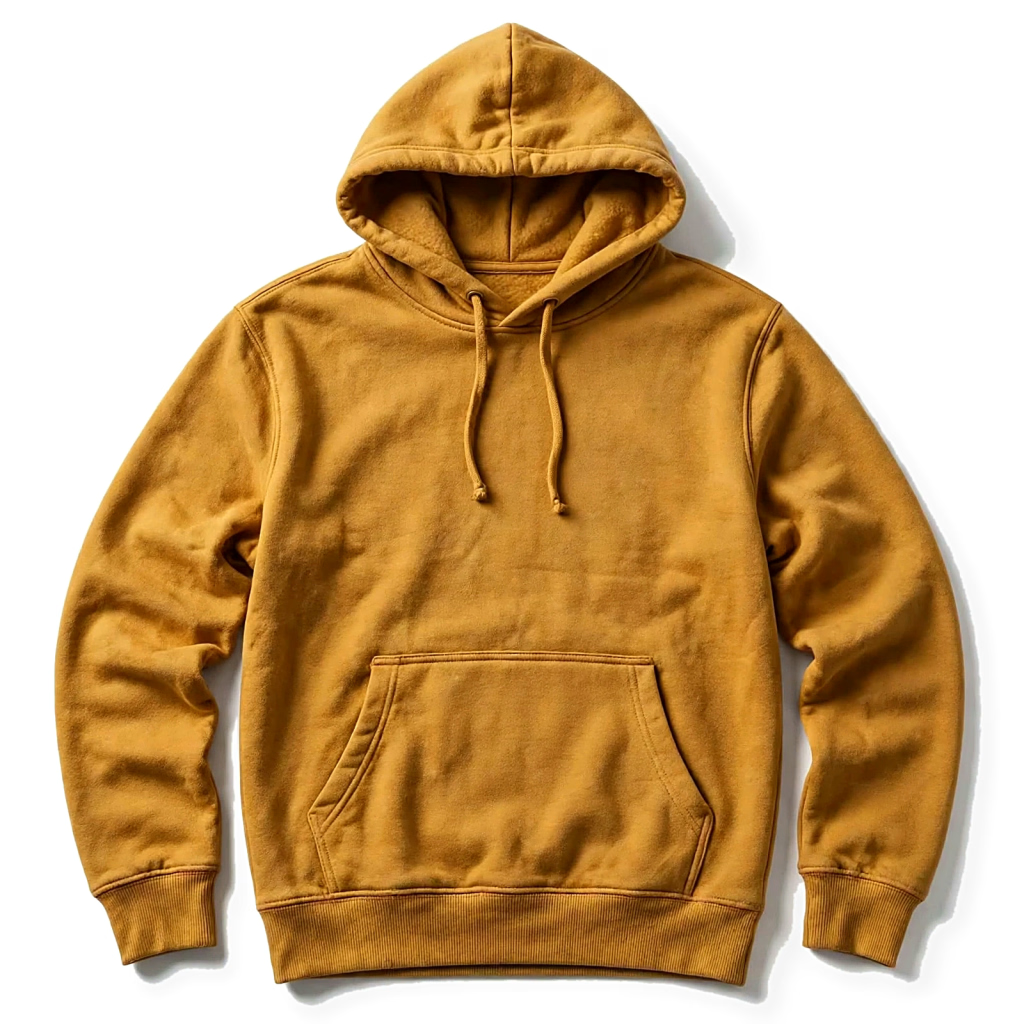
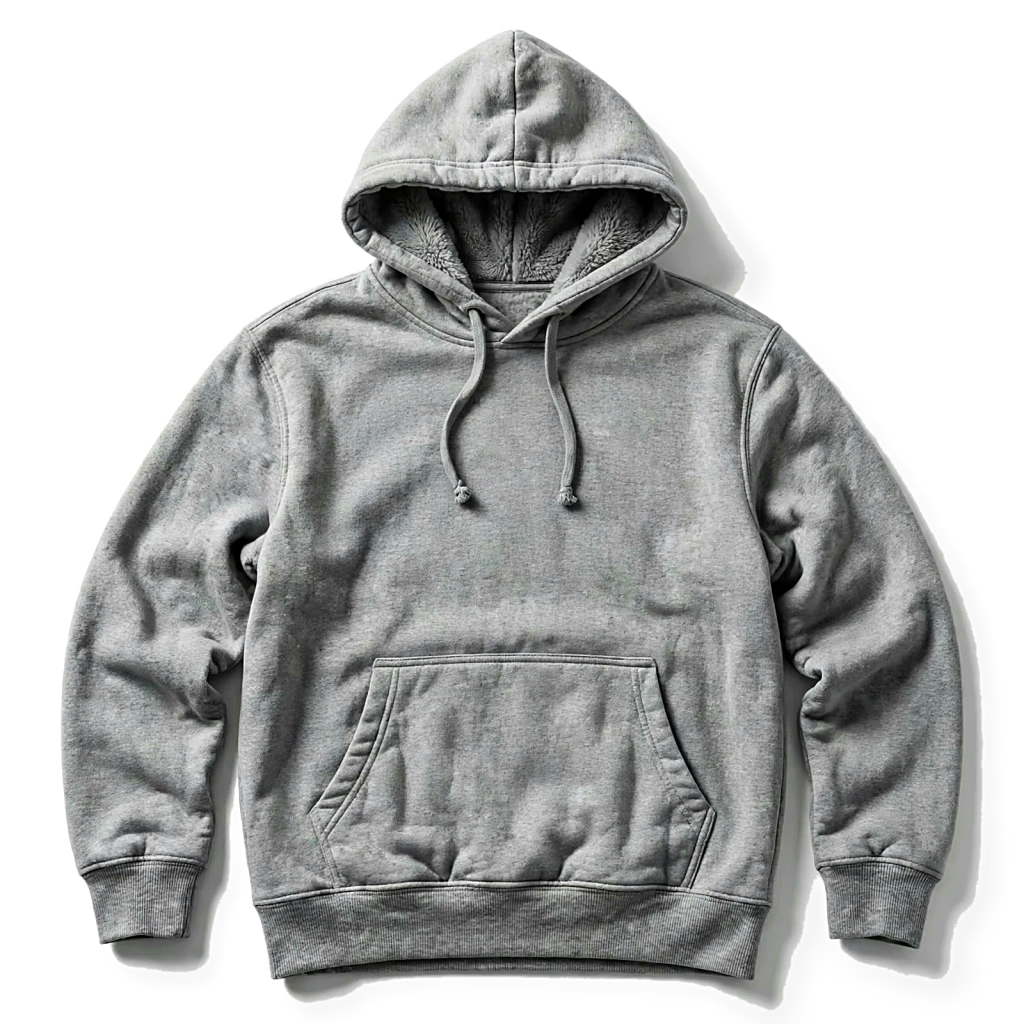
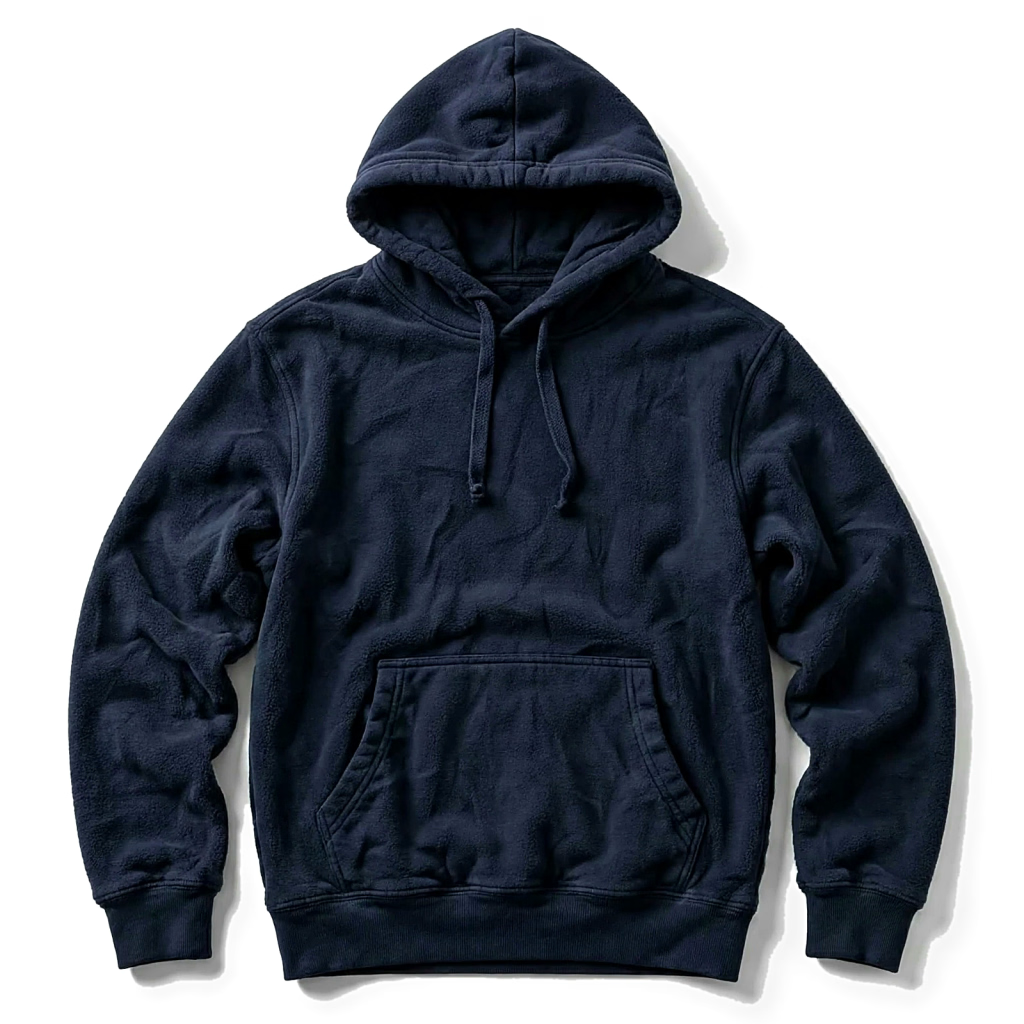
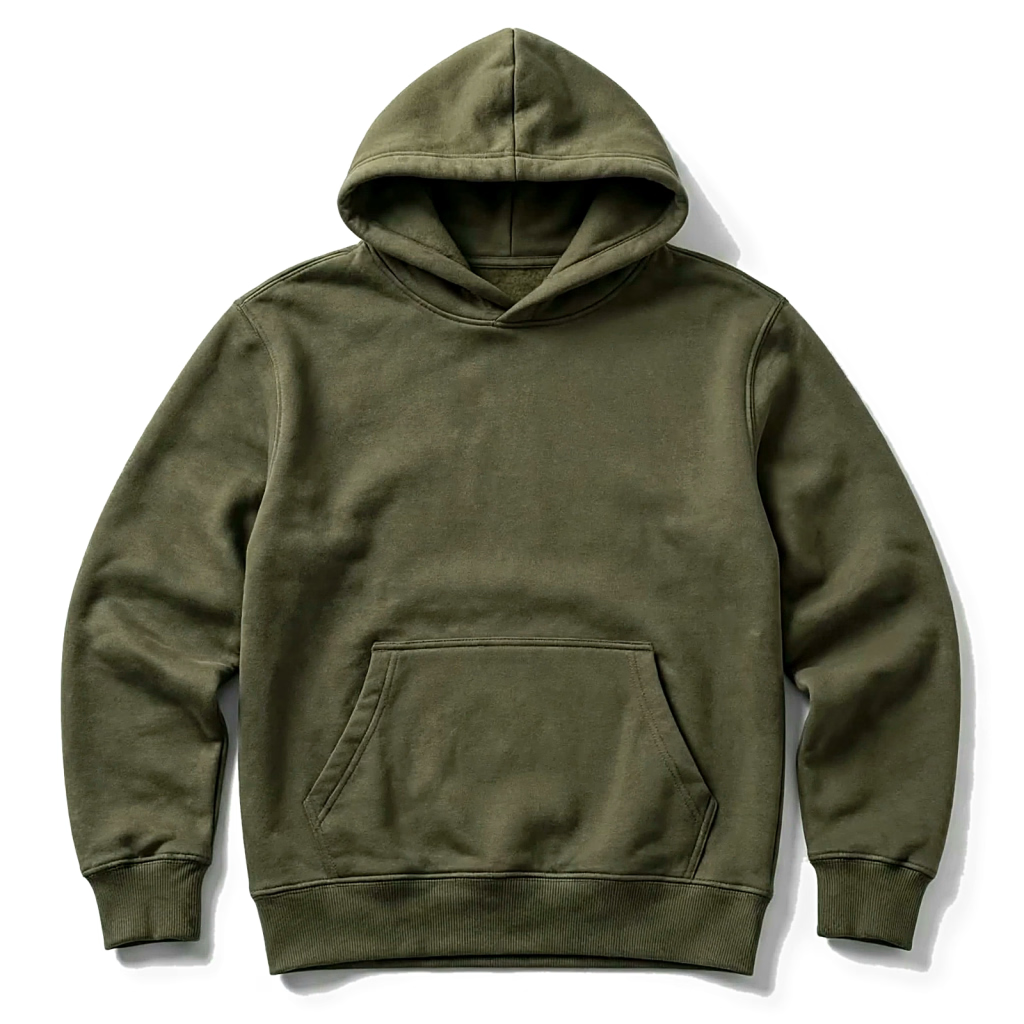
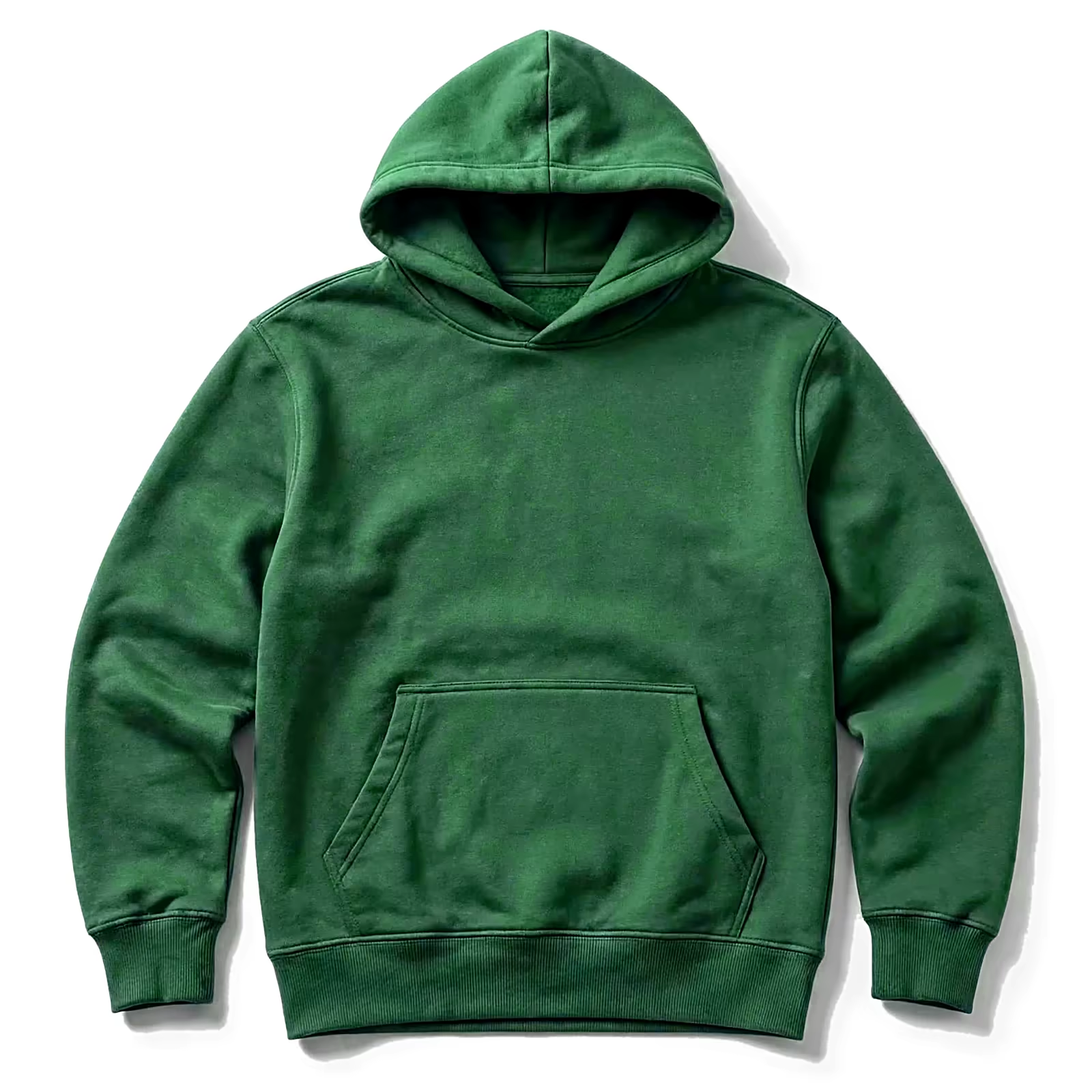
Why Mongolia Buyers Source Wholesale Hoodies From Bangladesh
Mongolia’s climate makes the hoodie a serious garment. Ulaanbaatar is one of the coldest capitals in the world, and a fleece hoodie is worn under coats in winter, as an outer layer in spring and autumn, and on cool summer evenings almost everywhere. Retailers, school outfitters and companies dressing outdoor crews all need the same thing: warmth that lasts, colours that repeat, and prices a wholesale programme can carry.
Bangladesh answers that brief well. Its factories sew knitted fleece garments every day for cold-climate programmes in Europe and North America, so the machinery, the supervisory habits and the fabric supply lines a hoodie order needs are already in place. Buying at the source means your money is spent on fabric weight and construction, which is where warmth actually comes from.
Continuity matters on a long route. Once your first order is approved, the fabric specification, shade references and patterns stay on file, so a repeat order for the next cold season repeats the approved standard instead of starting again. The navy your shop sold last winter is the navy that arrives this winter.
Hoodie Supplier in Bangladesh for Canadian Retailers
Canadian retailers work the closest climate to Mongolia’s on this programme: long winters, sharp shoulders to the season, and customers who judge a hoodie by its third winter, not its first week. Working as your supplier, Siatex builds those orders with the same discipline: heavier fleece options, rib quality checked for recovery, and drawcords and eyelets finished to survive daily use.
Supplier details are settled before production. Size ratios follow your market, cartons can be packed by store or by style, and each box is marked so your warehouse books stock in from the packing list without opening cartons. Bilingual English and French care labelling is prepared as part of the order where a Canadian programme needs it.
One merchandiser follows your account from the first sample to the final carton. Answers come from the person who knows your programme, and the approved sample that bulk production follows stays with your file for every repeat.
Built for a Real Winter: Fleece Weights and Warmth, Explained
Warmth in a hoodie is mostly fabric choice. Four constructions cover the Mongolian year:
- Brushed fleece is the deep-winter standard: a raised inner face that traps warm air, used for pullovers and zip-ups worn from October to April.
- French terry carries a looped, unbrushed back. It is the mid-season layer for spring and autumn days and for heated indoor wear.
- Cotton-rich fleece gives the softest hand feel and takes print beautifully, a favourite for retail and university ranges.
- Cotton-polyester blends trade a little softness for easy care and colour fastness, which suits company and school programmes washed hard and often.
Weights rise with the cold: lighter terry for layering pieces, mid weights for everyday pullovers, and the heaviest fleece for garments that work as outer layers. Buyers who need tested fabrics can request qualities tested for harmful substances under the OEKO-TEX programme, and the team will match a weight to the month you plan to sell the garment.
Pullover, Zip-Up or Oversized: The Styles Mongolian Ranges Run On
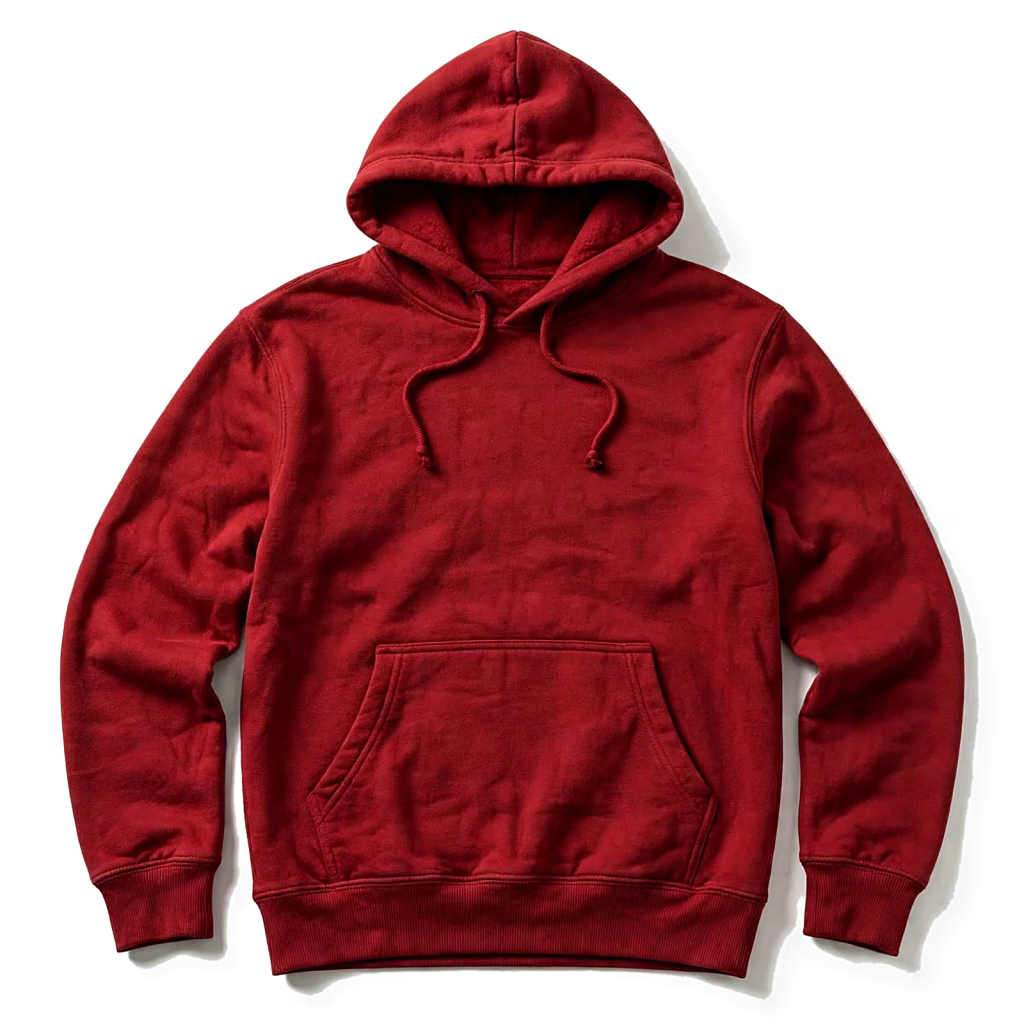
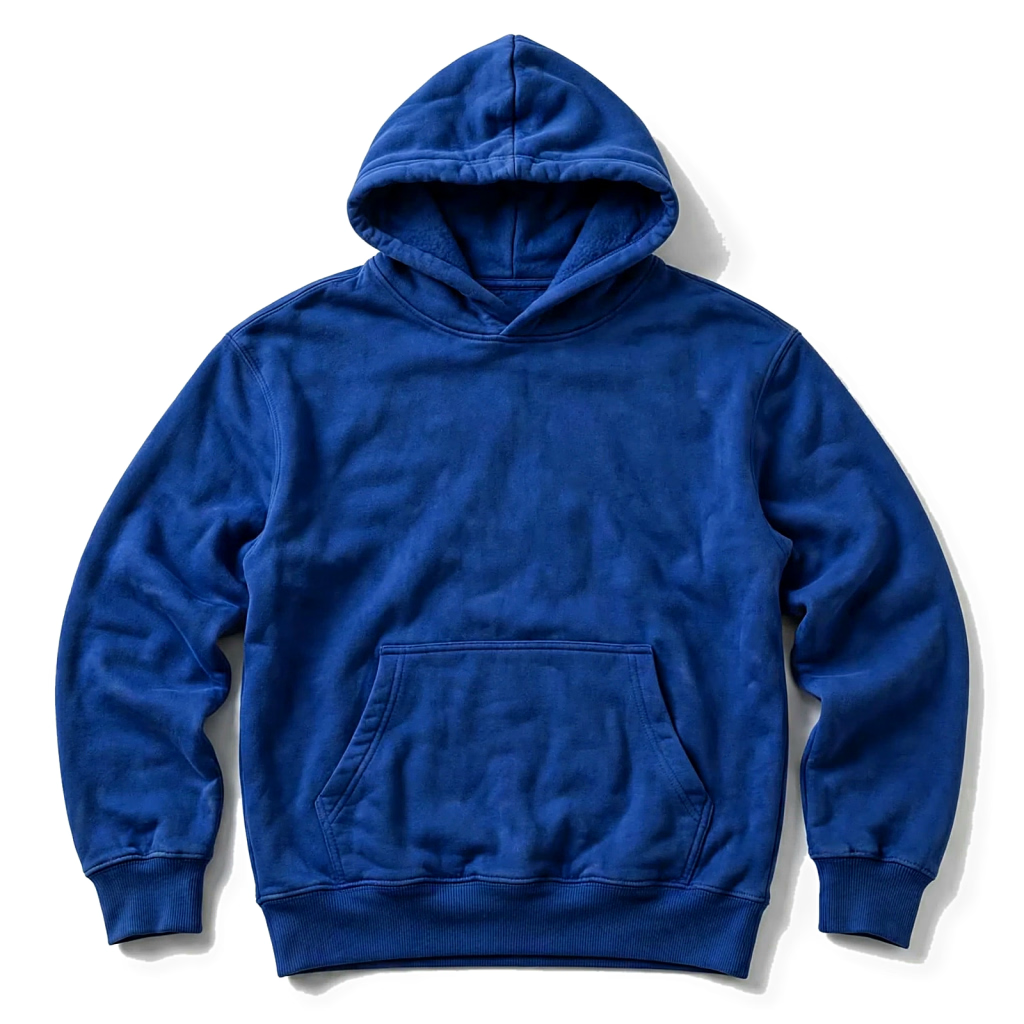
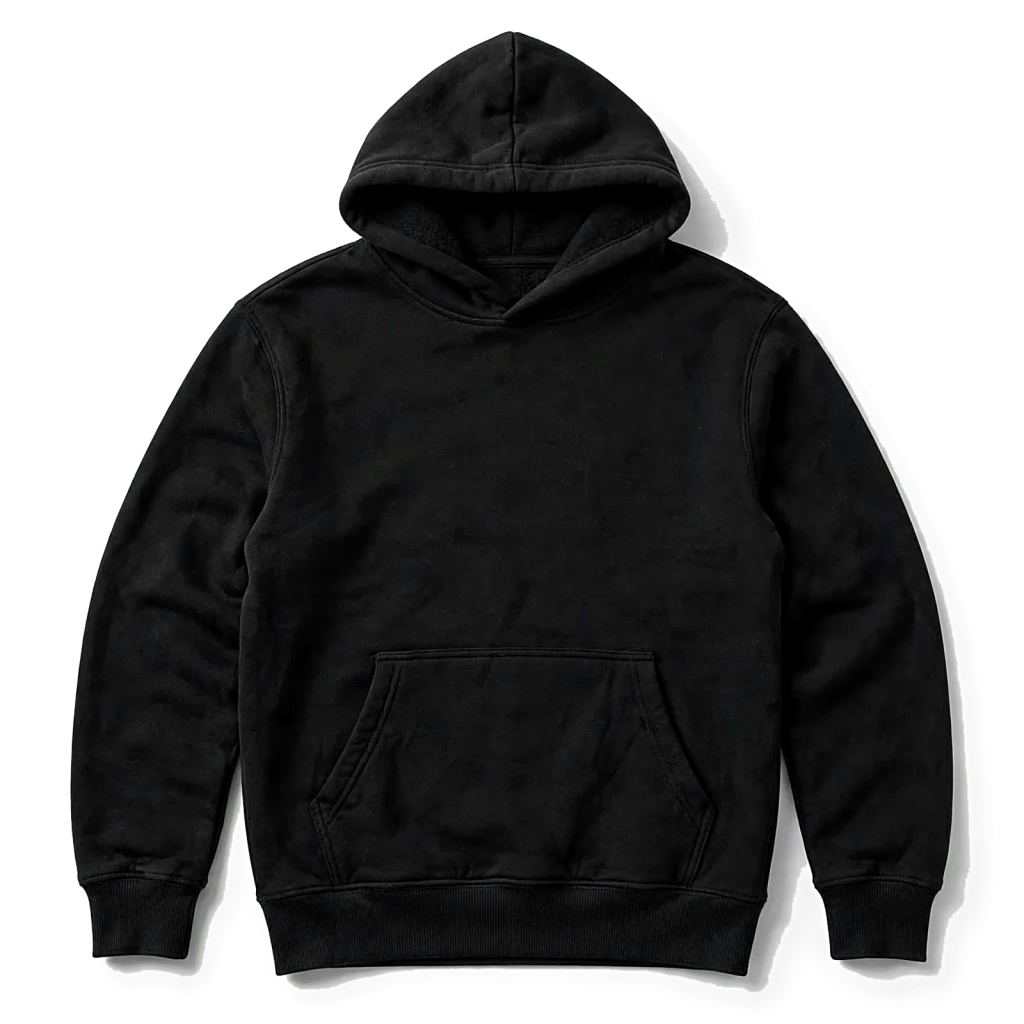
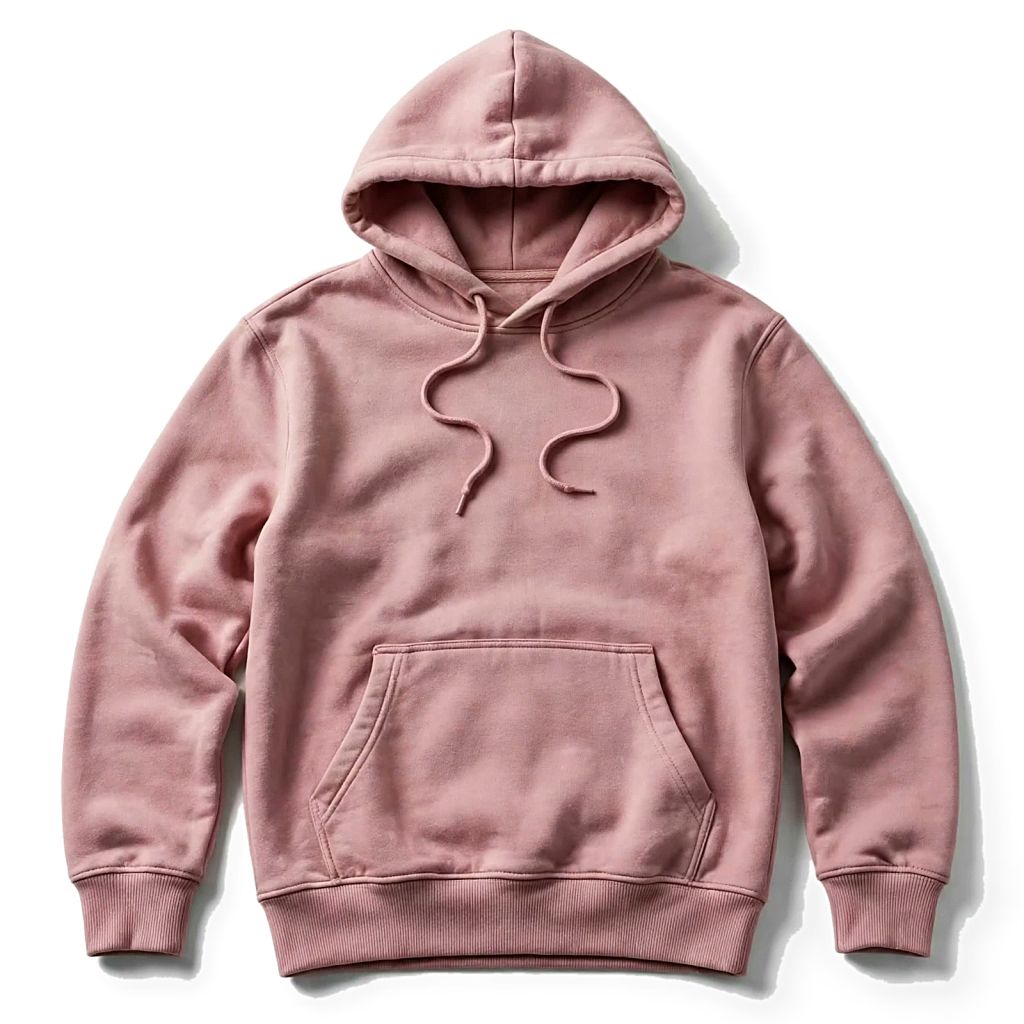
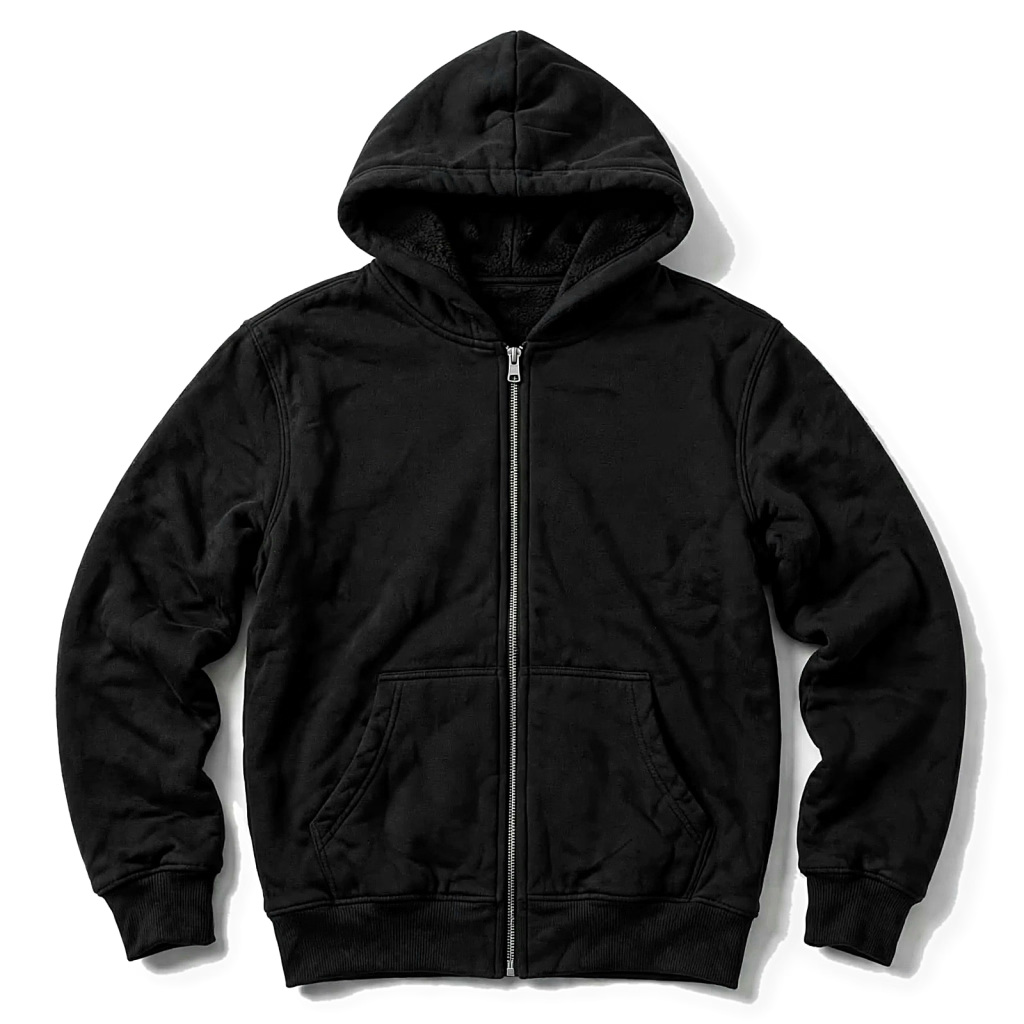
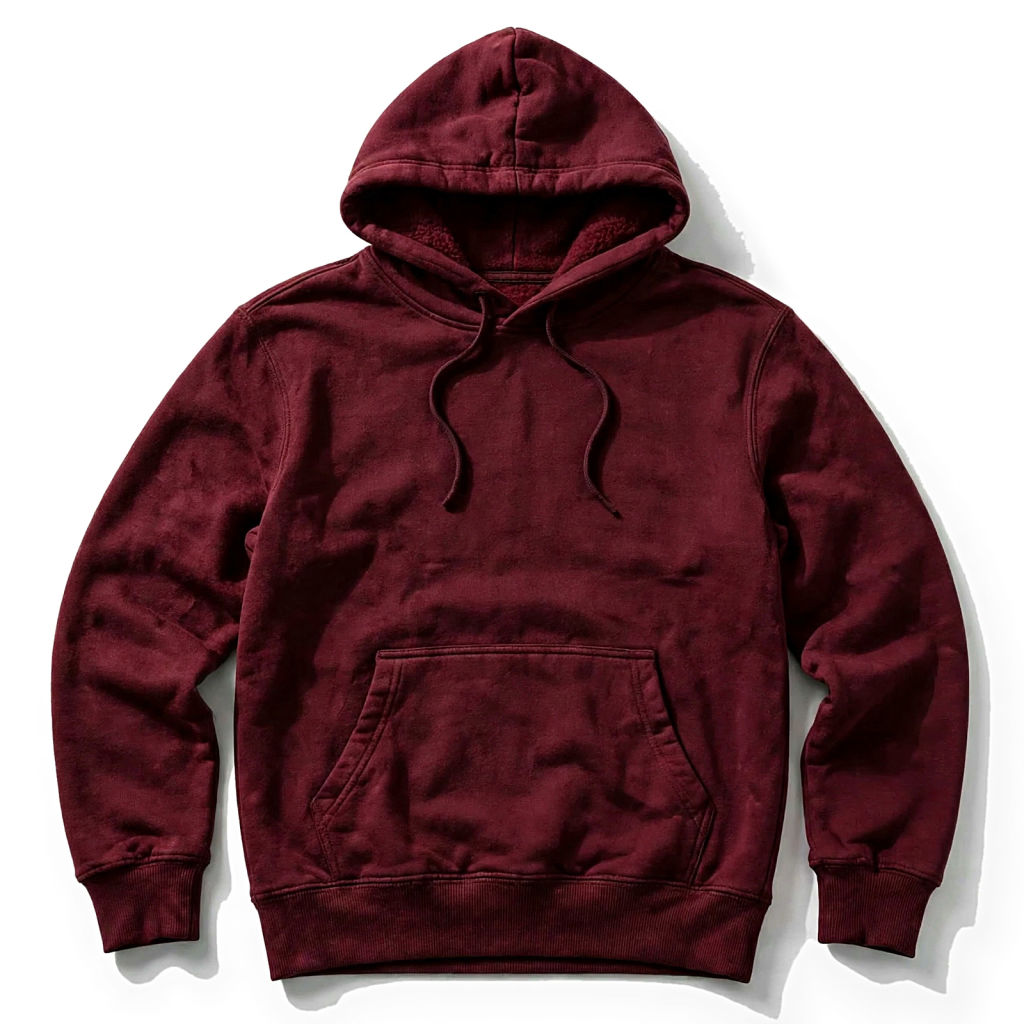
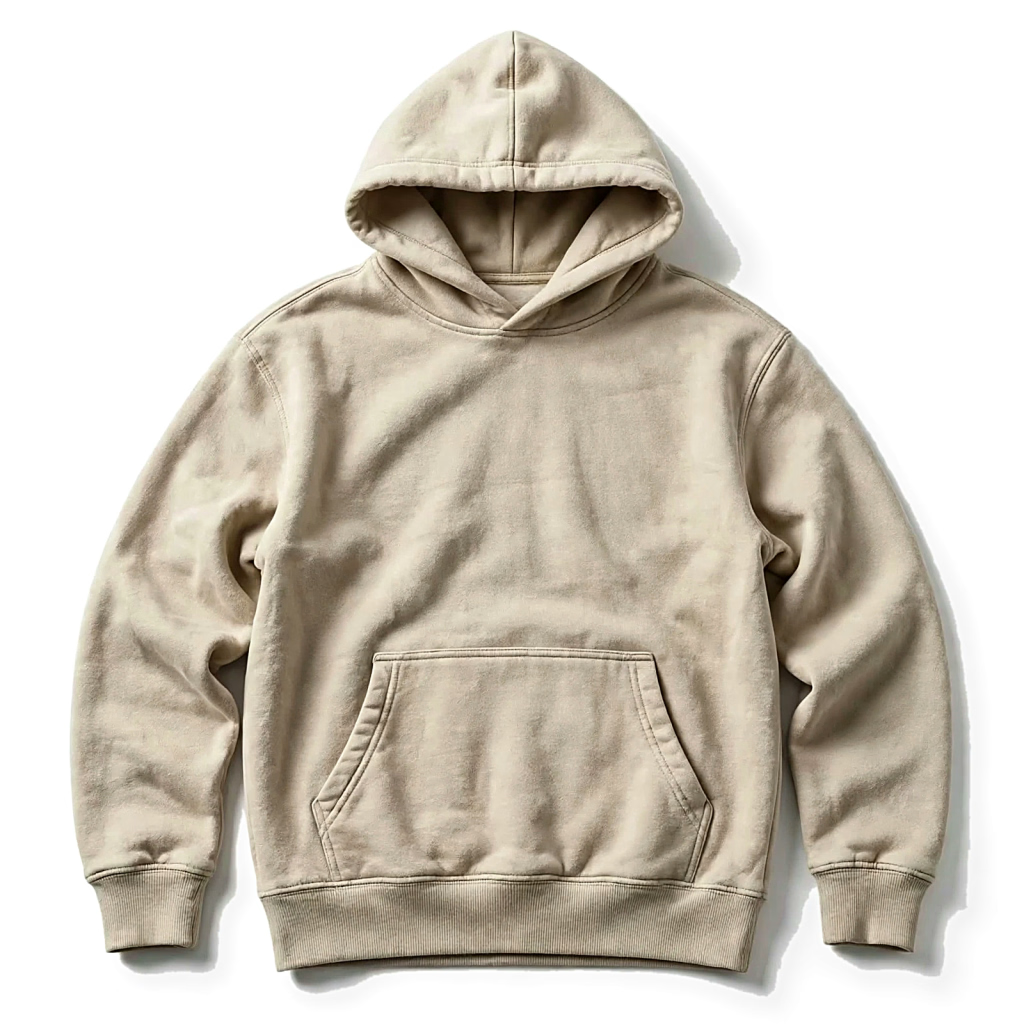
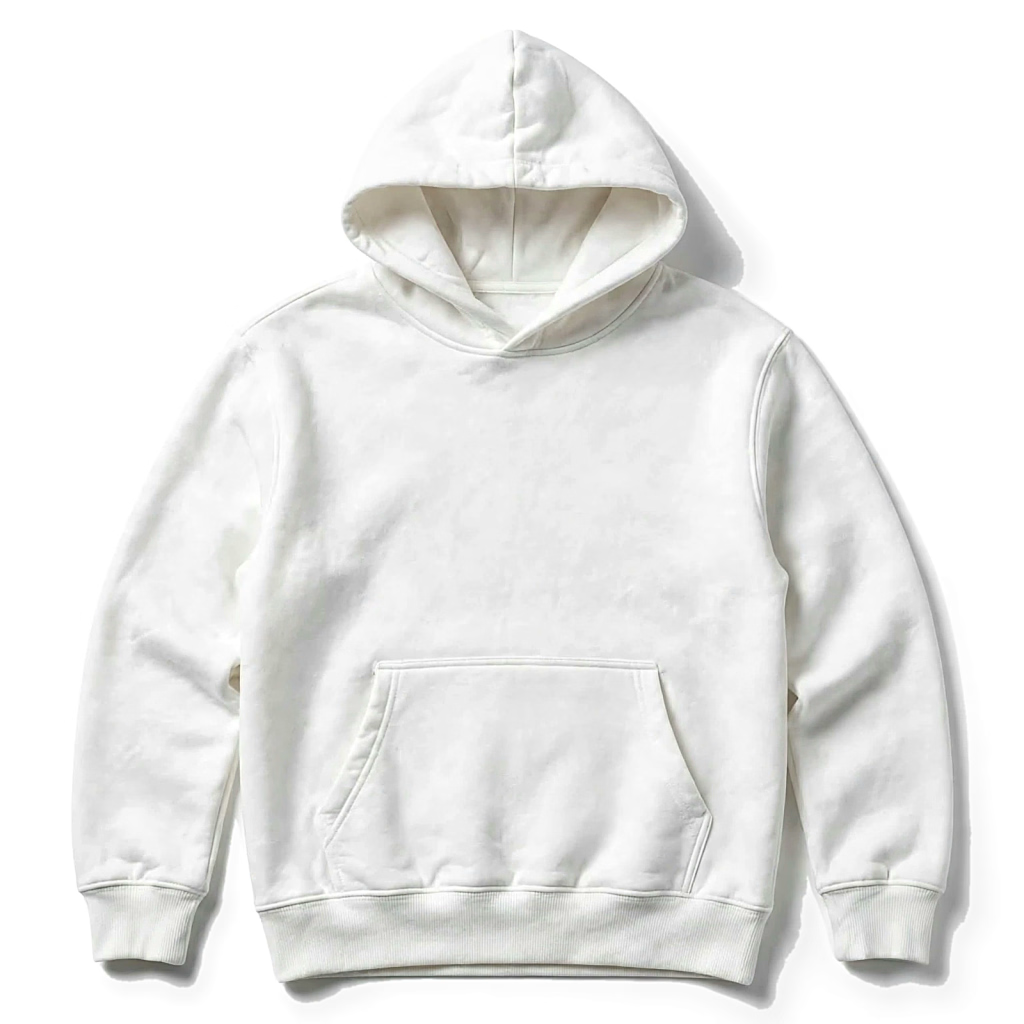
Three styles carry almost every wholesale hoodie range. The pullover with a kangaroo pocket is the all-rounder: school wear, university merchandise, retail basics and team travel wear. The full zip-up works as a jacket substitute for staff and crews, easy to layer over uniforms and to brand on the chest. The oversized and drop-shoulder cuts serve the fashion end of the market, where a relaxed fit is the point.
Details are chosen per programme, not left to chance. Hoods can be double-lined for warmth or single for lighter styles, drawcords are matched to the body colour, and cuffs and hems are ribbed with enough recovery to keep their grip after repeated washing. Zips are specified for cold-weather use, with metal or moulded teeth as the garment’s price point asks.
Children’s and school styles run in the same fabrics with age-appropriate details, and women’s fits are cut as their own patterns. One programme can therefore dress a whole school, a whole company or a whole shop range without splitting the order across suppliers.
Hoodie Exporter in Bangladesh for German Importers
German importers are known for precise specifications, and a good exporter welcomes that. Measurements, fleece weights, stitching standards and packing instructions are agreed in writing before production and checked against during it. Working as your exporter, Siatex treats the specification sheet as the contract the sewing floor works to.
Export handling is prepared alongside production, not after it. Carton marks, packing lists and invoices follow the format your forwarder expects, and the paperwork agrees with the physical shipment. That discipline also protects Mongolian buyers on this programme: the same written standards and the same inspection habit run through every order, whichever market the cartons are bound for.
Your Brand on the Chest: Print, Embroidery and Private Labels
A wholesale hoodie earns its margin when it carries the buyer’s own identity. Your woven label goes into the neck, your hangtag carries your story, and a printed size and care label keeps the inside clean. Chest embroidery suits university crests, company marks and club badges, while screen printing covers larger graphics across the chest or back.
Print quality on fleece is a craft of its own. Inks are specified for a brushed surface, positions are proven on a strike-off, and the approved sample stays with your file so a repeat order prints in exactly the same place. Where a design crosses a pocket or a zip, the placement is agreed on a finished sample rather than guessed from artwork.
Brand protection is practical. Your labels and artwork are used only on your programme, overruns are counted and reported, and faulty printed pieces are removed before packing rather than shipped and sorted later. What carries your name is checked like it carries ours.
A Hoodie Factory in Bangladesh Set Up for Repeat Winter Orders
Behind the programme sits a factory whose lines sew knitted fleece every day. Cutting, hood setting, pocket attachment and rib finishing are everyday operations there, and the patterns and grading for your approved styles are kept on file. That memory, held in written work sheets, is what makes the third and fourth orders easier than the first.
Repeatability is protected with retained references. The approved lab dip and a cutting from the last bulk run stay with your file, so this winter’s burgundy matches last winter’s exactly. A fabric lot that drifts beyond the agreed tolerance is held and corrected, never sewn and hoped for.
Hoodie Wholesaler in Bangladesh for Spanish Distributors
Spanish distributors buy hoodies for a different season shape: a sharp autumn-winter peak, promotional programmes for clubs and events, and school ranges that repeat every year. Acting as wholesaler for those programmes, Siatex grades patterns across the full size range, prepares European labelling at source, and packs cartons a distribution centre can process without sorting.
Campaign timing drives the plan. Sampling and approvals are scheduled backwards from the selling season, print positions are proven early so artwork sign-off never holds production, and cartons are labelled by the store or group they serve. Where a date cannot move, part of an order can travel by air while the balance follows by sea.
Sizes and Fits for Layering: From School Wear to Work Crews
Hoodie sizing has to respect layering. A Mongolian wearer may put a fleece pullover over a thermal and under a coat, so fits are graded with room where it is needed and proven on a full size set before bulk cutting. Programmes run from children’s sizes for school ranges through extra small to double extra large in men’s and women’s fits.
Fit comments from your wearer trial are worked into the pattern at the size-set stage and recorded on your file. A longer body for a work crew, a roomier hood for a school range or a shorter cut for a fashion programme is agreed once, then repeated in every later order without renegotiation.
The final inspection re-measures finished garments across the run. The size on the label is the size in the bag, on every size in the range, not only on the medium that samples are usually taken from.
Quality Control, Packing and Labelling for Long Routes
Quality is checked at three points: fabric before cutting, garments on the line, and finished hoodies before packing. Measurements, fleece evenness, hood shape, pocket placement, print position and label accuracy are checked against the approved sample, and faulty pieces are removed before they reach a carton. Our quality assurance page explains how these checks run across every order.
Packing follows your instruction sheet: single hoodies folded in polybags for retail, sets packed by size spread for school programmes, or bulk cartons for company distribution. On a long route, packing quality is protection: garments are folded to arrive presentable, and every carton is marked by style, colour and size with a packing list that states its exact contents.
Labelling is finished at source: fibre content and care instructions in the language your market requires, your brand labels applied during production, and size labels that match the grading table. Stock arrives ready for your shelves or your customers’ stores, with no relabelling work at your end.
From Bangladesh to Ulaanbaatar: Delivery Over Sea and Rail
Mongolia is landlocked, so a hoodie order travels in two legs: by sea from Chattogram, Bangladesh’s main port, to a regional gateway, then onward by rail and road into Mongolia in coordination with your forwarder. Production planning works backwards from your selling season, because the cold does not wait. Our delivery and shipment team prepares the handover documents the same way for every order on this route.
Programmes can be split into drops where that helps your stock position: heavy fleece first for the early cold, lighter terry following for spring, each drop packed and labelled as its own complete delivery. The schedule is agreed in writing at order placement, so you can plan your season around real dates.
Start a Wholesale Hoodie Programme With One Enquiry
Starting takes one clear enquiry. Send the styles you have in mind, the fleece weights your season needs, and the artwork or branding your hoodies should carry. The merchandising team will reply with fabric options, a sampling plan and the production steps for your order, in plain language, before you commit to anything.
You can also open the full specification on our hoodies page or reach the team through our contact page. Mention Mongolia and wholesale hoodies, and your enquiry lands with the right merchandiser from the first message.
Frequently Asked Questions
Which fleece weight should a Mongolian retailer choose?
For garments sold as winter layers, choose the heaviest brushed fleece in the range; for spring and autumn pieces, a mid weight or French terry serves better. The team will match a weight to the month you plan to sell the garment and to what your customers will wear under and over it.
Can hoodies be packed by store for a retail chain?
Yes. Cartons can be packed by store, by style or by size spread, each marked with its destination and contents. Your warehouse or your stores book stock in directly from the packing list, which matters when one shipment serves several branches at the start of a cold season.
Do you supply school and university hoodies with crests?
Yes. Crests are embroidered or printed at proven positions, colours are matched to an approved lab dip, and children’s and adult sizes run inside one programme. Cartons can be packed by school, class or year group and labelled with the group they serve.
How long does an order take to reach Mongolia?
Timing depends on the fabric, colours and size of the order, and the route has two legs, sea then rail or road. The honest answer is agreed in writing before you commit: a production window is confirmed at order placement and the onward schedule is planned with your forwarder, so most buyers work backwards from the start of the cold season.
Can a repeat order match last winter’s colours exactly?
Yes. Your file holds the approved lab dip and a cutting from the last bulk run, and new lots are matched against both before sewing. Garments from across the run are compared side by side, and a lot outside the agreed tolerance is held and corrected rather than shipped.