
Apparel Sourcing Company in Bangladesh – Documented Lines for Lithuania Importers
An EU importer is judged twice: once on the garment, and once on the paper. A sweater whose label understates its synthetic share, or whose care symbols do not match its cloth, is a problem no sewing quality can fix. This page is built on keeping the two judgements in line: specifications written before sampling, labels proved against cloth, and records filed per line.
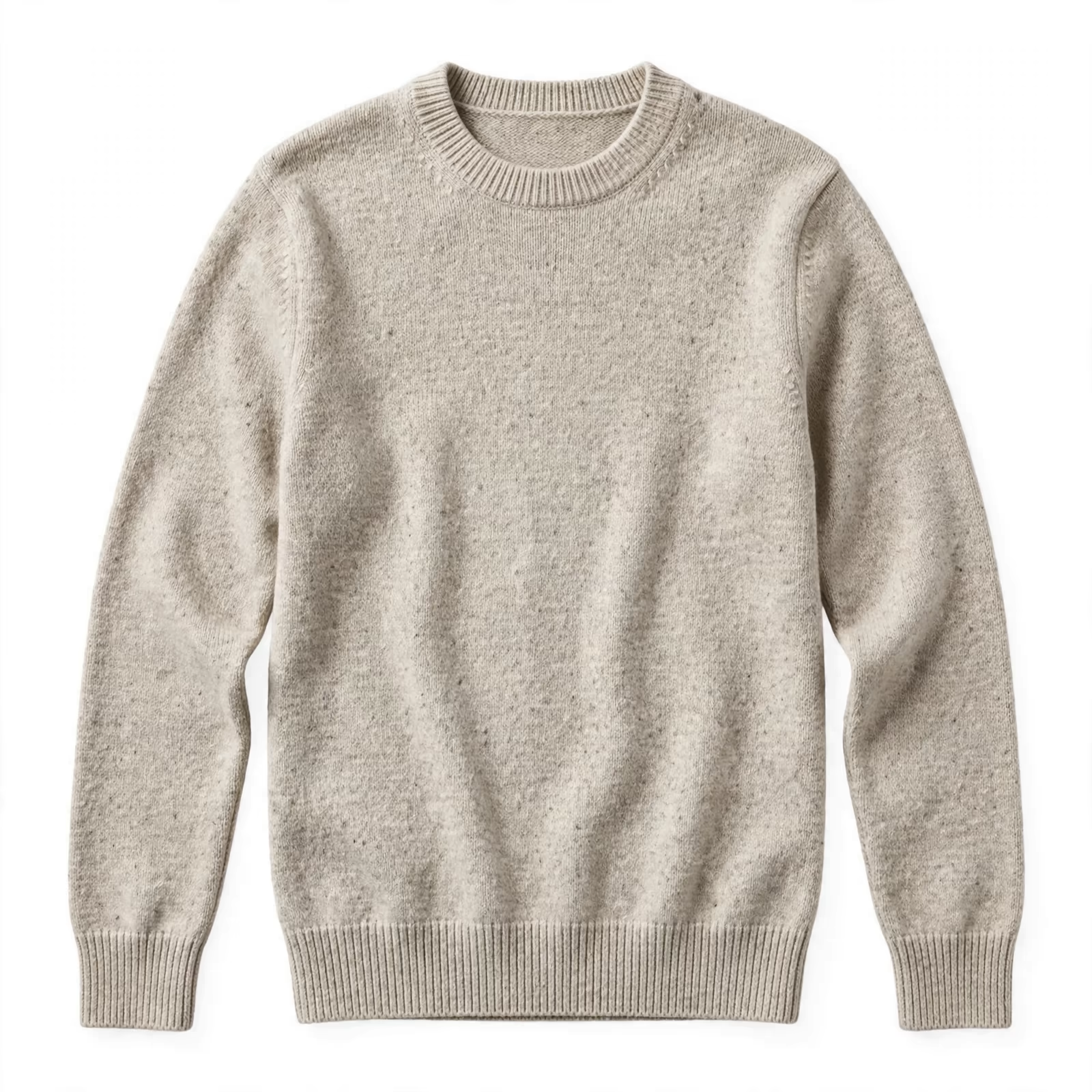
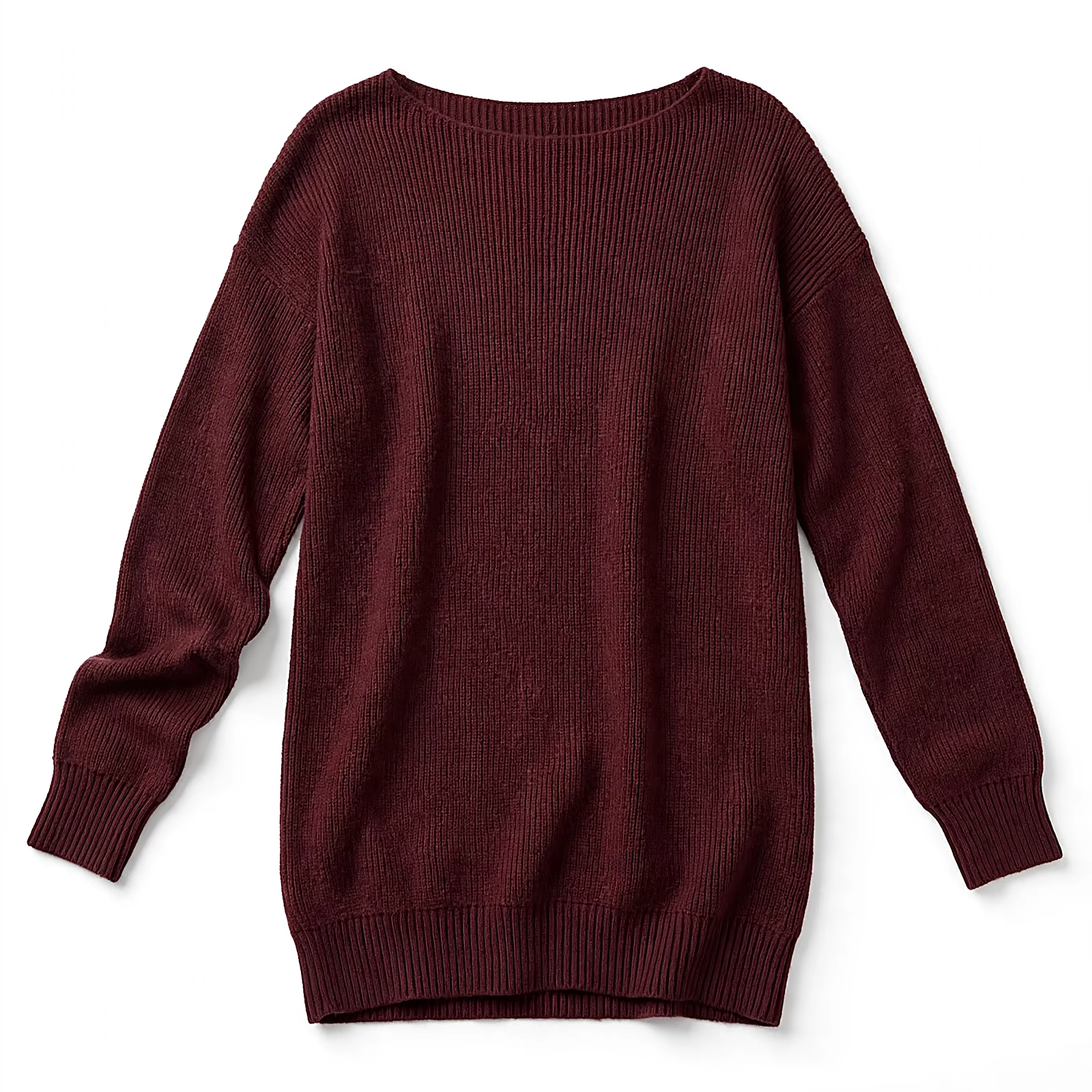
The sweater shown here anchors the knit side: oatmeal heather yarn, a ribbed crew collar, long sleeves with ribbed cuffs and a ribbed bottom band, its composition stated exactly as knitted.
Oatmeal heather leads the colour story shown here. Your own palette runs across the categories, each line approved as a finished garment with its documents before bulk.
Programme Anchor Lines
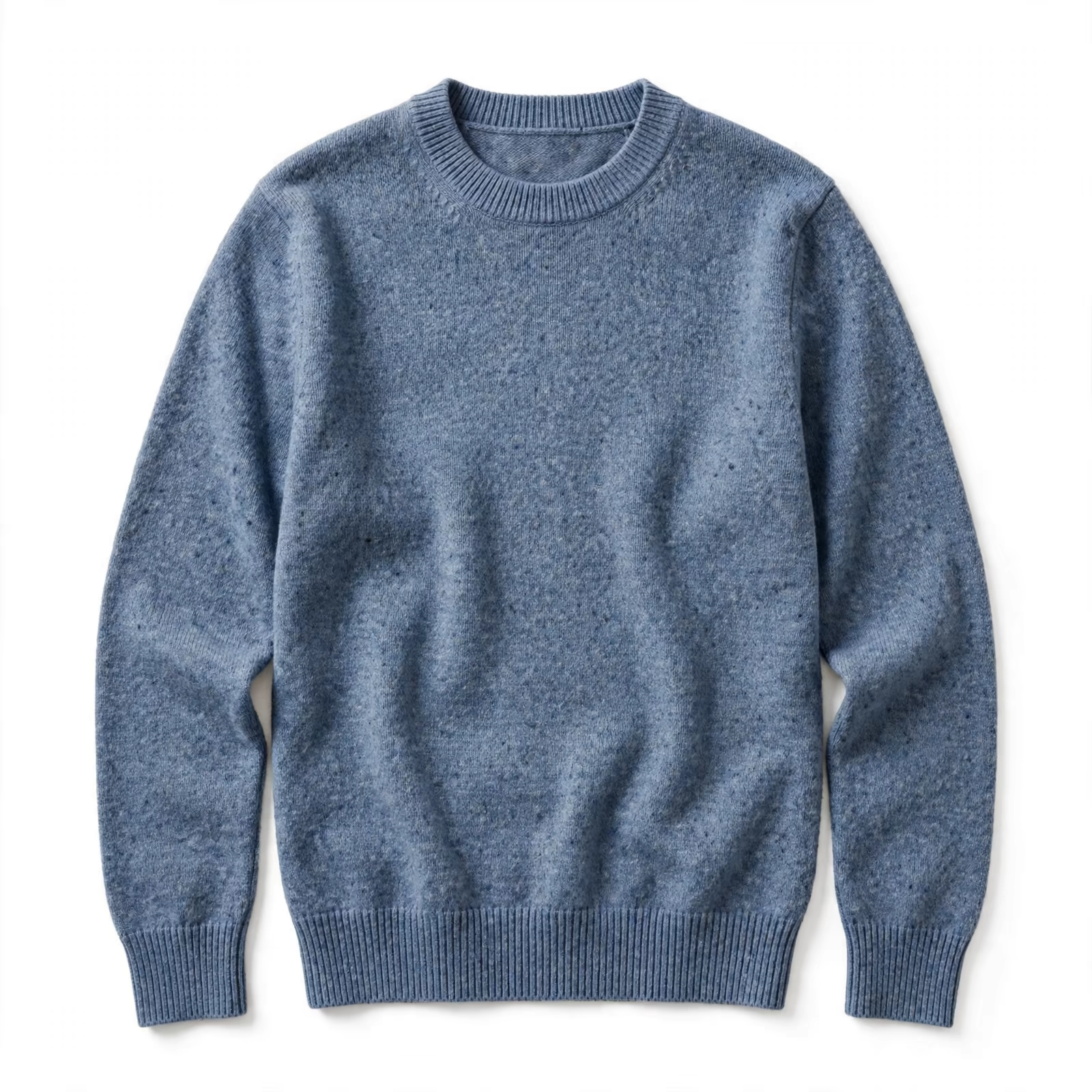
- Heather crew sweaters with exact compositions
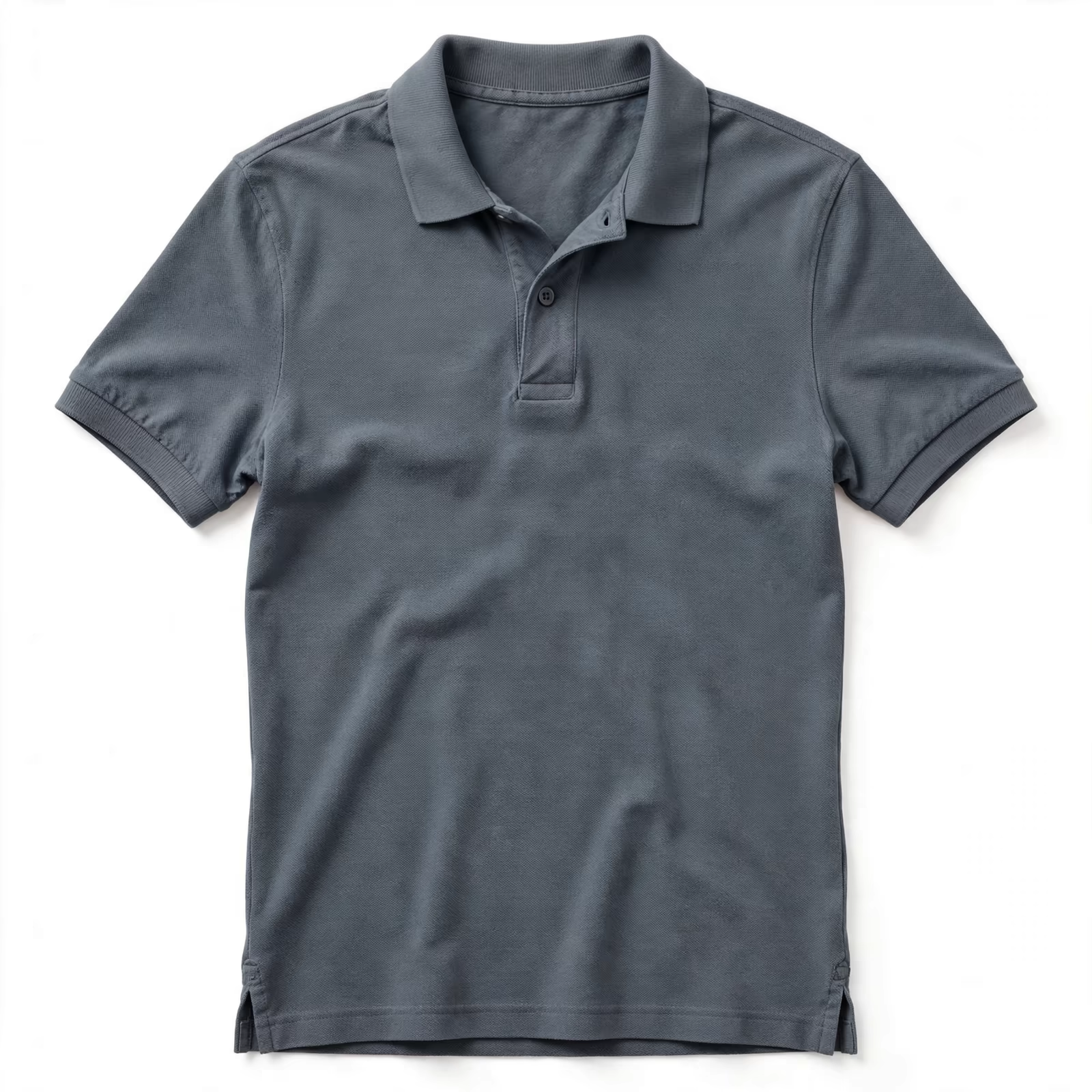
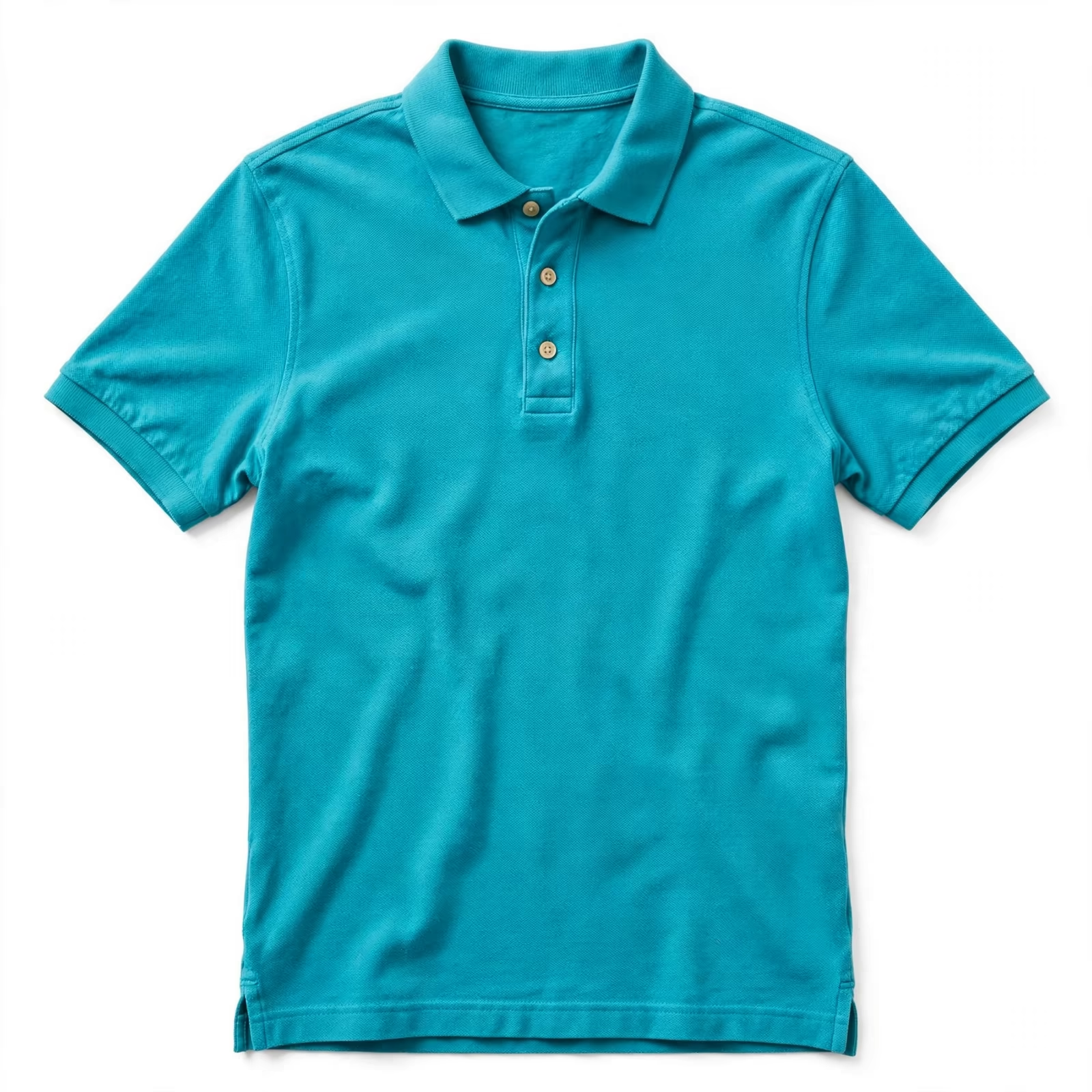
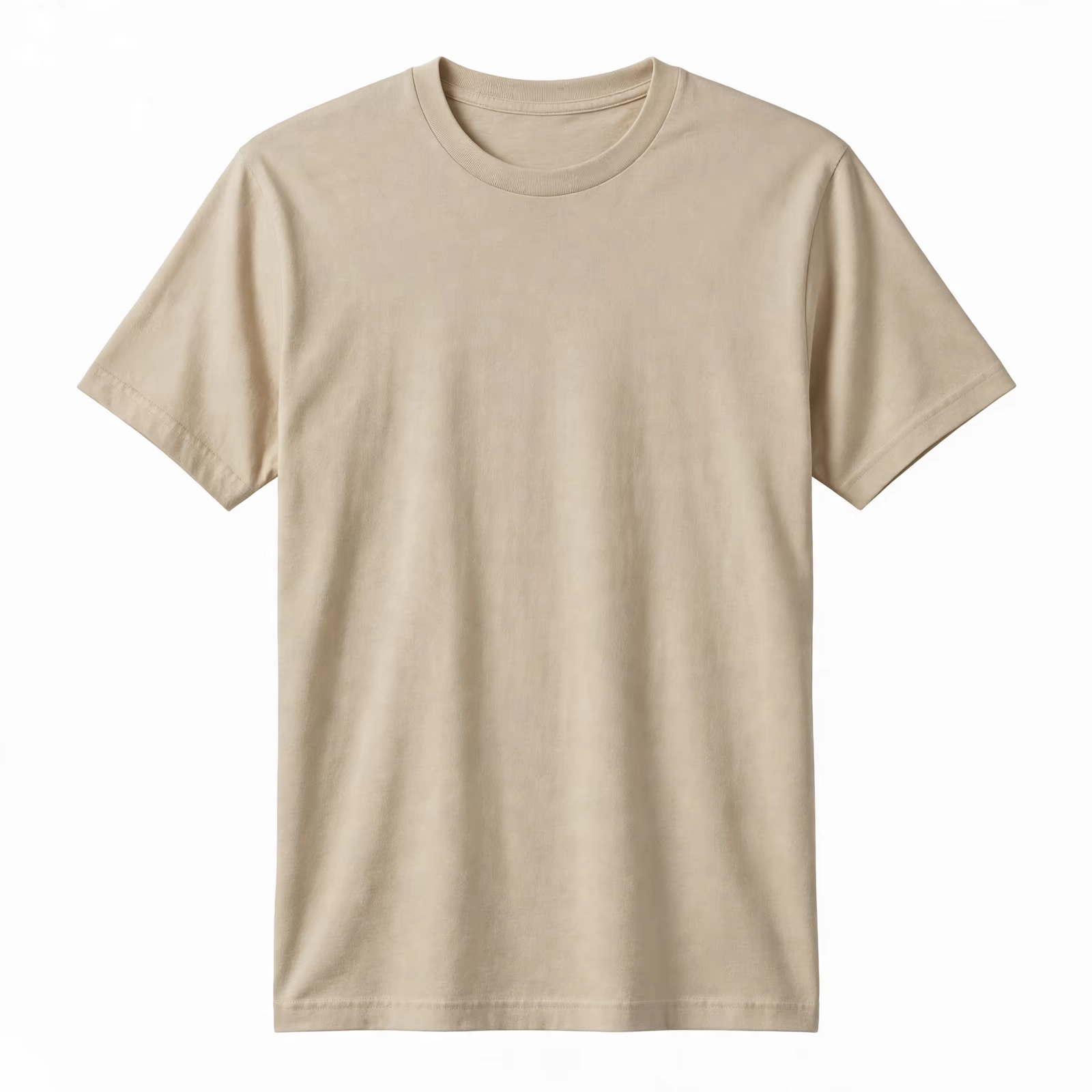
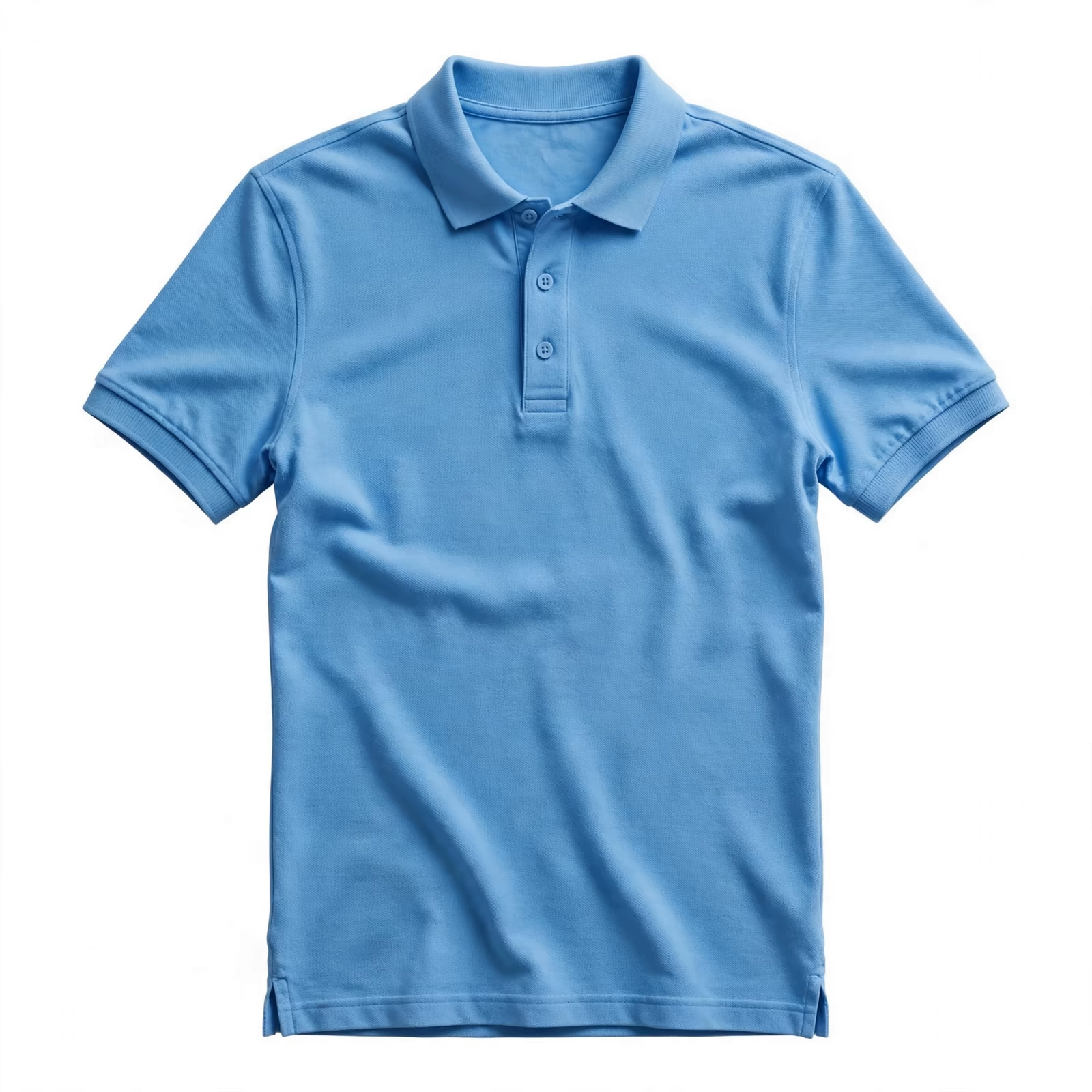
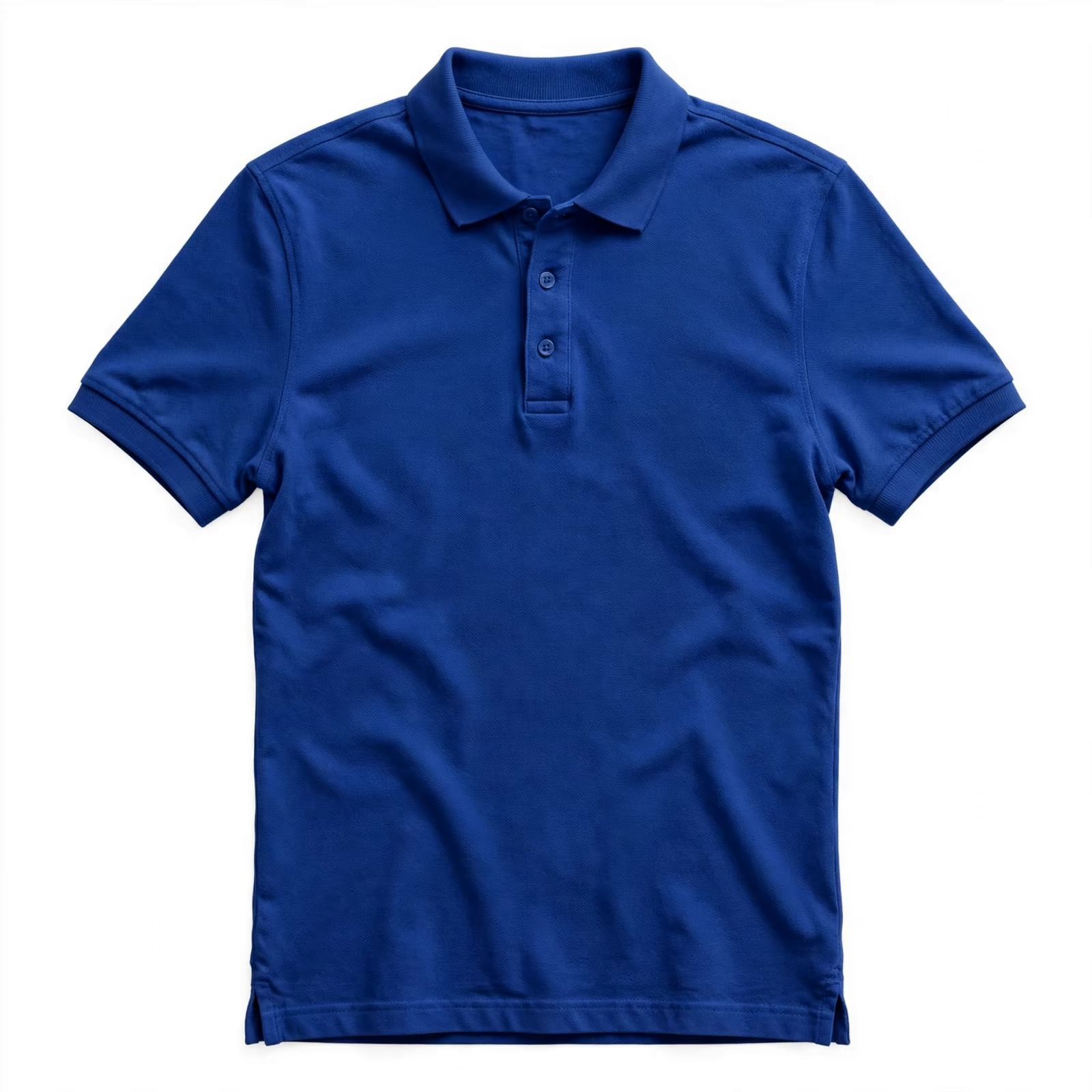
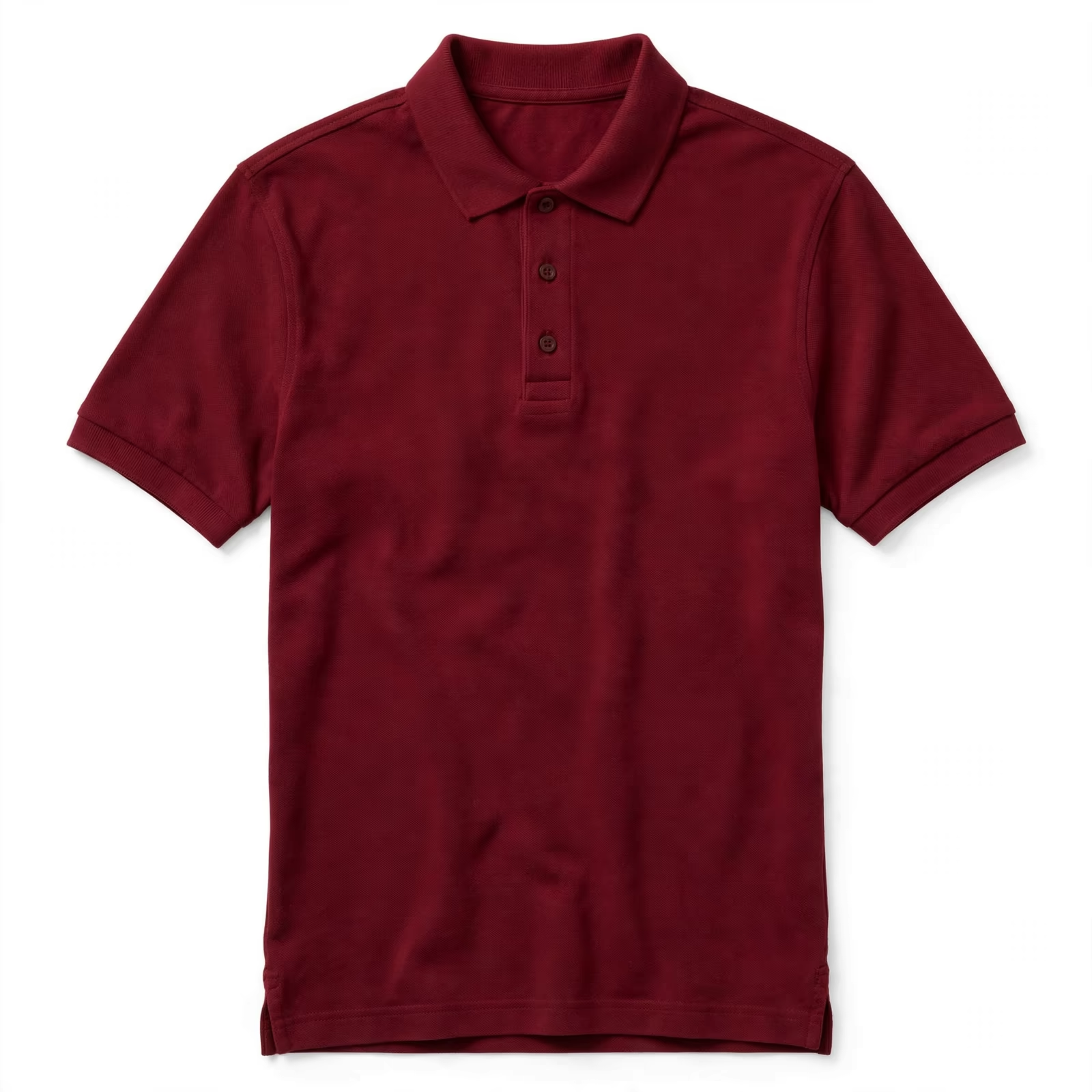
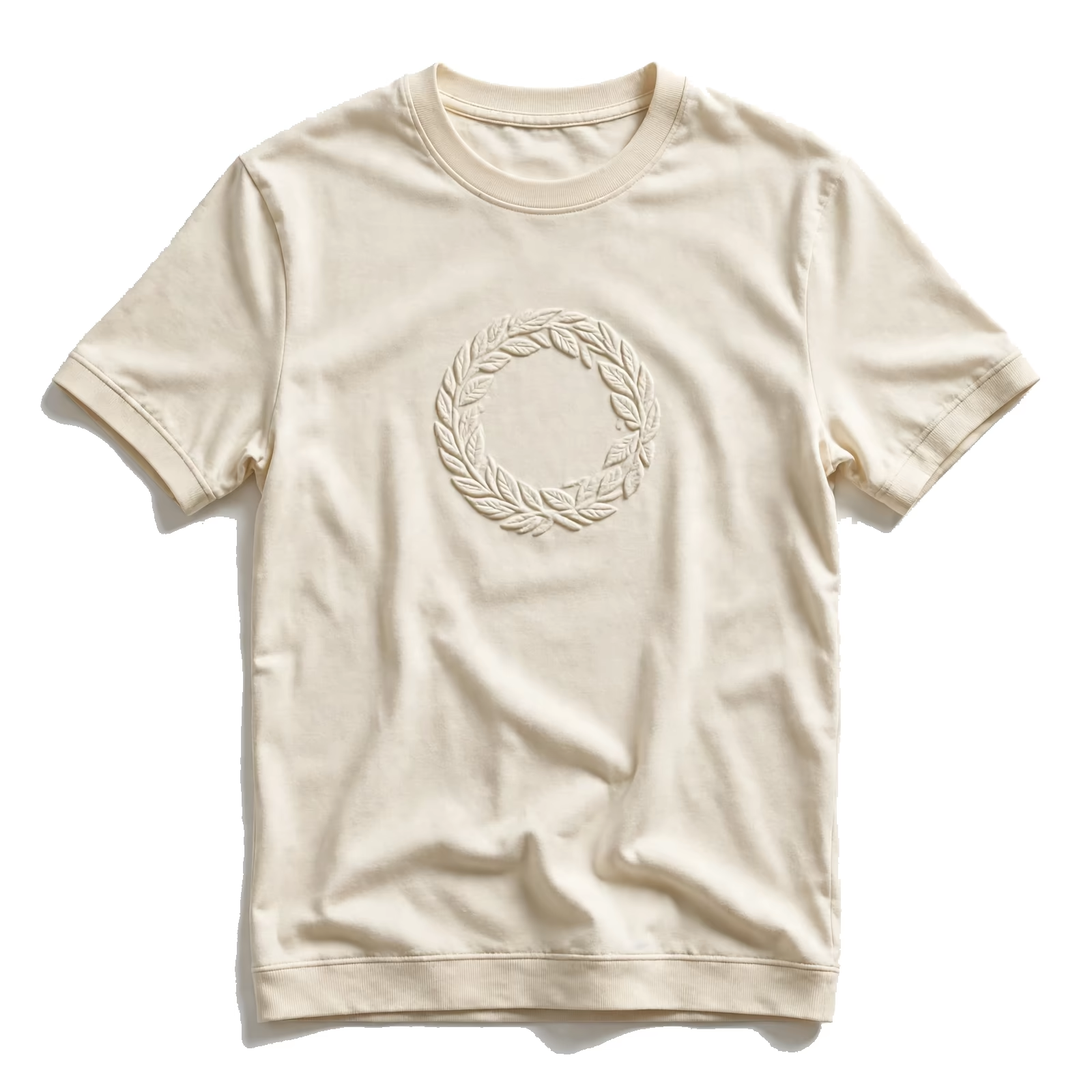
- Jersey and pique tops on shared size rules
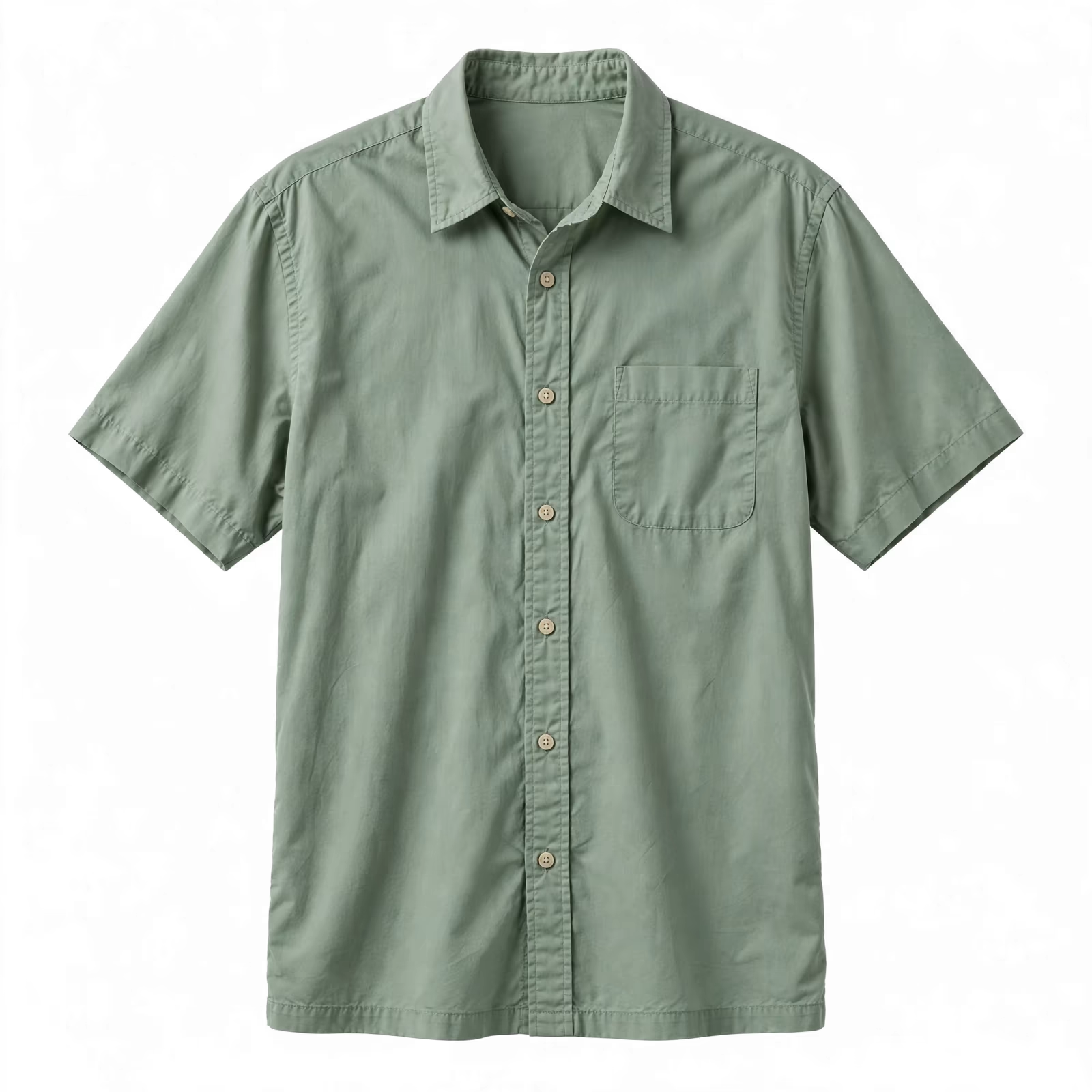
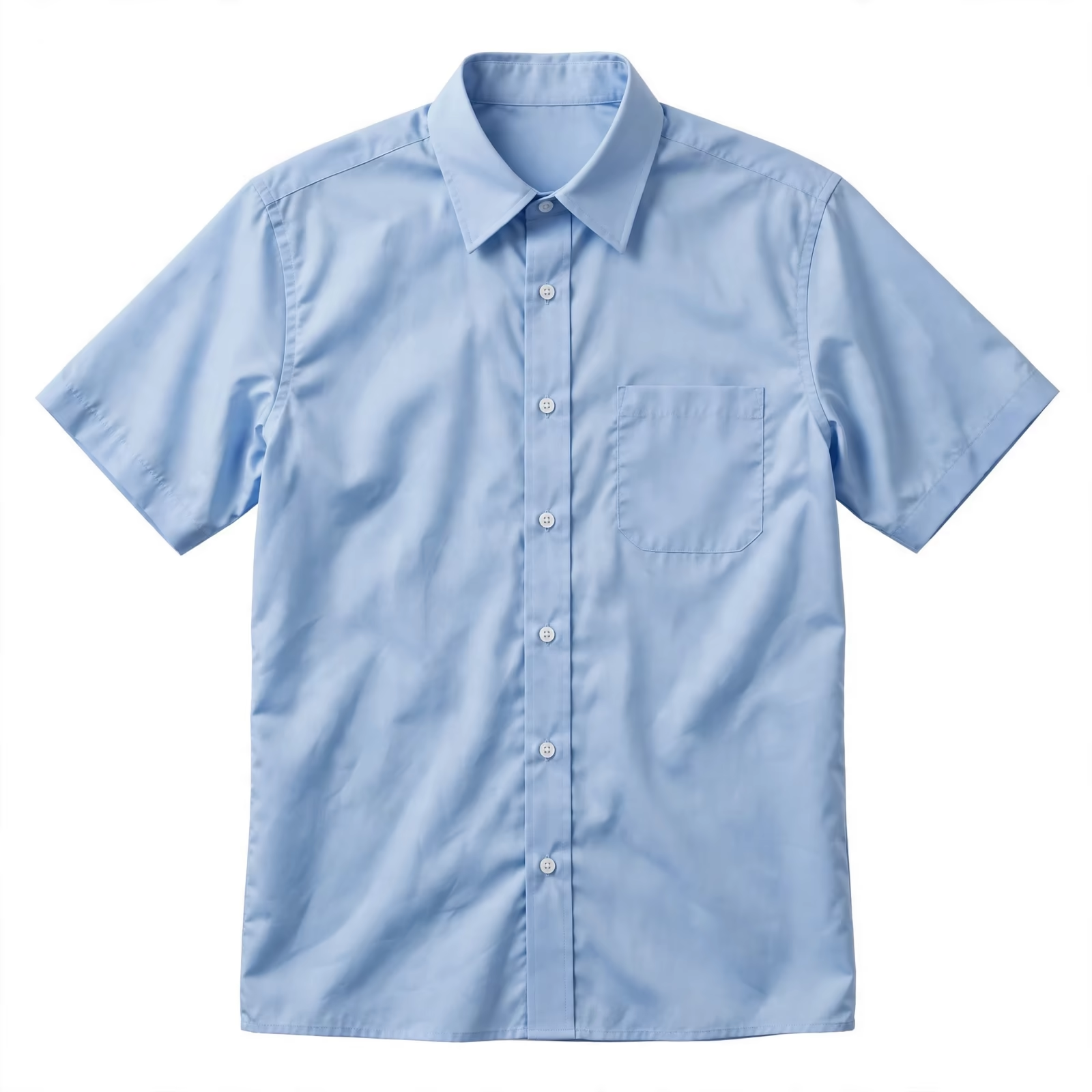
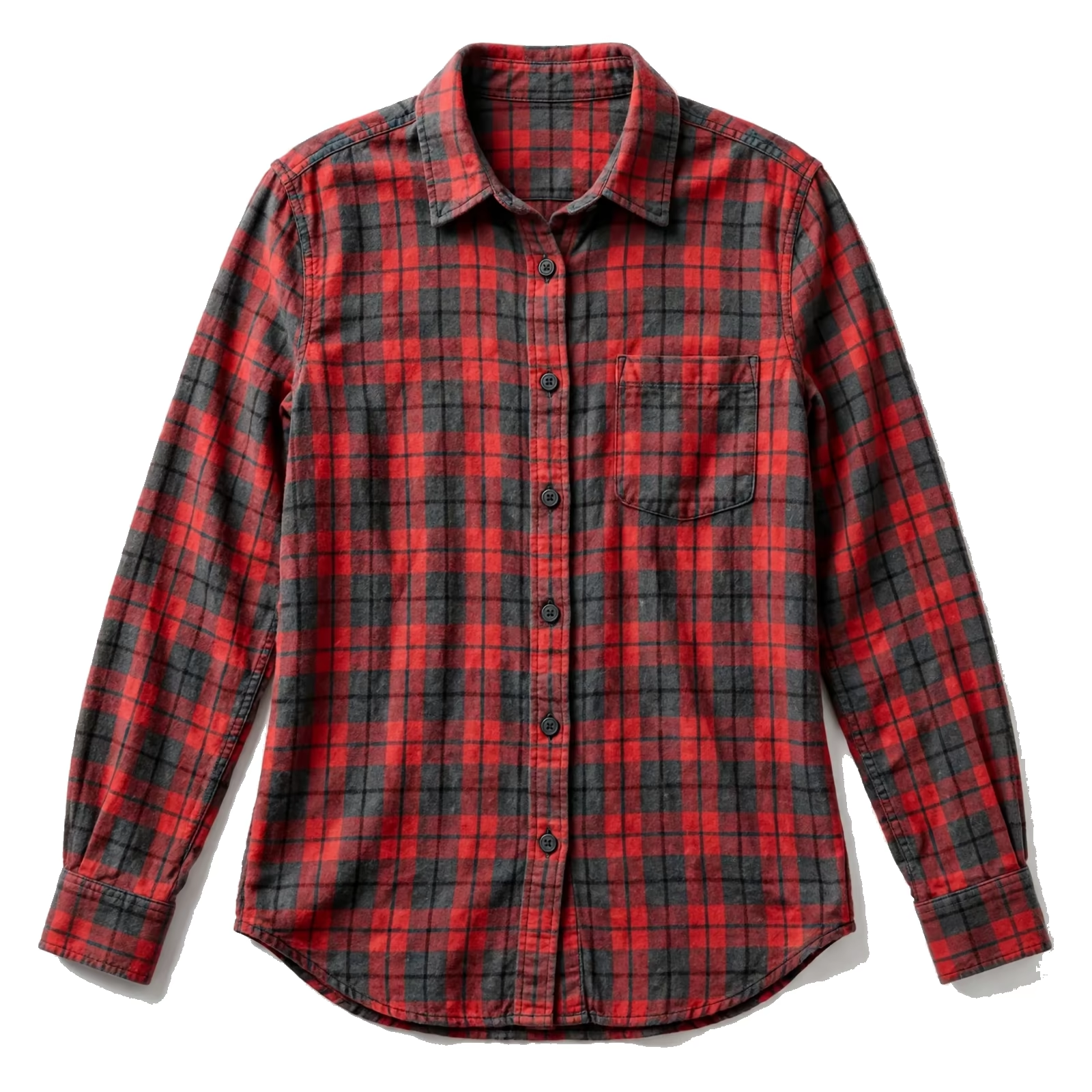
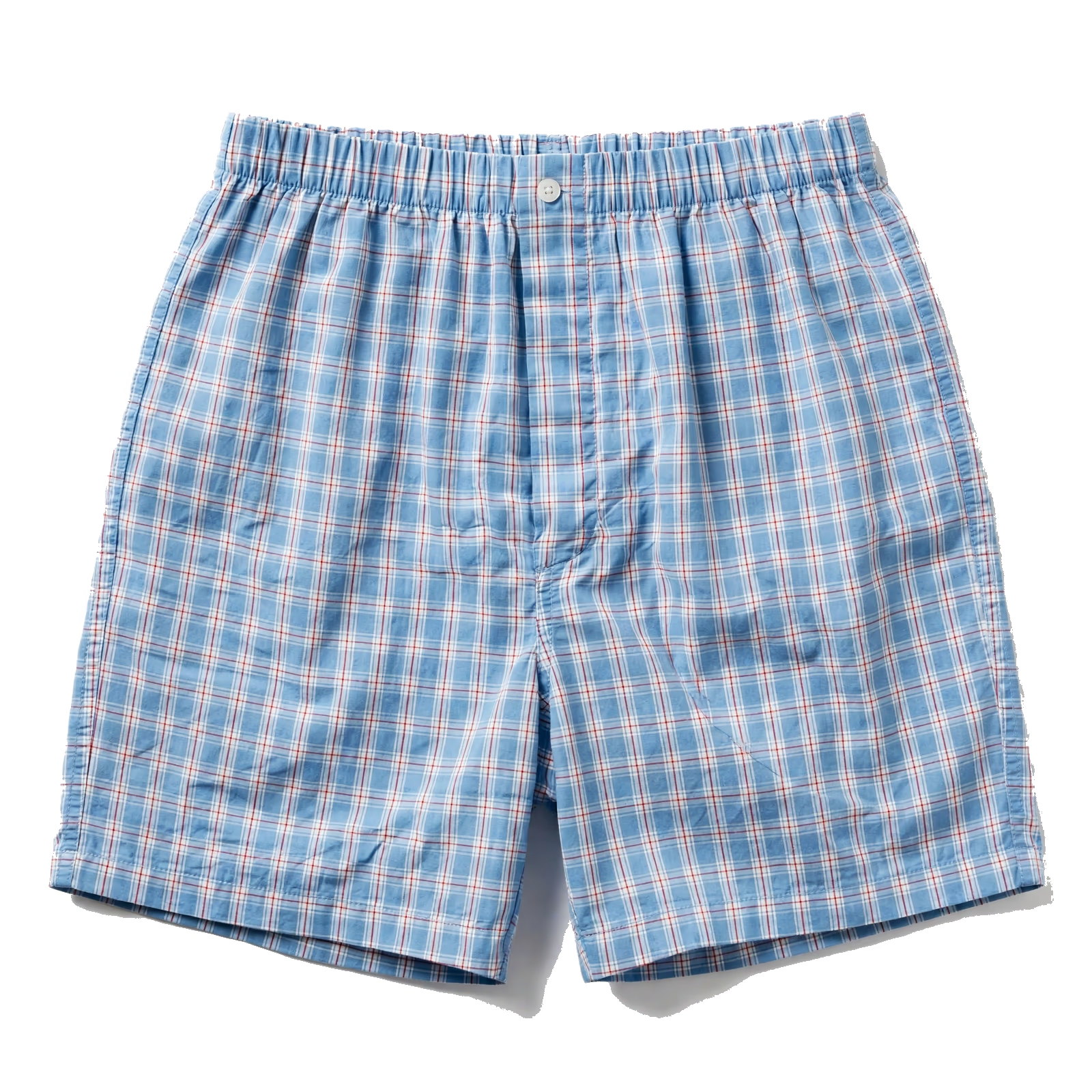
- Poplin and twill woven lines
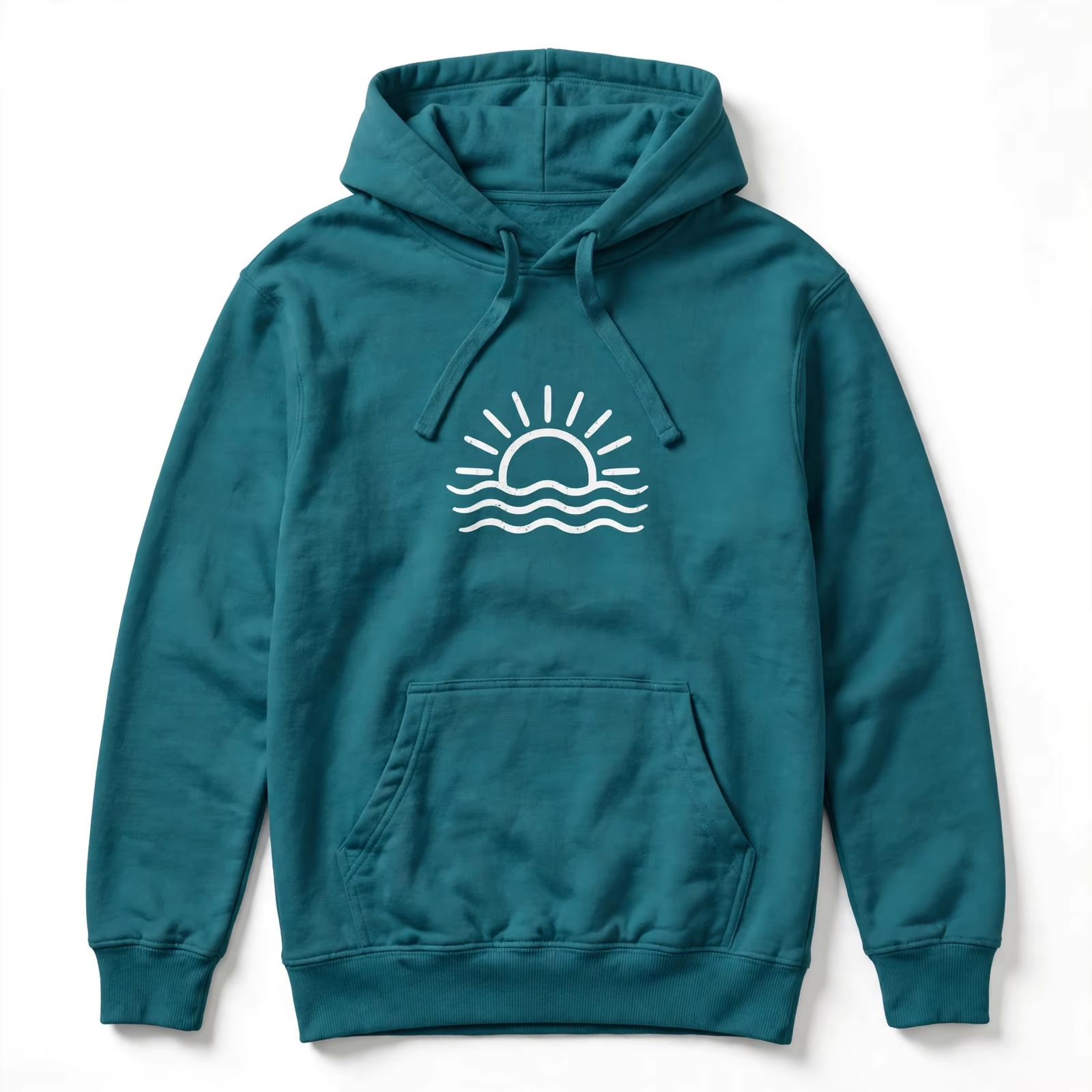
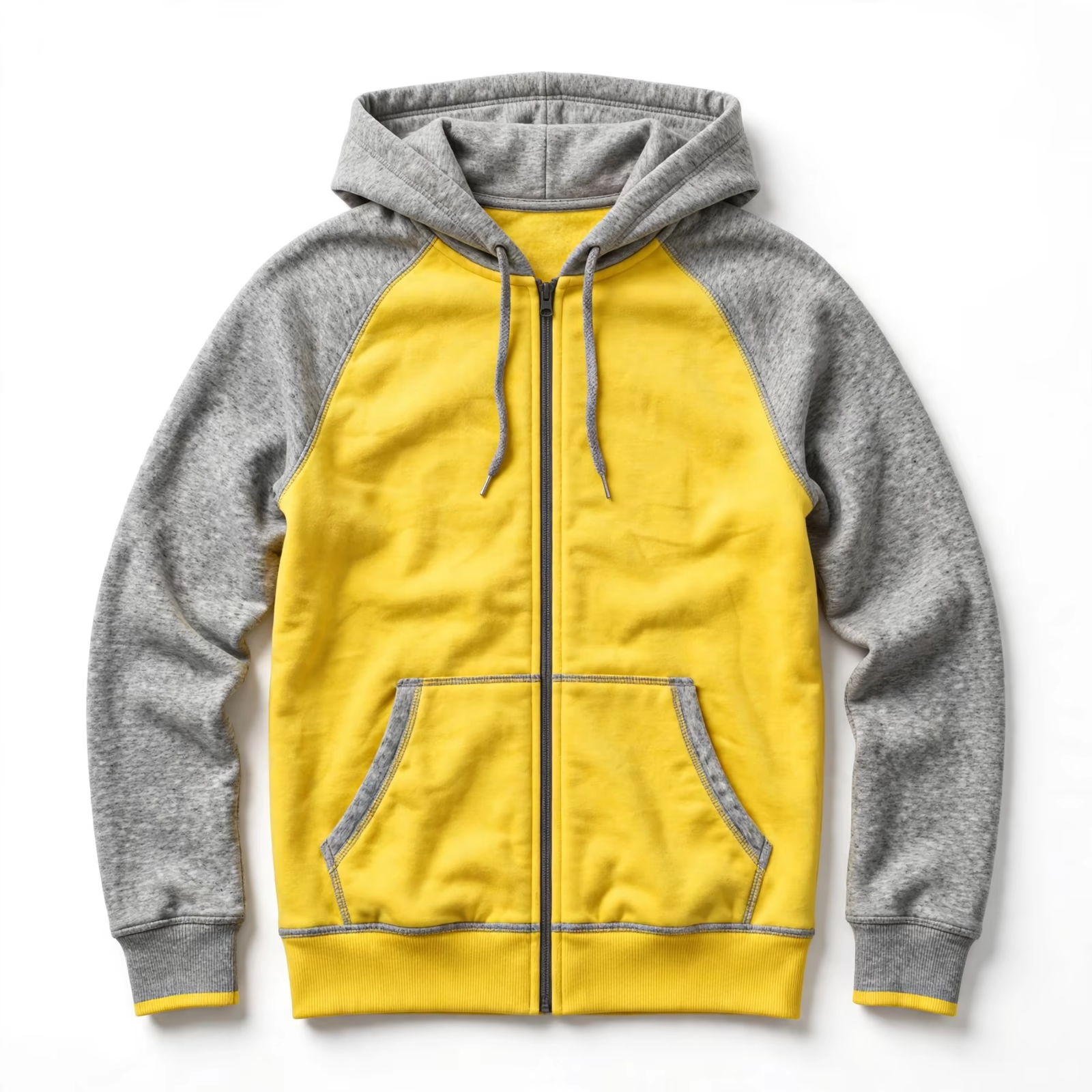
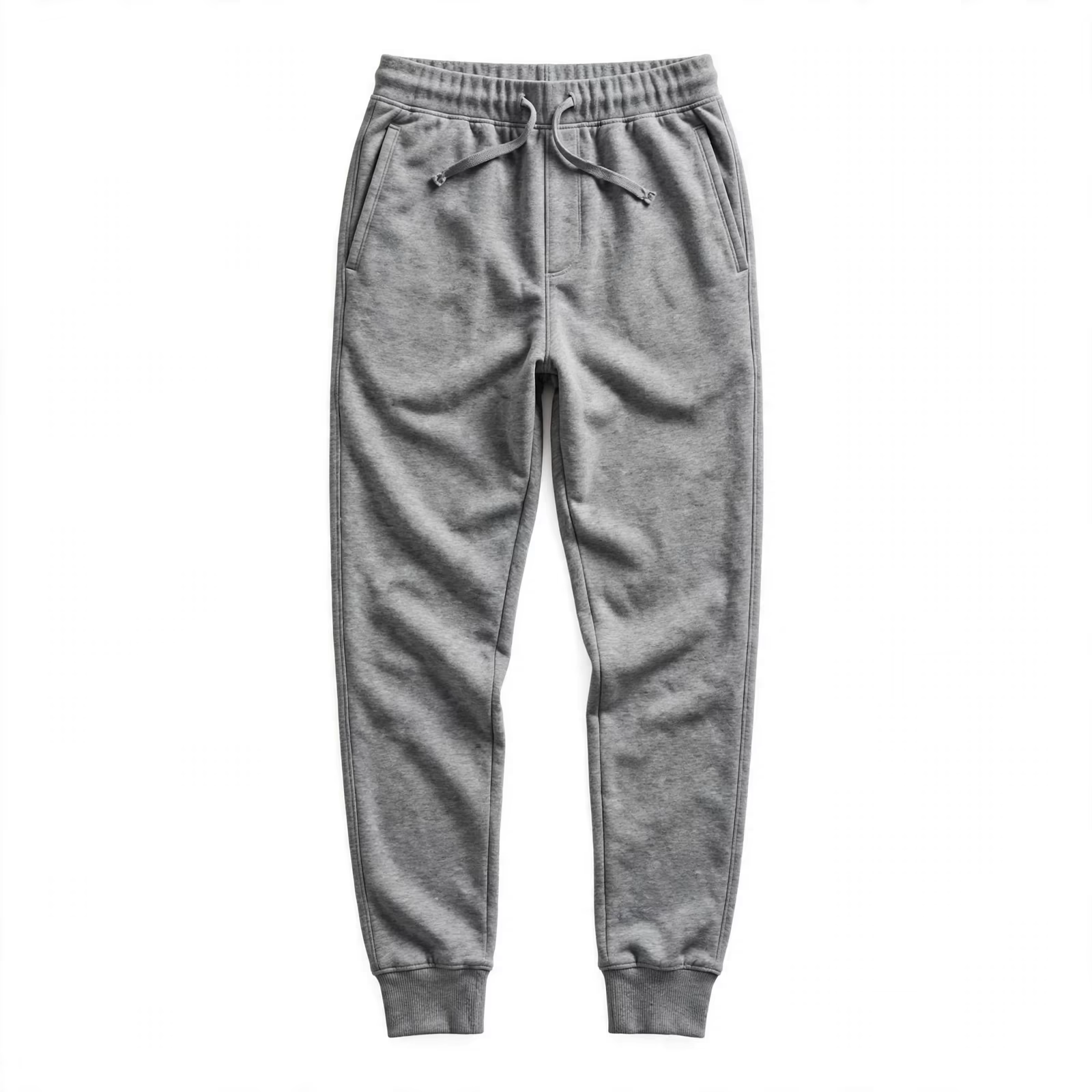
- Fleece lines with weights on record
Documentation Discipline
- Specification written before sampling
- Fibre content checked at cloth submission
- Label sets approved with the sample
- Records filed per line, per shipment
Build Checks in Production
- Cloth and shade checked before cutting
- Measurements read against the chart
- Labels sewn as the approved set
- Finished garments checked across sizes
Shipment Papers
- Counts by line, size and colour
- Carton marks matching the packing list
- Composition records travelling with the goods
- Repeat programmes start from the file
Fit Rules Across Lines
- Each category graded from its own pattern
- Knits measured after washing and resting
- Every size checked, not only the middle
- Your own charts followed where supplied
Sourcing Programmes for Lithuania Based Importers
As an apparel sourcing company in bangladesh, we build the programme around how Baltic importers actually work. Vilnius buyers distribute into EU retail, where labelling and composition rules are enforced at the shelf. The programme therefore treats the label set and the test record as part of the product, approved with the same care as the garment itself.
The buyers judge the programme differently. The compliance side reads the documents. The range buyer reads the garments. The warehouse reads the cartons. One filed standard serves all three, because the papers and the goods are checked against each other.
Every line is made to order in Bangladesh. Nothing is pulled from open stock, so the colours, the labels and the size ratios all follow your specification from yarn to carton.
How a Documented Line Runs from Specification to Shipment
A line starts with a written specification: cloth, fibre content, colours, sizes and the label set your market requires. Cloth is submitted and checked against it, a pre-production sample is made with its full labels, and both are approved together before any bulk starts.
Approving the sample and its papers as one act is how the line is settled. Your comments on fit, colour or wording are worked in first, and bulk production follows the approved sample and specification as the standing reference.
During production the line is checked at its own stages, finished garments are measured and read against their labels, and the shipment’s documents are built from the same records. The full shipment is checked before it leaves.
Fibre, Care Label and Test Checks in Bangladesh
Fibre content is controlled at the source: the yarn and cloth are ordered to the declared composition, submissions are checked against the specification, and the label is written from the verified content, never from habit. Where your programme calls for cloth testing, the results are filed with the line’s records.
Care content follows the cloth as tested: wash temperature, drying and ironing guidance written for what the garment can actually take, in the symbol and wording set your market uses. The label set is sewn exactly as approved, on every garment, in every size.
Buyers who want the certification picture can read about the OEKO-TEX system, whose product classes cover yarns, cloth and garments tested for substances harmful to skin.
| Programme | Documented apparel sourcing |
|---|---|
| Anchor line | Crew neck sweater, heather knit |
| Categories | Knitwear, knit tops, woven lines, fleece |
| Anchor colour | Oatmeal heather |
| Standards | Specification and label set per line |
| Records | Filed per line and per shipment |
| Sizes | Core S to XXL per line |
| Custom options | Labels, care content, colours, packing |
Documentation Points That Keep an EU Programme Clean
Four points keep a programme clean. The specification precedes the sample. The label is written from verified cloth content. The approved label set is sewn without substitution. And the shipment papers are built from the production records, so counts, compositions and carton marks agree with the goods inside.
Change control is the fifth point. When a line changes, cloth, colour or label, the specification and the file change with it, dated, so the record never describes a garment that no longer exists.
Our quality assurance page sets out how these checks run through production and packing, from the first sample to the sealed carton.
Categories, Sizes and Packing from Your Sourcing Company in Bangladesh
The core categories are knitwear, jersey and pique tops, woven shirts and trousers, and fleece, each on its own specification with shared programme rules where lines allow. Sizes follow your charts, with a core S to XXL run on tops as the shared base.
Oatmeal heather anchors the palette shown here. Your own colours are matched per line as finished garments, approved with each line’s documents before bulk, and held on file for the repeat.
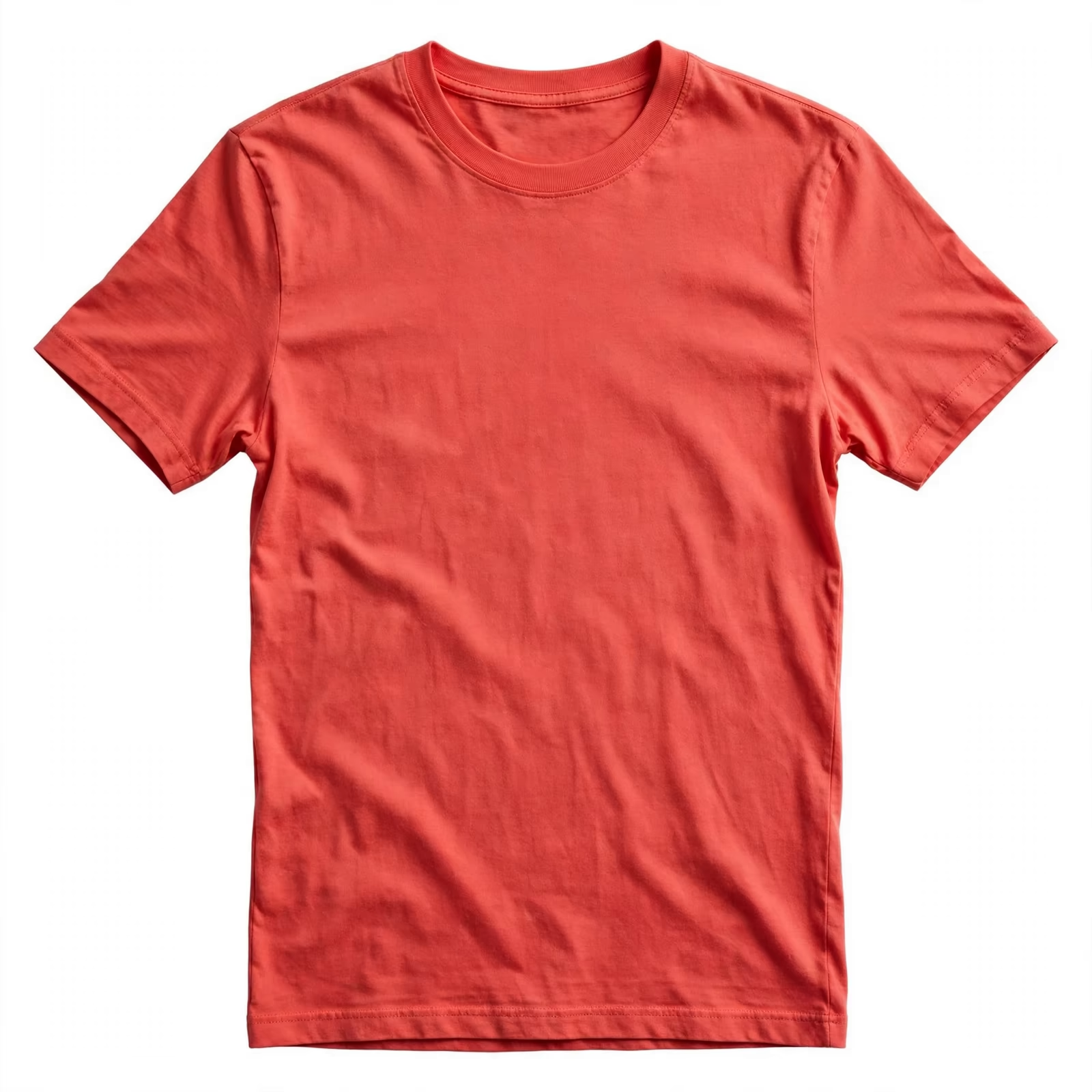
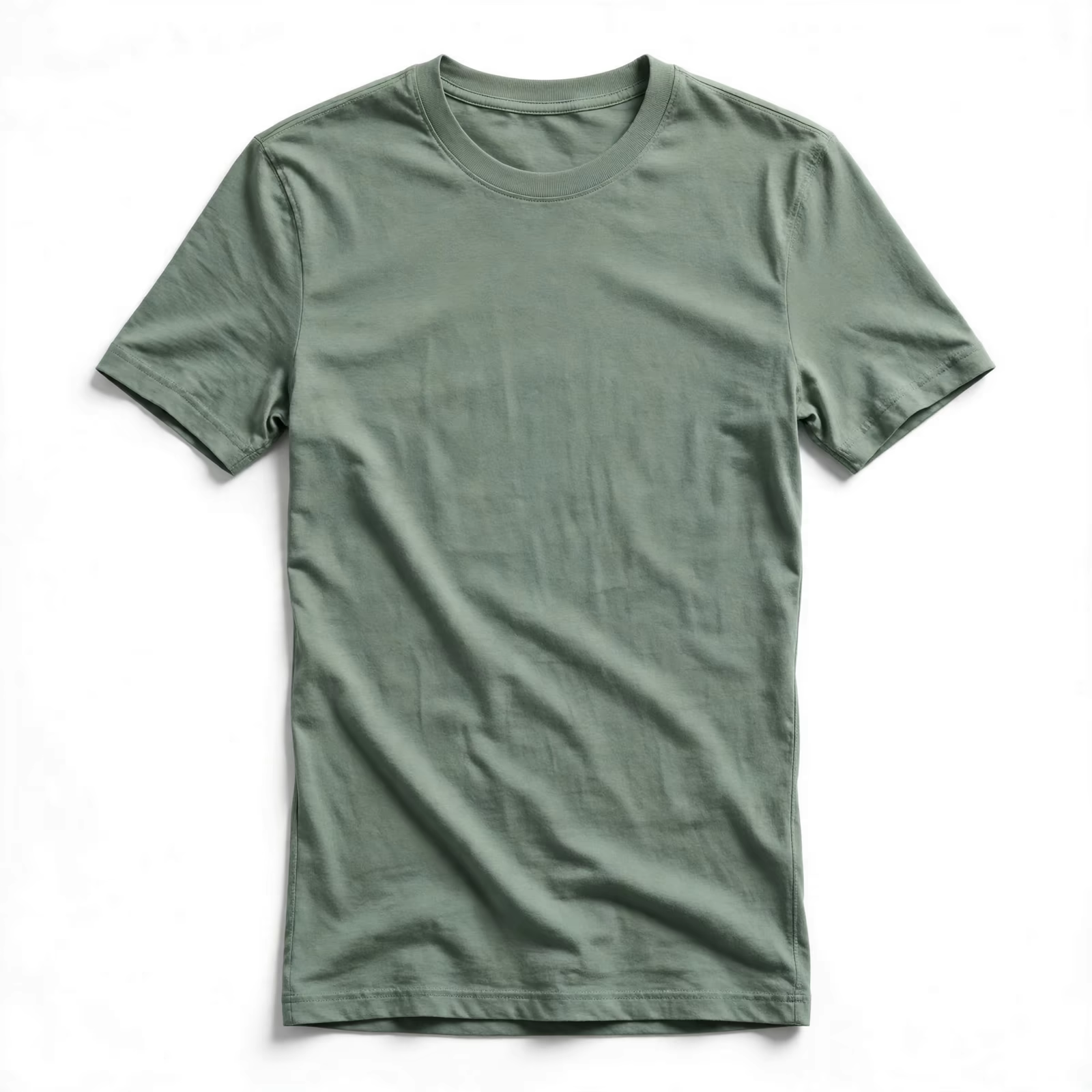
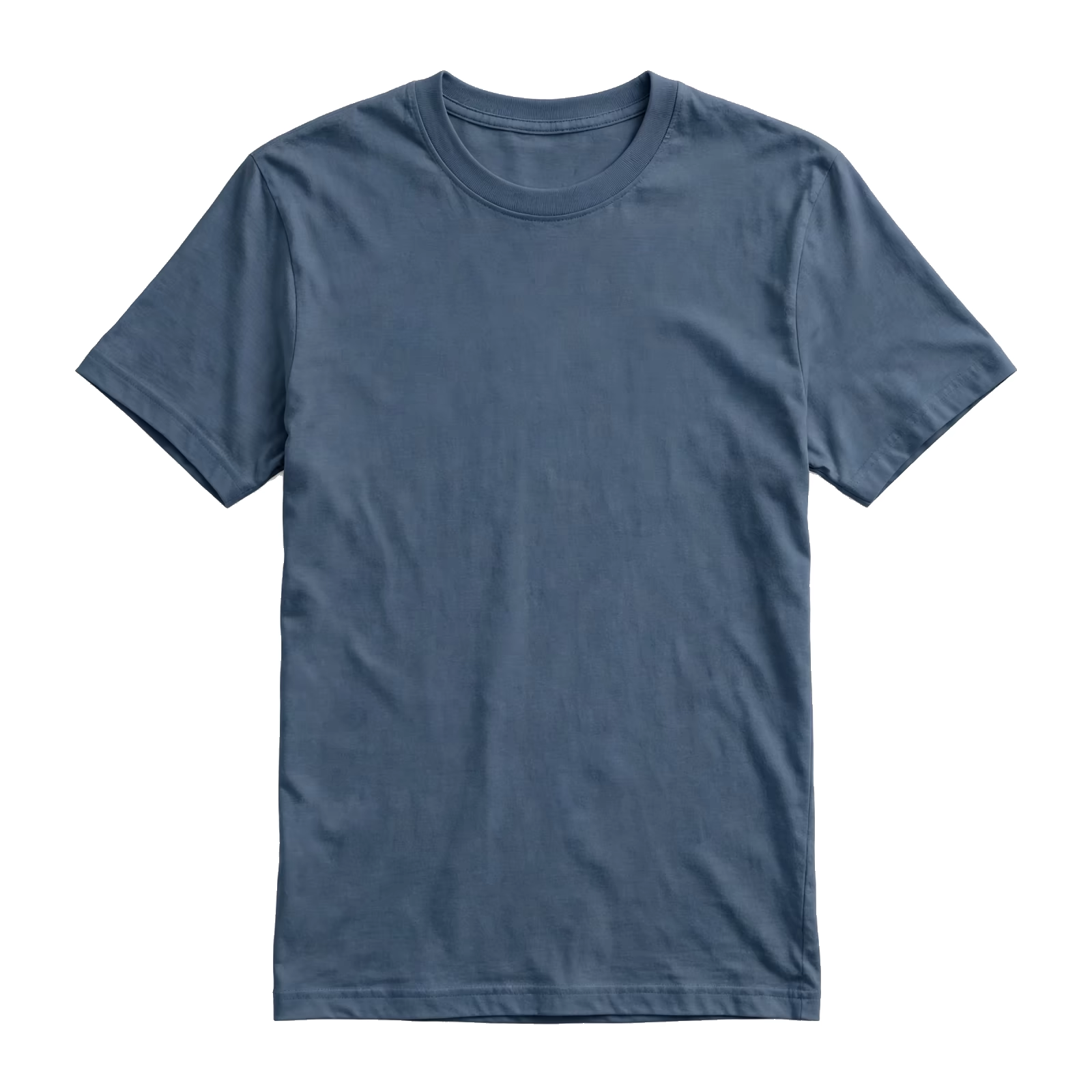
Packing follows one plan: garments folded and bagged per line to the same standard, cartons marked by line, size and colour, matching the packing list exactly. Importers building the layering side deeper often work through our t-shirt manufacturer in Bangladesh line.
Your Own Labels and Care Content Across a Sourced Range
Your woven brand label is sewn into every line, with the size and fibre and care content your market requires set beside it in the same label system. The wording is approved as artwork and as sewn samples, so what is filed is what is worn.
Polybag print, hang tags and outer carton marks carry your artwork across all lines. The full label and packing set is approved with each line’s pre-production sample, so nothing is improvised later in the run.
As an apparel sourcing company in bangladesh we hold your specifications, label sets and records on file, so the repeat programme matches the first lines your buyers received, on the rail and on paper.
Where We Ship Your Documented Order
Lithuania leads this programme’s shipments, and documented ranges from this company also ship regularly to Latvia, Estonia, Poland, Germany and Sweden. Packing and papers are built to each importer’s EU distribution system.
Lithuania
Lithuanian importers set specifications and label sets first, then approve line samples with their documents. Shipments are packed by line for Vilnius distribution.
Latvia
Latvian buyers take documented ranges in full size runs, with compositions filed per line. The programme record is kept for seasonal repeats.
Estonia
Estonian importers run smaller exact programmes, judging the company on paper accuracy as much as garment quality. Samples and label sets lead each approval.
Poland
Polish buyers source private label ranges with full care content in their own language sets, checked as sewn samples. Shade and size standards are held across the programme.
Germany
German importers set exact documentation standards and plan seasons ahead, with records filed per shipment. The full programme ships against one date plan.
Sweden
Swedish buyers take documented knit and woven ranges with plain specifications and long repeat cycles. The build and paper record is kept so the next range starts from proof.
Quality Checks Before Your Documented Order Leaves Bangladesh
Checks run at three points per line: the sample and its label set against the specification, inline cloth, measurement and label checks while production runs, and a final check of finished garments, cartons and documents before the shipment leaves. The papers are read against the goods, not merely compiled.
The label check is the one that matters most on an EU programme: finished garments are read label by label against the approved set, so a wrong composition or care line is caught at the factory, not at a retail audit.
Finished cartons are checked against the order before the shipment leaves: counts by line, size and colour, pack formats and carton marks all read against your packing plan and list.
Why EU Importers Source Apparel in Bangladesh
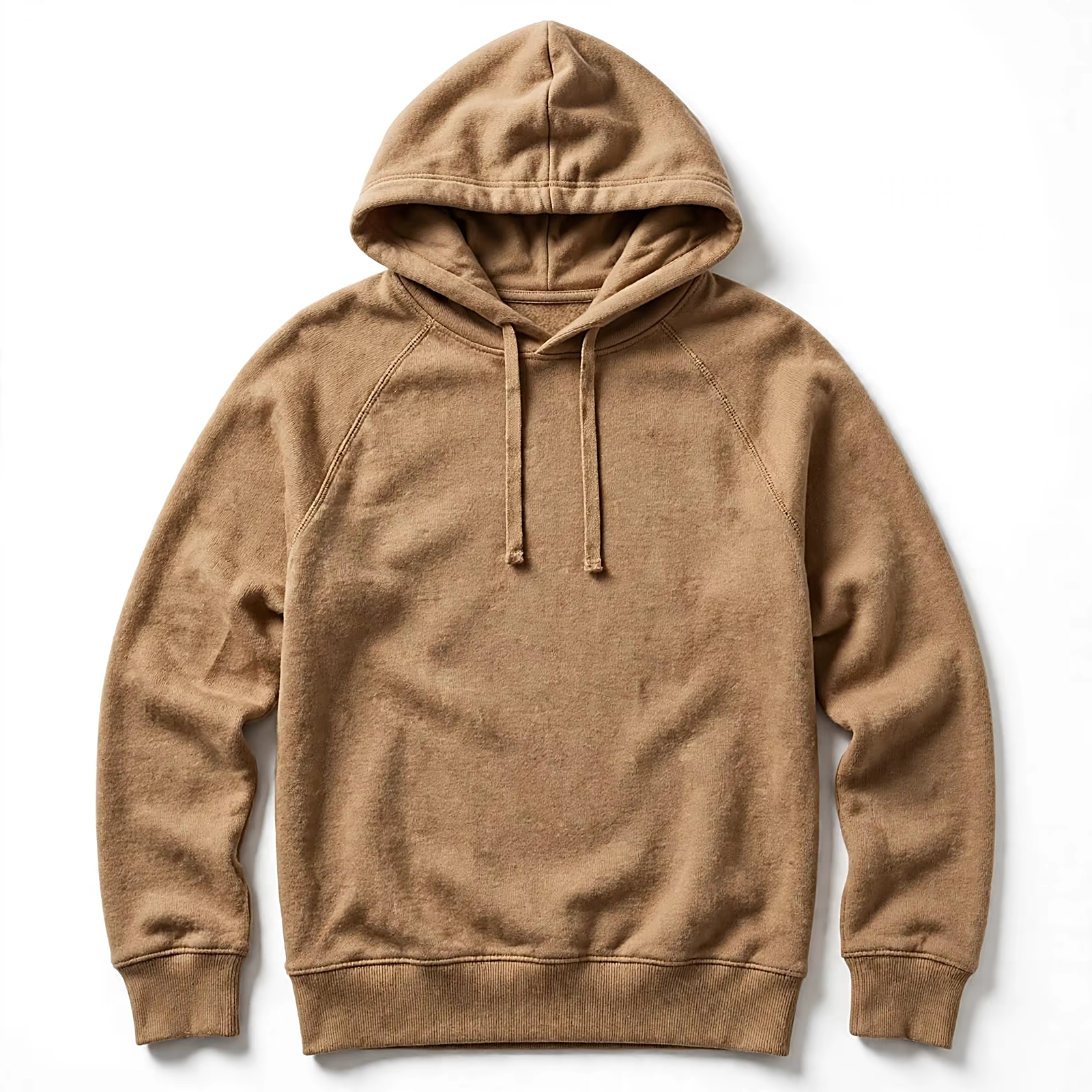
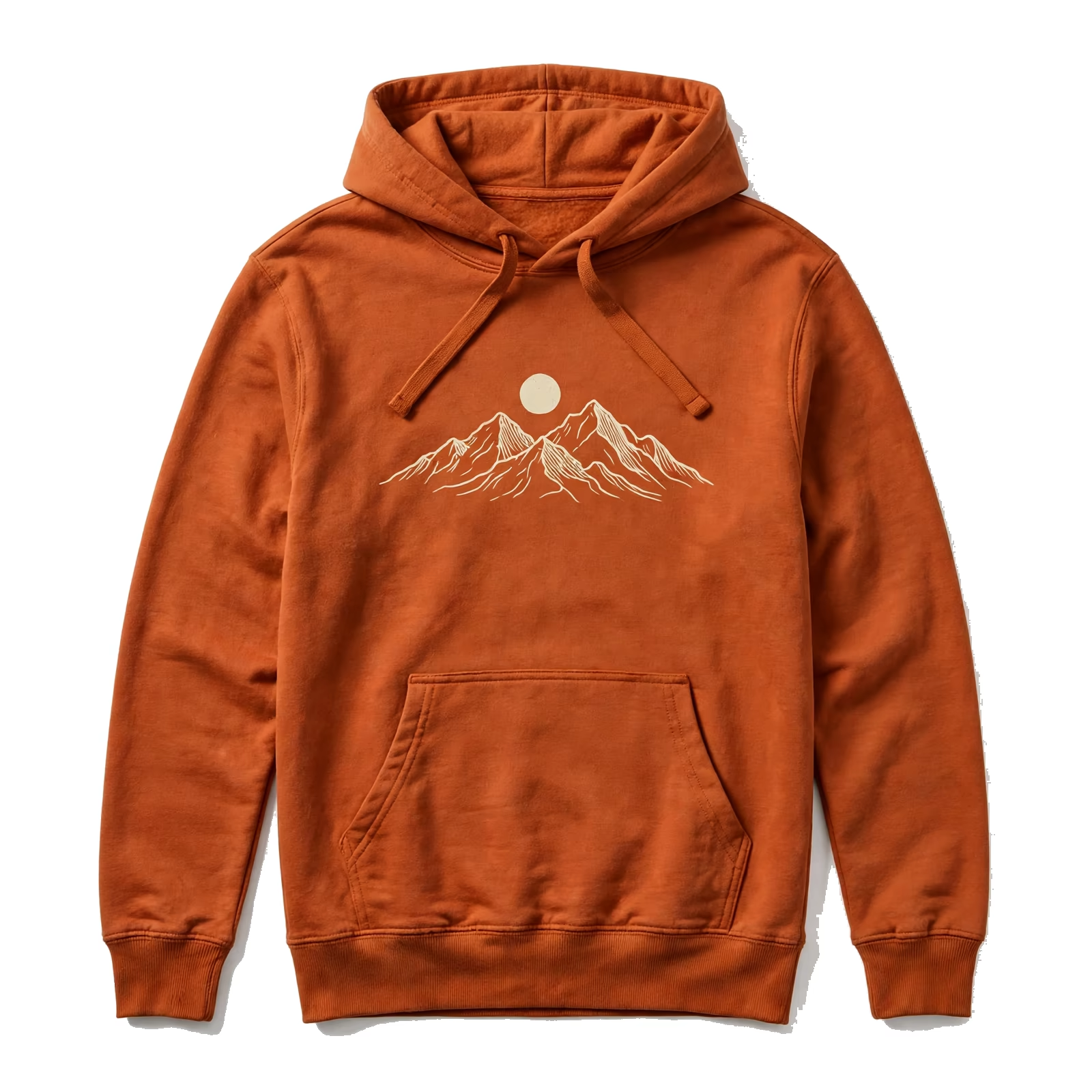
A documented programme rewards a base that makes every category every week and writes its specifications down. Bangladesh gives EU importers that depth across knit and woven production at a fair cost base, with the record keeping a regulated market needs. Programmes often add warm lines through our hoodies manufacturer Bangladesh line.
Working with a Bangladesh apparel sourcing office that keeps your specifications, label sets and checks on record means every repeat is verified against the first approved samples and files, not rebuilt from memory.
Siatex keeps the whole programme in one office, from specification to the final sealed carton and its papers, so questions are answered by the team that built the lines. That single line of responsibility is what long term sourcing programmes are built on.
Care and Repeat Life of a Documented Programme
A documented programme earns its place by repeating cleanly: the same measurements, the same compositions and the same care content each season, because the file describes the goods exactly and the goods are checked against the file. Care wording stays honest because it is written from the cloth as tested.
Because the specifications, patterns and label sets are recorded for your programme, a repeat order matches the stock your stores already hold, in the garment and in its papers. New lines added later join the programme at the same standard.
Buyers who also source plain lines for the same stores can take them from our blank t-shirt manufacturer Bangladesh line inside the same documented programme. One office across the range keeps your sourcing simple.
Frequently Asked Questions
What documentation comes with each line?
The line’s specification, approved sample record, measurement results, composition and label set, and the shipment packing list built from the same records, filed per line and per shipment.
How is fibre content verified?
Yarn and cloth are ordered to the declared composition and checked at submission against the specification. The label is written from that verified content, and test results are filed where your programme calls for them.
Can care labelling follow our market’s rules?
Yes. Care symbols and wording are set to your market’s requirements and approved as sewn samples with the line’s sample, then sewn exactly as approved on every garment.
Which categories can be sourced?
Knitwear, jersey and pique tops, woven shirts and trousers, and fleece, each with its own specification, sample and label set inside one documented programme.
How do we start?
Send your line list and labelling requirements through the contact page. Approving each line’s sample and papers first is how importers settle the work of a documented order before any bulk cloth is cut.