
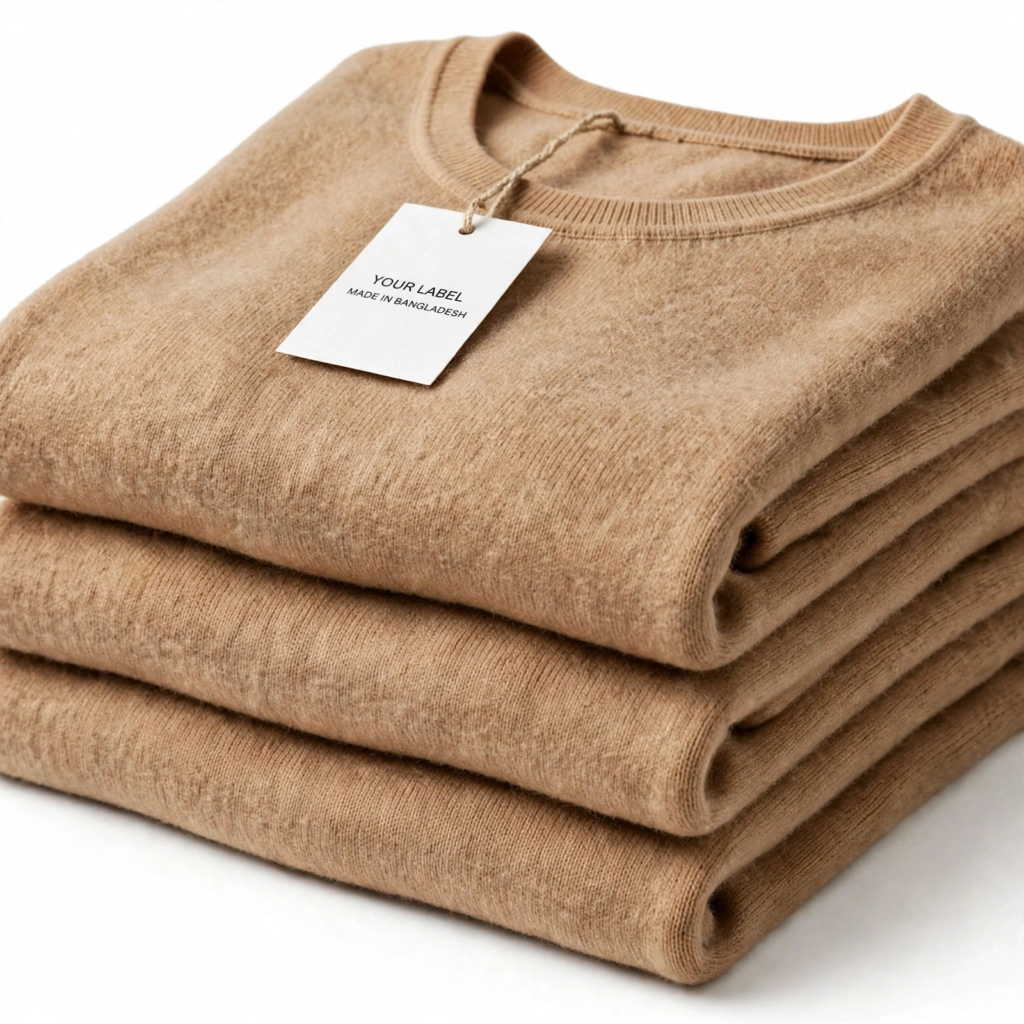
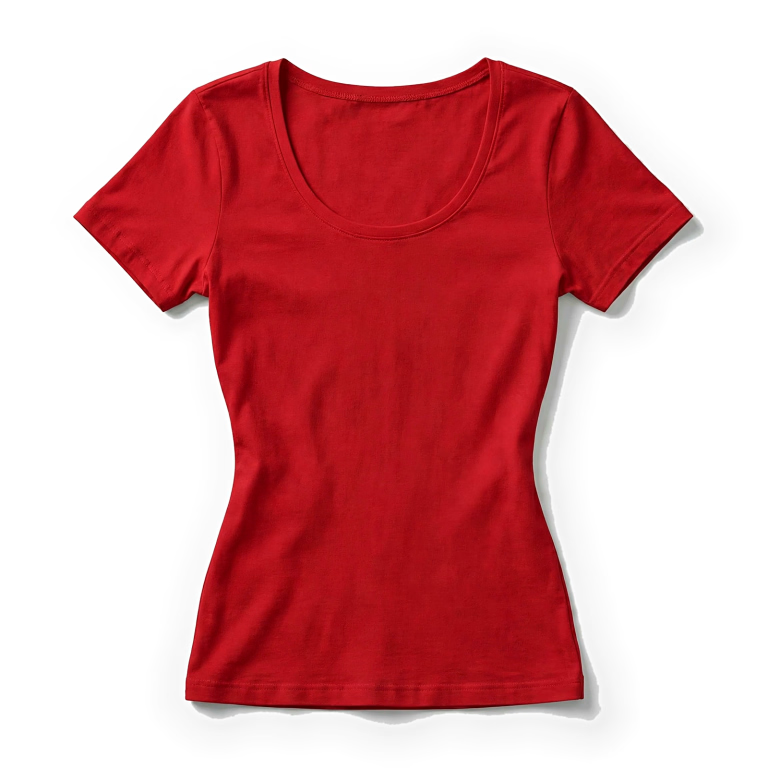
Alpaca Blouse Manufacturer in Bangladesh for Knitwear Brands and Private Label Buyers
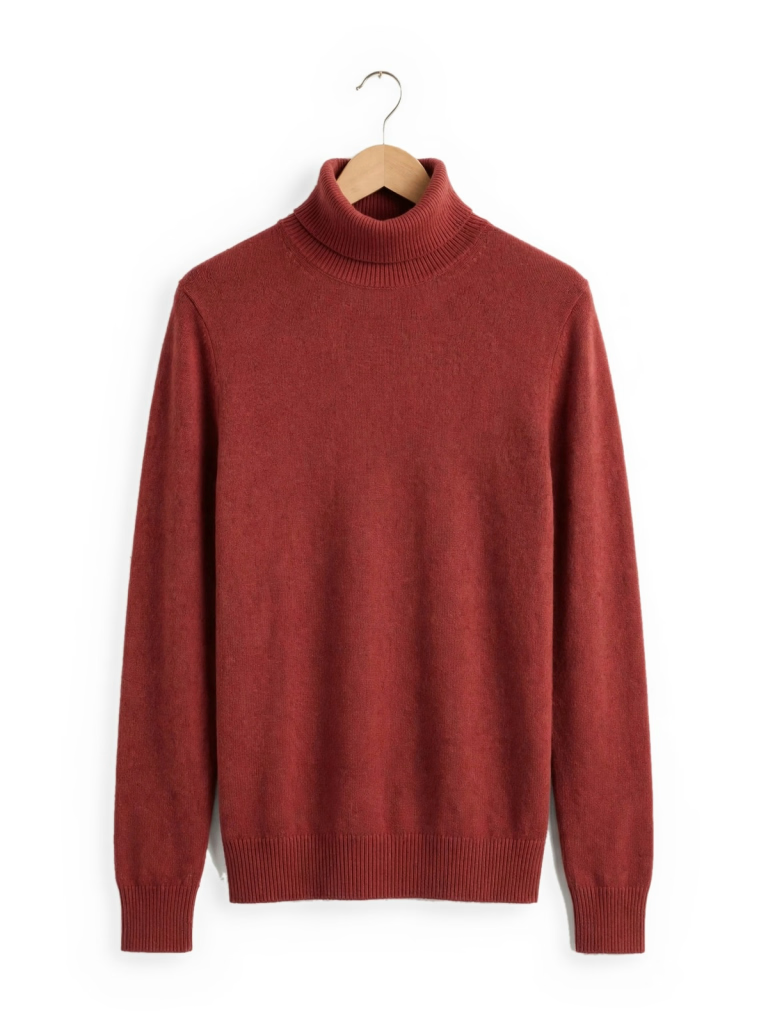
Siatex produces ladies fine-knit blouses in alpaca yarns in Bangladesh for knitwear brands, fashion labels and private label buyers buying to order. Each programme sits beside pieces such as our cashmere sweater range, so fibre stories develop together.
Nothing is knitted speculatively or sold under our own name, because each order is produced for one buyer’s label alone. The blouse your customers buy matches the approved sample in softness, shade and fit.
Alpaca Blouse Yarn Stories: Baby Alpaca, Blends, Counts and Gauges
The yarn decides how a blouse feels, drapes and wears, so fibre, blend, count and gauge are settled before a single panel is knitted. Each story is swatched and approved first, because alpaca handles dye differently from wool.
- Baby alpaca yarn for the softest hand feel
- Alpaca and wool blends for warmth with added resilience
- Alpaca and silk blends for fluid drape
- Alpaca and cotton blends for trans-seasonal stories
- Fine yarn counts for lightweight single-ply knits
- Two-ply knitting where a richer body is specified
- 14GG fine gauge for smooth, close stitch definition
- 12GG gauge for classic blouse weights
- 7GG knitting where a chunkier story is specified
- Melange and marled yarns twisted from two shades
- Yarn shades dyed to your Pantone references
- Other buyer-specified alpaca yarns to your target hand feel
Softness stories are planned carefully, because a fine alpaca yarn needs the right gauge to hold its shape; buyers develop these yarns beside our merino wool sweater range for one knitwear language.
Alpaca Blouse Sizes, Fits and Size Ranges
Accurate sizing decides whether a fine knit blouse sells through or returns, so size sets are graded from your chart. Bust, waist and length grade together, panels are blocked and measured after washing, and sleeve length is set per size so the silhouette stays constant.
Buyers selling into Spain send one base size with fit notes, then ask us to grade the set. Fit samples are checked before knitting, so the blouse your Spanish customers try matches your size guide.
Alpaca Blouse Knitting Craft: Stitch Structures, Linking and Finishing
Craft decides how a fine knit keeps its shape through a full season of wear, so stitch structure, linking and finishing are specified before knitting starts.
- Plain jersey stitch bodies for a smooth, even surface
- 1×1 rib at collars, cuffs and hems for gentle recovery
- Pointelle and eyelet stitches for openwork stories
- Tuck stitch textures where a richer surface is specified
- Fully-fashioned panels knitted to shape, never cut from cloth
- Hand-linked seams lying flat at shoulder and armhole
- Soft wash finish letting the natural halo bloom
Every detail is checked on the pre-production blouse, because a dropped stitch or uneven row shows at once in fine yarn. The approved construction enters the bulk specification, so each blouse repeats the sample.
Alpaca Blouse Styles: Crew Necks, V-Necks and Layering Stories
One programme can carry several silhouettes, because necklines and lengths are developed style by style from your range plan. Classic crew necks sit beside V-neck and boat-neck styles, while longer bodies match our ladies dress ranges.
Lengths run from hip-length bodies to tunic styles worn over trousers, and each blouse is sampled before production. Buyers serving Sweden plan blouses as warm layering pieces, with softness and opacity confirmed at sampling.
Customising Your Alpaca Blouse: Colours, Necklines, Stitches and Trims
Customisation turns a simple knit shape into a style your label can own, because every visible detail follows your brief from the first sample.
- Colour stories built around your seasonal palette
- Neckline shapes set by your pattern and brief
- Stitch patterns and textures confirmed at sampling
- Rib, rolled or picot edge finishes to your trim card
- Sleeve lengths and cuff styles set per style
- Your labels, hangtags and packing prepared to your artwork
Buyers plan warm knit stories beside our silk blouse range, under one colour and finish language. Every trimmed blouse is checked against the sample before knitting, so your range keeps one identity.
Private Label Alpaca Blouse Production Under Your Own Label
Every garment leaves production carrying your label and nothing of ours, because private label is the only work we take on. Your main labels, size labels, care labels and hangtags are produced to your artwork, to your brand manual.
Your patterns, artwork and label stock are held for your orders, and the finished blouse is folded and cartoned to your packing instruction. The blouse your customer unboxes reads as your product, protecting your brand equity.
Alpaca Blouse Sampling and Product Development
Sampling turns your sketch, tech pack or reference garment into a blouse before bulk commitment is made. Our team develops the pattern, confirms yarn, gauge and stitch, and prepares a pre-production sample in your base size.
The discipline guides buyers who develop a tweed blouse beside knit stories: each blouse is commented, revised and rechecked against the brief before release. With fit and finish signed off, bulk repeats an approved standard.
Alpaca Blouse Quality Assurance and Production Follow-Up for UK and Canada Buyers
Quality is protected by checking rather than promises, because our quality team follows your order from yarn inspection to packing. As a family-run manufacturer, we treat every blouse as a piece your name depends on.
- Yarn fibre, blend and shade checked before knitting
- Gauge and stitch checked against your specification
- Linking and seam quality reviewed at stress points
- Halo and hand feel reviewed after the soft wash
- Measurements reviewed against your chart before packing
- Final blouse-by-blouse inspection before cartons are sealed
Progress is reported at agreed points: yarn arrival, knitting, linking, inspection and carton readiness. Teams buying for the UK and Canada plan photography around information they can trust, and the blouse matches the sample.
Alpaca Blouse Labels, Branding and Packing Details
Labels and packing finish the product your customer receives, prepared with the same care as the garment. Your main label sits at the inside back neck, so the blouse lies smooth against the skin.
Each blouse is folded to your instruction, with tissue, polybags and hangtags arranged as your retail presentation requires. Consistent packing means the blouse your team unpacks looks like the blouse in your launch photography.
Packaging and Shipping Your Alpaca Blouse Order from Bangladesh
Garments are pressed, folded and packed to your instruction, with cartons and labelling arranged as your warehouse requires. Consignments ship from Chattogram port, with South Korea served on regular sailings for buyers selling there.
Carton marks and packing lists follow your template so deliveries check quickly on arrival. Tissue between folds keeps every blouse crease-light in transit, so your goods unbox ready for the shop floor.
How to Start Your Alpaca Blouse Order
Starting is simple: send your tech pack, reference sample or a sketch of the blouse style you want to build. Drawing on 37 years of experience, our team replies with yarn and gauge options and a sampling plan, and every detail is confirmed before knitting.
Once you approve the sample, your blouse moves into bulk production under your label, followed by the same merchandiser to final dispatch. You stay in control at every approval point, so the order ends with a range buyers will reorder.
Alpaca Blouse Stories for Spain and Sweden Buyers
Spanish labels often build a fine knit story around warmth without weight, pairing soft blouses with tailored trousers and light coats through the cooler months. The styling stays clean: camel and cream bodies, neat crew necks and fine rib trims, so the blouse reads as a wardrobe staple rather than a passing trend.
Buyers serving Sweden plan the same garments as layering pieces, asking for close stitch definition, gentle colours and a soft halo that sits comfortably under jackets and coats. Both markets receive the same discipline: the style is developed to the buyer’s own chart, sampled in the chosen yarn and gauge and approved before bulk knitting, so the range that arrives matches the range that was planned.
Colour stories also shift by market, from warm Mediterranean neutrals to the pale grey and oatmeal shades northern retailers favour for winter stories. Trims, labels and packaging are confirmed on the same sample round, so a buyer running both markets can hold one fit block and vary only the colour, neckline and stitch details each audience expects.
How Germany and Australia Labels Build an Alpaca Blouse Range
German labels often start with a small set of core crew neck blouses in baby alpaca and alpaca wool blends, then add stitch stories once the fit block is proven. Australian buyers tend to plan fine knits for their cooler months, asking for V-neck bodies, pointelle details and colours that carry across a trans-seasonal range.
In both markets, the strongest programmes begin with a single approved base size, a clear colour story and packaging that matches the brand’s retail presentation. Because production starts only after the sample is signed off, the label keeps control of fit, finish and price position from the first order onward.
Repeat orders follow the same approved pattern, labels and packing specification, so a second season run reproduces the first without fresh development work. That continuity lets a growing label extend the range gradually, adding colours and stitch stories season by season while the fit story its customers trust stays exactly the same.
Shipping to the USA, the UK and Canada
Finished orders are packed to your instruction and shipped from Chattogram port on regular sailings serving the USA, the UK and Canada. Cartons are marked to your template, packing lists follow your format, and dispatch details are confirmed as soon as the goods leave Bangladesh.
Sea and air options are arranged around your delivery plan, with carton weights and dimensions shared before booking so freight can be costed accurately. Tissue between folds keeps each garment crease-light in transit, so your goods arrive ready for your warehouse team to check, photograph and release to your stores without extra pressing or repacking work.