
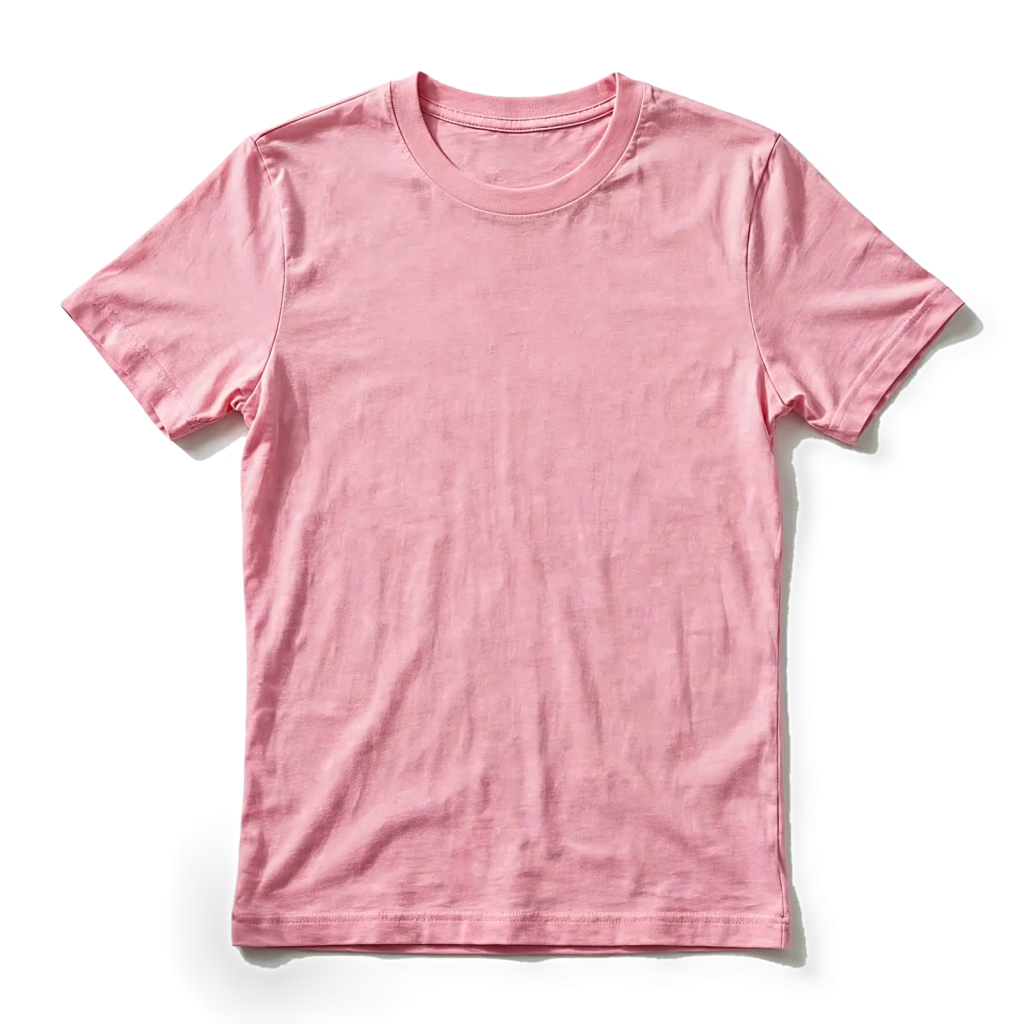
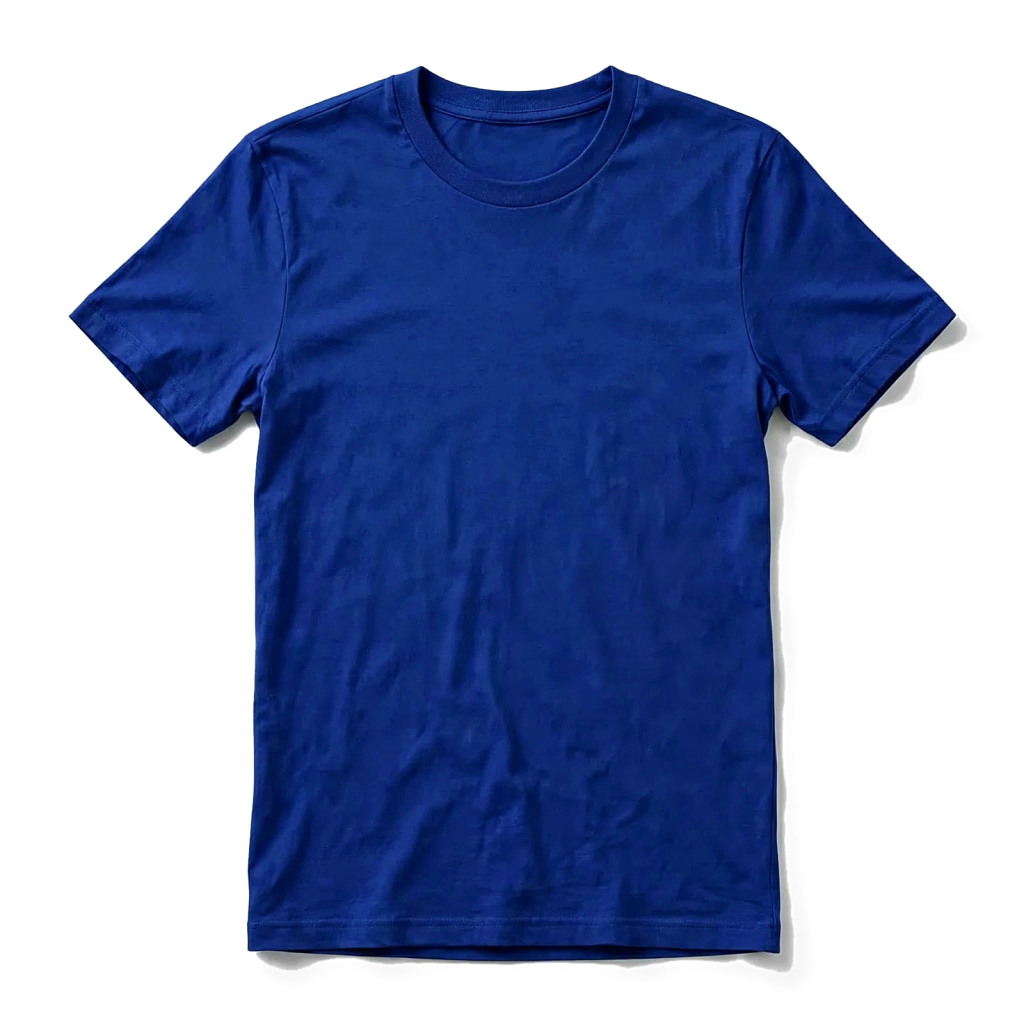
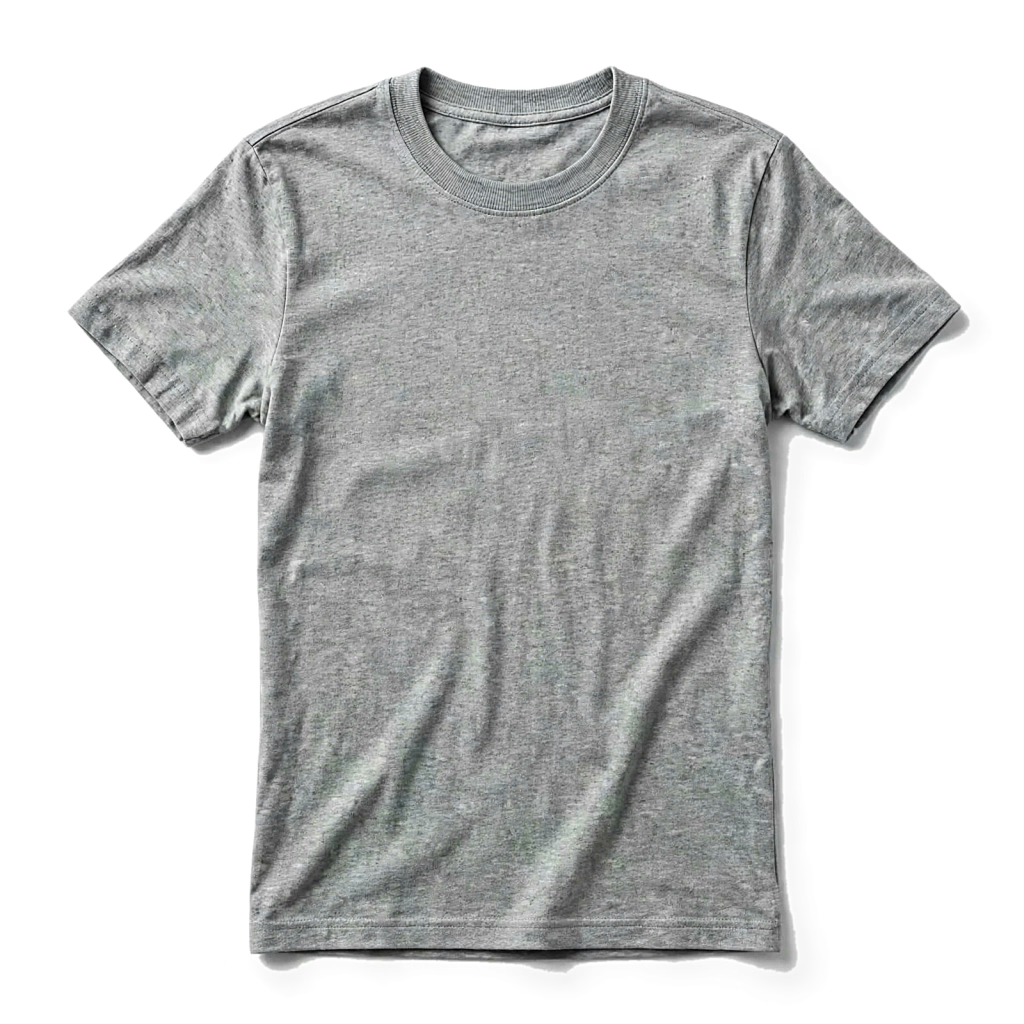
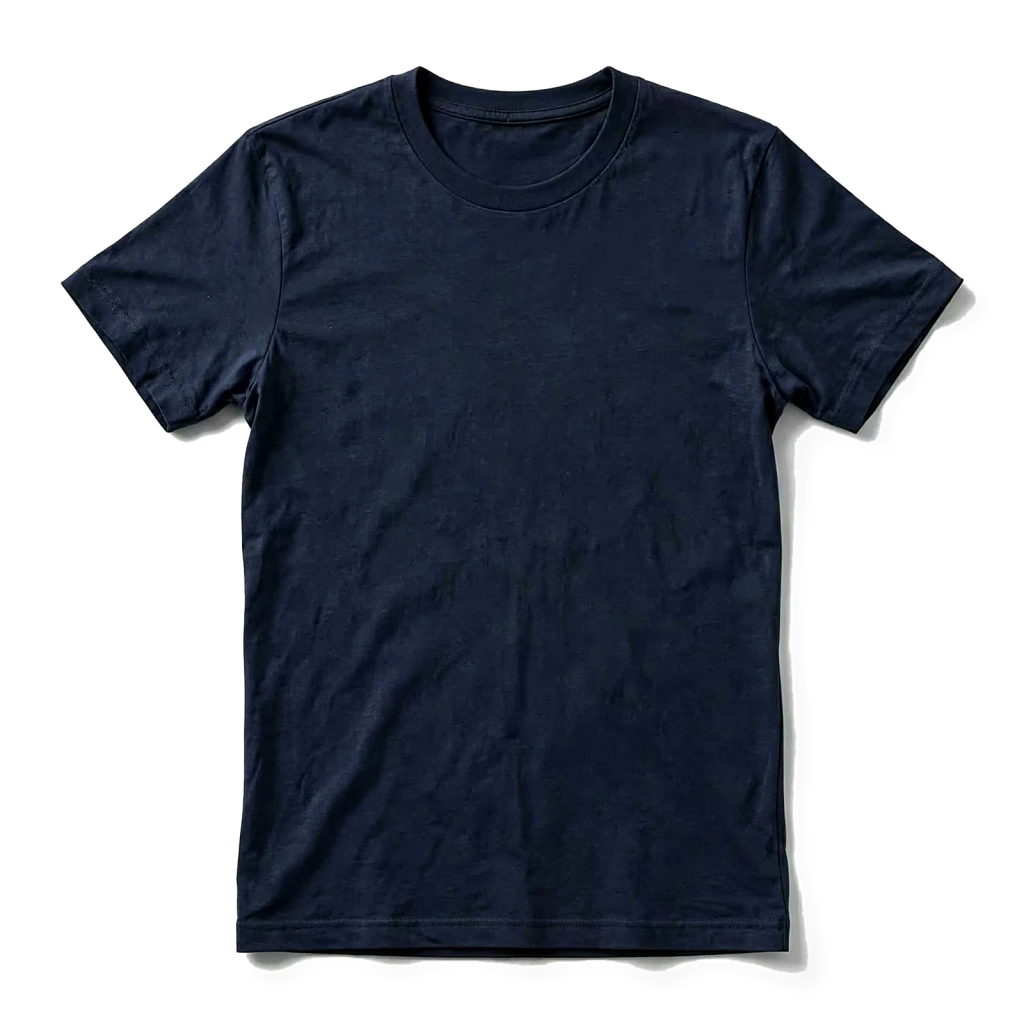
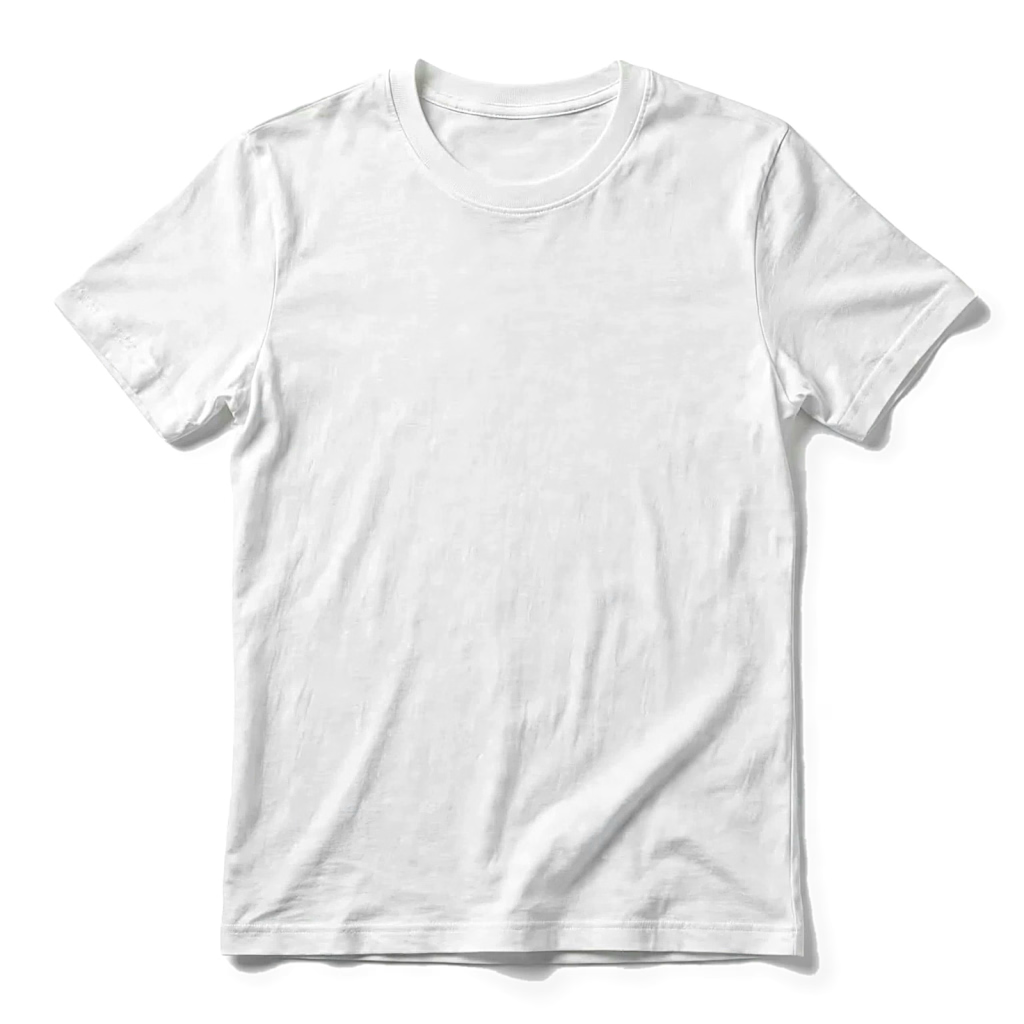
Slim Fit T-Shirt Manufacturer Bangladesh for Fashion Brands and Modern Basics
A slim tee earns its place differently from a regular basic. It is the sharp layer under a jacket, the premium plain sold on its cut alone, and the uniform shirt for staff whose employer wants a tailored line. The wearer judges it against their own body.
That makes consistency the whole product. A size that pulls and one that bags in the same delivery ends a buyer’s confidence, so our blocks are balanced measurement by measurement, checked on stands and on people, then locked to the buyer’s file.
Slim Fit T-Shirt Fabric Options
- Cotton with 5 percent elastane at 160 to 180 GSM – close fit with real recovery
- 100 percent combed cotton at 170 to 190 GSM – natural hand, firmer drape
- Modal and cotton blends for a softer, smoother premium hand feel
- Pima and long-staple cotton jerseys for top-tier basics programmes
- Ribbed and textured jerseys for fashion styles where the surface is part of the design
Recovery is where the fabric proves itself, so the elastane share is written into every costing rather than left vague. A jersey that springs back keeps the waist suppression where the pattern put it; one that relaxes turns it into a loose shirt.
Slim Fit Cuts, Necklines and Sleeve Lines
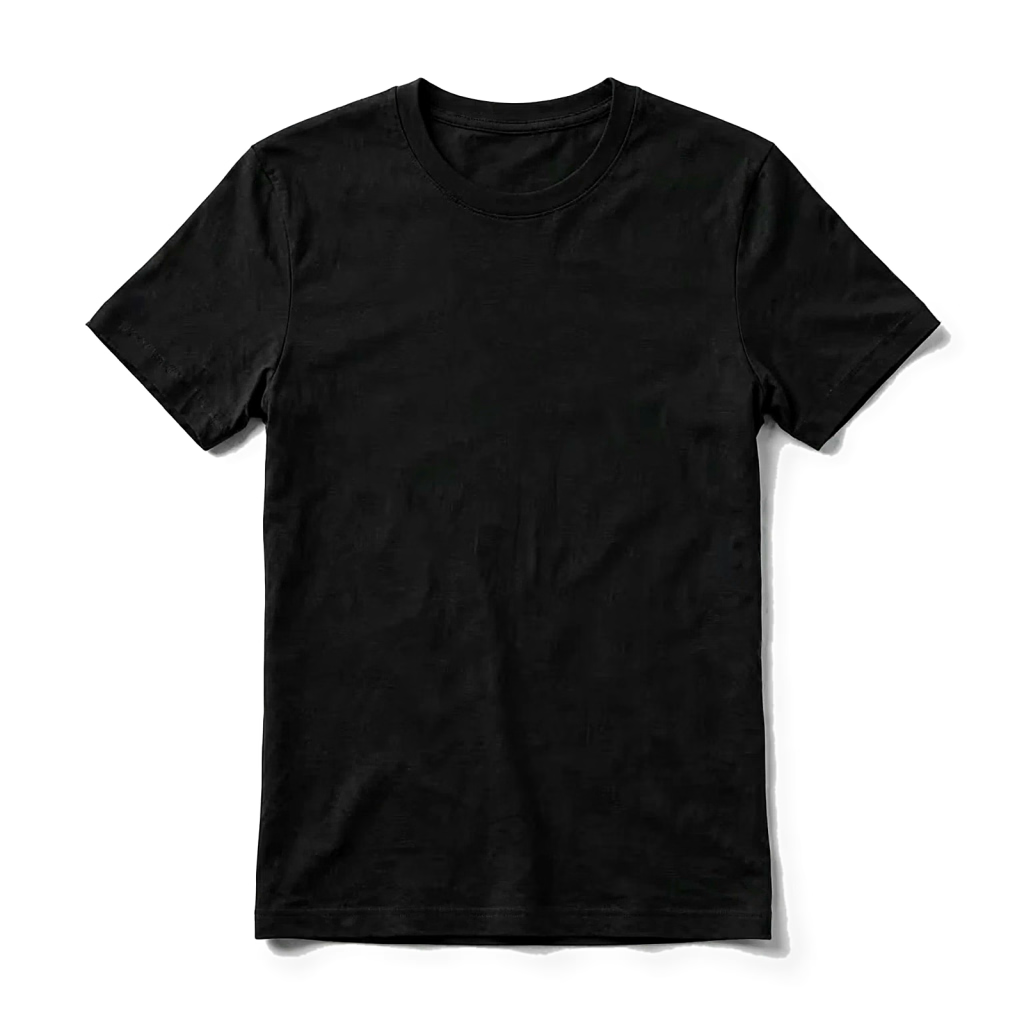
The core crew sits close through the chest, eases over the waist without strain and lands at a length that works tucked or loose. Crew, V and scoop necks are each patterned for the slim body, because a neckline from a regular block drops wrong on narrower shoulders.
Sleeves are cut shorter and nearer the arm, and long sleeve versions carry the same discipline into colder ranges. Ladies slim styles are developed separately, shaped through bust and waist from the first pattern rather than scaled down from the mens block.
Body length comes in three cuts from one block family: standard, a longer tuck-in line, and a cropped fashion length, so a brand can build a slim family without three unrelated developments.
Stretch Recovery and Tapered Fit Craft for Japan, Germany and the Netherlands
Slim fit stands or falls on grading. Each size carries its own balance of chest, waist, shoulder and sleeve; stretch a regular pattern down with a formula and the result is merely tight. We suppress the waist where the body narrows, place side seams to keep the front panel clean, and set stitches that move with an elastane cloth.
Market expectations sharpen the craft. Japanese buyers order genuinely narrow blocks with shorter lengths and judge the shoulder line first. German retail programmes test recovery after repeated washing and reject a relaxed waist. Dutch buyers grade slim fits for taller frames, so length discipline matters as much as chest discipline.
At final checking our team measures the waist as routinely as the chest. On a slim tee that is the measurement the garment was bought for, and the one most factories never take.
Custom Printing, Embroidery and Branding
A close body leaves a print nowhere to hide, so chest artwork sits higher and is registered against the approved sample throughout the run. Quiet decoration suits the style: small embroidered marks, tonal prints and minimal graphics that respect the garment’s restraint.
Private label finishing follows the same premium register: woven or printed neck labels, and packaging carrying your branding only. Brands running one design across two fits take the regular cut from our crew neck t-shirts programme, so both versions share fabric, shade and artwork standards.
Custom Sizes, Fits and Colours
The slim core runs from XS to 2XL, extended where a market’s size curve asks, and every size is tried on rather than only measured. European retail grading shows why: northern European buyers carry the run longer and leaner, and the grading answers that curve instead of copying a standard one.
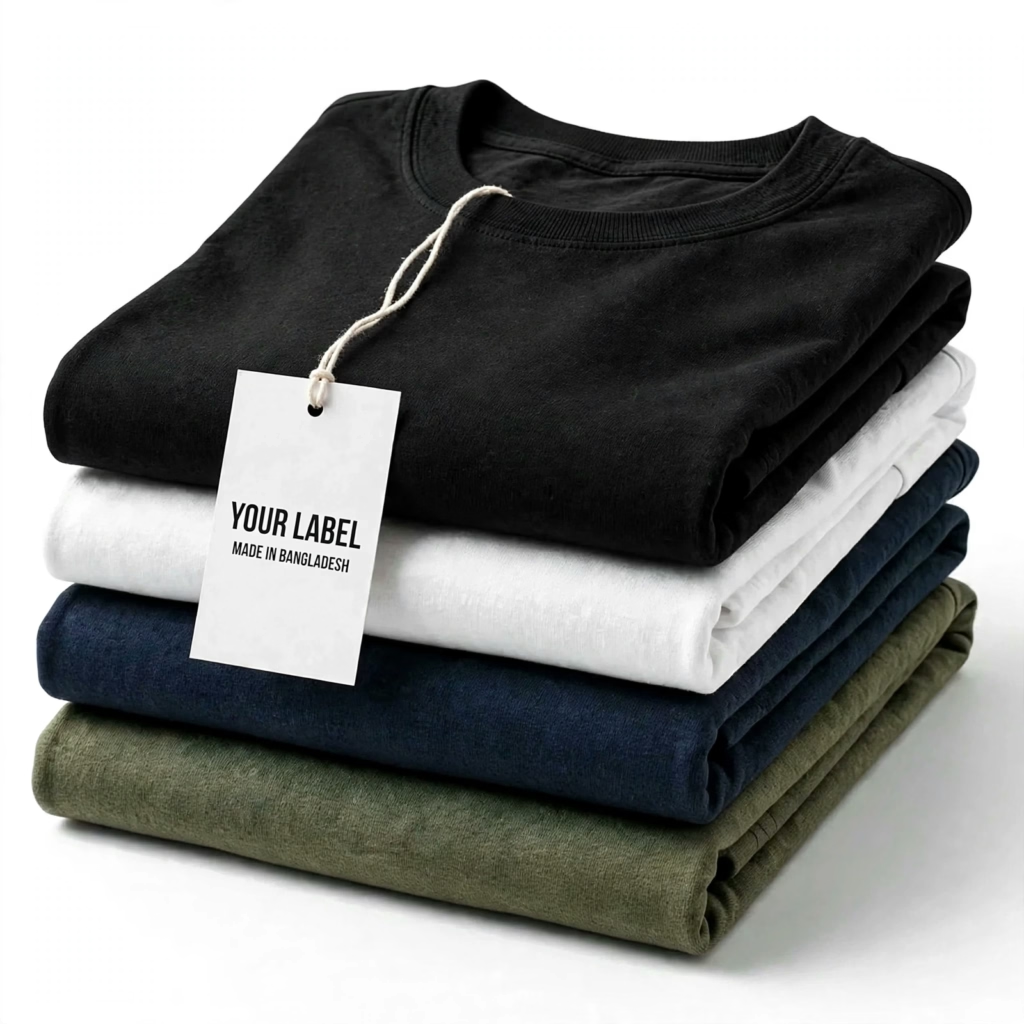
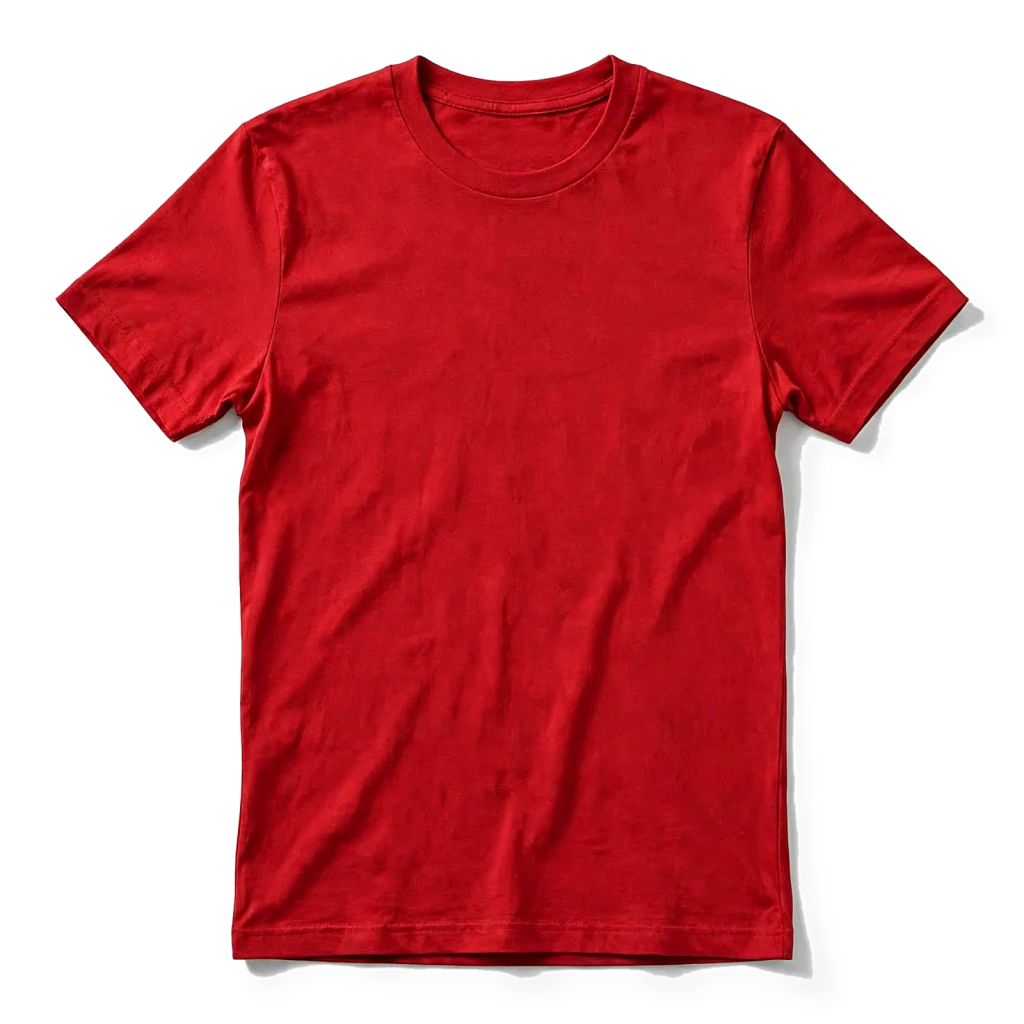
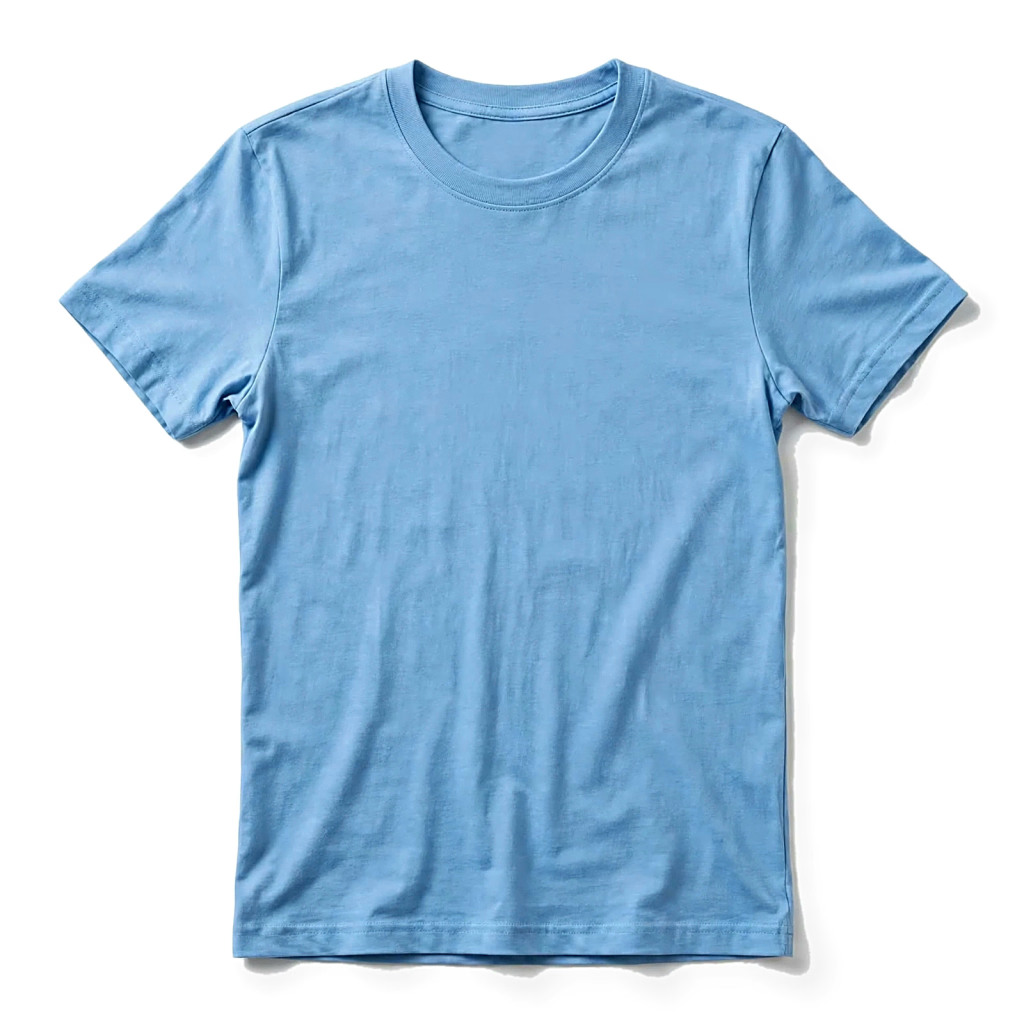
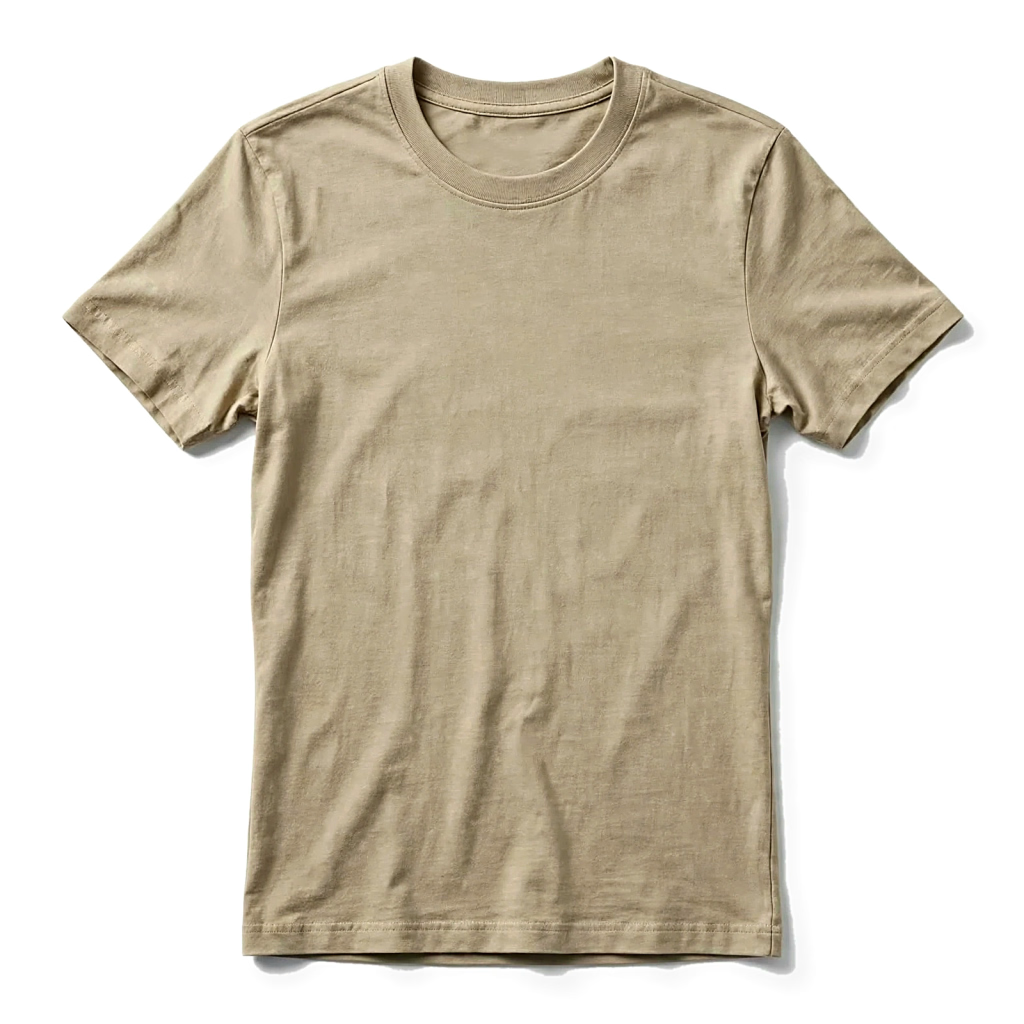
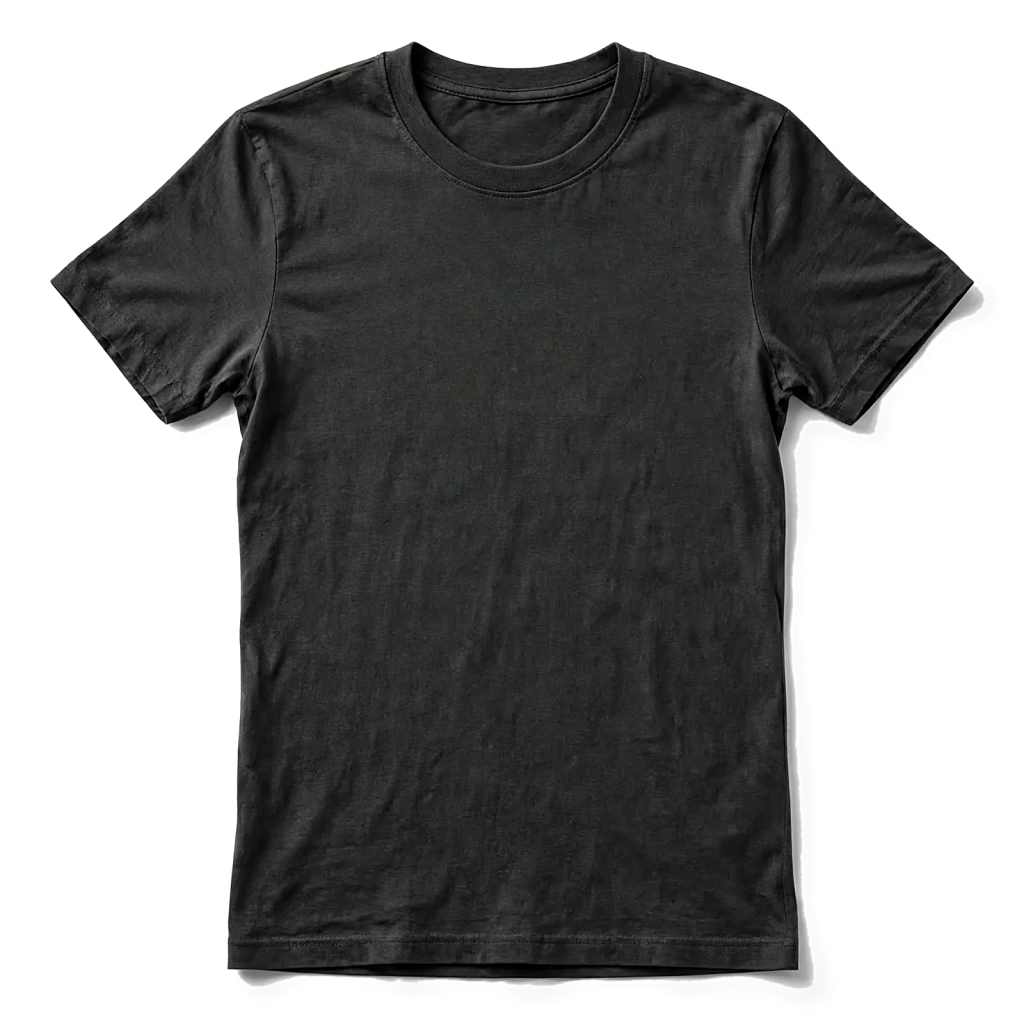
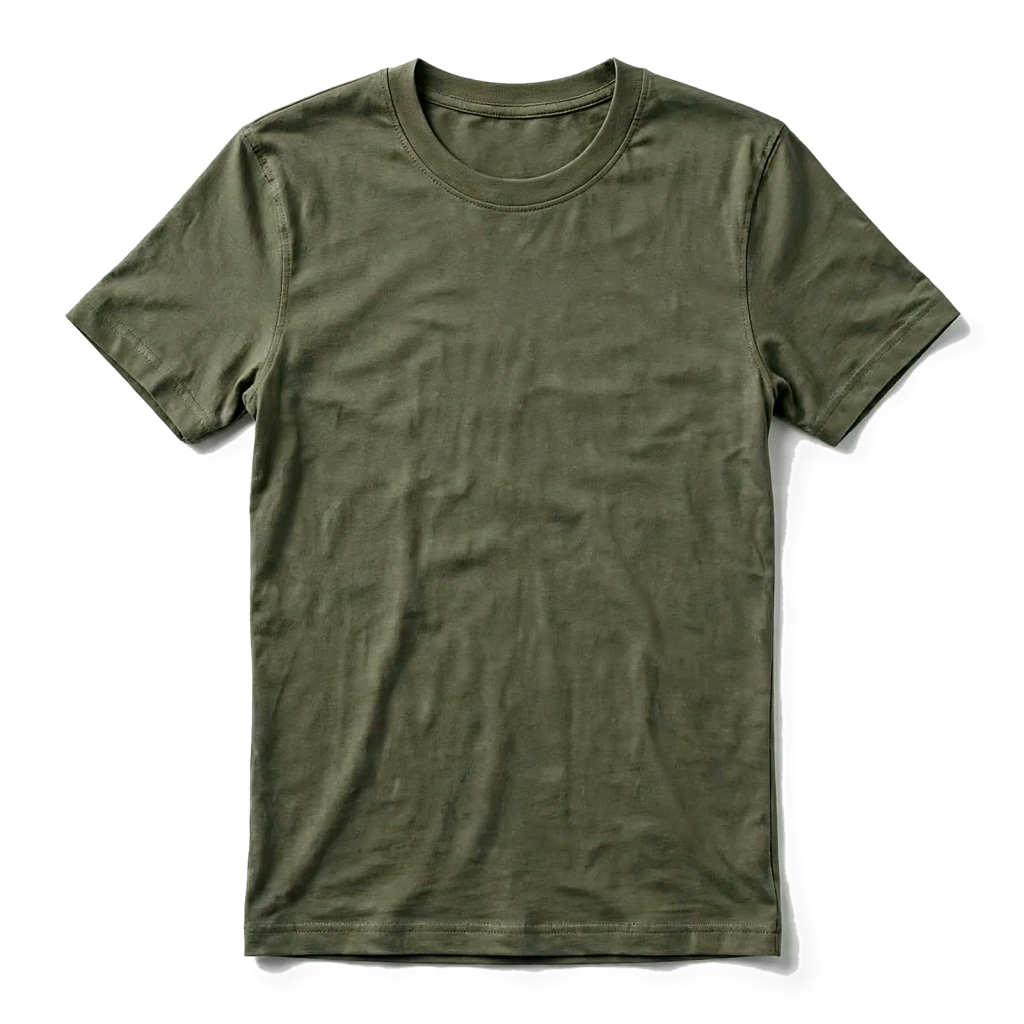
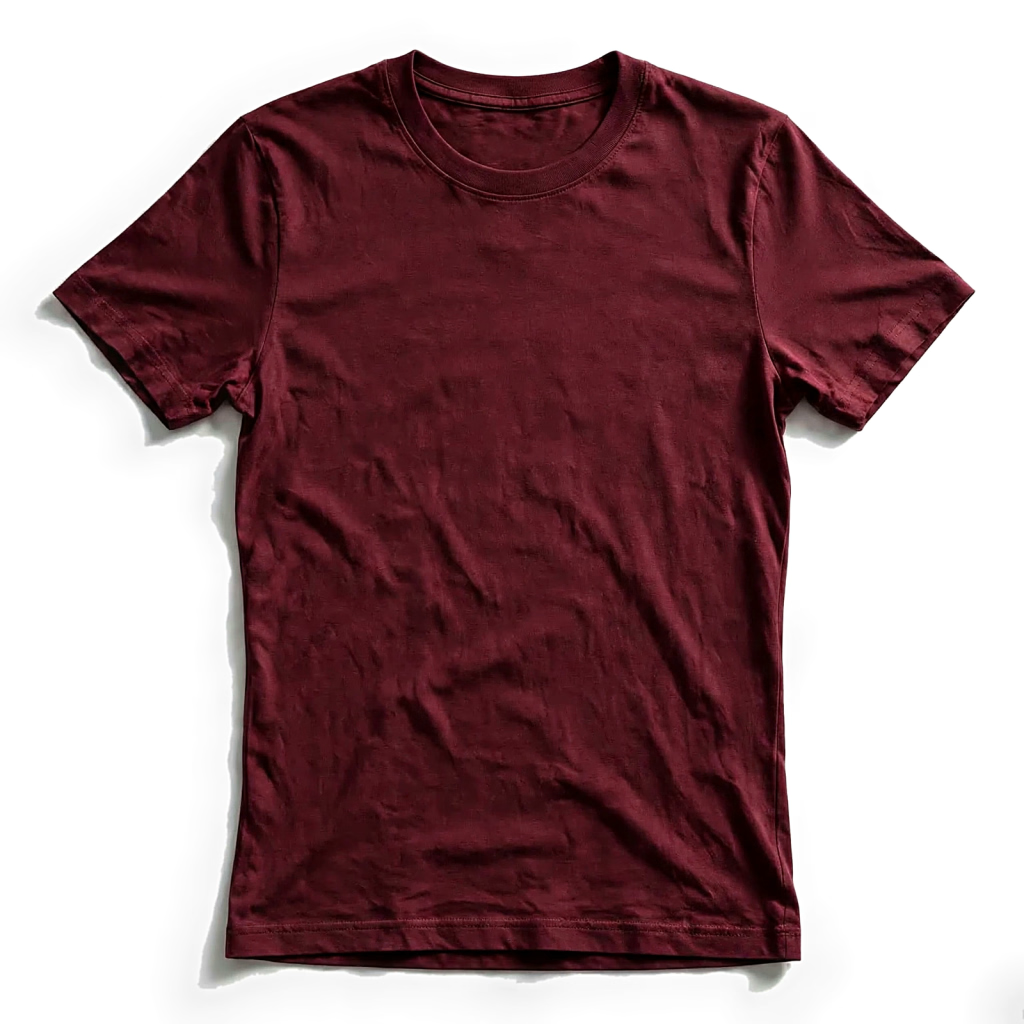
Colour is managed as a set, not as separate styles. Black, white, navy, grey marl and olive anchor the permanent range and seasonal shades are dyed to order; because slim customers buy the same shirt in several colours, the set is compared under standard light and released together.
Sampling and Fit Model Approval
Slim fits are judged on a person, never on a table. Samples are sewn in production cloth, photographed front, side and back, then couriered for fit sessions. The comments that count – a pull across the back, ease at the waist, how the sleeve ends on the arm – return to the pattern room and are corrected before sign-off.
A new block commonly takes two sample rounds, money buyers consider well spent: once signed, the block is their property on our file, ready to carry every colour and fabric variant that follows.
Quality Assurance and Production Follow-Up
Alongside the usual cloth, print and final checks, slim production carries fit audits of its own. Garments are drawn from the line and measured across the full set, waist and sleeve opening included, because elastane cloth shifts under machine tension in ways a stable jersey does not.
Recovery is tested physically: collars and waists are stretched, released and re-measured against the approved figures. Results travel to the buyer with photographs, and the merchandiser named on the order answers for the fit inside any carton.
Slim Fit Tees for Premium Basics, Staff Wear and Layering
Premium basics labels build repeat business on this style: customers reorder the same shirt for years and notice at once if the waist drifts by a centimetre. Hospitality groups choose the cut for a polished line under waistcoats and aprons, and Saudi Arabia’s premium basics programmes specify it where presentation is everything.
Layering is the quiet growth area. A close tee lies flat beneath shirts and fine knitwear without bunching, and buyers in East Asia and northern Europe keep widening that segment. Few styles expose a factory’s discipline faster – the test we are happiest to be judged by.
Why Source Slim Fit T-Shirts from Bangladesh?
A slim programme asks for two capabilities: fine jersey knitting with elastane handled properly, and sewing careful enough that every visible seam sits where it should. Dhaka’s knitwear belt offers both. Yarn, knitting, dyeing and trims sit in the same districts, so a shade or fabric correction moves in days, and the landed cost leaves premium basics their margin.
Export discipline is the other half. Our lines ship daily to the USA, the UK, Germany, Canada and Australia, and the testing, labelling and packing behind those markets are standard work here. Fashion calendars are respected because fashion and basics share our floor all year.
Why Choose Siatex Bangladesh?
Siatex Bangladesh has made clothing in Bangladesh since 1987, and the fit library – regular, slim, relaxed, ladies and youth blocks, each refined on real buyer programmes – is among the factory’s most valuable assets. A slim order stays with one team from pattern room to export carton, sampled on the body and audited while it sews.
That continuity compounds: season two starts from a proven block, not a new negotiation about fit. Buyers who also carry volume basics will find the scale behind the style on our bulk t-shirts page.
Looking for a Slim Fit T-Shirt Manufacturer Bangladesh?
Slim fit rewards buyers who treat it as a programme rather than a purchase: a block approved once, colours refreshed each season, the fit held steady while the range grows. That is how our long-running slim programmes work, and how a signature cut survives contact with production.
If your range is heading that way, send a reference garment, a size chart or photographs of your line, with your fabric and size range, and we will return a price and a first sample built to it. If your present supply drifts between deliveries, tell us which measurement wanders – a locked block is how we stop it.
Siatex Bangladesh
Made in Bangladesh
OEM/ODM Private Label Production Only
Slim, Fitted or Just Small – Reading a Fit Honestly
Buyers use slim, fitted and tailored as if they were interchangeable; the pattern room cannot. A genuine slim garment is rebalanced, not reduced: narrower shoulder, higher armhole, ease taken out at the waist, a closer sleeve, all in the customer’s usual size. A shirt that is simply one size down keeps regular proportions and just feels tight, worst across the back and under the arms.
So brief with a reference, not an adjective. Then test the sample in movement: the wearer should raise both arms freely without the hem climbing off the waistband. A slim tee that passes standing still but fails that test is a small tee wearing a slim label.
Elastane Content – How Much Recovery Does the Style Need?
The elastane share decides how a slim tee ages. Around five percent in a cotton jersey gives dependable recovery while the hand stays natural; push towards ten percent and the garment becomes stretch-led, with a different drape and different print behaviour that suits only very fitted fashion styles.
Plain cotton can look immaculate on day one, yet it relaxes at the waist and elbow within weeks unless the knit is a tight long-staple construction. Our approval standard is therefore physical, not printed: measurements are taken again after repeated washing, and the washed record is what the block is signed against. Ask any slim supplier for that record – a maker who truly holds one will hand it over without a pause.
Holding a Signature Fit Across Seasons and Colours
A signature fit behaves like any other brand asset: it needs a custodian. We keep the master pattern, the measurement record and the approved sample together as one file, version any change the buyer asks for, and never re-grade quietly between orders. Dark and light elastane cloths can sew a fraction differently, and the fit audit exists precisely to catch that, because it measures finished garments rather than intentions.
Finished cartons sail from Chattogram to Rotterdam for the Netherlands, New York for the USA and Toronto for Canada. Buyers who have watched a signature fit dissolve through a supplier’s silent pattern edits understand what that custody is worth: the reorder stays a reorder, not a redevelopment.