
Apparel Manufacturer in Bangladesh
Choosing an apparel manufacturer decides how your range reaches your customers. Siatex Bangladesh works as that manufacturer for clothing brands and importers: you bring the designs, the tech packs and the label, and we return finished garments made to your specification, in the cut, fit and finish your buyers approved at sampling.
Nothing here works from a shelf. We hold no fabric, no materials and no ready garments waiting for a buyer: every order is manufactured after written confirmation, to your measurements, your materials and your trims, and it leaves under your label only. That one discipline shapes everything on this page.
As an apparel manufacturer, we produce for private label brands, importers and retail programmes in the USA, the UK, Germany, Canada and Australia. Jersey tops, fleece, woven shirting, denim or knitwear - each range is organised around garment families, so your styles are made by teams who know that construction well.
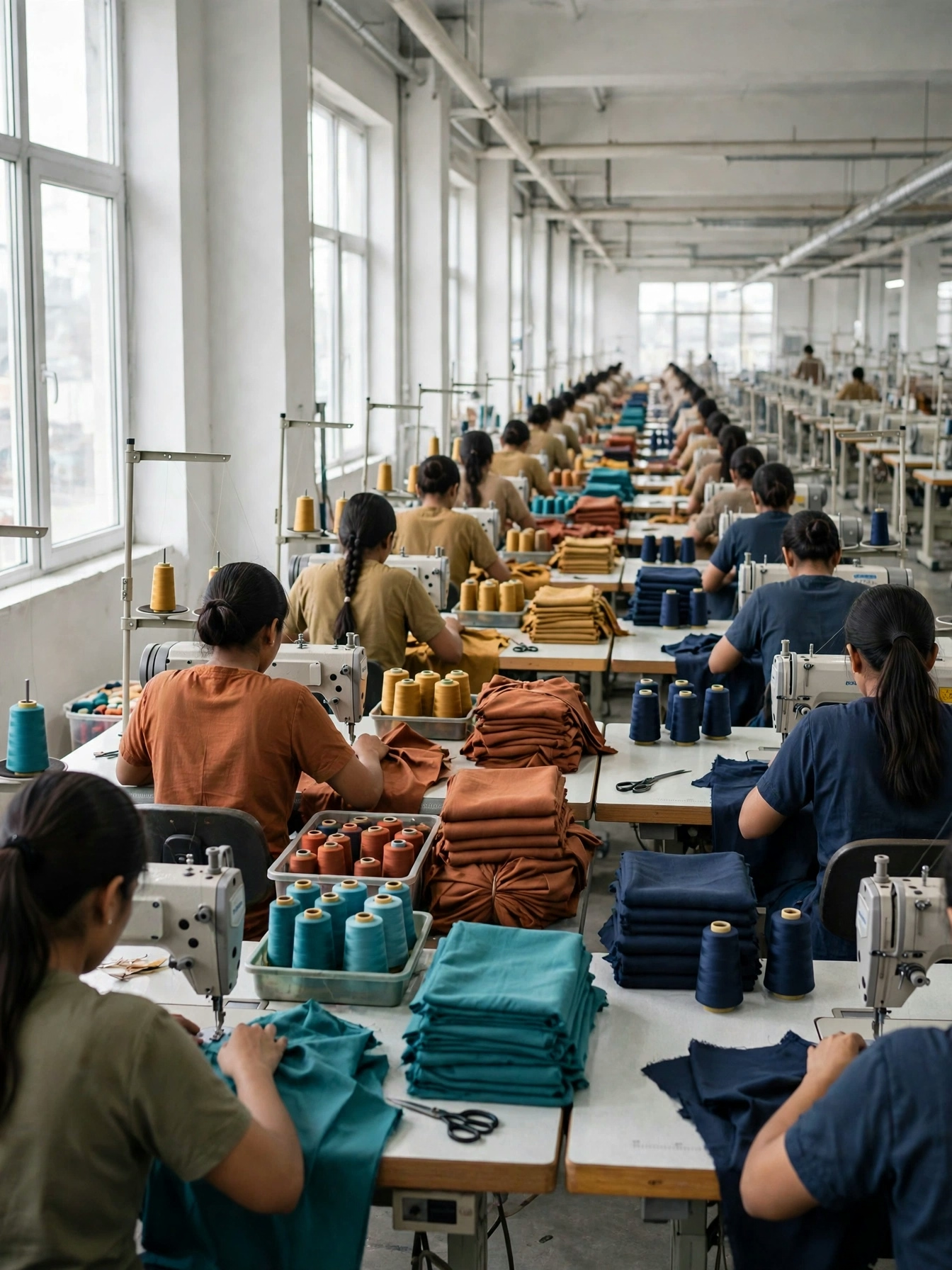
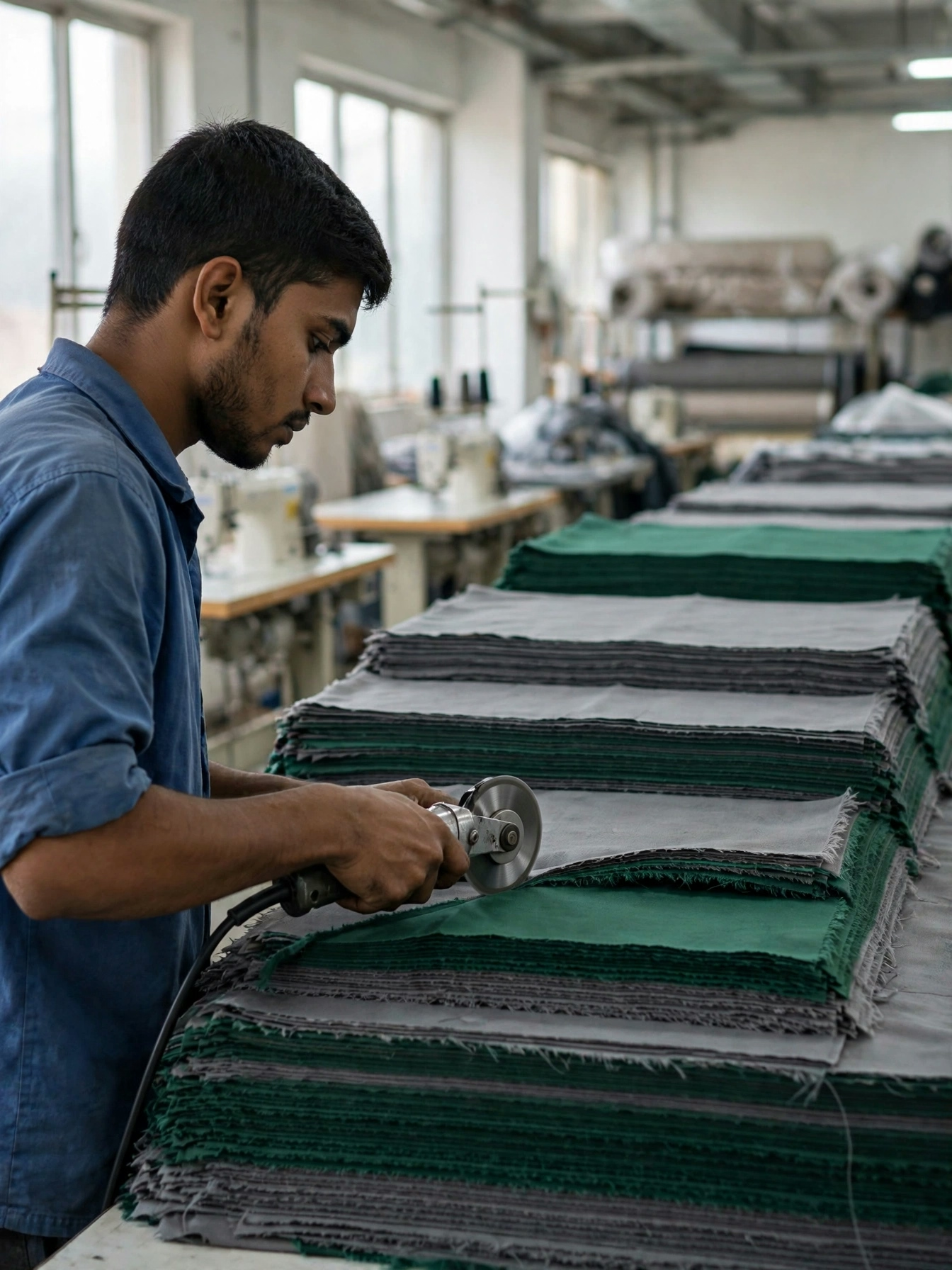
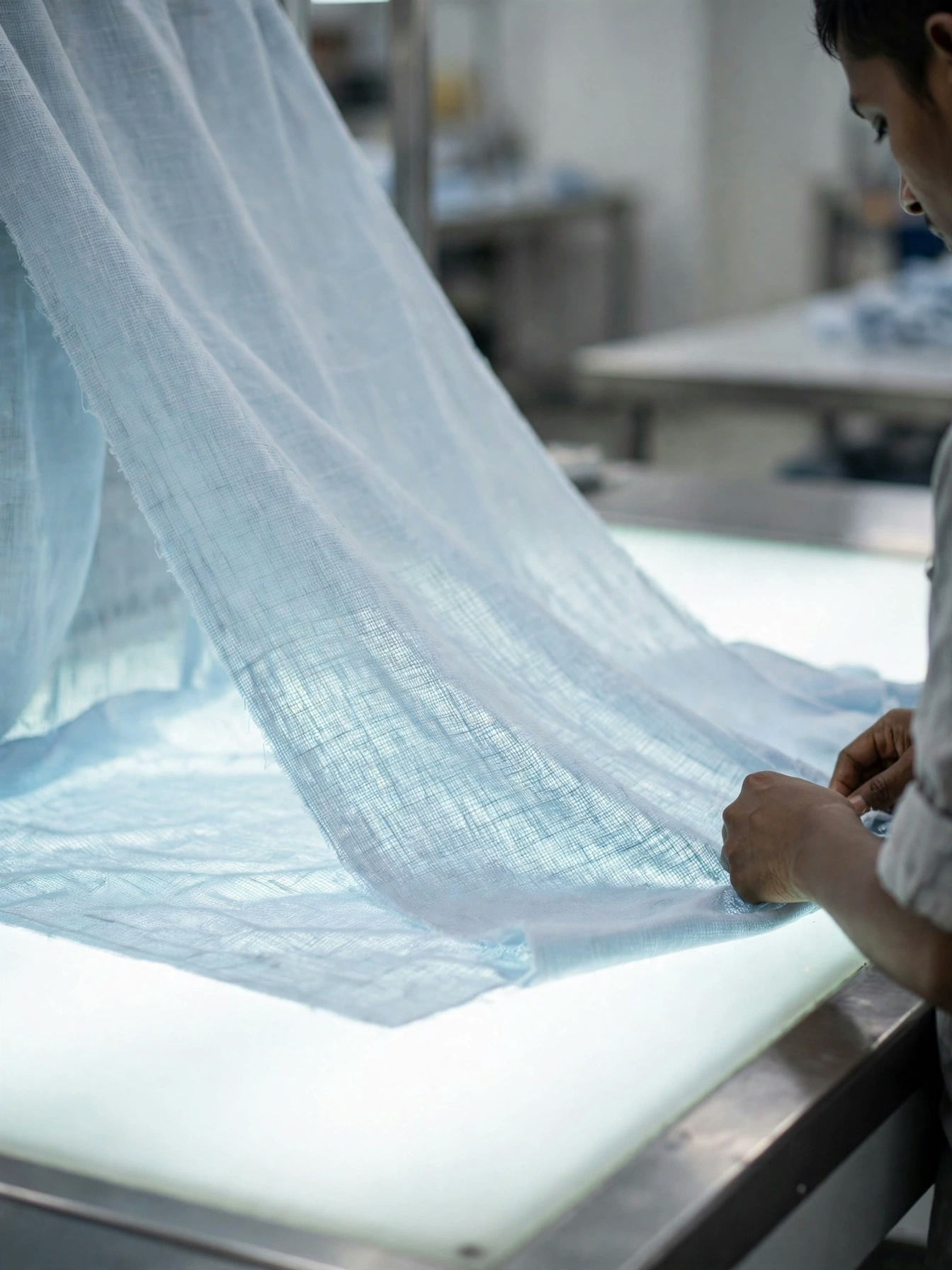
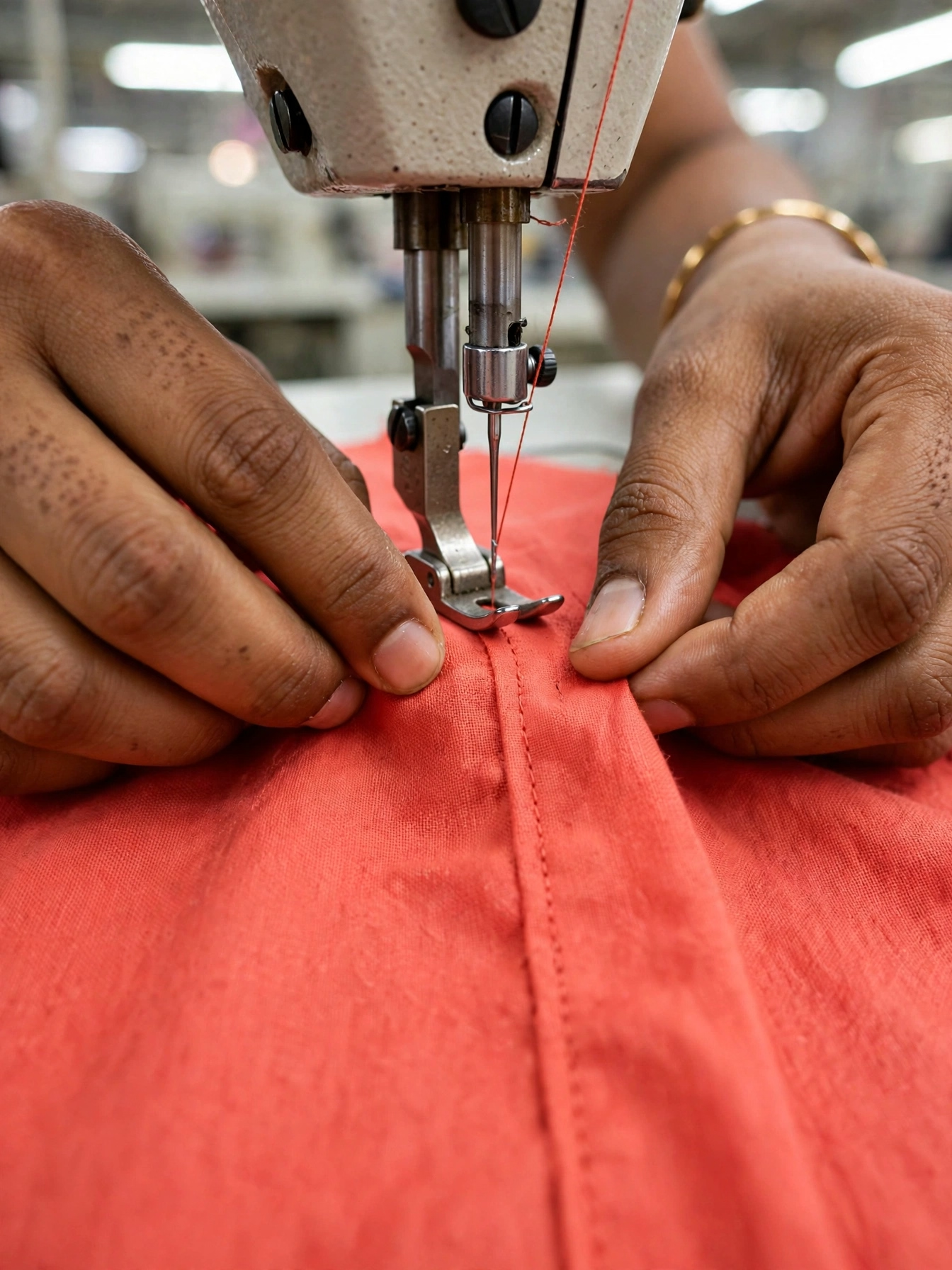
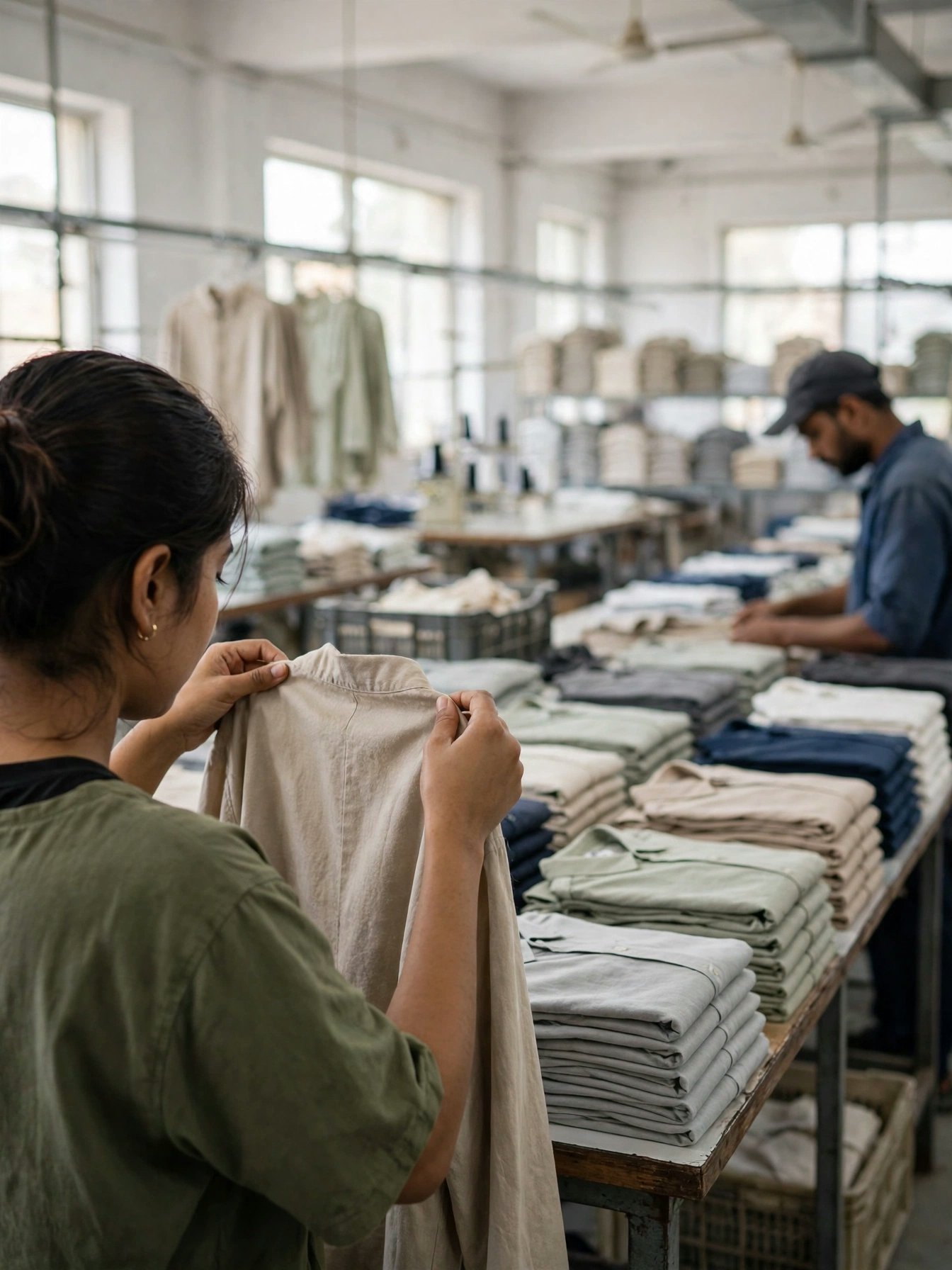
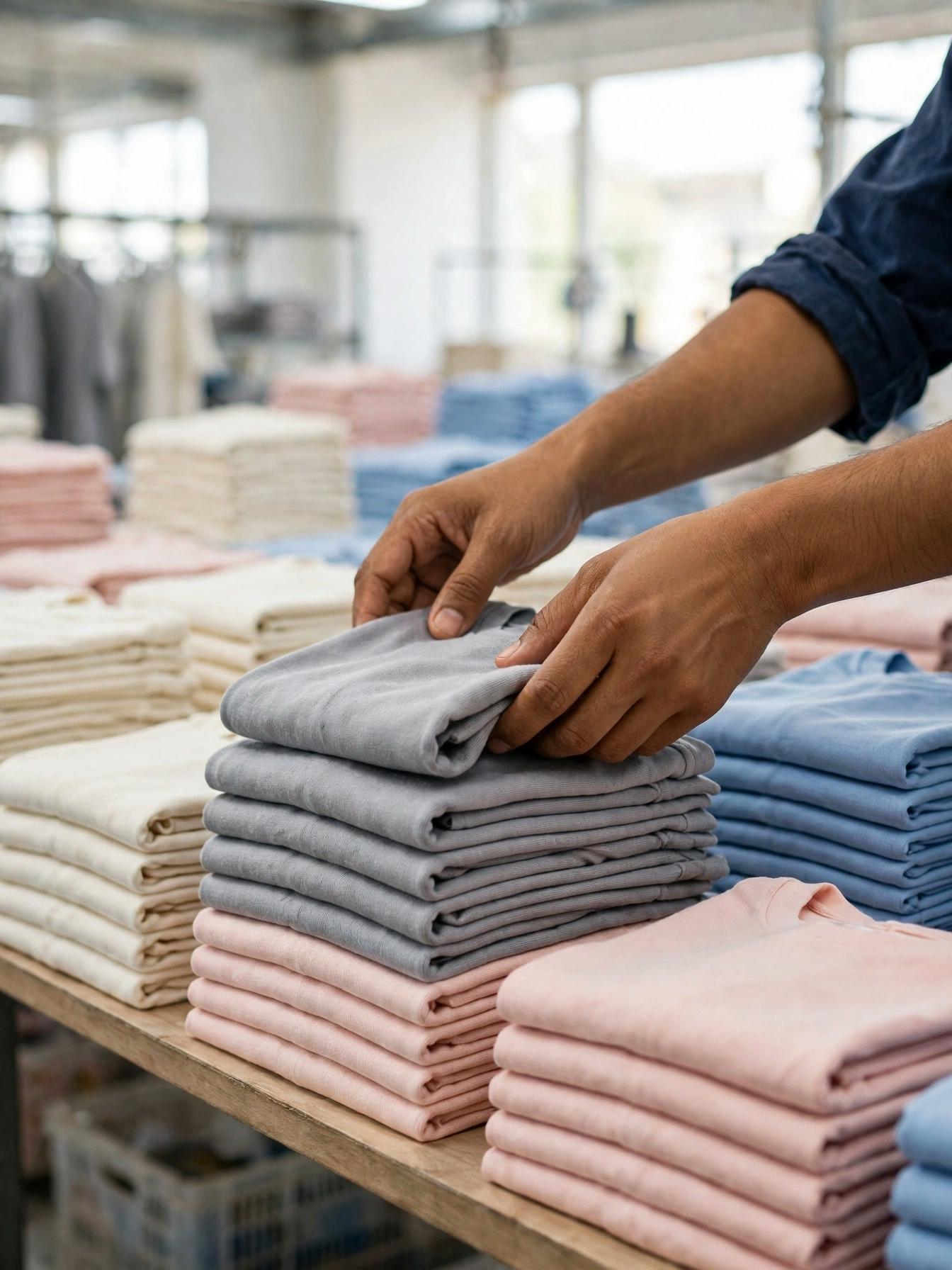
Apparel Manufacturing in Bangladesh for Private Label Brands and Importers
An apparel order is a chain of small decisions, and a good manufacturer keeps every link in the same hands. The sections below set out what that means: the role we take for your brand, the range we produce, how an order moves, how materials are sourced, how quality is checked and how a first order starts.
1. What an Apparel Manufacturer Does for Your Brand
A working apparel manufacturer turns your designs into finished garments you can sell with confidence: patterns made from your tech pack, samples sewn for your approval, materials sourced against your specification, then cutting, sewing, finishing and packing in sequence. Our merchandising team is your single point of contact through all of it, from the first costing to the final carton.
Your side of the work stays yours: the brand, the designs, the pricing and the customers. Ours is everything between your tech pack and a sealed carton, and nothing carries our name. The garments, the labels, the hangtags and the packing all present your brand alone, which is the whole point of private label manufacture.
2. The Apparel Range We Produce to Order
The range covers the garment families most brands build on, each produced to order rather than picked from a catalogue. A programme might open with staples such as our t-shirts and widen season by season, while boutique labels in France often build a tighter range around a few well-finished woven styles.
- T-shirts, polo shirts and jersey tops
- Sweatshirts, hoodies and fleece styles
- Shirts, blouses and woven tops
- Trousers, shorts, jeans and denim styles
- Dresses, skirts and ladies’ ranges
- Sweaters and knitted garments
- Children’s wear and school ranges
Every style in that range starts from your specification, not from a house block. Sizes are graded from your own measurement chart, colours follow your lab dips, and stitching, trims and finishing follow your tech pack, so the apparel your customers receive matches the sample your team signed off.
3. How an Order Moves From Enquiry to Delivery
Each order follows the same path, with an approval point before any stage that cannot be undone. You always know which stage your apparel sits at, because a named merchandiser reports progress and shares photographs as your garments move.
- Send your tech pack, a clear photograph or an original sample
- Receive a costing with material and construction options
- Approve a fit sample and the pre-production sample after it
- Confirm the order, so materials are booked for your styles
- Follow cutting and production through stage updates
- Receive checked, packed cartons ready for shipment
Orders ship from Chattogram port to the USA, the UK, Germany, Canada and Australia, with the UAE served on regular sailings for buyers building distribution in the Middle East. Sea and air options follow your delivery plan, and the documents are prepared against your forwarder’s checklist.
4. Fabrics and Materials Sourced for Your Order
Because nothing is held in stock, fabric for your apparel order is sourced or developed once the order is confirmed, against the composition, weight and finish your specification sets. Our fabric sourcing work starts from your target hand feel and price point, then matches mills and knitters to the cloth your garments actually need.
- Single jersey, interlock and rib knits for tops
- Fleece and loopback fabrics for sweatshirts and hoodies
- Pique and waffle knits for polo shirts and textured styles
- Denim, twill and canvas for trousers and shorts
- Poplin, oxford and flannel cloth for shirts
- Buyer-specified blends, washes and finishes developed to order
Lab dips and strike-offs are approved before bulk fabric is cut, and shade is checked roll by roll so one garment never mixes two dye lots. Buyers in Japan often set tighter shade tolerances than most, and the same routine handles that standard.
5. Quality Checking at Every Stage
Quality is protected by checking at the stage where a fault can still be fixed cheaply. As a family-run business, we treat every buyer’s standard as personal: our merchandising and quality team follows your apparel order from material arrival to final packing, and faults are corrected where they appear instead of travelling down the line.
- Fabric and trim inspection when materials arrive
- Inline checks on seams and stitching during sewing
- Measurement audits against your approved size chart
- Label, hangtag and packing checks against your artwork
- Final random inspection before cartons are sealed
Retail programmes in the Netherlands tend to audit paperwork as closely as garments, so inspection reports, measurement records and packing lists are kept in your order file and shared on request. That record is what your own quality team sees, and it is why faults found by customers stay rare.
6. Starting Your First Apparel Order
Starting with a new apparel manufacturer is simple: send the tech pack, photograph or original sample of the style you want to build, and tell us the markets you sell into. Many brands begin with one proven staple, such as a fleece style from our sweatshirts programme, prove the fit and the finish, then widen the range from solid ground.
There is no obligation to move past the sample stage. Costing comes first, then a sample you can hold and measure, and every approval point is confirmed in writing before the next step begins. Handled that way, a first order stops being a gamble and becomes the pattern your repeat orders follow.
Building an Apparel Range That Fits Your Market
A range sells when each style earns its place in the market it was built for. Boutique labels in France often build around a few woven pieces with a clean finish and let the fabrics carry the story, while retail buyers in the Netherlands plan wider size curves and sharper price points for high-street programmes.
Both approaches start the same way here: with your target customer, your price ladder and your selling season set out before sampling begins. We then develop the styles that fit that plan, so the range you approve is the range your market was asking for, not a catalogue someone else assembled. Fabric, fit and finish are set market by market, rather than averaged across all of them.
How Repeat Apparel Orders Stay Consistent
Repeat orders stay consistent because the first order leaves a complete record behind it: the approved sample, the measurement chart, the material specification and the inspection notes all stay in your order file. When a programme for buyers in Germany or Canada comes back for a new season, production works from that file, not from memory.
Colours are matched against the retained lab dips, sizes against the same graded chart, and trims against the original specification, so the second delivery sits beside the first on the rail without a visible difference. Your customers should never be able to tell two seasons apart by quality. Where you change a detail, the change is sampled and recorded the same way, keeping the file true.
Questions Buyers Ask Before the First Order
Most first conversations with an apparel manufacturer cover the same ground: can you work from a photograph as well as a tech pack, who approves what at each stage, how are measurements controlled, and what happens if a sample misses the mark. The honest answers are simple – yes, samples can start from a photograph or an original garment; approvals are written at every stage; and a sample that misses is remade against your comments before bulk is discussed.
Buyers also ask how they will know what is happening once an order is running. A named merchandiser follows your order and reports each stage with photographs, so the answer never depends on chasing. Ask us anything else at the enquiry stage: a clear answer early is cheaper than a surprise later, for both sides.