
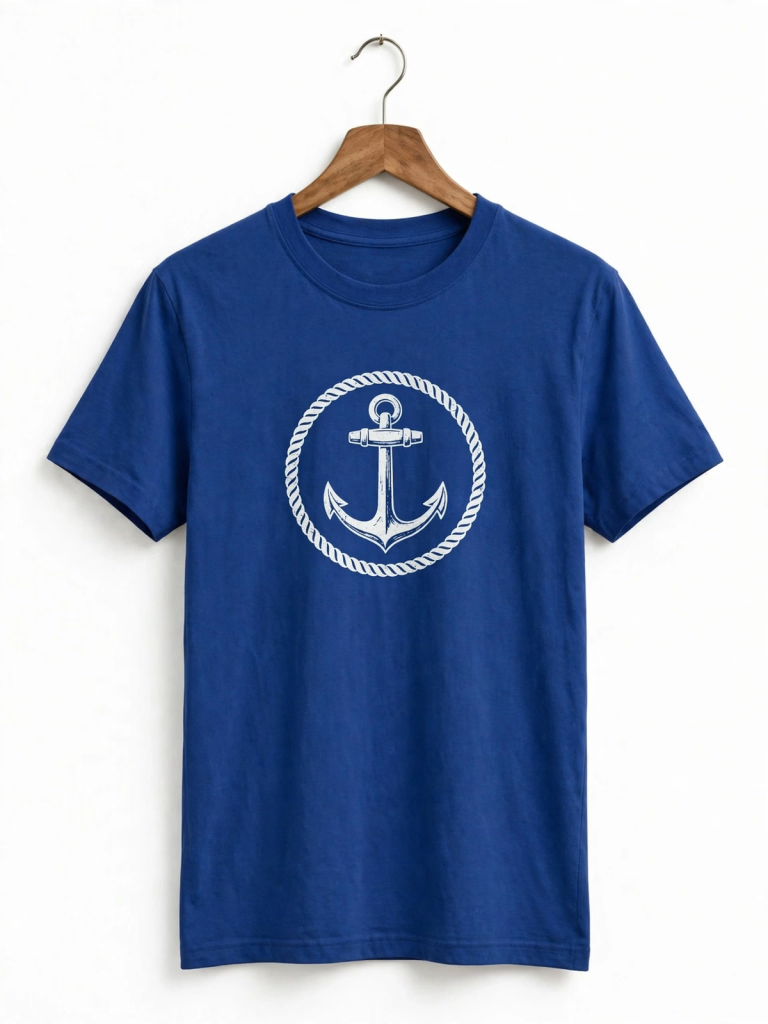
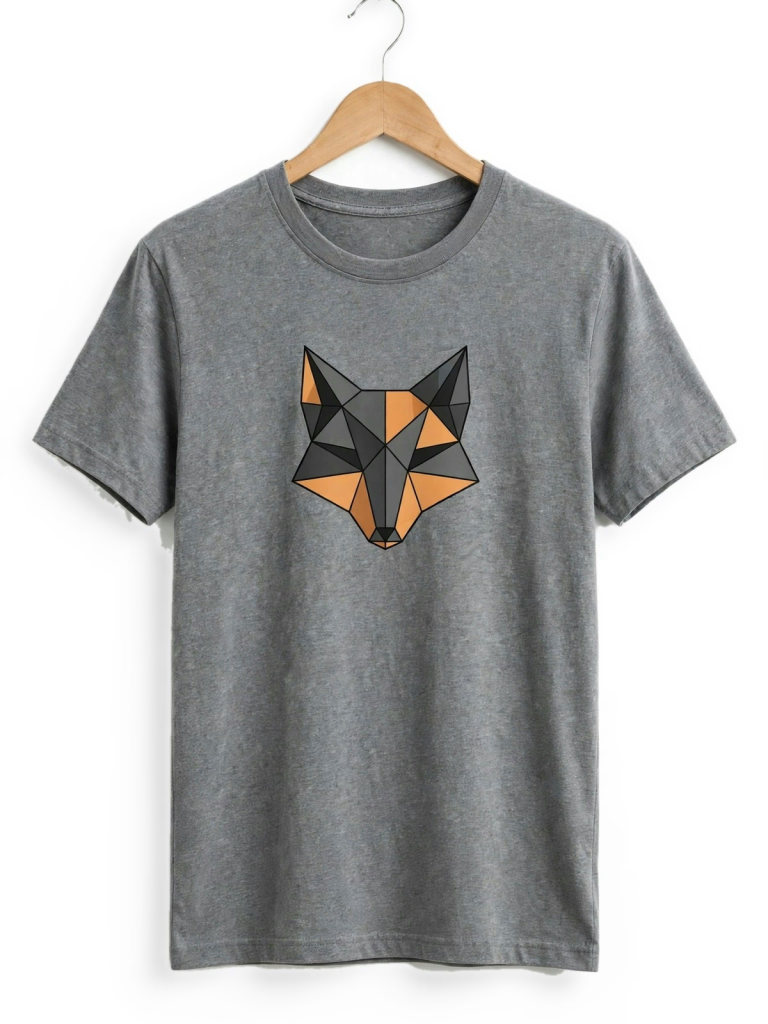
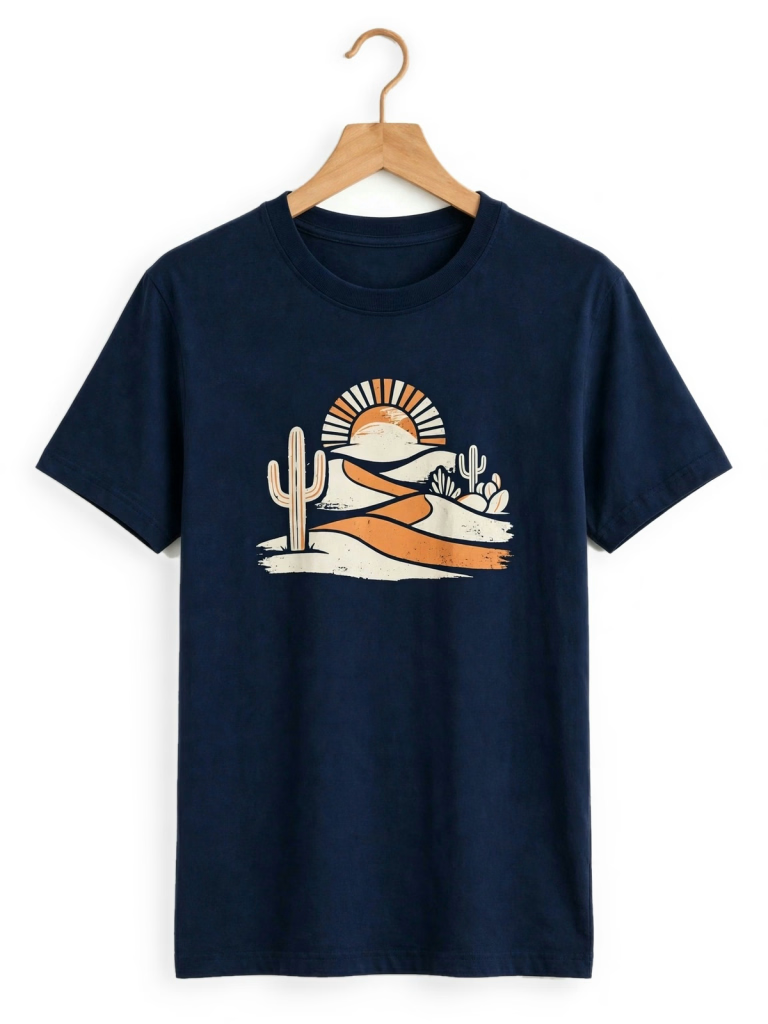
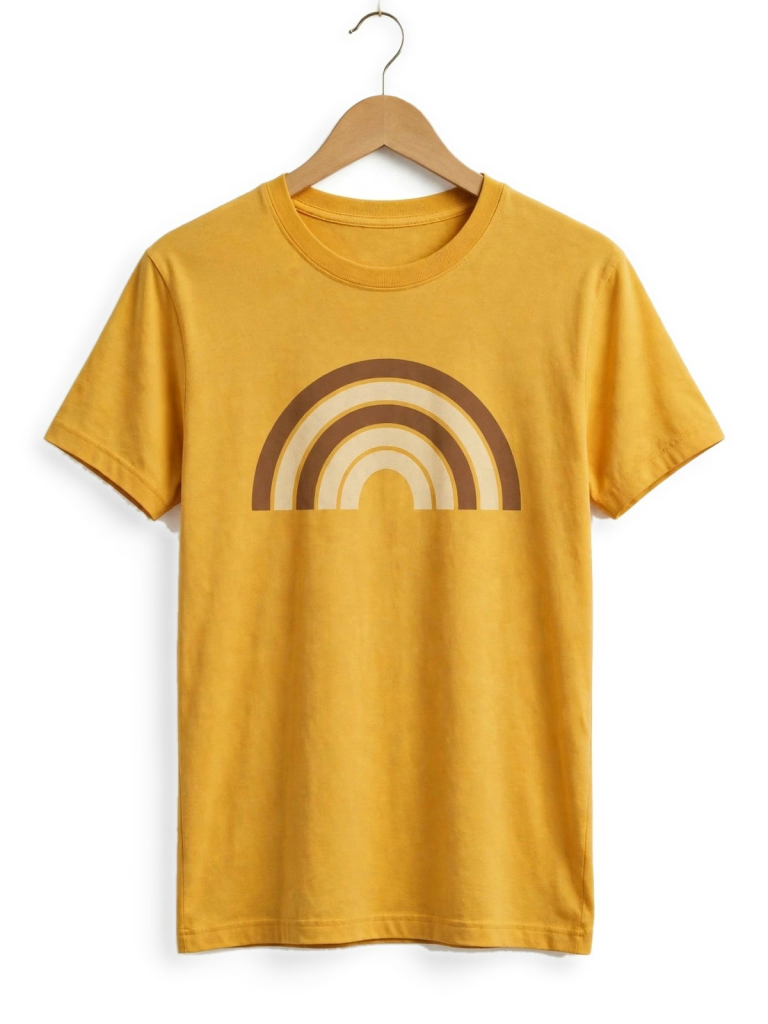
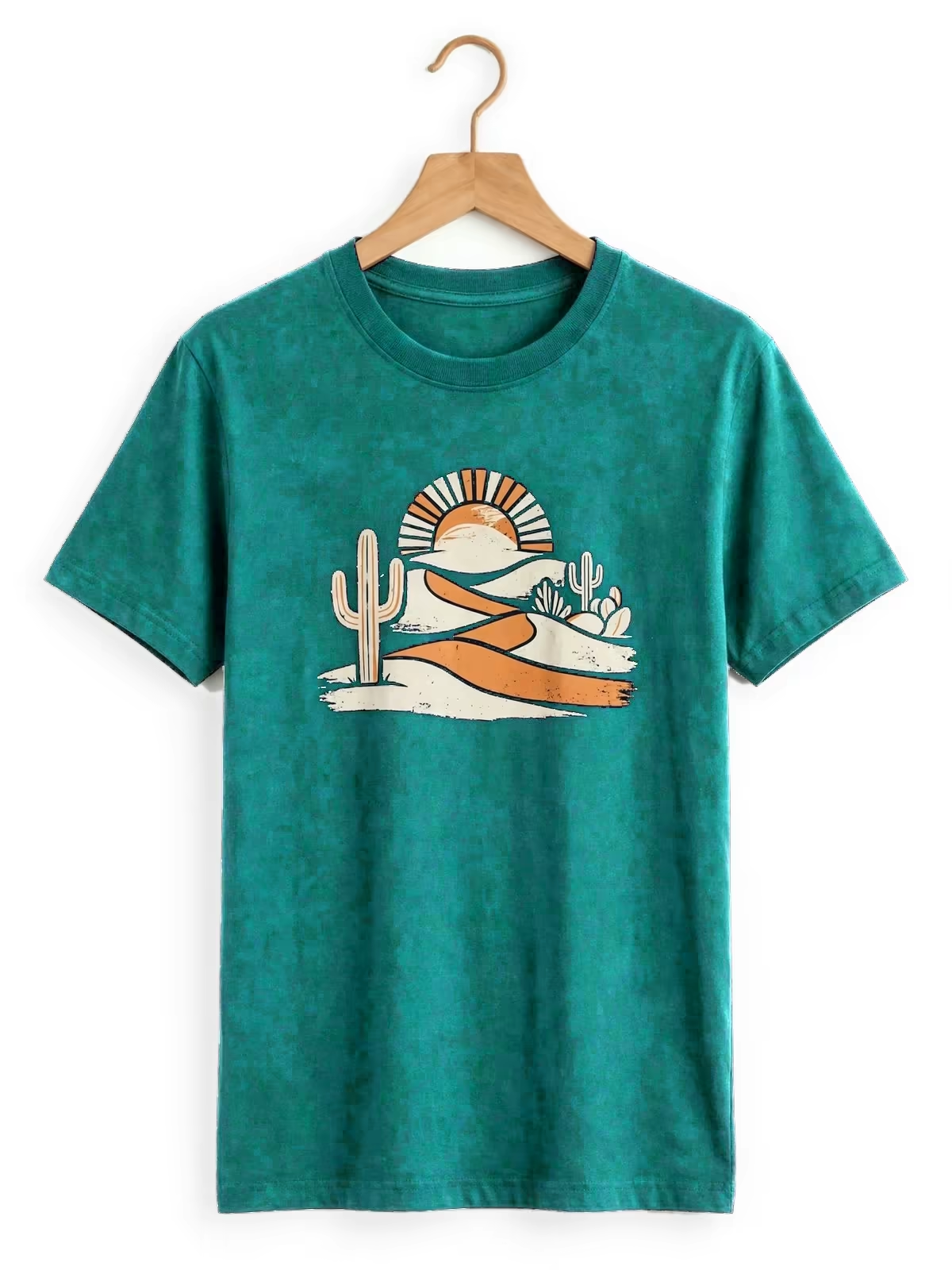
Why France Buyers Source Wholesale Branding T-Shirts From Bangladesh
France runs one of Europe’s busiest promotional calendars: trade fairs, festivals, sports events, product launches and company programmes in every season. The distributors behind those events need a supply line that can take an artwork file, prove it on a real shirt, and deliver cartons that match the proof, at prices a wholesale programme can carry. Bangladesh answers that brief well, because its factories sew and print knitted cotton garments every day for European buyers.
Artwork discipline is the heart of it. Your approved strike-off stays on file, so the design your client signed in March prints in exactly the same position and colours when the campaign repeats in October. That steadiness is what lets a French distributor promise a client a range that looks identical at every event in the series.
There is a plain cost logic too. A branding tee is mostly cloth, sewing time and print work, and Bangladesh keeps all three competitive without cutting the construction short. Buying at the source means the budget is spent on the garment and the print, which is what the end customer actually sees and wears.
Branding T-Shirt Supplier in Bangladesh for Canadian Promotional Companies
Canadian promotional companies work to the same calendar logic: events fixed months ahead, artwork approved by clients who will inspect the result, and no room for a late or drifting print. Working as your supplier, Siatex runs those orders through the same approval path as the French programme: fabric options first, a printed strike-off for sign-off, then a labelled pre-production sample before bulk sewing.
Supplier details are settled before production, not after it. Size ratios follow your market, cartons can be packed by event, client or store, and each box is marked so your warehouse books stock in from the packing list without opening cartons. Where a Canadian programme needs bilingual English and French labelling, it is prepared as part of the order.
One merchandiser follows your account from the first sample to the final carton. Answers come from the person who knows your programme and your client’s artwork file, not from a queue.
Screen Print, Digital Print or Embroidery: Matching the Method to the Artwork
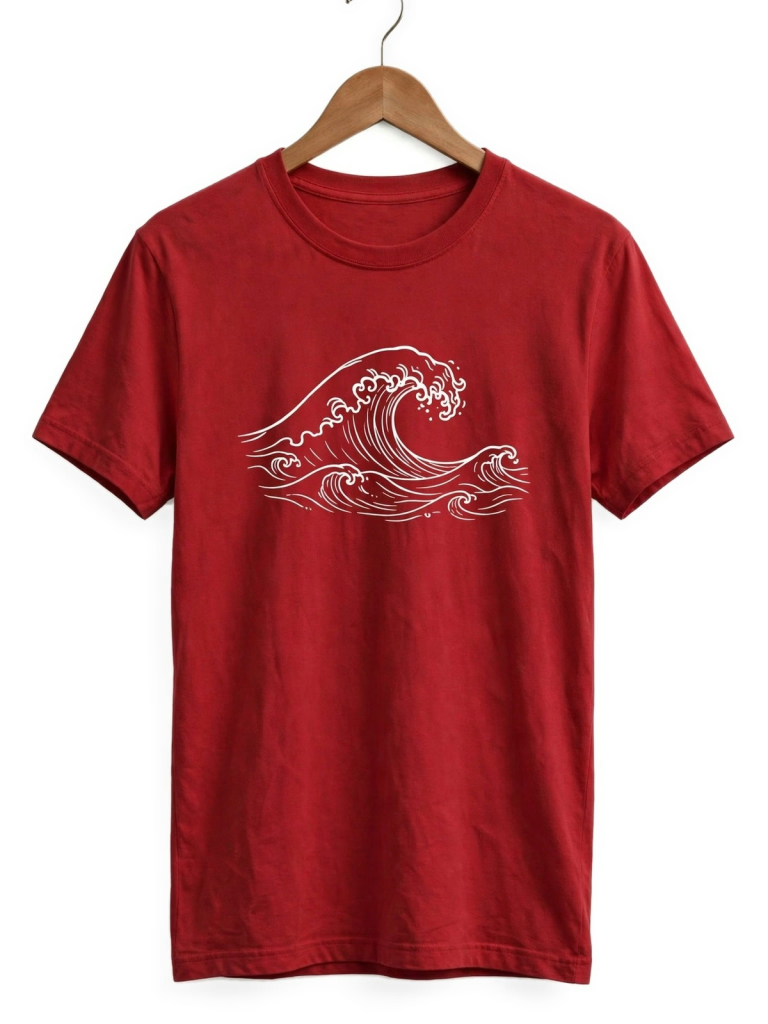
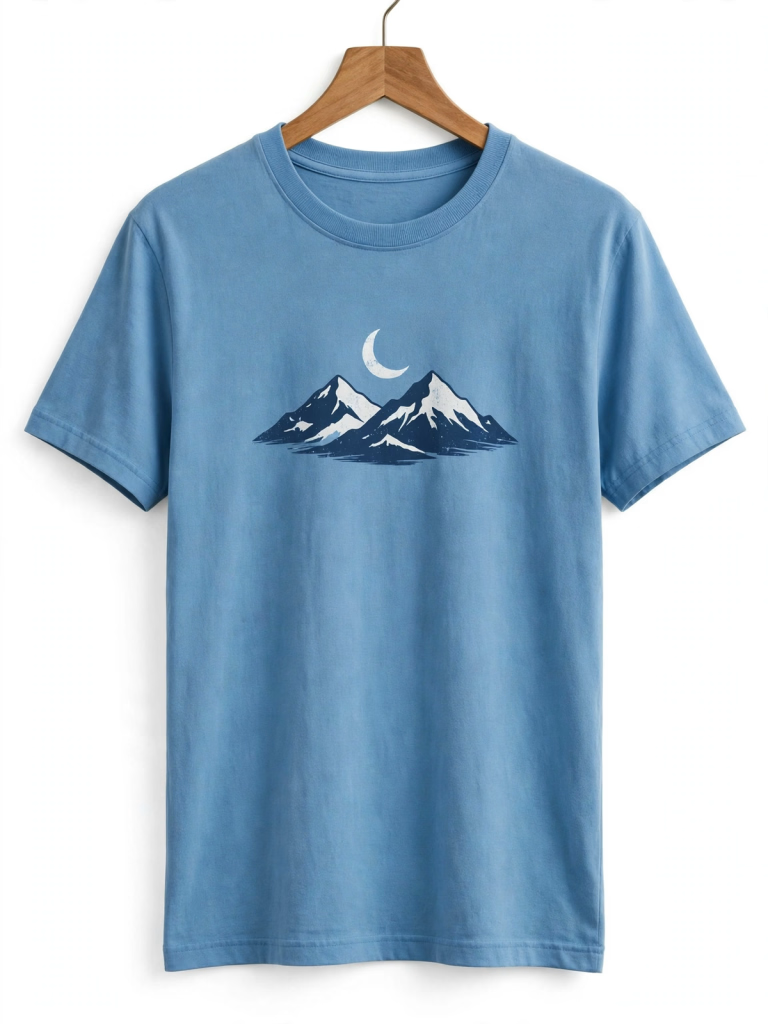
Choosing the print method is a design decision, and it is made from the artwork, not from habit:
- Screen printing is the workhorse for bold logos, slogans and event graphics. It gives dense, lasting colour and suits the long runs promotional programmes usually need.
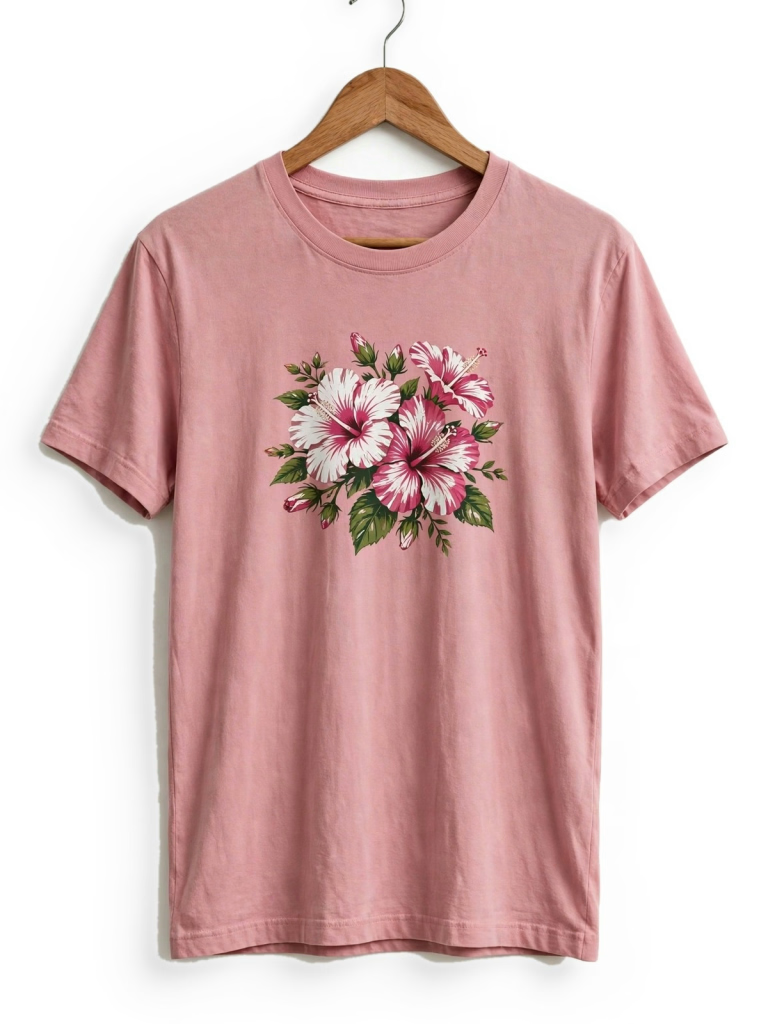
- Digital printing handles photographic images and fine gradients that screens cannot hold, and it suits shorter runs and complex tour or festival artwork.
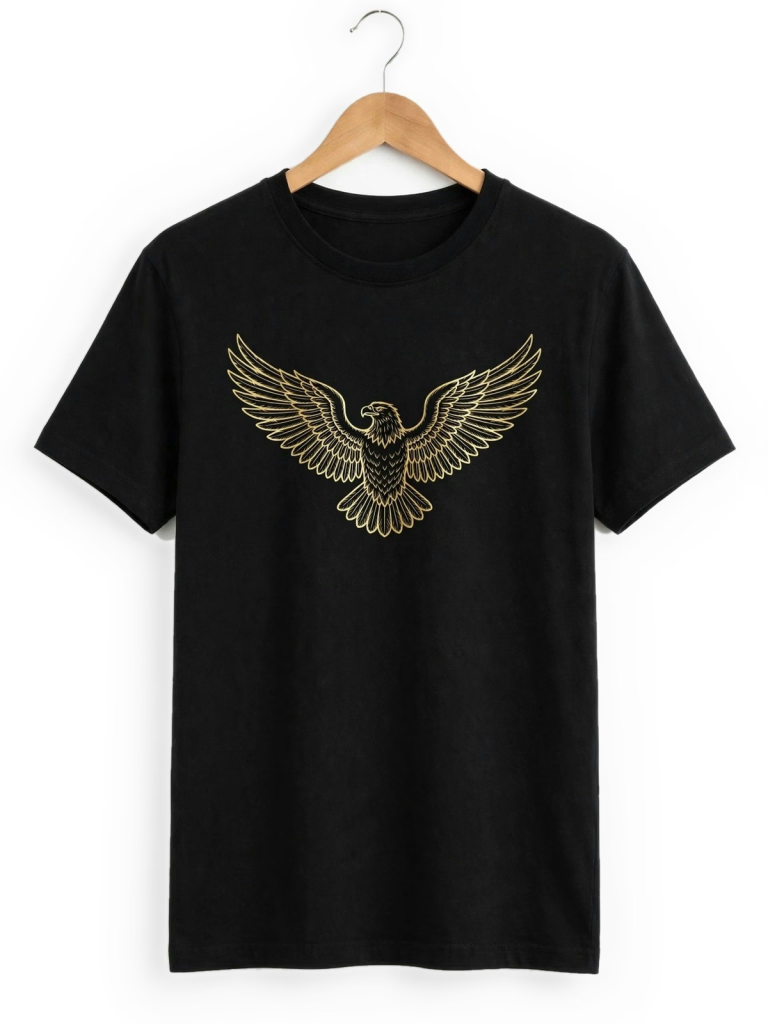
- Embroidery gives a premium, textured finish for chest logos on staff, club and corporate shirts, where the brand must feel as good as it looks.
- Heat transfer covers names, numbers and small personalised runs, and it combines well with a screen-printed main design.
Every method is proven on a strike-off printed on the actual fabric, in the actual garment colour, before bulk work begins. Buyers who need tested fabrics can request qualities tested for harmful substances under the OEKO-TEX programme, and print positions are measured and recorded so repeats land in exactly the same place.
The Blank Matters: Building a Tee That Takes Print Beautifully
Experienced buyers judge a branding programme by the blank before they judge the print. A smooth, even jersey surface takes ink cleanly; a twisted body makes a square design look crooked; a collar that curls after one wash makes the whole shirt look cheap. That is why the blank itself is specified, sampled and approved as carefully as the artwork.
Fabric weights are matched to the job: lighter jerseys for summer festival and giveaway programmes, mid weights for the everyday promotional standard, and heavy jerseys where the shirt is the product being sold. Colours are dyed against your reference, and the core shades French programmes reorder most are held as repeatable standards on your file.
The same programme supplies plain blanks for buyers who print at home, through our wholesale t-shirt range, so a distributor can take printed and unprinted stock from one source with one colour standard across both.
Branding T-Shirt Exporter in Bangladesh for German Event Companies
German event companies are known for precise artwork files and precise deadlines, and a good exporter welcomes both. Print positions, colour references, size ratios and delivery dates are agreed in writing before production, and the strike-off is checked against the file measurements, not just looked at. Working as your exporter, Siatex treats the artwork specification as part of the order contract.
Export handling is prepared alongside production. Carton marks, packing lists and invoices follow the format your forwarder expects, and mixed programmes, printed here and plain there, are packed separately and marked clearly. The paperwork agrees with the physical shipment, which is where careless suppliers cost buyers days.
Your Label Inside, Your Artwork Outside: Private Label Finishing
Most branding programmes also carry the buyer’s own label. Your woven neck label, size labels and hangtags are made to your artwork and applied during production, so the finished shirt is entirely yours: your name inside, your client’s design outside. Care labels carry fibre content and care symbols in the order European programmes require, ready for the French market.
Brand protection is practical, not promised in slogans. Your labels and your clients’ artwork are used only on your programme, overruns are counted and reported, and misprinted pieces are removed before packing rather than shipped and sorted later. What carries a client’s name is checked like it carries ours.
A T-Shirt Factory in Bangladesh Set Up for Print Programmes
Behind the programme sits a factory whose sewing lines work with knitted cotton every day, with printing handled as part of the same order flow rather than a separate errand. That joined-up arrangement matters: the print shop works from the same approved sample as the sewing floor, so positions, colours and sizes are checked against one standard.
Repeatability is protected with retained references. The approved strike-off, the ink colour references and a cutting from the last bulk run stay with your file. A campaign that returns next season prints from the same references, and any drift beyond the agreed tolerance is held and corrected before cartons are sealed.
Branding T-Shirt Wholesaler in Bangladesh for Spanish Retail Brands
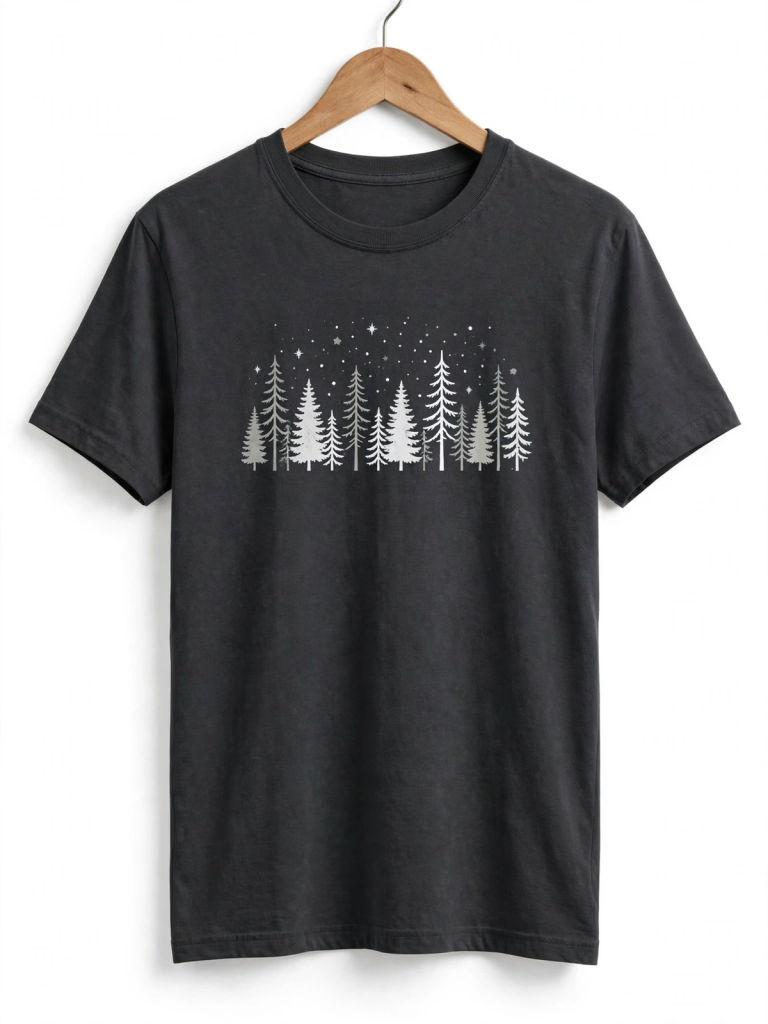
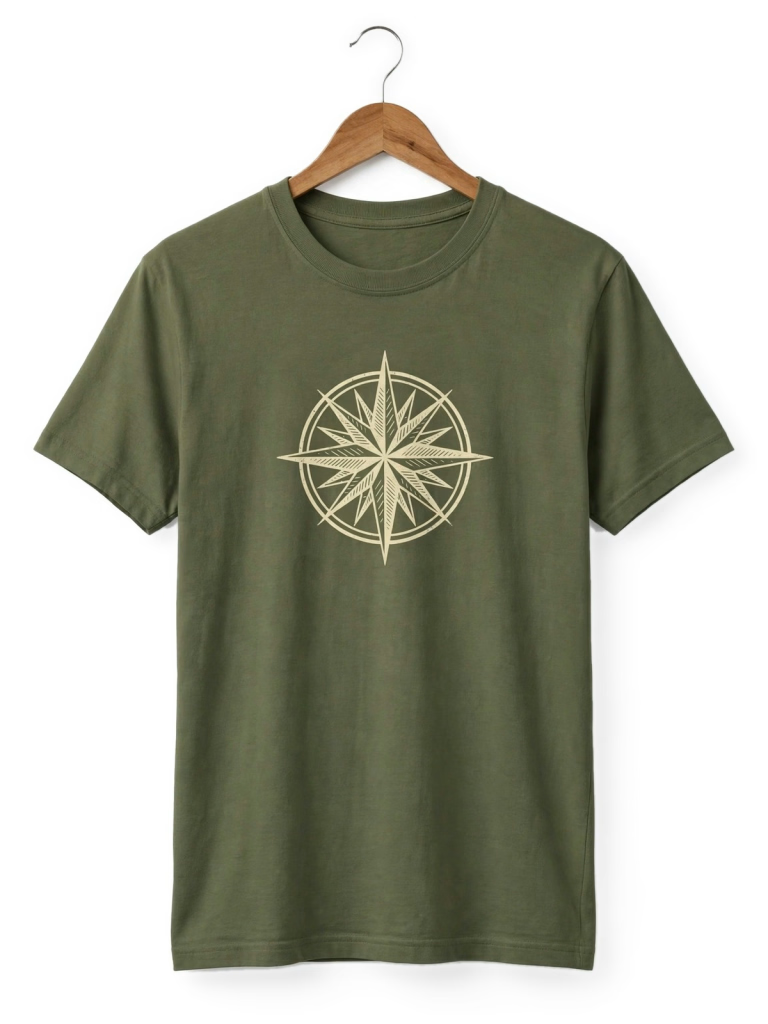
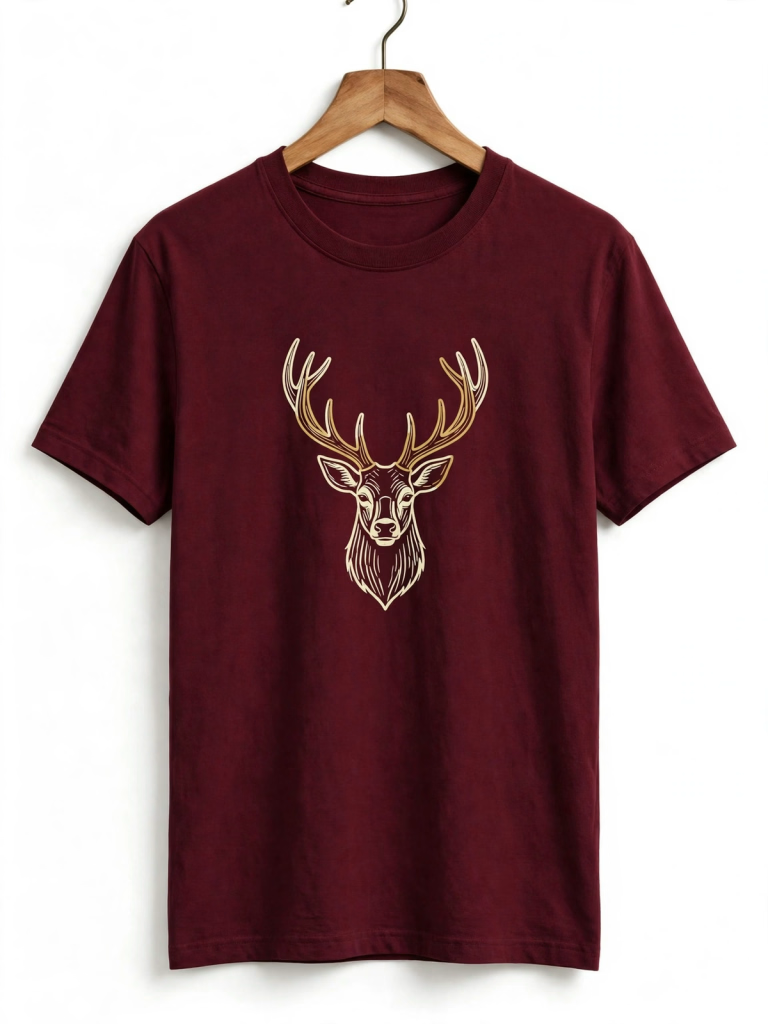
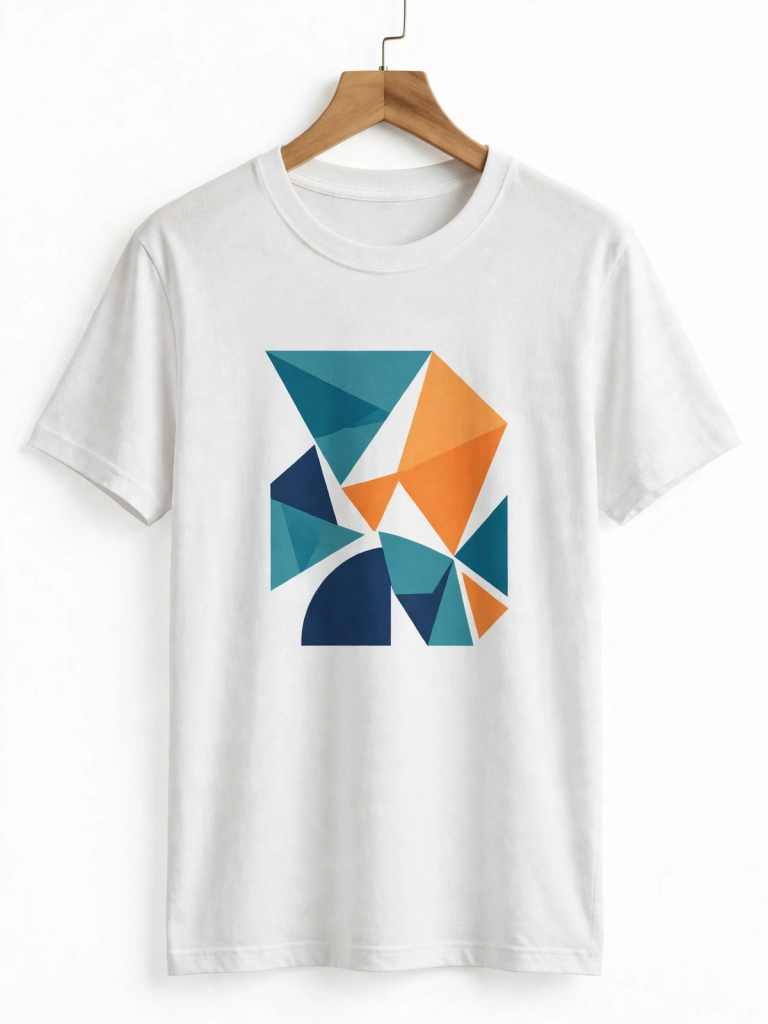
Spanish retail brands buy branding tees as merchandise: graphic shirts sold under their own label, often in seasonal drops with several designs sharing one blank. Acting as wholesaler for those programmes, Siatex holds the blank’s fabric, colour and fit constant across designs, so a whole drop feels like one range even though every shirt carries different artwork.
Drop timing drives the plan. Artwork approvals are scheduled backwards from the selling date, designs are proven together so one slow approval does not hold the whole drop, and cartons are packed by design and size for direct distribution to stores. Where a launch date cannot move, part of a drop can travel by air while the balance follows by sea.
Sizes, Fits and Colours Across the Branding Range
Programmes run from children’s sizes for school and club merchandise through extra small to double extra large in men’s and women’s fits. The standard garment is a regular-fit crew neck; V-neck, long sleeve and fitted women’s cuts are available from the same fabric families where a programme asks for them.
Colour choice follows the artwork. White and light shades give prints their brightest ground, black and navy carry light inks and embroidery with the strongest contrast, and fashion shades are dyed to your colour card. A size set is proven before bulk cutting, and the final inspection re-measures finished garments across the run.
Quality Control and Packing for Printed Programmes
Quality is checked at three points: fabric before cutting, garments on the line, and finished printed shirts before packing. Print position, colour match against the strike-off, collar setting, label accuracy and measurements are checked against the approved sample, and faulty pieces are removed before they reach a carton. Our quality assurance page explains how these checks run across every order.
Packing follows your instruction sheet: single shirts folded in polybags for retail merchandise, event sets packed by client or venue, or bulk cartons for distributor stock. Every carton is marked by design, colour and size, and the packing list states the exact contents of every box, so a mixed-artwork order can be split at your end without opening every carton.
From Bangladesh to France: Delivery Planned Around Your Event Date
Most programmes travel by sea, and the production calendar works backwards from your event or selling date. Sampling, artwork approval and bulk production are scheduled so cartons reach the port with time in hand, and your forwarder receives the packing details as soon as the goods are sealed. Our delivery and shipment team handles the handover the same way for every European market.
Where a date is truly fixed, a part shipment by air can carry the sizes and designs that matter first while the balance follows by sea. That split is planned with you at the approval stage, never improvised at the end, so the air freight budget is spent on the cartons that protect the date.
Start a Branding T-Shirt Programme With One Enquiry
Starting takes one clear enquiry. Send the artwork you plan to print, the colours and sizes you need, and the date the shirts must be in France. The merchandising team will reply with fabric options, a print method recommendation and a sampling plan, explained in plain language before you commit to anything.
Reach the team through our contact page and mention France and branding t-shirts, so your enquiry lands with the right merchandiser from the first message. Siatex supplies promotional distributors, event companies, retailers and corporate buyers across Europe and North America, and every programme is made to order in Bangladesh.
Frequently Asked Questions
Which print method suits our artwork?
Bold logos and slogans usually screen print best; photographs and fine gradients belong to digital printing; premium chest logos suit embroidery. Send the artwork with your enquiry and the team will recommend a method from the design itself, then prove it on a strike-off in your garment colour before bulk work begins.
Can one order carry several different designs?
Yes. Programmes often run several designs on one blank, with cartons packed and marked by design so distribution at your end is simple. Each design is proven on its own strike-off, and the blank’s fabric, colour and fit stay constant across the whole order.
How are French labelling requirements handled?
Care labels carry fibre content and care symbols in the order European programmes require, prepared at source during production. Your own woven labels and hangtags are applied in the same pass, so stock arrives ready for the French market with no relabelling work at your end.
What if our event date cannot move?
Tell the team the date with your first enquiry. Approvals are scheduled backwards from it, and where the sea schedule is too tight, part of the order can travel by air with the balance following by sea. The split is agreed in writing at the approval stage, so the date is protected by a plan rather than by hope.
Can we reorder the same design next season?
Yes, and that is how most campaigns here run. Your approved strike-off, ink references and garment specification stay on file, so a repeat prints in the same position and colours on the same blank. The repeat starts from the last approved standard, not from a new interpretation of your artwork.