
Why Nepal Buyers Source Wholesale Dri Fit Polo Shirts From Bangladesh
Nepal’s outdoor economy runs on people in uniform shirts: trekking and tour staff on the trails, hotel and resort teams, school sports departments, and companies fielding cricket and football sides. A dri fit polo looks professional in the morning and still looks professional after a day outside, which is exactly what those buyers are paying for when they order wholesale dri fit polo shirts instead of ordinary cotton.
Bangladesh is set up for this product at volume. The same factories that sew performance polos for European sports brands run these programmes, with embroidery, labelling and packing inside the same order. Your approved sample stays on file, and repeat orders come back against the same standard rather than starting from zero each season.
Geography helps the numbers too. Bangladesh and Nepal trade inside the same region, freight routes are short, and a performance polo programme does not need to cross the world to reach Kathmandu. The landed price stays competitive because the route is short as much as because the sewing is efficient.
Wholesale Dri Fit Polo Shirts Supplier in Bangladesh for Indian Sports Clubs
Indian sports clubs order team polos that must survive a full season of matches, training and washing. Working as your supplier, Siatex agrees the fabric weight, collar construction and embroidery placement in writing before production, then sews a labelled pre-production sample for your sign-off, so the bulk run is judged against a garment you have already approved.
Supplier discipline shows in the details around the garment. Size ratios follow your entry list, cartons can be packed by team or by size for easy distribution, and every box is marked so stock can be booked in from the packing list without opening cartons. One merchandiser follows your account from the first sample to the final carton.
The Performance Fabric: What Makes a Polo Dri Fit
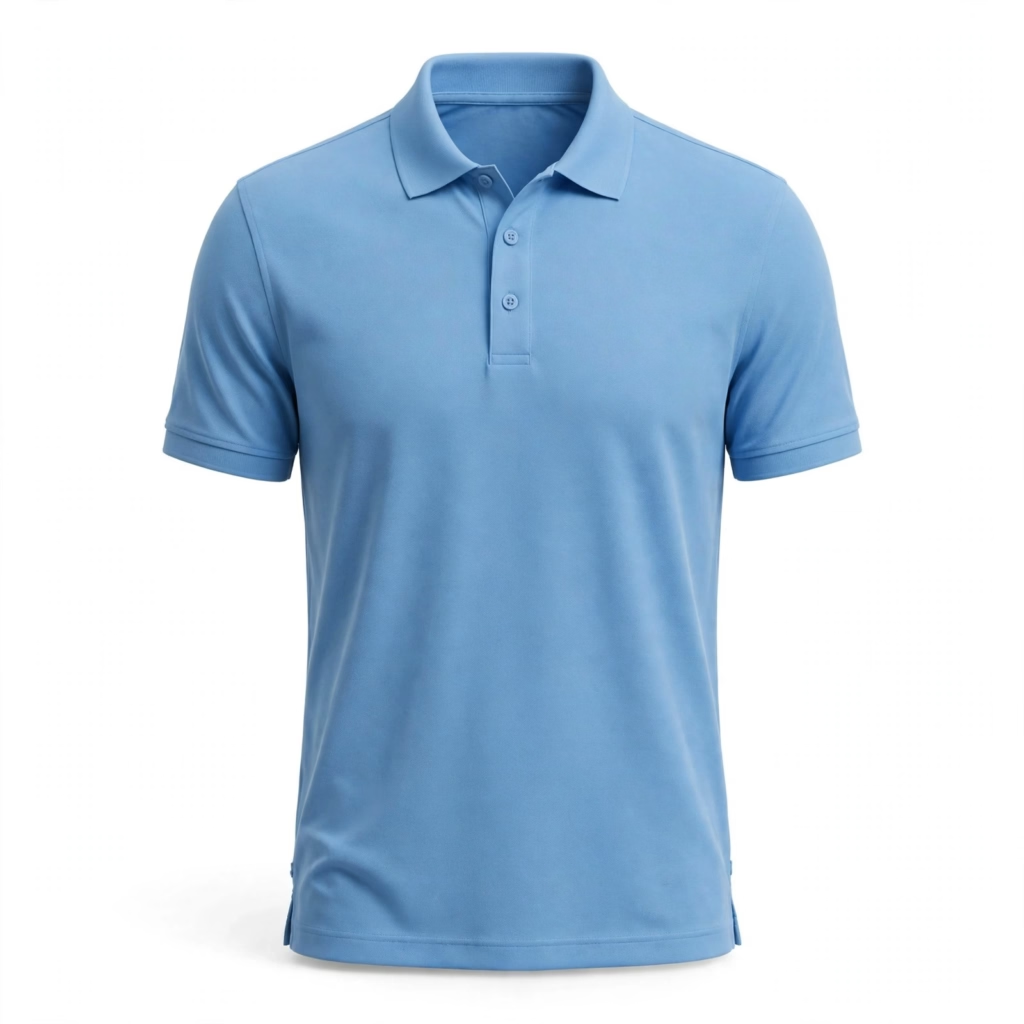
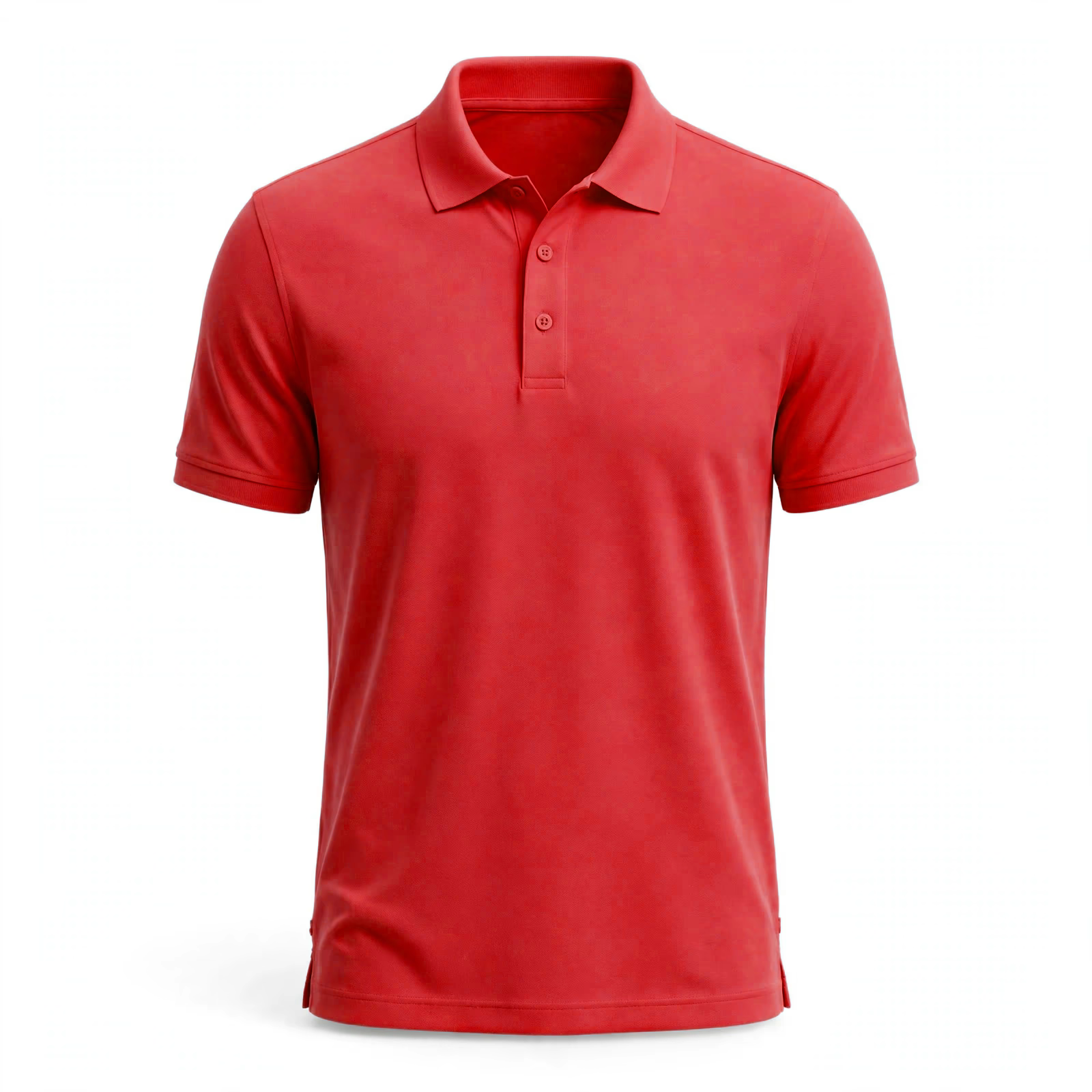
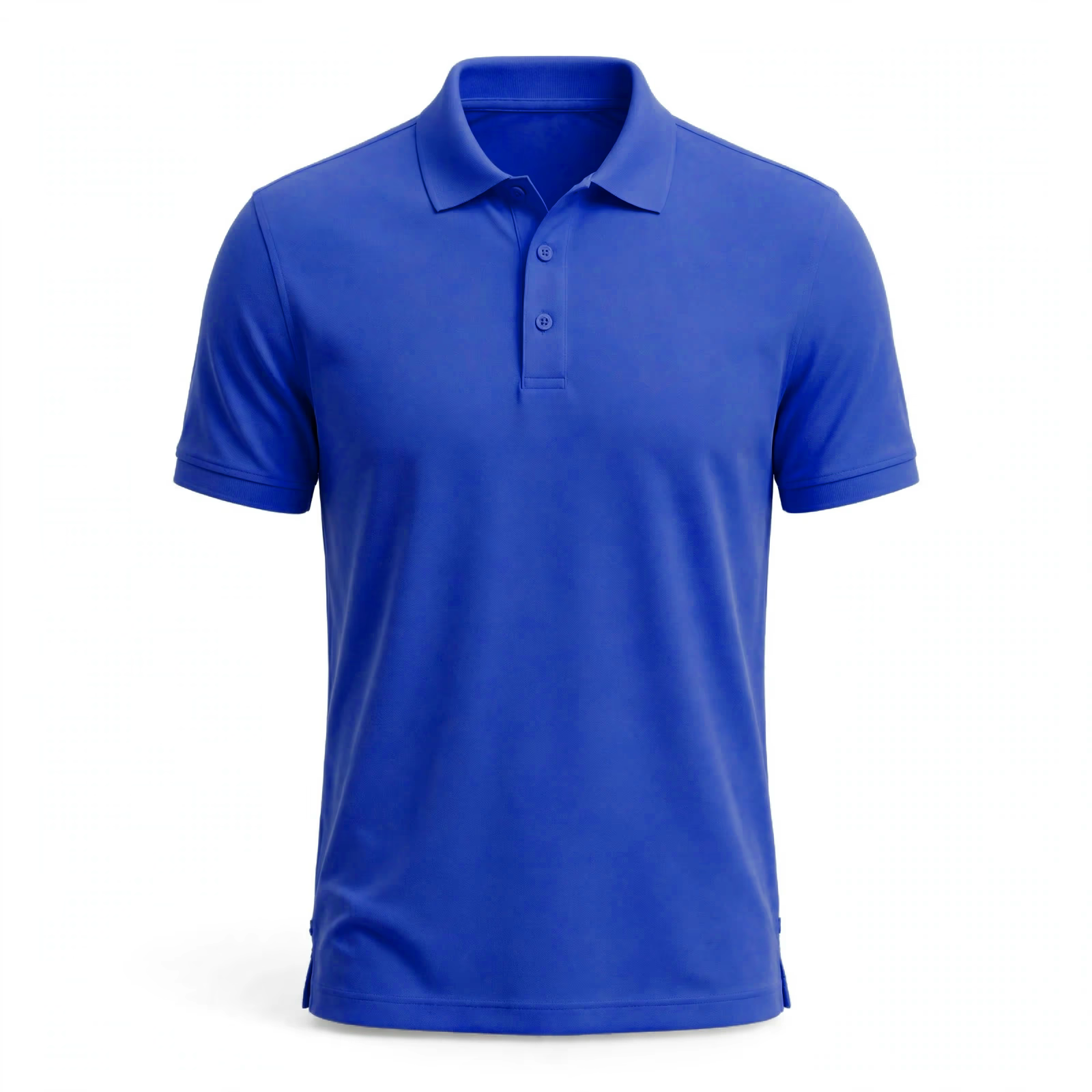
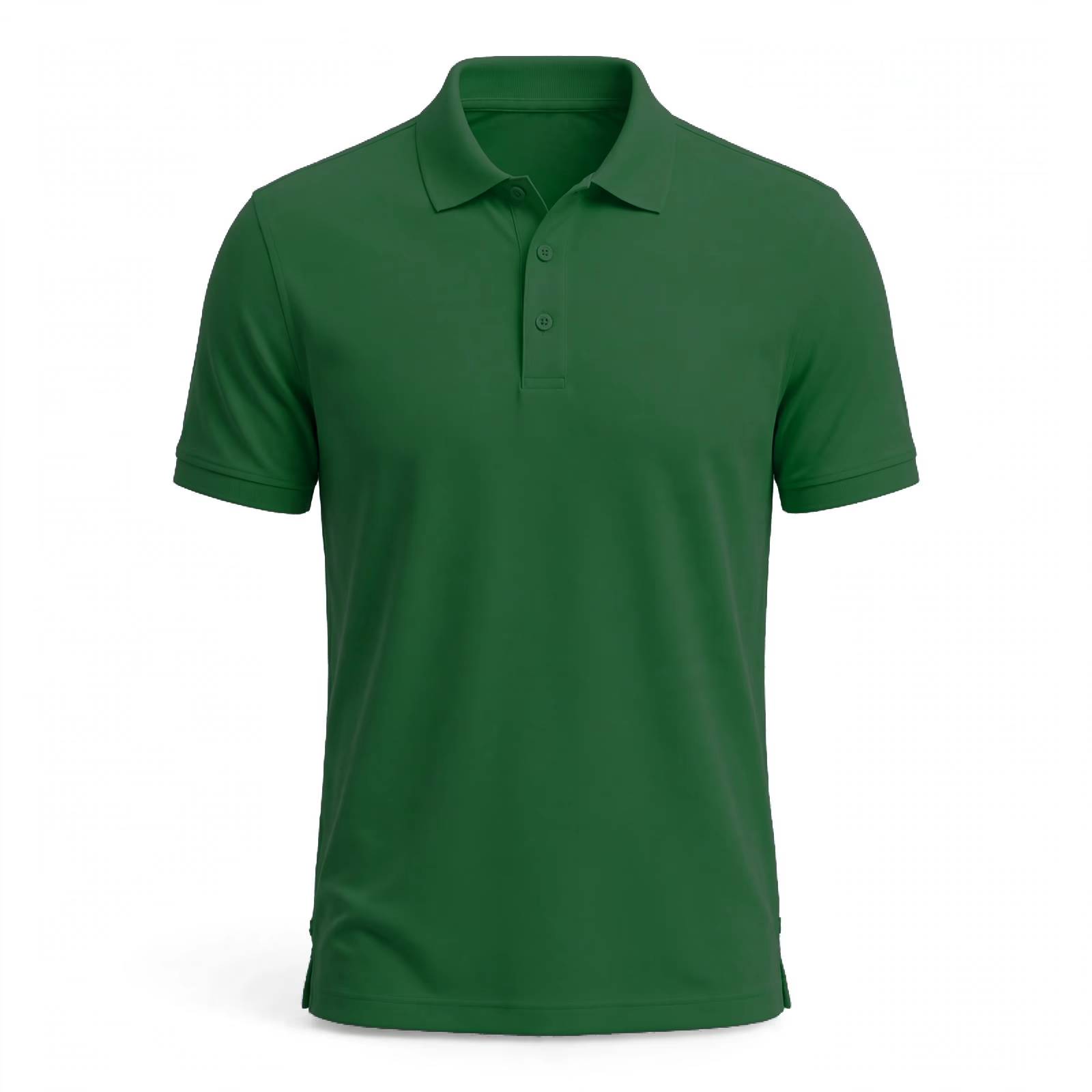
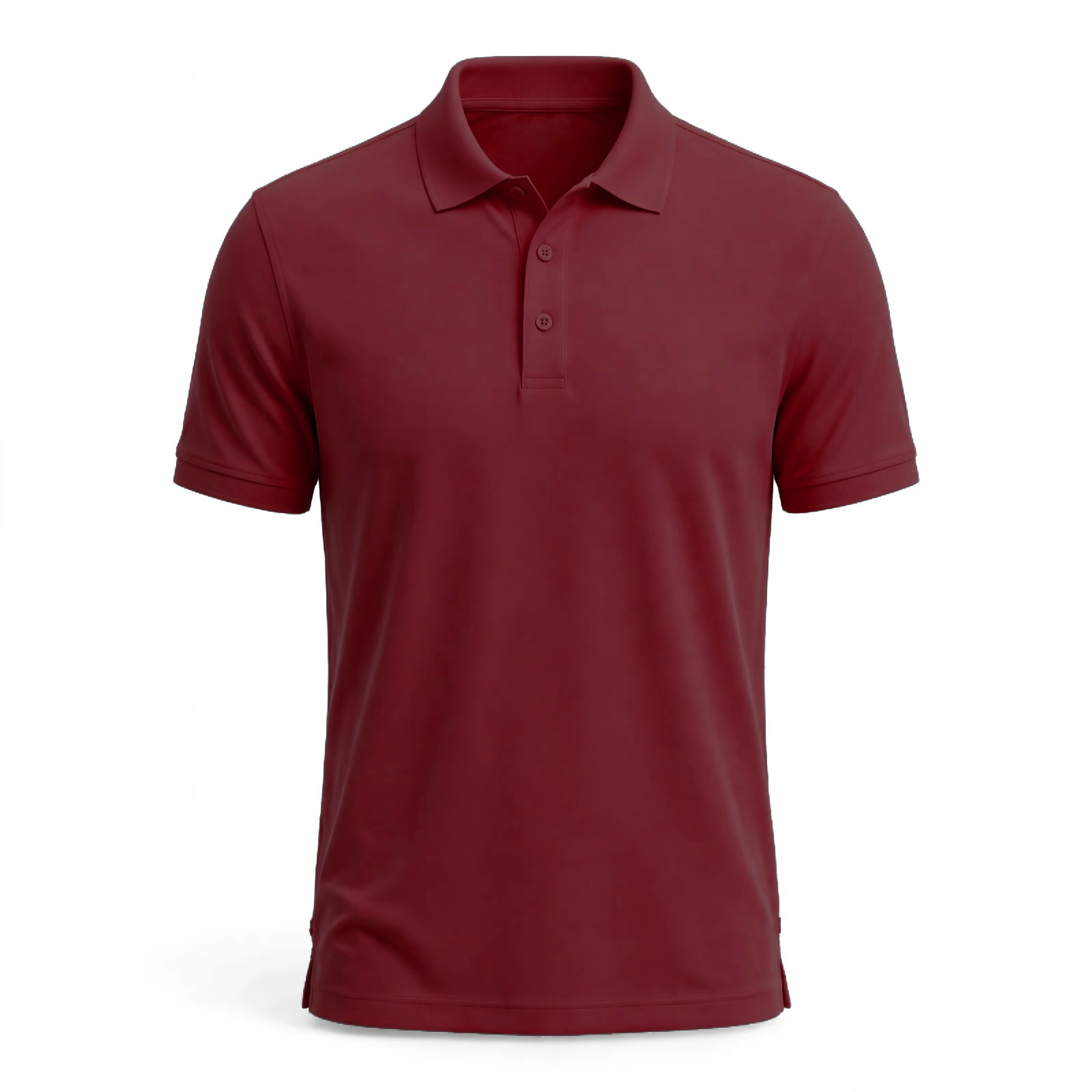
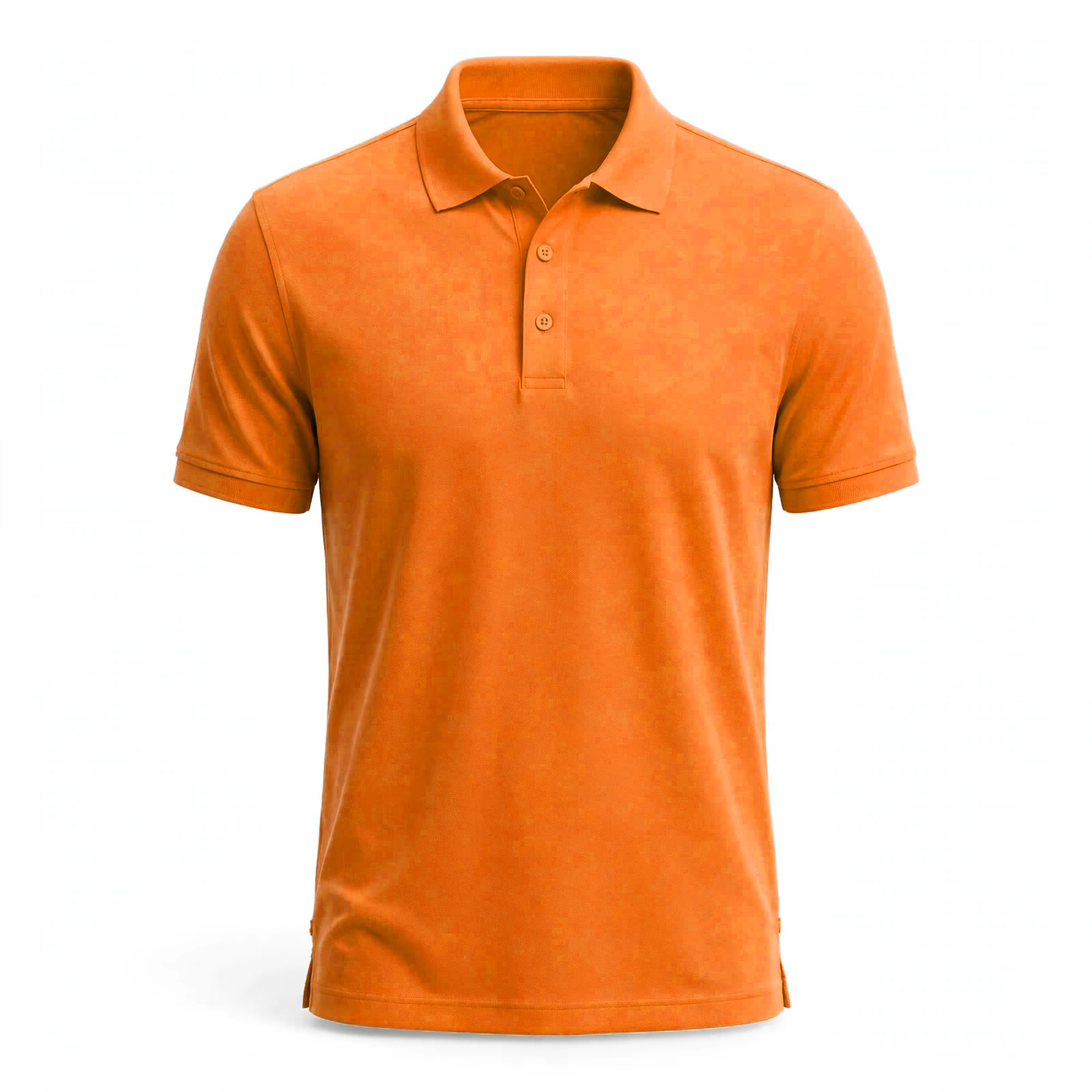
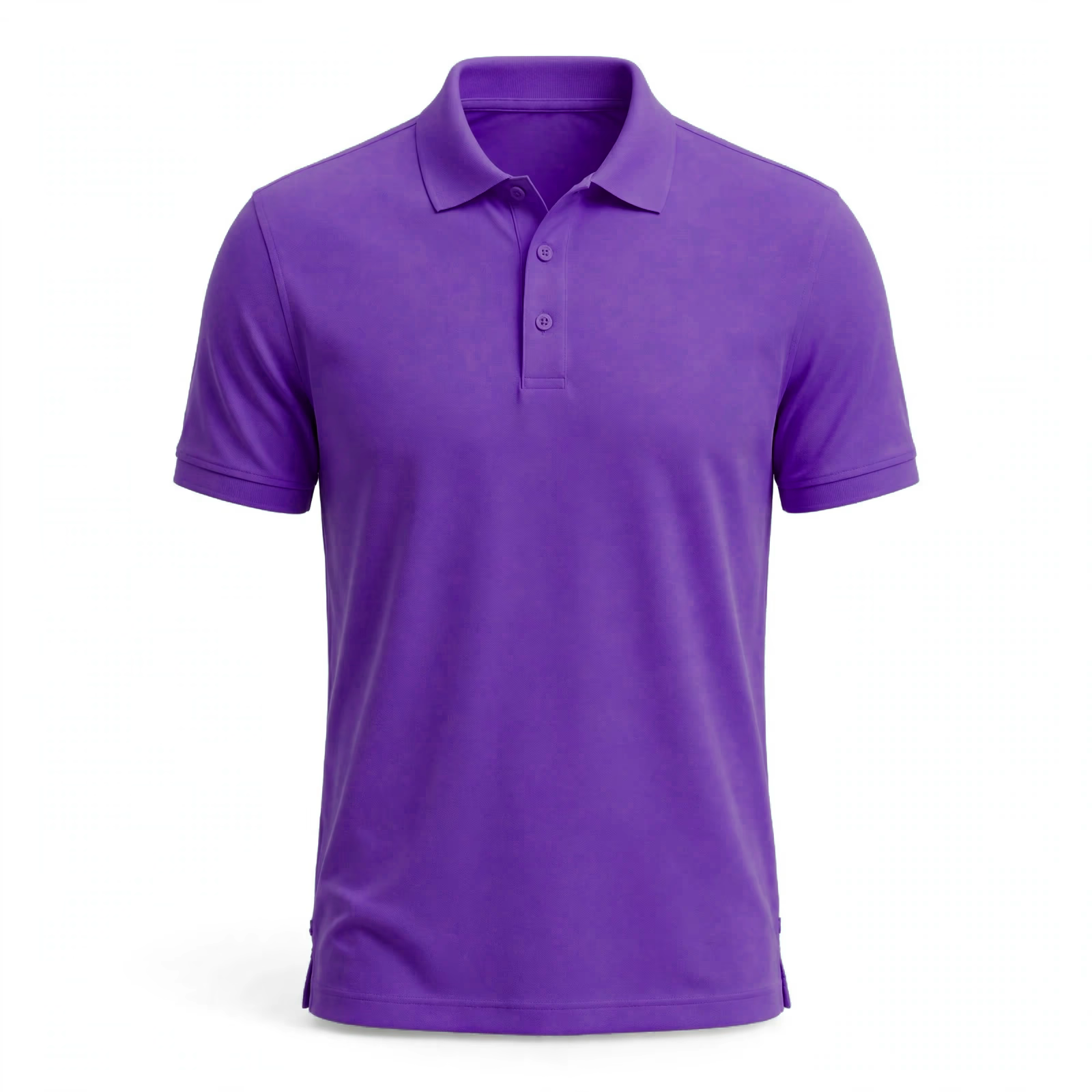
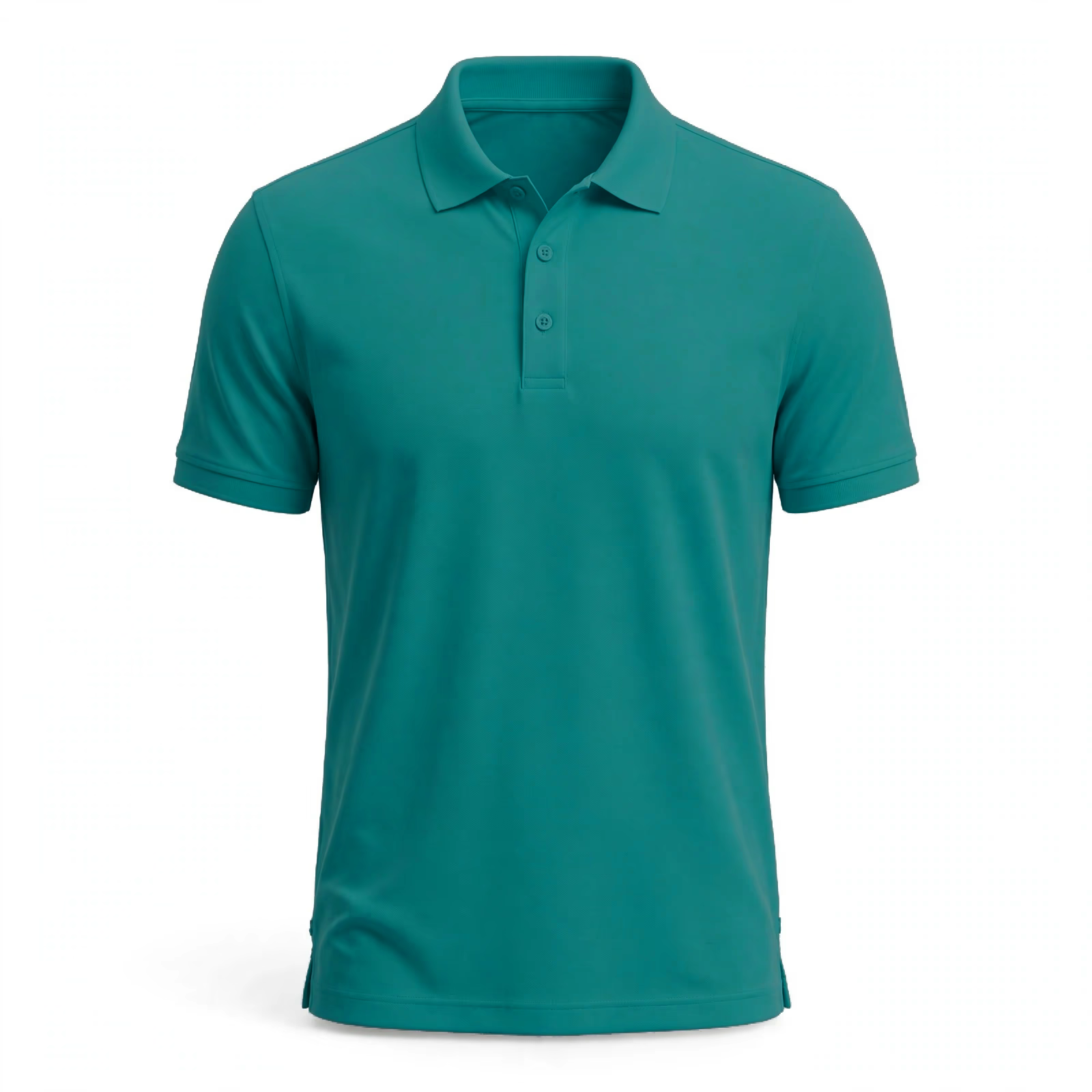
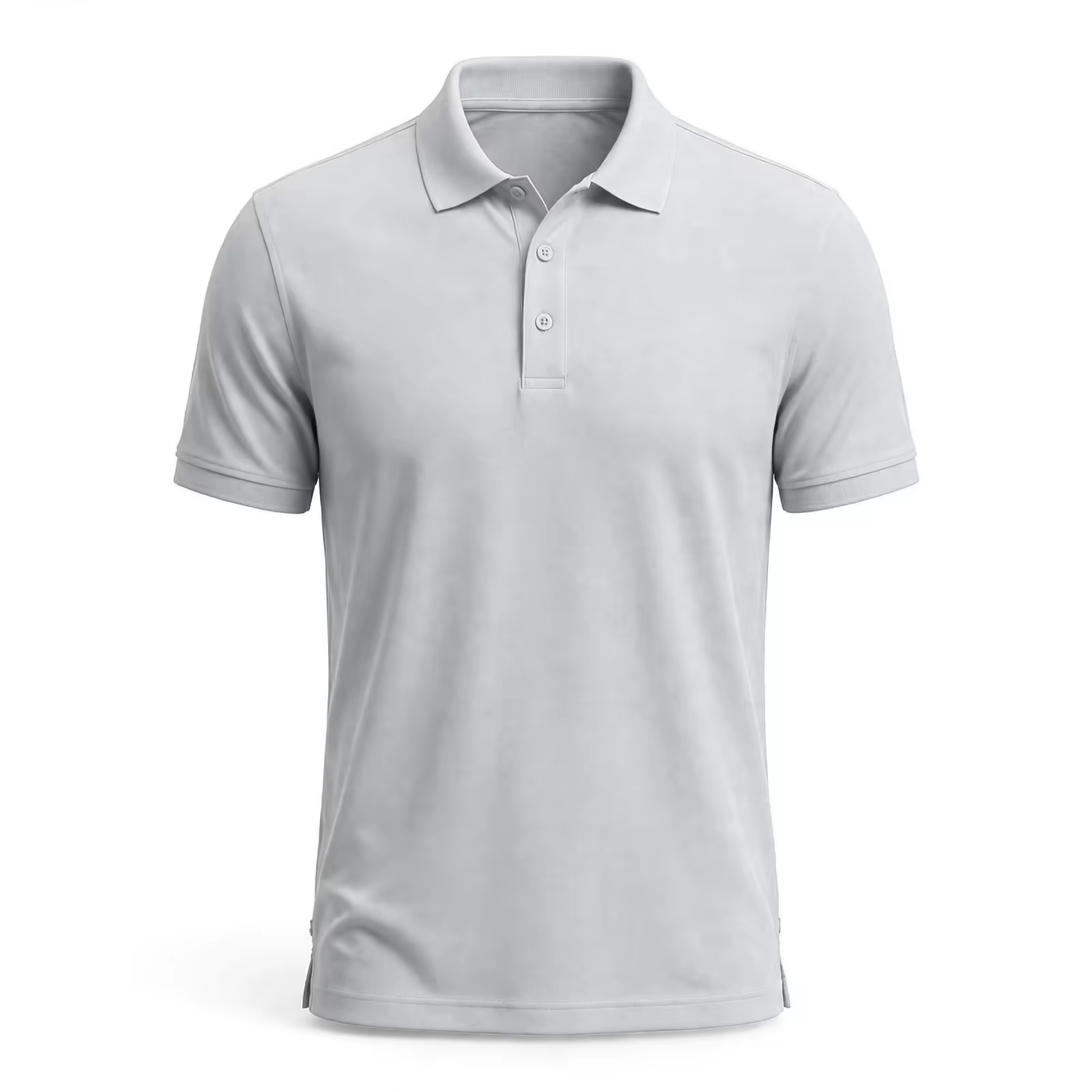
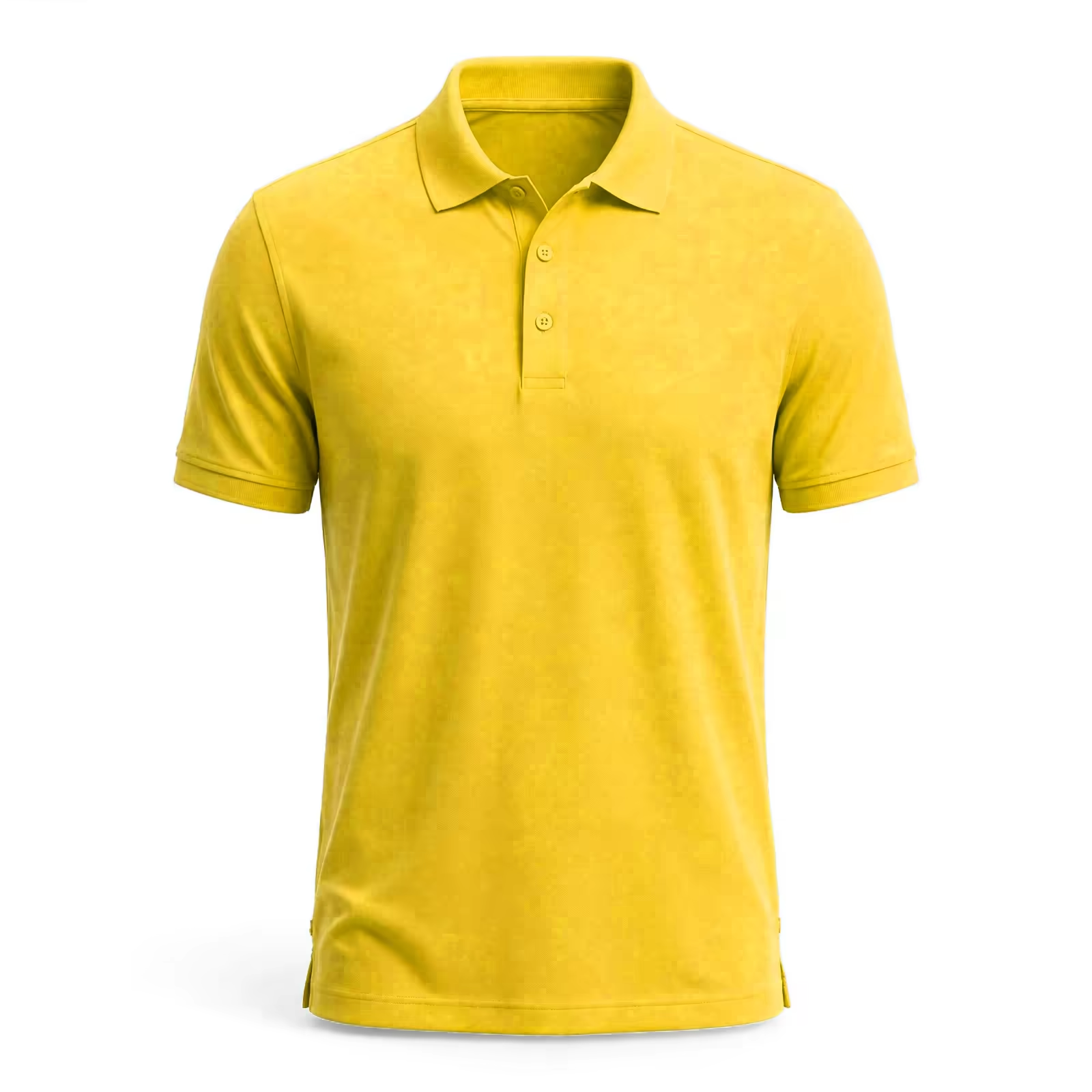
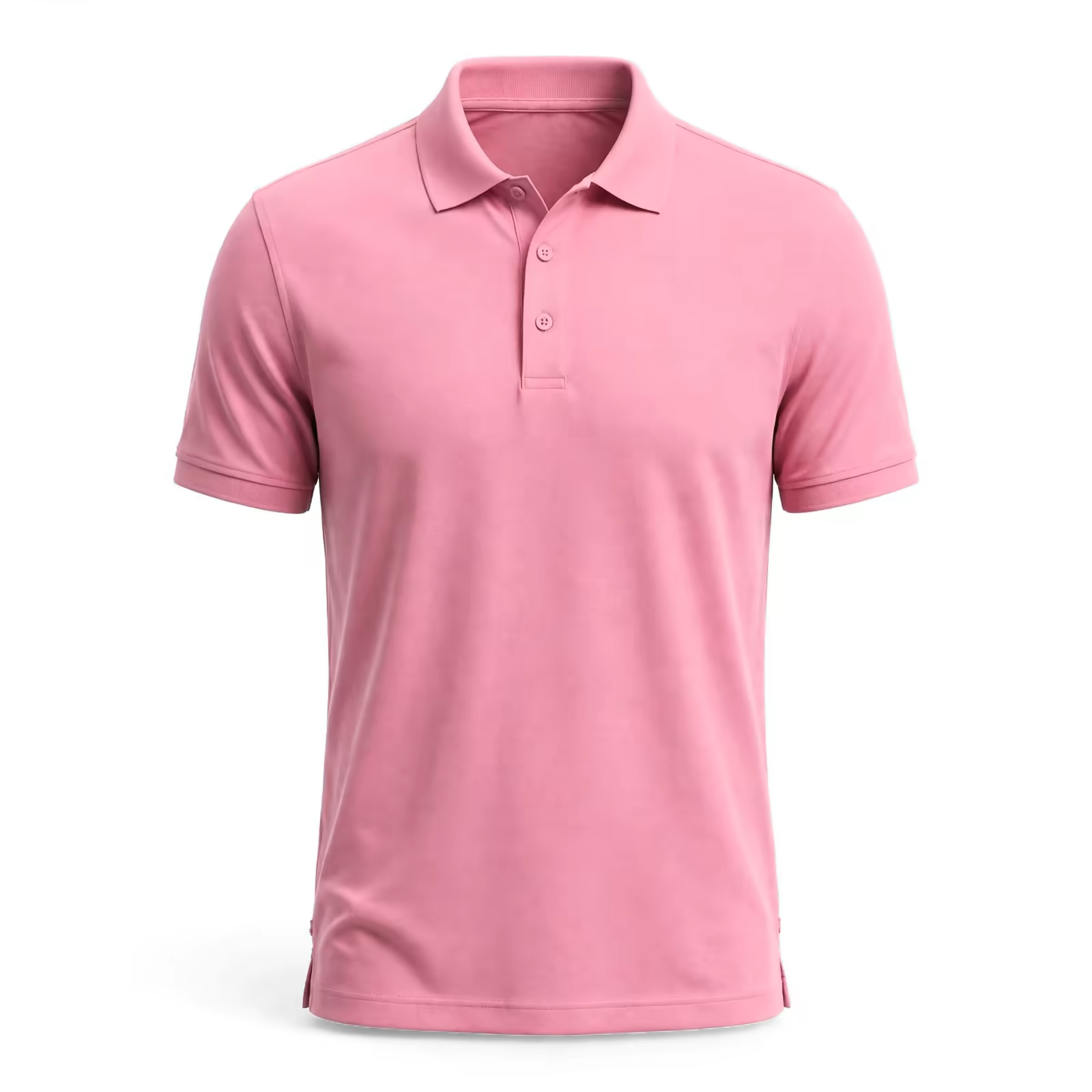
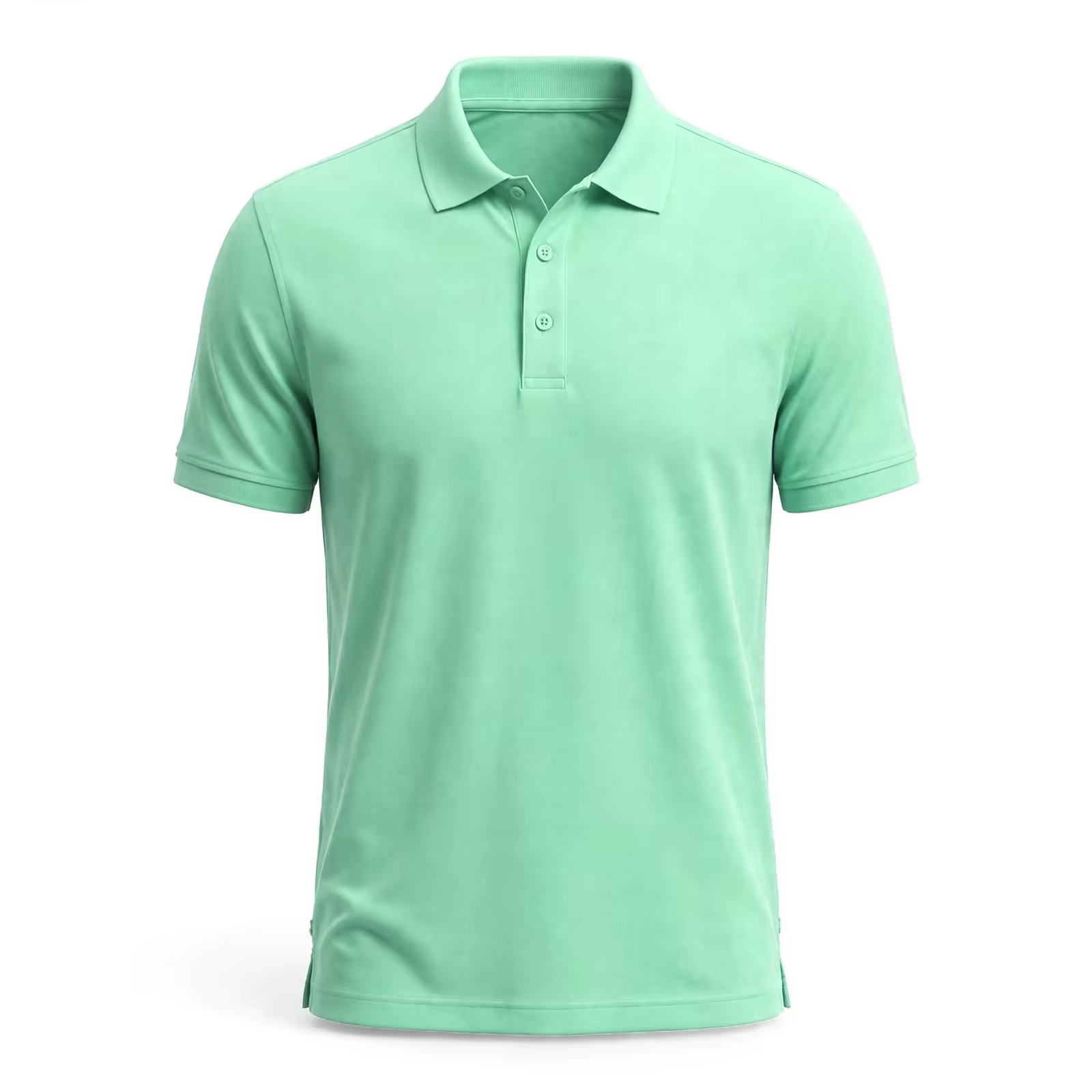
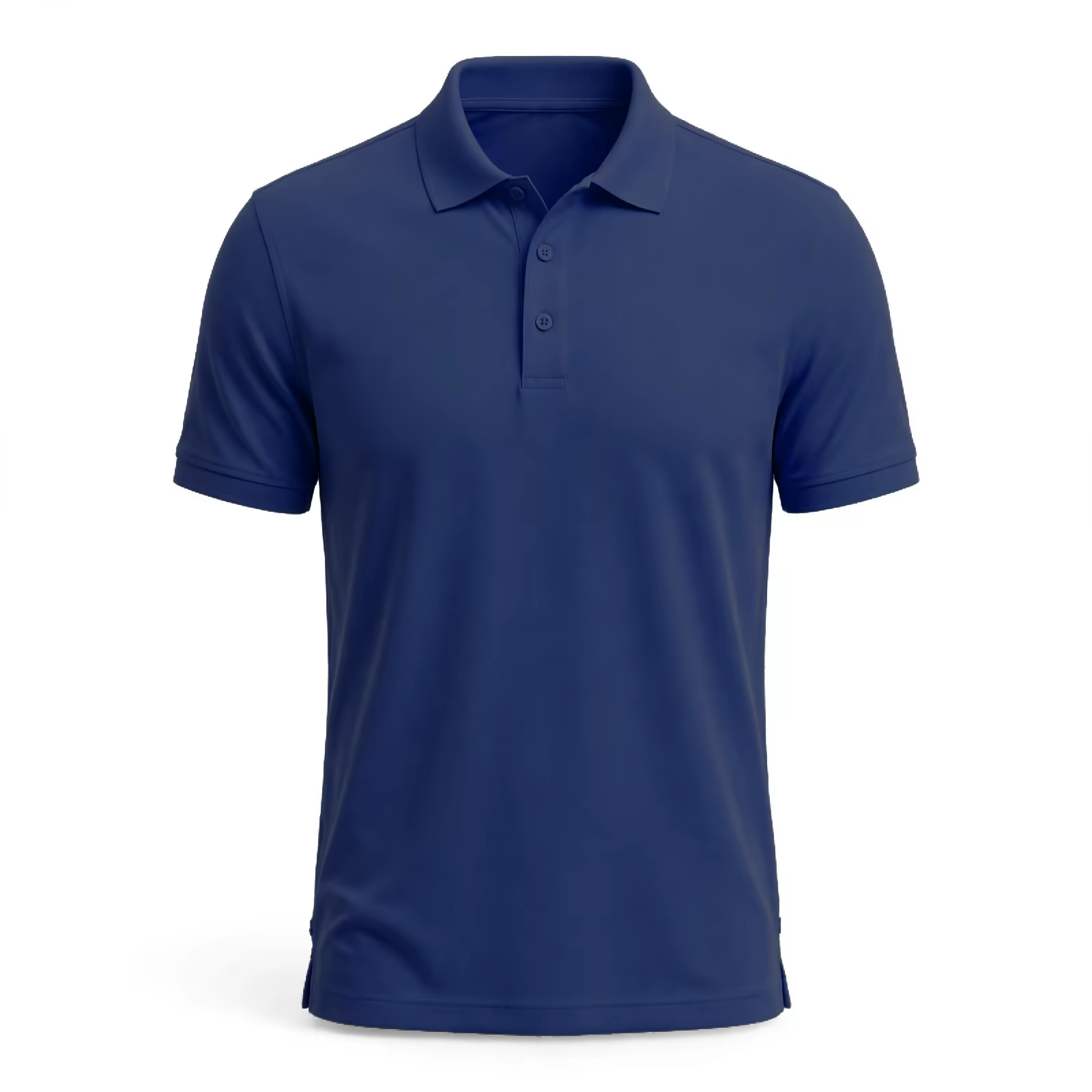
The twelve polos pictured on this page show the standard garment: a clean pique surface, a collar that stands properly, and colours that hold through the wash. Dri fit performance comes from the yarn and the finish together: polyester filaments that do not absorb water, a knit that lets air move, and a moisture management treatment that spreads sweat across the surface so it evaporates instead of clinging.
Buyers who compare fabrics before ordering can also review our sportswear range for training tops and team kits in the same performance family. Clubs that want their crest printed rather than embroidered can add that through our t-shirt printing route, proven on the polo fabric before bulk. For buyers who need tested fabric qualities, cloth tested for harmful substances under the OEKO-TEX programme can be requested.
Colours, Sizes and Fits Across the Polo Range
Programmes run from extra small to double extra large in men’s fits, with women’s cuts available from the same fabric where a club or company asks for them. The standard polo is a regular fit with short sleeves; long sleeve versions can be quoted from the same cloth for cooler months in the hills.
Colour is where teams make the polo their own. The core range covers the colours pictured here, and mixed colour programmes are packed separately by shade and marked clearly, so a two-colour club order arrives ready to split. Where a buyer needs a colour outside the core range for a large programme, it is dyed to the buyer’s standard and approved from a lab dip before bulk.
Wholesale Dri Fit Polo Shirts Exporter in Bangladesh for Bhutanese Tour Companies
Bhutanese tour and trekking companies dress guides and drivers in polos that work at altitude and in the valley heat of the same working day. Working as your exporter, Siatex schedules those orders around the season: samples approved before the tourist months, bulk delivered with time to kit out staff before the first groups arrive.
Export handling is prepared alongside production. Carton marks, packing lists and invoices follow the format your forwarder expects, and the paperwork agrees with the physical shipment. A polo programme that lands late or miscounted costs a tour company real money in season, so the documents are checked with the same care as the garments.
Your Badge on the Chest: Embroidery and Private Labels
Most Nepal programmes carry the buyer’s own identity. Chest embroidery is stitched to your artwork, your woven neck label and size labels are sewn in during production, and hangtags can be added for retail programmes. An embroidered sample is approved before bulk, because a crest that looks right on screen can still stitch badly, and the time to find out is at sampling.
Your artwork stays yours. Embroidery files and labels are used only on your programme, overruns are counted and reported, and faulty pieces are removed before packing rather than shipped and sorted later. What carries your name is checked like it carries ours.
A Polo Shirt Factory in Bangladesh Set Up for Performance Fabrics
Behind the programme sits a factory arrangement where synthetic performance cloth is handled every day: cutting tables set for slippery knits, needles and threads matched to polyester pique, and pressing that sets the collar without glazing the fabric. That daily familiarity is what keeps a dri fit polo looking sharp instead of tired after its first wash.
Continuity is protected with retained references. Your approved polo, its embroidery file and a cutting from the last bulk run stay with your file. A club that reorders next season gets the same shirt, and any drift in colour, collar or crest placement is caught against the retained sample before cartons are sealed.
Wholesale Dri Fit Polo Shirts Wholesaler in Bangladesh for Sri Lankan Schools
Sri Lankan schools order house and sports polos in waves around the school year, often several house colours inside one shipment window. Acting as wholesaler for those programmes, Siatex holds each colour’s standard separately while the shipping runs together, so the arrival can be split by house at the first warehouse check.
Wave timing drives the plan. Approvals are scheduled backwards from the term date, and where one colour’s approval runs late it does not hold the colours already signed off: finished cartons can travel ahead while the balance follows. School calendars do not move, so the production plan is built around them from the start.
Quality Control and Packing for Polo Programmes
Quality is checked at three points: fabric before cutting, sewn garments before embroidery, and finished polos before packing. Measurements, collar setting, button attachment, embroidery accuracy and surface faults are checked, and pieces that fail are removed before they reach a carton. Our quality assurance page explains how these checks run across every order.
Packing follows your instruction sheet: single polos folded in polybags for retail, ratio packs for team issue, or bulk cartons for staff uniforms. Every carton is marked by colour and size, and the packing list states the exact contents of every box, so a mixed-colour order can be split at your end without opening every carton.
From Bangladesh to Nepal: Short Route, Planned Properly
Most Nepal programmes travel by air to Kathmandu or by the regional land route, and the production calendar works backwards from your season start. Sampling, embroidery approval and bulk production are scheduled so cartons arrive with time in hand, and your forwarder receives the packing details as soon as the goods are sealed. Our delivery and shipment team handles the handover the same way for every market.
Where a date is fixed, a part shipment by air can carry the sizes that matter first while the balance follows. That split is planned with you at the approval stage, never improvised at the end, so the freight budget is spent on the cartons that protect your date.
Care, Durability and Reorders Season After Season
A dri fit polo is bought to be washed constantly, so durability is tested where it actually fails: collar shape, button stitching and colour fastness under repeated washing. The retained sample from your first order is compared with production pieces on reorders, which is how a club’s third-season shirts still match its first-season ones on the team photograph.
Care is simple for the wearer: machine wash, no ironing needed in most cases, and the shirt dries fast enough to be back in service the same day. Care labels carry the instructions your market requires, and where a school or club issues care guidance to parents or staff, the wording can be matched on the label at production.
Reorders are where the programme earns its keep. With fabric, embroidery files, labels and the approved sample already on file, a returning order skips the early sampling rounds and moves to a confirmation sample and a delivery slot booked around your season. Most clubs reorder the same colours with an updated size ratio as squads and staff change.
Start a Polo Programme With One Enquiry
Starting takes one clear enquiry. Send the colours and sizes you need, your crest artwork if you have it, and the date the shirts are needed. The merchandising team will reply with fabric options and a sampling plan, explained in plain language before you commit to anything, starting with an embroidered sample of the wholesale dri fit polo shirts in your lead colour.
Reach the team through our contact page and mention Nepal and polo shirts, so your enquiry lands with the right merchandiser from the first message. Siatex supplies clubs, schools, companies and importers across South Asia, Europe and North America, and every programme is made to order in Bangladesh.
Frequently Asked Questions
Is dri fit better than cotton for staff uniforms in Nepal?
For outdoor and active roles, usually yes. The polyester pique dries fast, keeps its colour and collar through frequent washing, and stays comfortable in warm weather. For formal indoor uniforms some buyers still prefer cotton or a blend, and both can be quoted from the same programme family.
Can our school or club crest be embroidered on the polo?
Yes. Embroidery is stitched to your artwork and approved on a sample before bulk production, because stitch quality can only be judged on cloth. The approved embroidered polo is then held as the standard for the whole run, alongside the plain approved sample.
What sizes can we order for a team programme?
The standard range runs from extra small to double extra large in men’s fits, with women’s cuts available from the same fabric. Size ratios follow your entry list, and cartons can be packed by size or by team so distribution at your end is simple.
Can the polos carry our own label inside?
Yes. Your woven neck label, size labels and hangtags are applied during production, and overruns are counted and reported. Your labels and embroidery files are used only on your programme and never on any other buyer’s order.
What if our season start date cannot move?
Tell the team the date with your first enquiry. Approvals are scheduled backwards from it, and where the full shipment cannot make it, part of the order can travel by air while the balance follows. The split is agreed in writing at the approval stage, so the date is protected by a plan.