
Top 10 Bangladesh Segment 1 Manufacturers for International Buyers
Ranges are planned in segments, and segment 1 holds the volume: the t-shirts, polo shirts and fleece tops a range is built on before fashion pieces join it. A USA buyer places this core segment first, because later styles hang off the same cloth and colour standards. A buyer in Germany does the same, checking one maker can hold those standards across every basic.
This guide compares the ten names buyers shortlist for that core work. It opens with Siatex Bangladesh, then profiles the export groups, so a buyer can weigh each Bangladesh segment 1 manufacturer, supplier and exporter before committing basics to one order sheet.
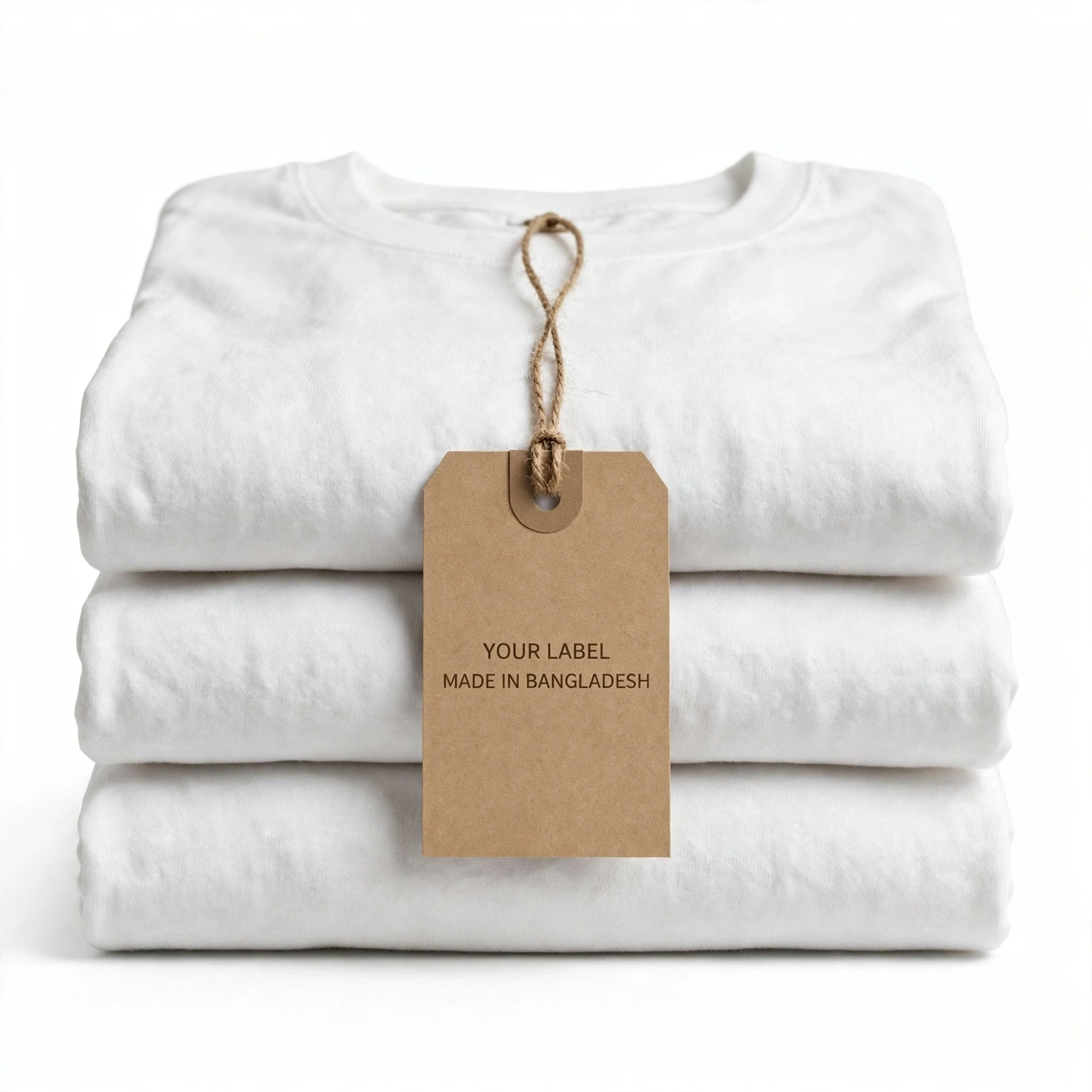
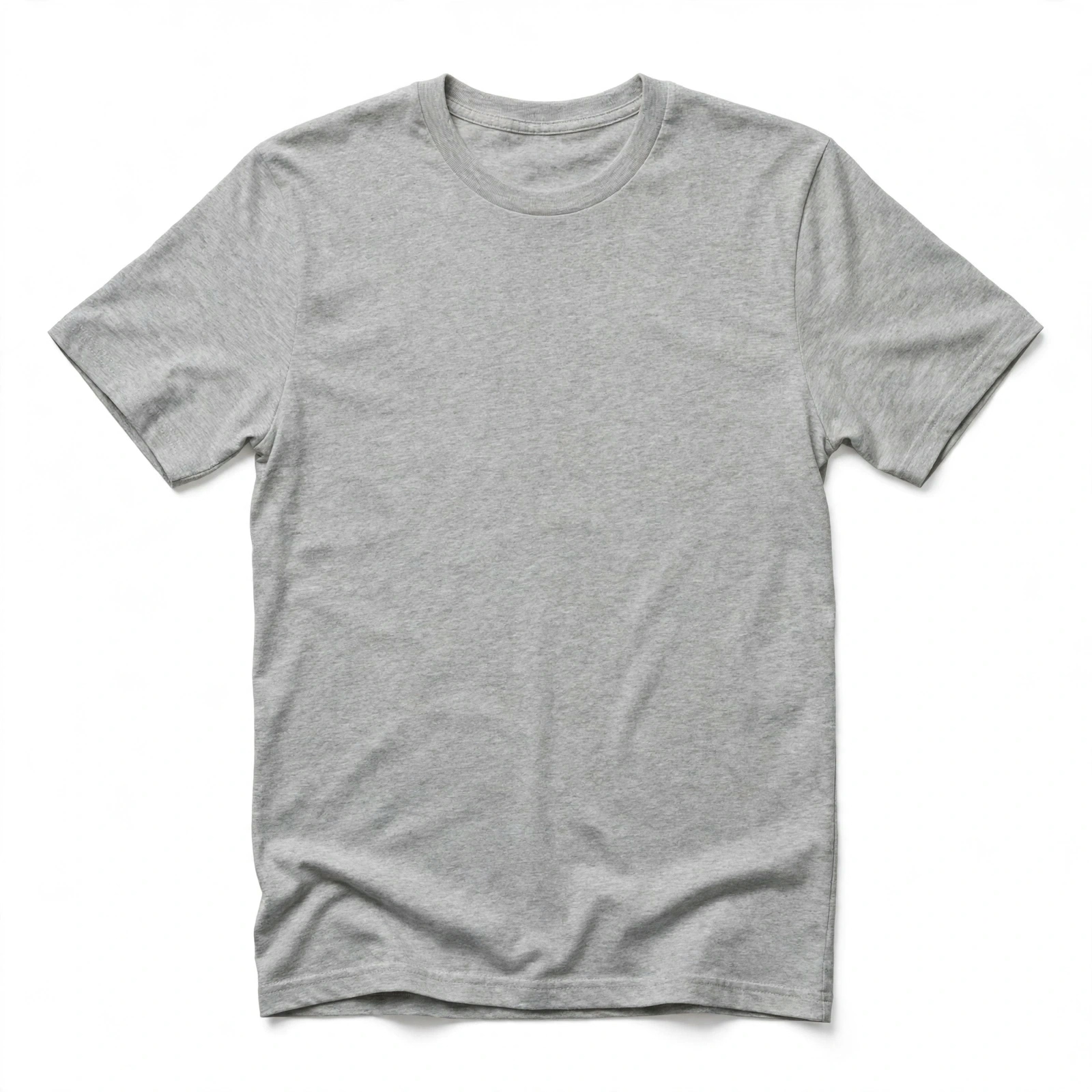
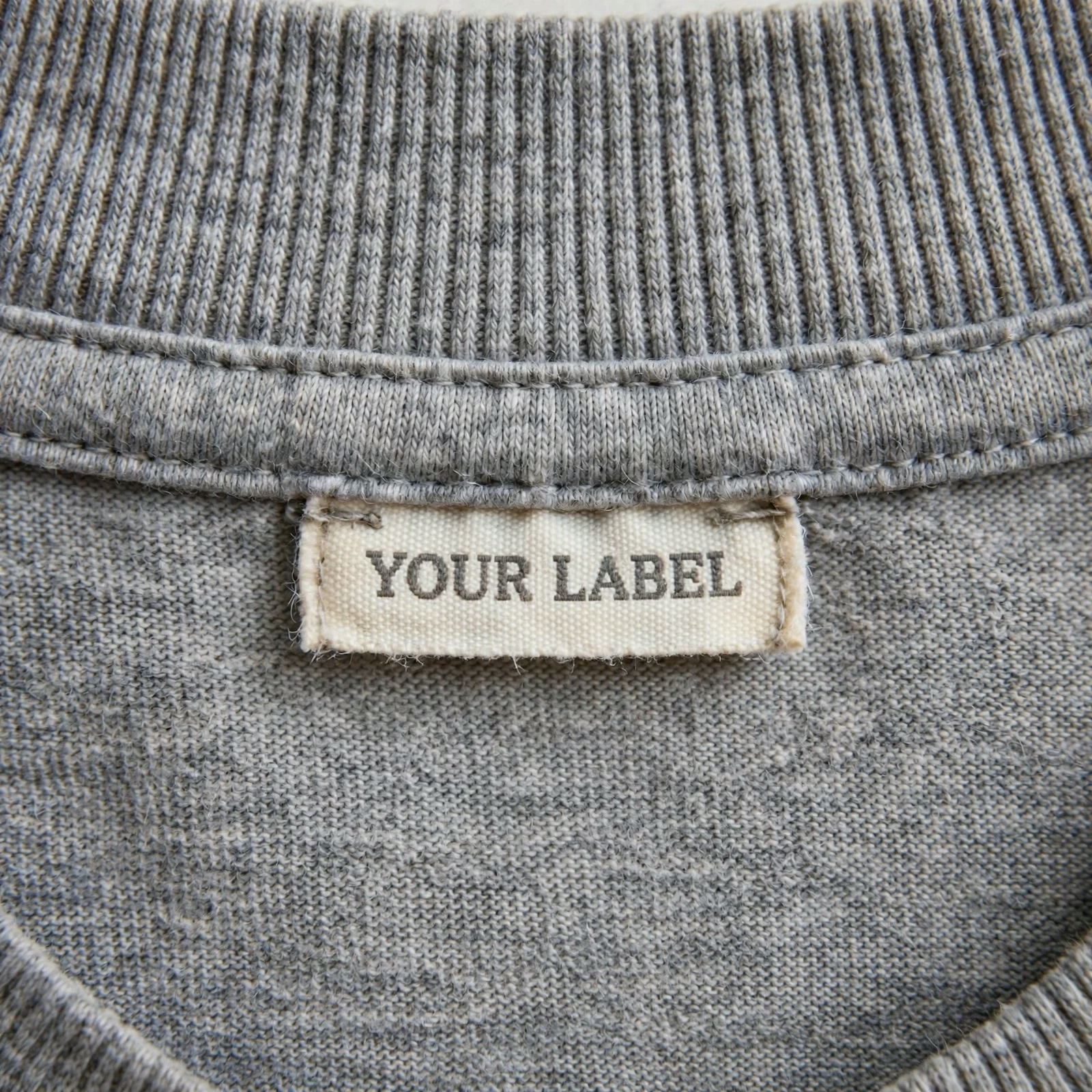
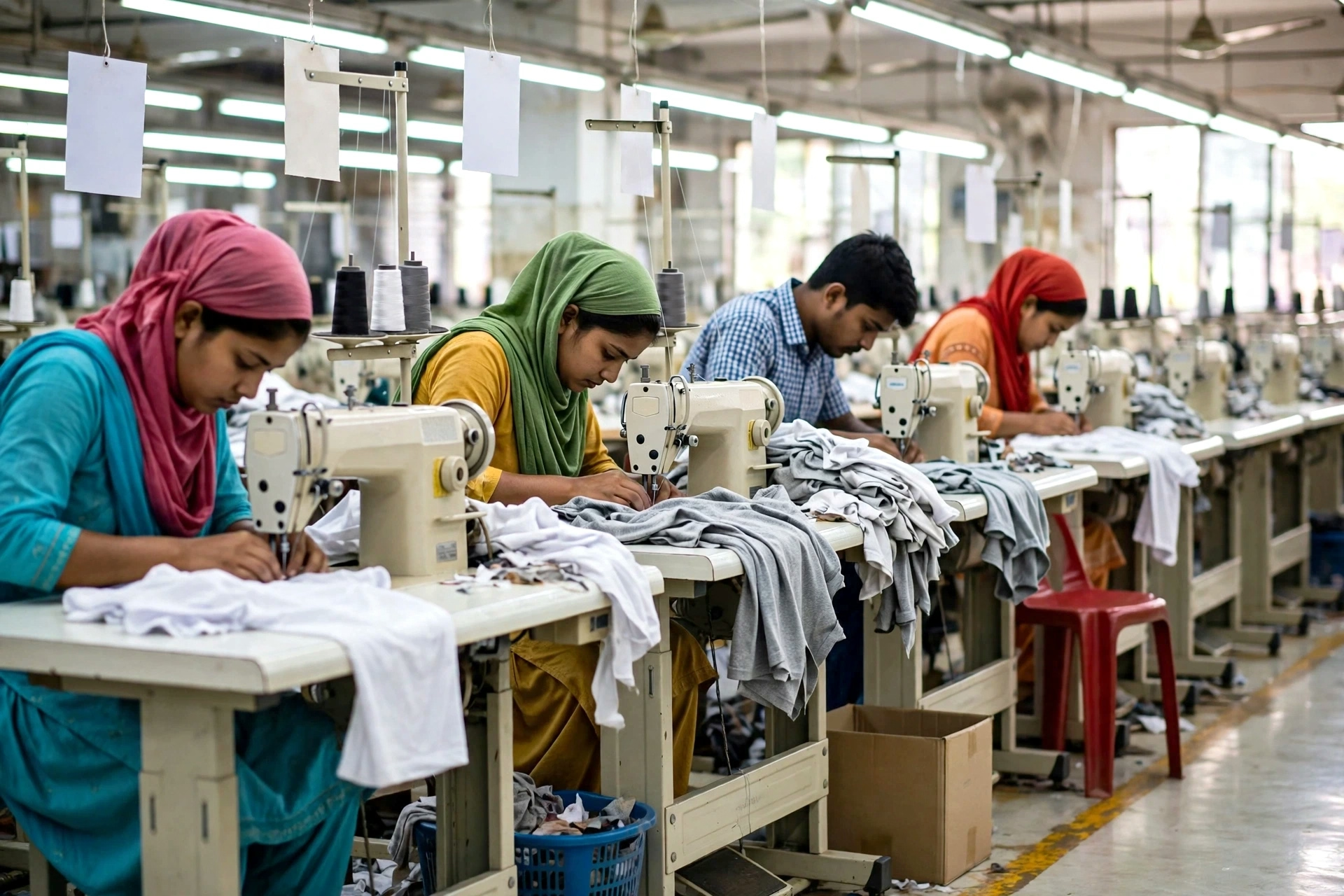
How We Ranked the Bangladesh Segment 1 Manufacturers and Suppliers
We ranked each manufacturer on points a buyer can verify before paying for samples. Nobody paid for a place, and the order follows strength in knit basics, not advertising.
- Basics depth: plain tees, polos and fleece are core lines, not fillers
- Shared cloth platforms: one jersey or fleece base carried across styles
- Colour continuity: shades held steady from first order to last repeat
- Segment handling: several styles planned and costed on one order sheet
- Sampling speed: a clear sample route with named follow-up
- Delivery record: repeat programmes shipped on agreed dates
One honest point: the largest groups plan around chain-store calendars. A mid-size buyer splitting a range into segments gets closer attention from a direct manufacturer, so segment handling carries weight here.
Whichever name you shortlist, hold them to the same buyer basics:
- Every style in the segment made to order, never pulled from held stock
- Your label, print and packaging on each garment
- Samples for each core style approved before bulk cutting
- Export documents prepared for the destination market
The Top 10 Bangladesh Segment 1 Manufacturers for Knit Programmes
1. Siatex Bangladesh
Siatex Bangladesh has made garments for export since 1987, and core knit basics are the centre of our made-to-order work. As a segment 1 manufacturer and exporter, we build t-shirts, polos and fleece tops to your specification, under your label, with your print and packing. Nothing is held in stock; nothing carries our name.
Because the segment sits with one maker, cloth is planned once across styles, so a white tee and a white fleece top leave the factory in one shade. UK buyers build their opening basics with us for that reason, and Australian buyers reorder the same lines each season.
- Best for: importers, wholesalers and private label brands building a range
- Fabric range: single jersey, pique, fleece and interlock in cotton and blends
- Custom work: your label, print, embroidery and retail-ready packing
- Ordering: the segment costed on one order sheet, style by style
See our t-shirt manufacturer page for the styles behind segment 1 orders.
2. Viyellatex
Viyellatex runs a vertically organised knit operation, with knitting and dyeing beside its sewing lines. Buyers value that control: one cloth platform feeds tees, polos and fleece in matching shades.
- Strength: vertical knit production under one group
- Best for: segments needing one cloth story across styles
- Note: group programmes are planned ahead, so book early
3. Renaissance
Renaissance Group exports knit and woven garments inside a wider industrial group. Its basics lines serve buyers wanting segment volume backed by group structure, not a small factory.
- Strength: group backing behind knit and woven lines
- Best for: buyers consolidating basics with one supplier
- Note: core knits sit inside a broader garment business
4. Ananta
Ananta Group is known for woven bottoms and shirts in volume, but its knit lines carry basic tops for mixed programmes. Buyers add this exporter when woven trousers pair with segment 1 tops on one contract.
- Strength: large woven capacity with knit lines beside it
- Best for: mixed woven and knit programmes
- Note: knit basics support a woven-led order book
5. Sterling
Sterling Group has exported structured garments for decades, with documented quality systems throughout. Buyers who audit in depth before placing a core segment keep this manufacturer listed.
- Strength: a long export record with structured garments
- Best for: buyers who audit deeply before ordering
- Note: basics are one part of a woven-led group
6. Standard
Standard Group is among the larger garment exporters, with knit and woven production for retail chains. That depth keeps this supplier in view when segment 1 repeats at chain volume.
- Strength: production depth across knit and woven
- Best for: large repeat basics programmes for chains
- Note: smaller buyers may queue behind chain calendars
7. Opex
Opex Group runs large-scale knit and woven production and sits on national top exporter lists. Buyers consider it when a segment needs proven capacity behind firm ship dates.
- Strength: scale, with knitwear inside the production mix
- Best for: high-volume basics with fixed delivery windows
- Note: programmes follow big retail planning cycles
8. Sparrow
Sparrow Group specialises in woven shirts, bottoms and light woven garments. Its knit tops run for customers placing woven styles, suiting ranges where segment 1 tops support a woven order.
- Strength: woven shirts and bottoms expertise
- Best for: combined woven orders with knit tops attached
- Note: knitwear is a supporting line, not the core
9. Fakir
Fakir Fashion is a knitwear-focused exporter known for design-led knit products. Fashion buyers shortlist this manufacturer when a basics segment needs styling beyond plain cloth.
- Strength: knit design and product development
- Best for: basics segments with a fashion edge
- Note: development strength suits seasonal collections
10. Beximco
Beximco Fashion sits inside one of the biggest industrial groups, with spinning and textile depth behind its exports. Buyers value that base when a segment needs yarn-to-garment control from a single supplier.
- Strength: a large textile group behind the garment unit
- Best for: programmes that need fabric security
- Note: a group this size works to fixed programme slots
Why USA and Canadian Buyers Source Core Basics from Bangladesh Segment 1 Exporters
Bangladesh holds its place in basics because the full chain sits inside one country: yarn, knitting, dyeing, cutting and sewing. A manufacturer here can plan one cloth platform across a segment, keeping pricing competitive while the checks buyers expect stay in place. Factory teams are used to audits, testing and labelling rules, and regular sailings leave Chattogram for the major ports.
Demand grows from France, where buyers rebuild core ranges with fewer makers, and from the Netherlands, where wholesalers consolidate basics into deeper programmes.
Choosing a Bangladesh Segment 1 Factory for Your Core Range
The right partner depends on how your range is built. A chain programme and a private label launch use a factory differently, so match the manufacturer to the segment before comparing prices. When ready, read how to place an inquiry and send the whole segment list at once. Canada-bound buyers should flag bilingual labelling early; it changes the packing plan.
- Segment fit: check the manufacturer runs basics as a core line, not filler between fashion orders
- Cloth platform: ask who controls the knitting and dyeing for your segment cloth
- Colour control: one shade standard agreed across styles before cutting starts
- Sampling: samples for all styles approved together, not one at a time
- Terms: check our minimum order quantity guidance and payment terms before you commit the segment
Questions Wholesalers Ask Bangladesh Segment 1 Manufacturers Before Ordering
Can one manufacturer run my whole segment 1 on a single order sheet?
Yes, and that is how the core segment works best. The sheet lists each style, cloth, colour and size ratio, so the factory plans fabric once and shades match across styles. Siatex costs segments this way as standard.
How do Bangladesh segment 1 suppliers hold colours steady across repeat orders?
The maker keeps the approved shade standard, dye recipe and cloth platform from the first order and works back to them on repeats. USA buyers help by approving lab dips once and keeping style codes unchanged.
What should I check before moving a core basics programme to a new exporter?
Check the sampling route, audit paperwork and who answers your emails. A direct exporter gives one named contact from sample to shipment. Learn more about us before deciding.
Before You Commit: Segment 1 Checks That Protect the Whole Range
A careful manufacturer settles the segment on samples before bulk cutting starts. Because one cloth platform feeds several styles, an unchecked fault in the base fabric repeats across the whole segment, which is why these checks matter more here than on any single style: a fault found late repeats on every style sharing the cloth.
- Base cloth weight, shrinkage and fastness tested once for every style using it
- Fit samples approved for each core style before grading is locked
- Print and embroidery strike-offs approved across the colours they will run on
- Packing, labelling and carton marks confirmed for the segment in writing
Country Notes for Buyers Working with Bangladesh Segment 1 Manufacturers
Each market asks slightly different things of its core basics. Buyers in Italy lean toward shaped fits even inside segment 1, while Spain moves plain basics in large, steady volumes through the year.
Denmark and Sweden weigh sustainability paperwork heavily, and a supplier who cannot document fibre sources will struggle to hold a place in either market. Certification files should travel with the first samples, not follow after them.
Wholesalers in the UAE often consolidate several basics styles into one shipment, while buyers in South Korea check stitch quality more closely than most. A good exporter adjusts packing and checking to the market instead of sending one standard package to everyone.
Working with Siatex, a Bangladesh Segment 1 Exporter, on Core Basics Orders
Siatex is a family business making clothing to order since 1987. Our Toronto sales office follows up on finance and shipping, while production runs in Bangladesh under our own merchandising and quality team; every garment leaves under your label only.
- One supplier and one named contact for the whole segment, sample to shipment
- Maker pricing with no trader margin added on top
- Core programmes renewed season after season without re-briefing the basics
Send us the styles in your segment 1 and we will reply with a price per style, a sample plan and a production window for the full segment, not style by style.