
Top 12 Knitwear Factories in Bangladesh
Every name on this list makes knitwear for export today. We weighed each knitwear factory in Bangladesh the way a buyer weighs a new supplier before a first order: knit fabric range, dyeing and finishing capability, stitch and seam construction, sampling speed, audit standing and its markets.
Bangladesh earns its place on a knitwear shortlist because the full chain sits in one country: spinning, knitting, dyeing, cutting, sewing and finishing. Buyers in the USA, the UK, Germany, Canada, France and Australia return because a good knitwear manufacturer in Bangladesh holds shade, hand feel and sizing steady across very large runs.
- Twelve profiles, each written for a different kind of buyer
- An at-a-glance table for a fast first comparison
- Fabric, construction and market guidance after the profiles
This guide names the Top 12 Knitwear Factories in Bangladesh worth a buyer shortlist, with Siatex first because this is our own list and our own standard: send us your sample request and judge the making yourself. Each profile is different, because no two factories on this list make knitwear the same way.
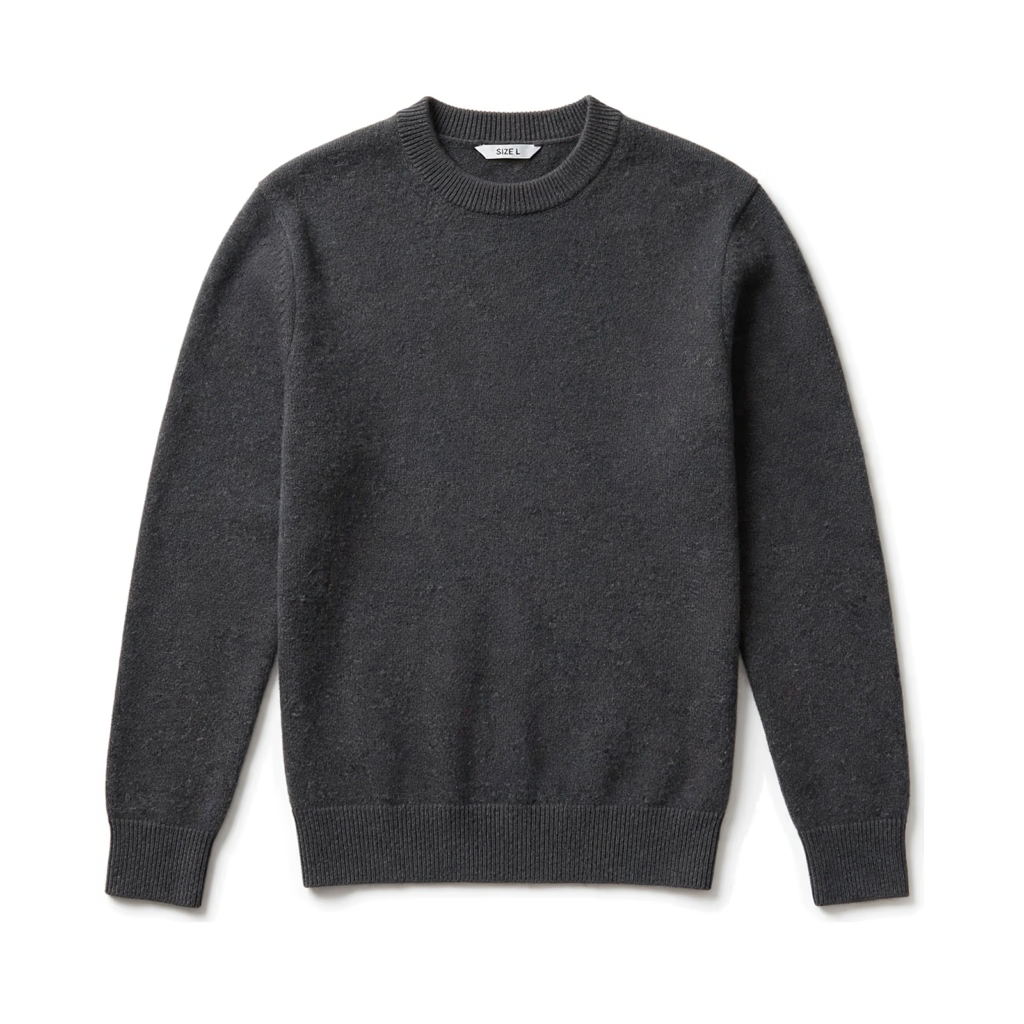
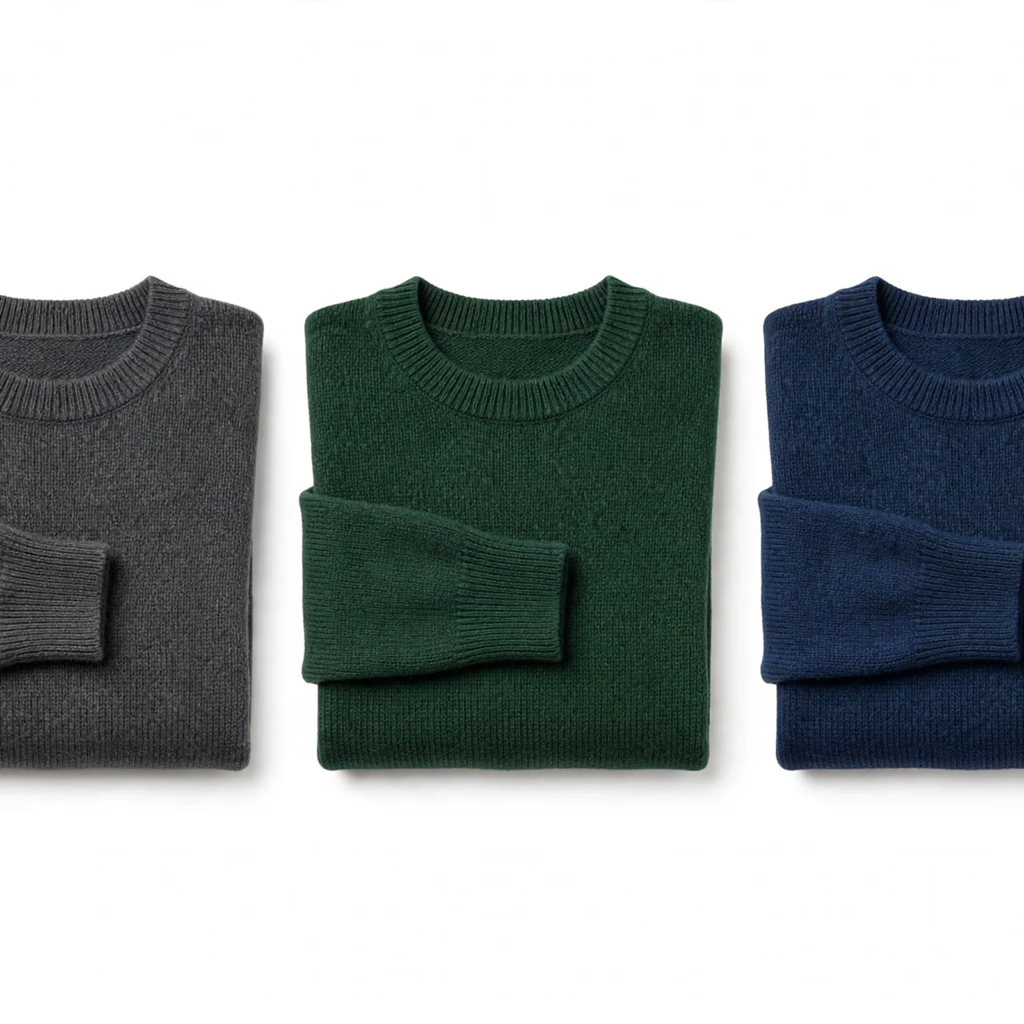
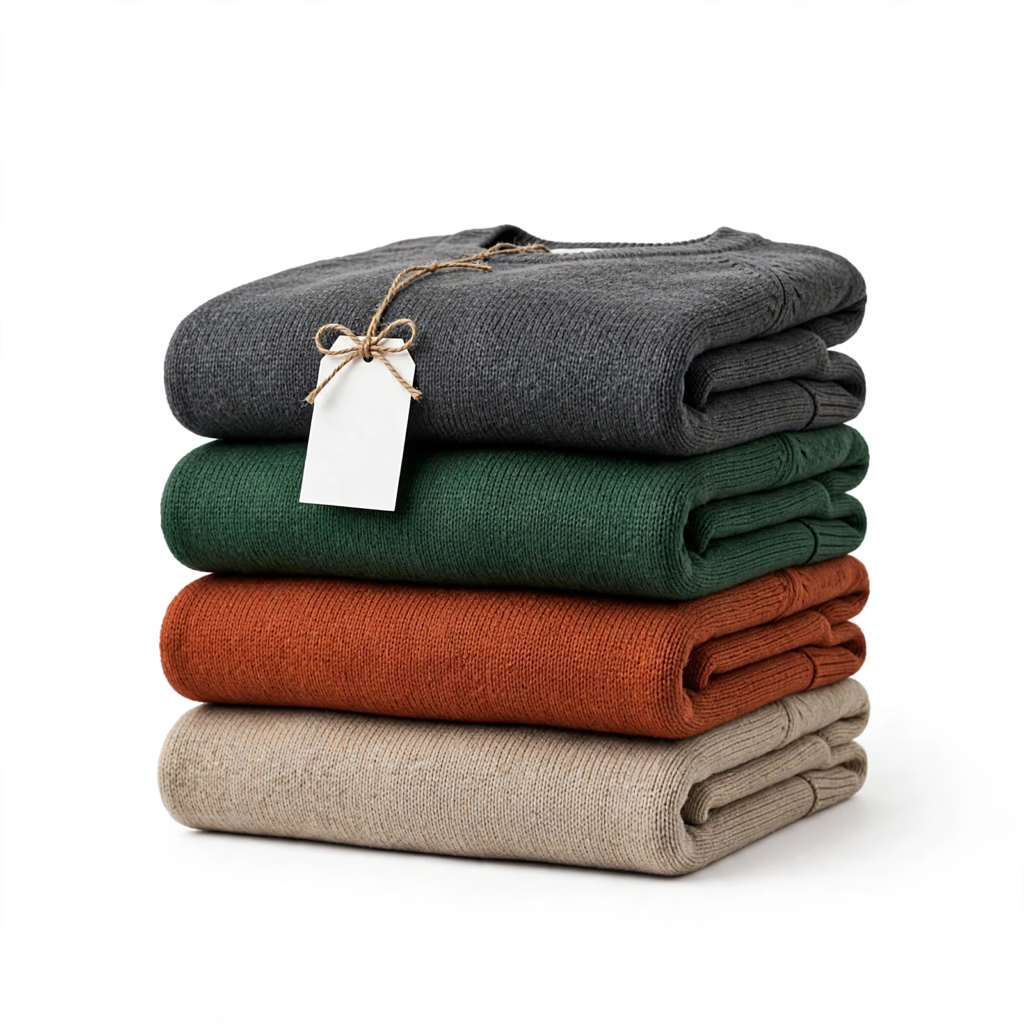
How We Ranked the Top 12 Knitwear Factories in Bangladesh for Buyers Worldwide
Every name on this list makes knitwear for export today. We weighed each knitwear factory in Bangladesh the way a buyer weighs a new supplier before a first order: knit fabric range, dyeing and finishing capability, stitch and seam construction, sampling speed, audit standing and its markets.
Bangladesh earns its place on a knitwear shortlist because the full chain sits in one country: spinning, knitting, dyeing, cutting, sewing and finishing. Buyers in the USA, the UK, Germany, Canada, France and Australia return because a good knitwear manufacturer in Bangladesh holds shade, hand feel and sizing steady across very large runs.
- Twelve profiles, each written for a different kind of buyer
- An at-a-glance table for a fast first comparison
- Fabric, construction and market guidance after the profiles
This guide names the Top 12 Knitwear Factories in Bangladesh worth a buyer shortlist, with Siatex first because this is our own list and our own standard: send us your sample request and judge the making yourself. Each profile is different, because no two factories on this list make knitwear the same way.
The Top 12 at a Glance
The table below compares the twelve names on the measures buyers ask about first: where each knitwear exporter works, the knitwear work it is known for, its usual knit fabrics and the buyer markets it serves. The profiles give the fuller picture behind each line.
| Exporter | Base | Known For | Main Knit Fabrics | Buyer Markets |
|---|---|---|---|---|
| Siatex | Bangladesh | Custom and private label knitwear programmes, sample first | Cotton jersey, pique, fleece, rib and interlock | USA, UK, Germany, France, Canada, Australia |
| Square Fashions | Valuka and Gazipur | Integrated knitwear from yarn to garment | Cotton jersey, pique, fleece, sportswear knits | USA, Canada, Europe |
| DBL Group | Gazipur | Composite knit garments and textiles at scale | Single jersey, rib, fleece, interlock | Europe, USA, Canada |
| Fakir Apparels | Narayanganj | Volume knitwear plus a new jacket unit | Jersey, pique, fleece | Europe, USA |
| Esquire Knit Composite | Kanchpur, Narayanganj | Composite knit specialist for European brands | Single jersey, rib, pique, fleece | Europe, USA |
| Knit Concern Group | Godnail, Narayanganj | Composite knit base with full certification | Single jersey, rib, yarn-dyed knits | Europe, USA |
| Viyellatex Group | Tongi, Gazipur | Knit apparel with LEED Gold green unit | Cotton jersey, melange, rib | Europe, USA |
| Epyllion Group | Gazipur | One-stop knit setup with its own lab | Single jersey, rib, fleece, interlock | Europe, USA |
| Palmal Group | Bangladesh | Vertically integrated knitwear at scale | Cotton jersey, rib, fleece, all-over print knits | USA, UK, EU, Canada, Australia |
| Youngone Corporation | Chattogram | Technical outdoor knitwear at scale | Performance synthetics, man-made fibre knits | USA, Europe |
| Ha-Meem Group | Tongi | Very large woven and knit volumes | Knit jersey, denim, woven blends | USA, Europe |
| Standard Group | Gazipur | Large woven and knit workwear | Woven shells, workwear knits | UK, USA, Europe |
Read the table as a starting map, not a verdict. The right knitwear supplier in Bangladesh for a small private label programme is rarely the same factory as the right one for a large retail run, and the profiles below say plainly where each name fits best.
1. Siatex: The Custom Knitwear Manufacturer in Bangladesh on This List
Siatex has made garments in Bangladesh since 1987, and knitwear is one of the house’s core lines. As a knitwear manufacturer in Bangladesh built around custom programmes, Siatex works the way private label and mid-size brand buyers actually buy in volume today.
Your knit fabric, your colour, your stitch build, your label: each is proven on a sample before any production is cut, and your sizes are graded on your own measurement chart, so the garment you approve is the garment your customers receive.
- Knit tees, polos, sweaters, fleece and dresses
- Cotton, blended and performance knit fabrics
- Your label, your size chart and your pack format held on file
- One accountable team from sampling to shipment
The knitwear work here runs from plain everyday tees to retail fashion styles with engineered stripes and contrast trims. Because the programme is custom, a buyer can hold one knit standard across a whole apparel range, or a fashion story with its own collar and cuff builds.
Custom knitwear programmes here are built around the buyer’s own pattern file: your measurements, your collar height, your sleeve length and your cuff build, sampled and washed before production. OEM knitwear work follows the same route, with your branding fitted at production and your size and care labelling set for your destination market.
See the Knitwear Range Behind This Profile
Buyers who want to see the range behind this profile can start with our knitwear manufacturer in Bangladesh programme and the sweater manufacturer in Bangladesh page, then judge the making on the knit, dye and seam discipline described there in full.
2. Square Fashions: Integrated Knitwear From Yarn to Finished Garment
Square Fashions is the knit garment arm of the Square Group, running integrated knitwear production from its factories at Valuka and Gazipur. Its lines cover knitting, dyeing, cutting and sewing under one management, so shade and measurement are held inside the same system from yarn to carton.
Scale is the story here: more than 18,000 people work across its knitwear operation, and its two garment units report a combined capacity above 130,000 pieces a day. Buyers named in its trade record include Timberland, PUMA and Marks and Spencer, and its markets cover the USA, Canada and Europe.
- Very large knit programmes
- Buyers who want yarn-to-garment control
- Retail ranges needing steady repeats
That integration changes the sampling conversation: a buyer can develop a knit story with a factory that already controls its own yarn and fabric, instead of waiting on outside mills. For mid-size labels without a large in-house team, that depth is worth real money across a season.
3. DBL Group: One of the Largest Composite Knit Makers
DBL Group began in 1991 as Dulal Brothers and grew into one of Bangladesh’s largest composite knit garment and textile companies, based in Gazipur. Its sixteen facilities cover spinning, knitting, dyeing, washing, printing and packaging, so a knit programme rarely leaves the group.
The group reports annual exports above one billion dollars and a workforce above 40,000 people, and it has won the HSBC Export Excellence Award six times. Its knitwear reaches buyers mainly in the European Union and the USA, including H&M, and it now runs the Puma franchise in Bangladesh.
- Very large knit programmes
- Buyers wanting one group for fabric and garments
- European and USA retail ranges
DBL suits buyers who want one accountable group behind a whole knit range: fabric, dyeing and garment making in the same hands, with the audit record to match. Its recent acquisition of a fully integrated knitwear facility in Mymensingh shows the group is still growing its knit capacity.
4. Fakir Apparels: Volume Knitwear From Narayanganj
Fakir Apparels is a large Narayanganj knitwear maker whose name is built on volume: big lines, big orders and the retail programmes that need them. Its polos and knitwear run in huge quantities for buyers who order in serious numbers, and the group has now set up a new jacket manufacturing unit in Narayanganj.
Volume makers earn their place on service to the calendar: core knit styles are planned as rolling programmes, with fabric held for the style and repeats cut against a standing specification. A retailer whose knit wall must never gap will trade design flexibility for that reliability happily.
- High-volume retail core programmes
- Buyers needing steady shade across repeats
- Polo and tee ranges at scale
Fakir fits buyers building a core knit programme across many stores, where the same polo or tee must arrive in the same shade month after month. Its Narayanganj base sits in the country’s knitwear heartland, with the skilled lines and dye houses that core programmes depend on.
5. Esquire Knit Composite: Composite Knit Specialists for European Brands
Esquire Knit Composite is a fully export-oriented composite knitwear company at Kanchpur in Narayanganj, in commercial operation since 2001. Its single site covers knitting, fabric dyeing and finishing, cutting, sewing, laundry, embroidery and printing, so a knit garment rarely leaves the factory gates unfinished.
The company reports garment capacity above two million pieces a month and employs around 8,000 people, serving customers mainly in European countries with American chain stores and fashion brands beside them. Its buyer record in trade disclosures names C&A, Bestseller, Esprit, Next, Tchibo and Pull and Bear.
- European brand programmes
- Knit-only ranges with print and embroidery
- Buyers wanting one composite site
Esquire suits buyers who want a knit-only specialist with everything under one roof: yarn dyeing beside fabric dyeing, print and embroidery beside sewing. Its famous products run from polo shirts and hoodies to crew necks and sweaters, which is the core of most European knit ranges.
6. Knit Concern Group: A Composite Knit Base in Narayanganj
Knit Concern Group began in 1990 from a rented building at Nayamati in Narayanganj and grew into a full composite knit textile base at Godnail. Today it produces over 40 tonnes of knit fabric, 40 tonnes of dyed fabric and about 180,000 pieces of knit garments every day.
The group employs around 16,000 people and holds ISO 9001, BSCI, ICS, Higg Index, OCS, RCS, GOTS and OEKO-TEX certification, a spread that covers quality, social and organic claims in one file. Its founder has been named a Commercially Important Person for five successive years, a mark of its standing in the trade.
- One-stop composite knit programmes
- Buyers needing organic and social certification
- Large daily knit volumes
Knit Concern fits buyers who want a one-stop knitwear source: knitting, yarn dyeing, fabric dyeing, printing and garment making on one campus, with the certifications to back every claim. Its daily output suits retailers who need large knit volumes without splitting an order across factories.
7. Viyellatex Group: Knit Apparel With Green Credentials
Viyellatex began in 1996 as a family knit apparel business and became a group in 2002, with its knit unit at Tongi in Gazipur. Its units cover knit apparel, woven shirts, spinning, printing and embroidery, and its knit buyers have included Puma, Ralph Lauren, Marks and Spencer, Timberland and Dickies.
The group reports garment capacity around 18 million pieces a year and holds a LEED Gold knit unit called Eco Couture, a rare green credential among knit makers. Puma gave it a best delivery award for 99 percent on-time delivery, which is the number retail buyers watch most closely.
- Buyers needing green credentials
- Knit and woven consolidation
- Retail ranges with delivery discipline
Viyellatex suits buyers who want knitwear with a documented green record: a LEED Gold unit, certified sourcing and a sustainability-linked loan from HSBC behind its operations. Its mix of knit and woven units also suits buyers consolidating several families with one group.
8. Epyllion Group: A One-Stop Knit Setup With Its Own Lab
Epyllion started in 1994 at Mirpur with two sewing lines and 200 workers, and today it reports 160 sewing lines and more than 23,000 employees. Its group holds fabric, yarn dyeing, washing, accessories and a testing lab in-house, so a knit programme is developed and checked inside one system.
The group works mainly with European markets for buyers such as M&S, H&M, G-Star and C&A, and its knitwear unit drew IFC finance for a factory in Narayanganj with 50 sewing lines, lifting its cutting and sewing capacity by 25 million pieces a year.
- Kidswear knit programmes
- Buyers wanting in-house testing
- European retail ranges
Epyllion suits buyers who want a knit vendor that can test its own work: an accredited in-house lab, washing and embellishment beside sewing, and a kidswear strength built over years. Its one-stop setup shortens sampling, because fabric, print and wash decisions are made on the same floor.
9. Palmal Group: Vertically Integrated Knitwear at Scale
Palmal Group began in 1984 and grew into one of Bangladesh’s most respected vertically integrated apparel groups, with 27 factories and more than 33,000 employees. Its own site reports annual exports of 414 million dollars and monthly output above 14 million pieces across knitwear, sleepwear, jackets and dresses.
The group’s backward linkage runs from yarn to finished garment, with 400 knitting machines, dyeing capacity of 150 tonnes a day and twelve-colour all-over printing in-house. Twelve of its factories carry LEED certification, and it counts more than 35 global retail buyers across the USA, UK, EU, Canada and Australia.
- Very large retail knit programmes
- Buyers wanting full backward linkage
- Green factory programmes
Palmal suits buyers who want a single accountable group for a whole knit range: fabric knitting and dyeing, printing, embroidery and washing under one roof, with green factories behind the work. Its scale suits large retail programmes that need the same knit style repeated across many stores.
10. Youngone Corporation: Technical Outdoor Knitwear at Scale
Youngone Corporation is a Korean-owned group famous for outerwear, working in Bangladesh since 1980 from its base in the Korean Export Processing Zone in Chattogram. Its scale is the story: five groups of companies with more than 60,000 employees combined, and exports from Bangladesh that have crossed one billion dollars.
Youngone is the main supplier of The North Face products globally and a key supplier for Arc’teryx, whose two facilities in Chattogram make outdoor products including knitwear and synthetic insulation jackets. That record is why buyers treat Youngone as the technical outerwear benchmark in Bangladesh.
- Very large outdoor programmes
- Technical knit and outerwear ranges
- Buyers wanting own-fabric control
The group also makes its own man-made fibre fabrics, including polyester, at factories inside the zone, so shell and knit cloth decisions sit inside the same system as sewing. A knitwear buyer gains fabric control from yarn buying onward, which is the attraction for programmes where the face fabric is the product.
11. Ha-Meem Group: One of the Largest Export Operations
Ha-Meem Group, centred in Tongi, is among Bangladesh’s largest garment exporters, best known for enormous woven volumes and a growing knit side. Its famous products include denim jeans and denim fabric, cargo pants, men shirts and jackets, and its knit lines benefit from the same industrial depth.
Buyers come to Ha-Meem when the order book is very large and the delivery calendar unforgiving. It is a knitwear factory in Bangladesh for buyers whose first question is capacity, with the systems to answer it, from fabric buying to finished cartons.
- Very large orders
- Buyers needing capacity above all
- Knit beside woven consolidation
Scale at this level also brings fabric buying power: a group purchasing knit cloth in Ha-Meem’s quantities holds cost and availability steadier through market swings. Buyers feel that as fewer mid-programme surprises on price and delivery, and steadier shade across repeats.
12. Standard Group: Large Woven and Knit Workwear
Standard Group entered export woven garments in 1984 and grew into one of Bangladesh’s largest textile groups, with garment factories in Gazipur and a washing plant serving its woven lines. Its product range spans woven bottoms, tops, outerwear, activewear and workwear, with in-house accessories, printing and embroidery behind production.
That breadth is Standard’s argument: a buyer can place knitwear beside workwear and uniform jackets inside one group’s compliance and merchandising system, where one audit covers the whole range. As a knitwear exporter in Bangladesh it fits consolidated programmes more than knit-only specialists.
- Multi-product programmes with one group
- Workwear and uniform knit ranges
- Long export record to the UK, USA and Europe
Standard is also a large woven workwear producer supplying uniforms and industrial clothing, and buyers with standing workwear contracts ask this supplier about knit runs. Workwear discipline shows in the details buyers check: seam strength, hardware quality and wash stability across repeats.
How a Knitwear Garment Is Made: From Yarn to Carton
Understanding the making helps a buyer read any factory’s answers. A knit garment starts as yarn knitted into fabric, often dyed and finished before cutting, then cut to the buyer’s pattern before sewing. Collars, cuffs and hems are knitted or fitted as the body is assembled, not added afterwards.
- Yarn and knitting: yarn knitted into single jersey, rib, fleece or interlock
- Dyeing and finishing: fabric dyed to the buyer shade and finished soft
- Cutting: panels cut to the buyer pattern
- Sewing: body, sleeves, collar, cuffs and hem assembled in order
- Checking and packing: measurement, inspection and carton packing
How to Choose the Right Knitwear Factory for Your Programme
Start from your programme, not from a factory’s size. A custom knitwear programme with your own labels, colours and stitch builds needs a maker set up for custom work; a large core programme needs the opposite. The shortlist above contains both kinds, and choosing the wrong kind costs more than any price difference.
- Match the factory type to your order type first
- Judge the sample, washed, before any commitment
- Check stitch quality and seams on photos, then on the physical sample
- Ask which markets the factory already serves
- Confirm your labels, size chart and packing can be held on file for reorders
Red Flags Worth Walking Away From
Some signals predict a difficult programme early. A maker who will not sample to your specification, who answers fabric questions with generalities, or who cannot say which markets it already serves is telling you how your production questions will be answered later.
The opposite signals are just as clear: construction questions answered precisely, a washed sample that matches its specification sheet, and a reorder file offered before you ask. Weight those signals above any claim made in a brochure. They are the signals of a factory that will produce the way it samples.
Knitwear Styles Buyers Order Most From Bangladesh
The factories on this list all sew the classic crew-neck tee, but buyer programmes spread wider than one style. Knowing the style families helps you brief any maker on this page in its own language, and to judge its sample on the right points.
- Classic crew-neck tee: the everyday, retail and promotional standard
- Polo shirt: pique and jersey polos for retail and corporate ranges
- Hoodie and sweatshirt: fleece-backed comfort for casual ranges
- Sweater and cardigan: fine-gauge knits for cooler seasons
- Dresses and kidswear: shaped knits for women and children
- Activewear: stretch knits for training and sport
- Sleepwear and underwear: soft knits for comfort ranges
Knitwear Fabrics and Construction: What Separates a Good Knit From a Cheap One
Three fabrics carry most of the world’s knitwear. A cotton single jersey is the classic tee cloth: soft, breathable and forgiving of print. A pique knit adds texture for polos. A fleece-backed jersey adds warmth for hoodies and sweatshirts, while rib and interlock give structure to collars, cuffs and hems.
- Single jersey: soft, breathable, the everyday tee standard
- Pique knit: textured face, the polo standard
- Fleece-backed jersey: warm, soft, the hoodie standard
- Rib and interlock: structured trims for collars, cuffs and hems
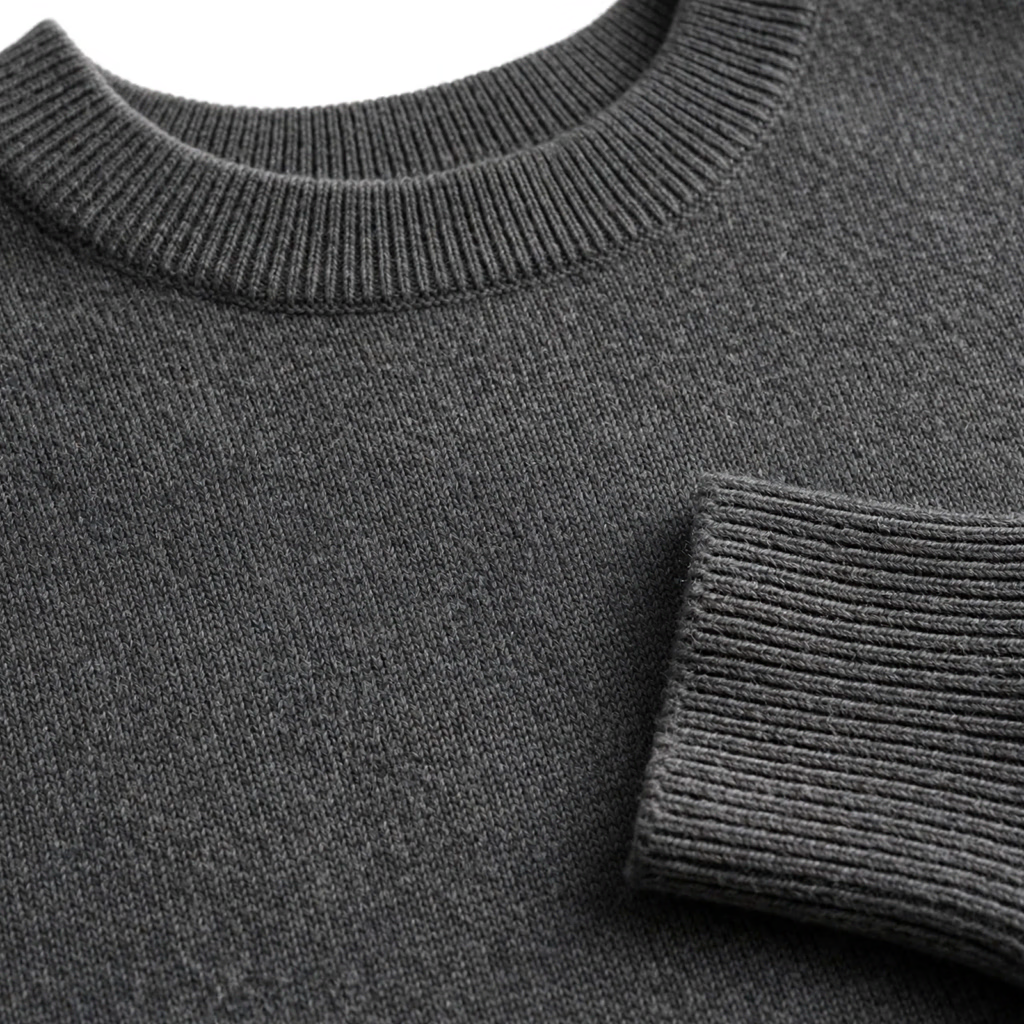
Construction decides how long the knit keeps its shape. A good collar is knitted to sit flat, holds its line after washing and keeps its rib through the season, so the garment looks made on the body rather than merely sewn.
The stitch is the working heart of the garment: seams must lie flat without puckering, the collar must join cleanly, and the cuff must return after washing. Ask any OEM knitwear maker for a wash test on your fabric before you approve a programme, and wash it before judging.
Seam and cuff discipline is the other quiet quality marker. The best knits carry flatlocked or bound inner seams that do not chafe, ribbed cuffs that return after washing, and a hem that locks where it is set. A cuff that bags or a hem that rolls shows in every customer photograph.
Dyeing quality deserves its own check: a shade that fades after washing is a failed garment, whatever the stitch standard. Ask for a wash test on the dyed cloth itself, not only on the finished garment, because the shade is the product as much as the sewing.
Markets: Where Bangladesh Knitwear Sells, and What Each Market Asks
Knitwear from Bangladesh reaches many markets, and each one asks for something different. The paragraphs below describe the six markets buyers ask about most in this guide, so you can see which profile fits your destination and what your labels should carry.
USA: Everyday, Corporate and Promotional Knitwear
The USA buys knitwear for everyday ranges, corporate programmes and promotional work, and each channel judges the garment differently. Everyday buyers ask for softness and shade holding; corporate buyers ask for logo embroidery that holds on a knit face; promotional buyers ask for dependable repeats in their own colours.
Size ranges and labelling should follow the buyer market standard. When your knitwear programme ships to the USA, hold your size chart and care labels on file with your maker so a repeat order starts from the same approved sample, not from a new negotiation.
UK: Retail, Corporate and Uniform Knitwear
The UK takes knitwear for retail ranges, corporate programmes and uniform work, and the market rewards makers who can hold a core style steady across many repeats. Shade holding and soft hand feel matter more here than in hotter climates, so dyeing and finishing options deserve a place in your brief.
UK buyers often ask for a core style that stays in the range for years, with shade and measurement held across seasons. A maker that can keep one style unchanged across reorders is worth more than a maker that can cut a new style quickly.
Germany: Technical Knitwear and Workwear
A German programme should start from a written specification that both sides sign at sampling: knit fabric, gauge, stitch standard, cuff build, hem build and wash standard. German buyers return to makers whose paperwork matches the product season after season.
France: Fashion and Retail Knitwear
France buys knitwear for fashion and retail ranges, and French buyers often ask for fit first: the garment must sit right on the body across the full size curve, not only on the sample size. That makes the pattern and grading file as important as the knit fabric itself.
Knitwear programmes for France should be graded and measured across the whole size range before approval, with a size set checked on the body. A maker that shows its grading discipline at sampling is the maker most likely to deliver it in production.
Canada: Cold-Climate and Workwear Knitwear
Canada buys knitwear for cold climates and for workwear, and the market asks for warmth without weight. Fleece-backed knits and heavier gauges matter more here than in milder markets, and cuff and hem builds must hold heat where it counts.
Canadian buyers often pair knitwear with other cold-weather layers, so a maker that can run a matching fleece or insulated line alongside the knit has an advantage. Ask about the layer range, not only the single garment, and hold one size chart across the layers.
Australia: Everyday, Work and Club Knitwear
Australia buys knitwear for everyday ranges, work programmes and club wear, and the market asks for sun resistance and easy care. A knit that keeps its colour after washing and drying matters more here than in markets where the garment spends most of its life indoors.
Australian buyers often order across a long season, so a maker that can hold shade and measurement across repeat orders is worth finding. Ask about shade control at sampling, and judge the washed sample under the light your customers will see it in.
Beyond these six, knitwear from Bangladesh reaches buyers in Spain, Portugal, Belgium, Denmark, Sweden, Norway, Netherlands, Hungary, Greece, Chile, Brazil, Saudi Arabia, Oman, the UAE, New Zealand, Malaysia and Hong Kong, each with its own labelling and size conventions, so hold your size chart, care labels and pack format on file with your maker.
What Decides the Price of a Knitwear Programme
Four elements decide most of a knitwear programme’s price, and every quote you compare should be read against them. Knit fabric is the largest: a performance blend costs more than a plain cotton jersey, which costs more than a lightweight single jersey, and the difference shows in hand feel.
- Knit fabric and dyeing: the largest cost driver
- Stitch and trims: collars, cuffs, hems and labels
- Construction detail: gauge, fit and wash standard
- Decoration: embroidery, print and branding placements
- Packing: retail-ready packs and labels versus bulk cartons
Two factories quoting on different knit fabrics are not quoting on the same garment. Before you compare numbers, make sure every quote names the same fabric, the same gauge, the same stitch standard and the same packing, or the comparison means nothing.
Frequently Asked Questions About Knitwear Factories in Bangladesh
Which knitwear factory in Bangladesh suits a small private label programme?
Small private label programmes fit makers set up for custom work, where your knit fabric, your colours and your labels are proven on a sample first. Siatex works this way, with your pattern file, your size chart and your branding held on file from the first sample to the last reorder.
Which exporter suits a very large retail knitwear programme?
Very large retail programmes fit the big groups on this list: Square Fashions, DBL Group, Palmal and Ha-Meem, whose volumes and compliance infrastructure are built for long runs. Brief on capacity and calendar as well as construction, and confirm which unit will handle your order.
How do I judge a knitwear sample before committing?
Judge the sample washed, against your measurement chart, on its stitch quality, its seam discipline and its dyeing. A collar that sits flat, a cuff that returns after washing, and a shade that survives washing are the three tests that predict production quality.
What knit fabric should I choose for my market?
Cotton single jersey suits most everyday and retail programmes for its softness and breathability. Pique knits suit polo ranges and corporate work. Fleece-backed jersey suits cooler markets and casual ranges where warmth matters most. Choose the fabric for your market first, and the rest of the specification follows.
Can I order knitwear with my own label and packing?
Yes. Custom knitwear programmes are made to the buyer specification, with your woven label, your size and care labelling, and your pack format set for your destination market. Confirm at sampling that your label and pack files are held for reorders.
About This Guide
This list of the Top 12 Knitwear Factories in Bangladesh was compiled from public information about each company: what it makes, where it works, which markets it serves and its buyer record. The aim is a useful first shortlist, not a verdict on any factory’s work.
Start With a Sample, Whichever Name You Choose
A list can point you in the right direction, but only a sample tells you whether a factory makes your knitwear the way your customers expect. Pick two or three names from this list, send each one the same written specification, and compare washed samples side by side.
If the first name on your shortlist is the one writing this guide, we are members of the Bangladesh Garments Buying House Association, and our knitwear range is open for sampling at Bangladesh Garments Buying House Association. Send us your sample request and judge the making yourself.
Get a Price for Your Knitwear Programme
Start your programme with a sample, not a quote. Get Price for your knitwear: send us your knit fabric, your colours, your sizes and your quantities, and we will price your programme on a sample you can judge. For a comparison of softshell outerwear styles, see our top 10 softshell jacket exporters list.