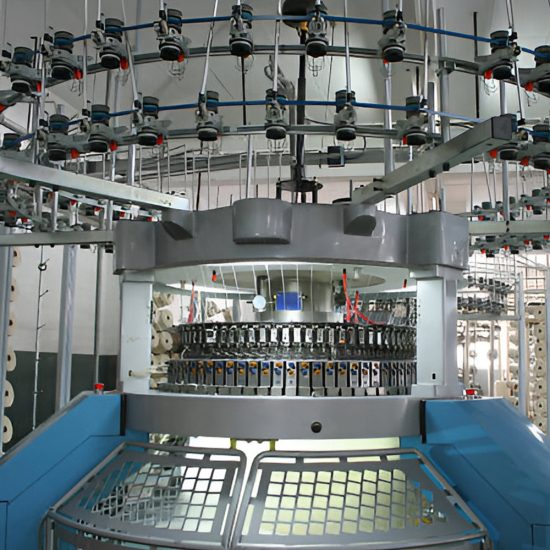
Looking for a reliable, large-scale manufacturer for bulk plain t-shirts in Bangladesh? Our guide reveals the top vertically integrated supplier equipped for high-volume global orders—from Europe and North America to Australia and the Middle East. Learn why compliance, capacity, and end-to-end service define true manufacturing leadership.
Who is the Biggest Plain T-Shirt Manufacturer in Bangladesh for Bulk Orders?
For global buyers, fashion brands, and wholesalers seeking high-volume plain t-shirt production, Bangladesh stands as the world’s premier manufacturing hub. The country’s apparel industry has evolved significantly, with several manufacturers claiming leadership positions. However, determining the biggest requires examining multiple factors beyond mere factory size: production capacity, vertical integration capabilities, global compliance standards, and international shipping expertise.
This guide provides a detailed analysis to help businesses from Europe, UK, USA, Canada, Australia, Hong Kong, and the Middle East identify the optimal manufacturing partner for their bulk t-shirt requirements.
Why Bangladesh Dominates Global Bulk T-Shirt Manufacturing
Bangladesh’s ascendancy in global apparel manufacturing is supported by compelling data:
Export Volume: Bangladesh exports over $46 billion in apparel annually, with knitwear (including t-shirts) representing approximately 45% of total exports
Competitive Pricing: Labor and production costs remain 20-30% lower than competing Asian manufacturing centers
Infrastructure Growth: The country has invested heavily in green factories and vertical manufacturing facilities
Trade Agreements: Beneficial trade terms with the European Union (EIEU), UK, Canada, and Australia enhance competitiveness
For businesses seeking wholesale t-shirts from Bangladesh, these factors translate into sustainable pricing advantages, scalable production capabilities, and reliable supply chain continuity.
Key Metrics for Identifying the Biggest Manufacturers
When evaluating manufacturers for bulk plain t-shirt orders, consider these critical metrics:
Production Capacity and Scalability
The largest manufacturers typically exhibit:
Monthly Capacity: Ability to produce 2-5 million pieces monthly
Workforce Size: 5,000-15,000 skilled workers across multiple facilities
Machine Investment: Modern knitting machines (single jersey, rib, interlock), cutting-edge sewing stations, and automated finishing units
Scalability: Capability to increase production by 30-50% during peak seasons without quality degradation
Vertical Integration Capabilities
Vertical integration represents the most significant differentiator between average and premier manufacturers. The biggest players control multiple production stages:
Yarn Sourcing: Direct relationships with cotton suppliers and spinning mills
Fabric Knitting: In-house knitting departments producing various GSM fabrics
Dyeing and Finishing: Controlled coloration processes ensuring consistency
Cutting, Sewing, and Finishing: Complete garment assembly under one roof
Printing and Embroidery: Advanced decoration capabilities for value addition
For bulk t-shirt buyers in Europe and North America, vertical integration ensures better quality control, shorter lead times (typically 30-45 days for large orders), and more competitive pricing through supply chain efficiency.
Global Compliance and Certification Standards
Manufacturers serving international markets must maintain comprehensive certifications:
Fabric Weights: 160-220 GSM for standard/heavyweight preferences
Material Options: 100% cotton, cotton-polyester blends, organic cotton, recycled materials
Color Availability: 20+ standard colors with custom dyeing capabilities
For promotional product companies in the USA and fashion brands in Australia, this variety ensures manufacturers can meet diverse market requirements.
Siatex Global: A Case Study in Large-Scale Manufacturing Excellence
While numerous manufacturers operate in Bangladesh, Siatex Global exemplifies the characteristics of a leading bulk t-shirt producer:
Production Scale: Capability to produce 4+ million garments monthly
Vertical Integration: Complete control from yarn sourcing to finished garment
Global Client Portfolio: Established relationships with brands across Europe, North America, Australia, and the Middle East
Specialized Capabilities: Expertise in both basic t-shirts and value-added products requiring printing, embroidery, or special finishes
For businesses seeking reliable bulk t-shirt suppliers in Bangladesh, manufacturers with similar profiles offer the stability and expertise necessary for long-term partnerships.
Minimum Order Quantities and Pricing Structures
Understanding manufacturer requirements is crucial:
Typical MOQ Structures
Basic Orders: 3,000-5,000 pieces per color per style (standard for reputable factories)
Large Volume Discounts: Available at 10,000+, 25,000+, and 50,000+ piece thresholds
Sample Orders: Usually 50-100 pieces for testing and approval
For distributors in Hong Kong and importers in the Middle East, these MOQ structures provide flexibility for different business models.
Pricing Considerations
Pricing varies based on:
Fabric quality and weight
Order quantity
Complexity of construction
Customization requirements
Shipping destination and terms
For cost-conscious buyers in the UK and Canada, obtaining detailed quotations with all cost components is essential for accurate budgeting.
Shipping and Logistics for International Markets
The biggest manufacturers have established logistics networks:
Freight Forwarding Partnerships: Relationships with major shipping lines (Maersk, MSC, CMA CGM)
Port Efficiency: Expertise in Chittagong Port operations, Bangladesh’s primary shipping hub
Documentation: Complete export documentation, certificates of origin, and compliance paperwork
Regional Distribution: Experience shipping to all target markets efficiently
For Australian businesses and US-based distributors, manufacturers with strong logistics capabilities ensure timely delivery and proper customs clearance.
Due Diligence Process for Selecting a Manufacturer
Conduct Factory Audits: Virtual or in-person inspections of facilities
Review Communication Protocols: Evaluate responsiveness and technical knowledge
Test Sample Quality: Order pre-production samples for evaluation
Verify Bank References: Ensure financial reliability through banking partners
For first-time buyers from Europe and established brands expanding their supplier base, this due diligence minimizes risks and establishes partnership foundations.
The Future of Bulk T-Shirt Manufacturing in Bangladesh
The industry continues evolving with:
Sustainability Initiatives: Increased focus on water recycling, renewable energy, and eco-friendly materials
Technology Integration: Implementation of AI in quality control, IoT in production monitoring
Product Diversification: Expansion into technical fabrics and performance apparel
Market Expansion: Growing capabilities in high-value segments alongside basic apparel
For forward-thinking brands in the USA and Europe, partnering with manufacturers investing in these areas ensures future competitiveness.
Selecting Your Optimal Manufacturing Partner
Identifying the biggest plain t-shirt manufacturer in Bangladesh for bulk quantities requires careful analysis of capacity, capabilities, compliance, and communication. The ideal partner should demonstrate:
Proven Scale to handle your volume requirements
Vertical Integration for quality and cost control
Global Compliance for your target markets
Logistical Expertise for efficient delivery
Cultural Compatibility for smooth collaboration
For businesses across the UK, Europe, North America, Australia, Hong Kong, and the Middle East, Bangladesh offers unparalleled value in bulk t-shirt manufacturing. By applying the criteria outlined in this guide, procurement professionals can identify manufacturing partners capable of supporting their growth objectives with quality, consistency, and competitive pricing.
Ready to source bulk plain t-shirts from Bangladesh? Begin your supplier evaluation with the parameters outlined above, prioritizing manufacturers with transparent operations, robust certifications, and proven experience with international clients in your target markets.