
SiATEX - Clothing manufacturer since 1987
(02) 222-285-548
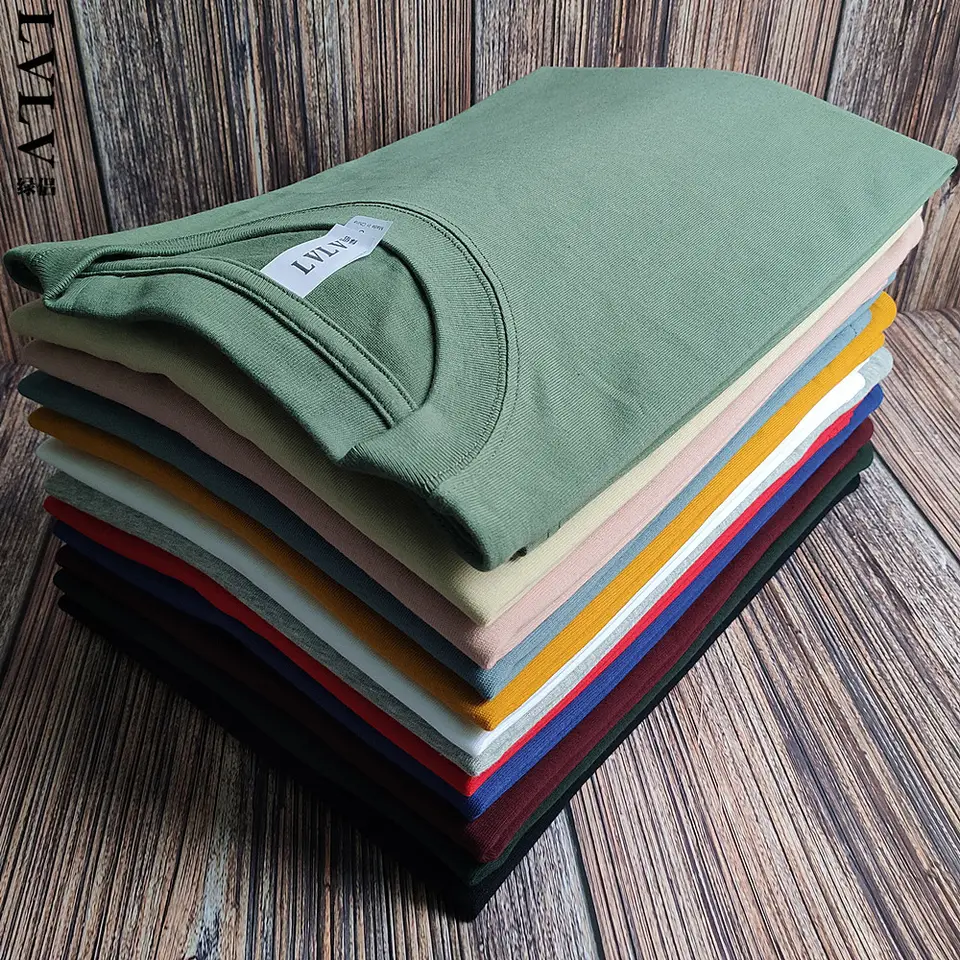
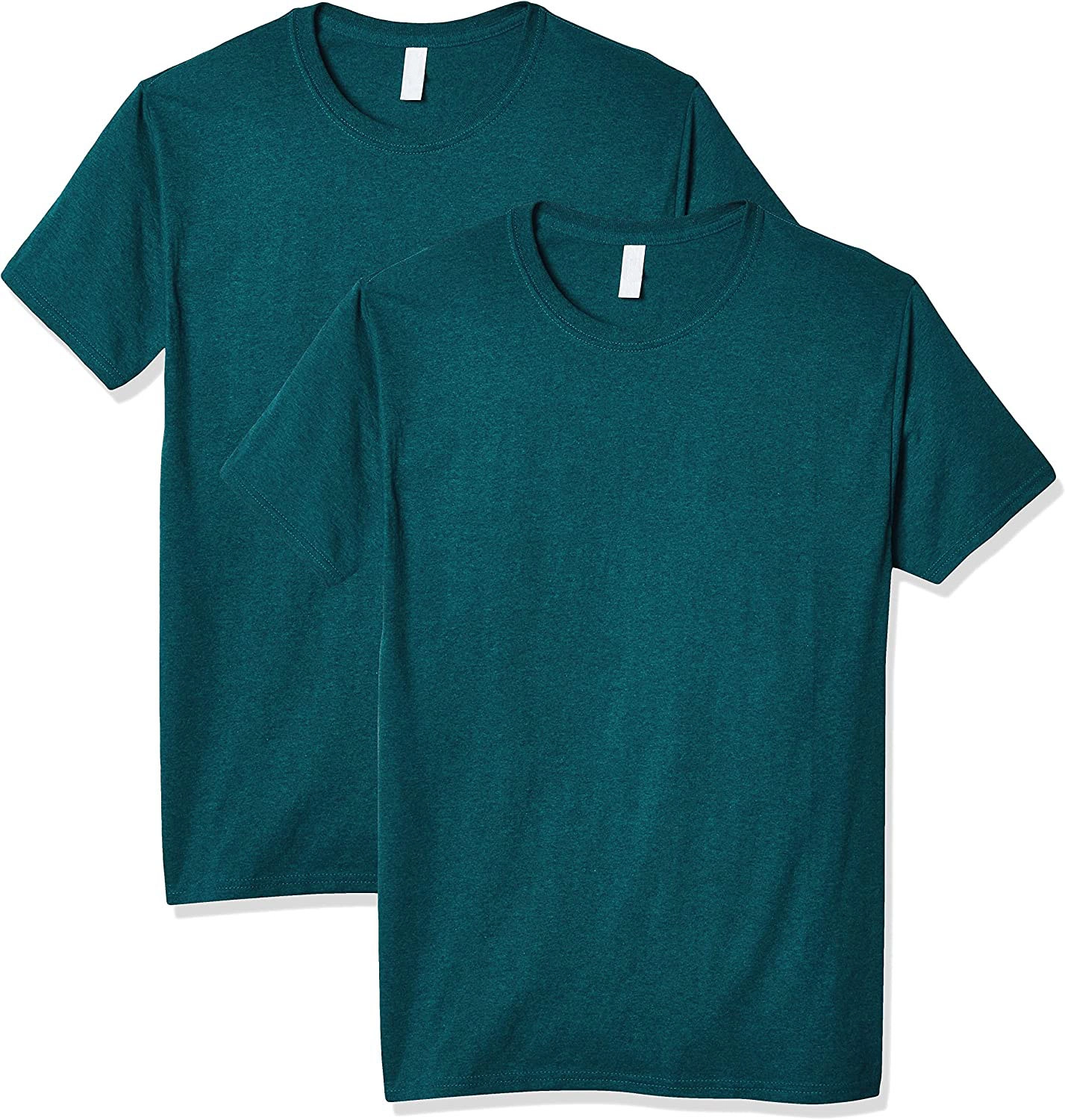
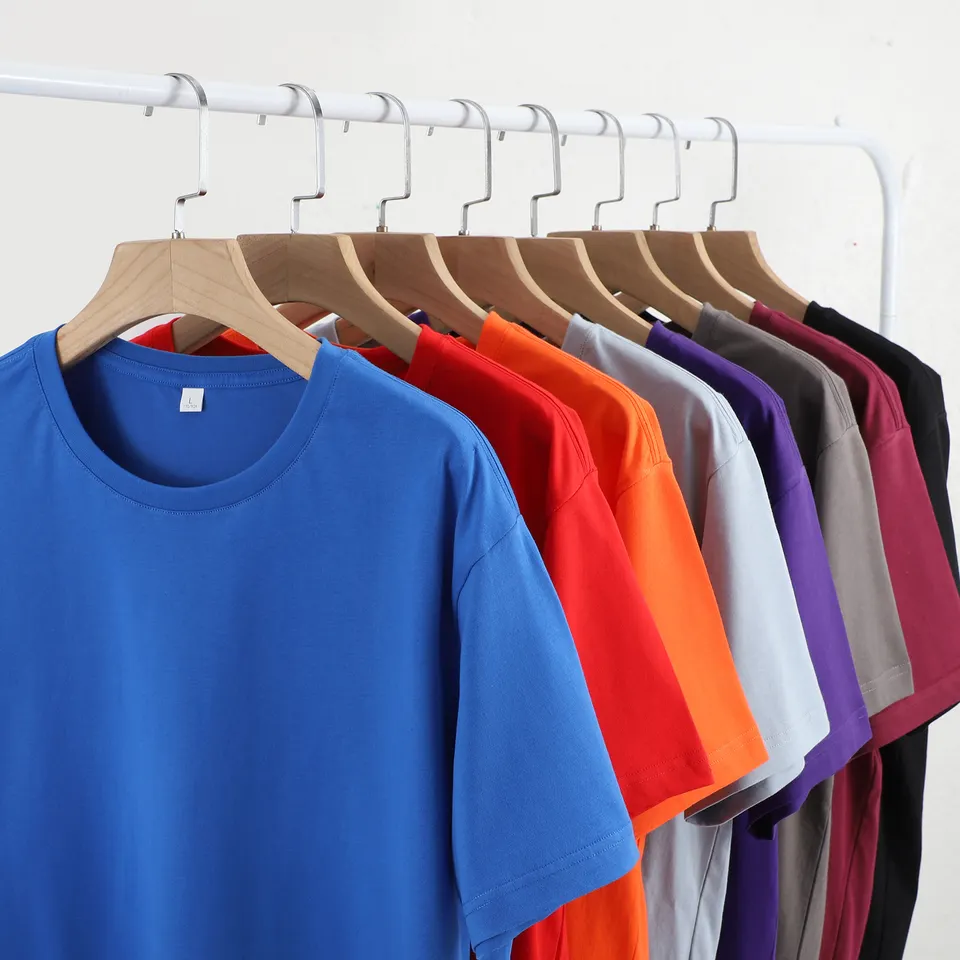
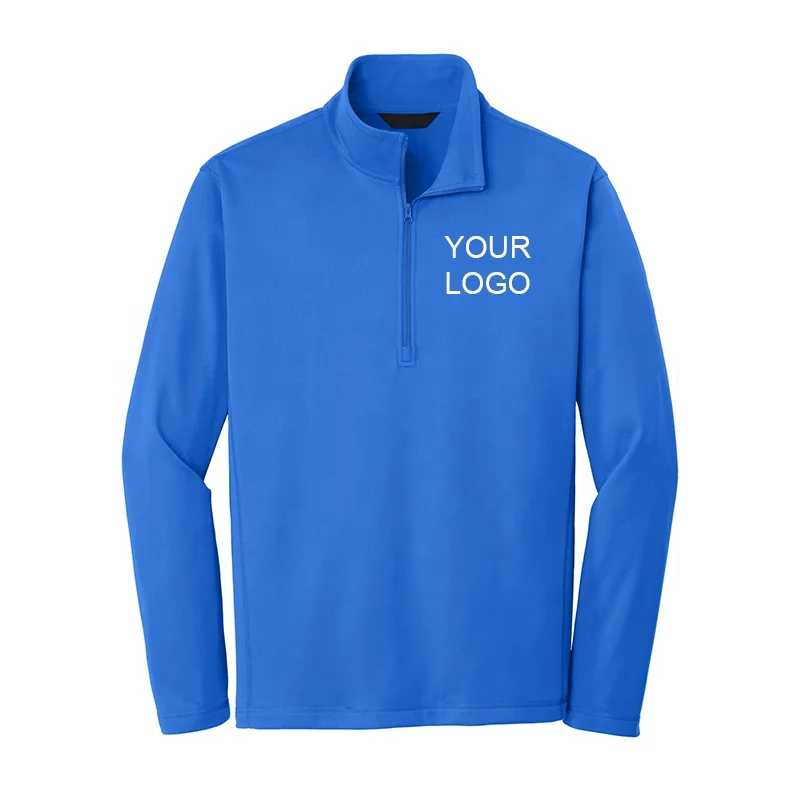
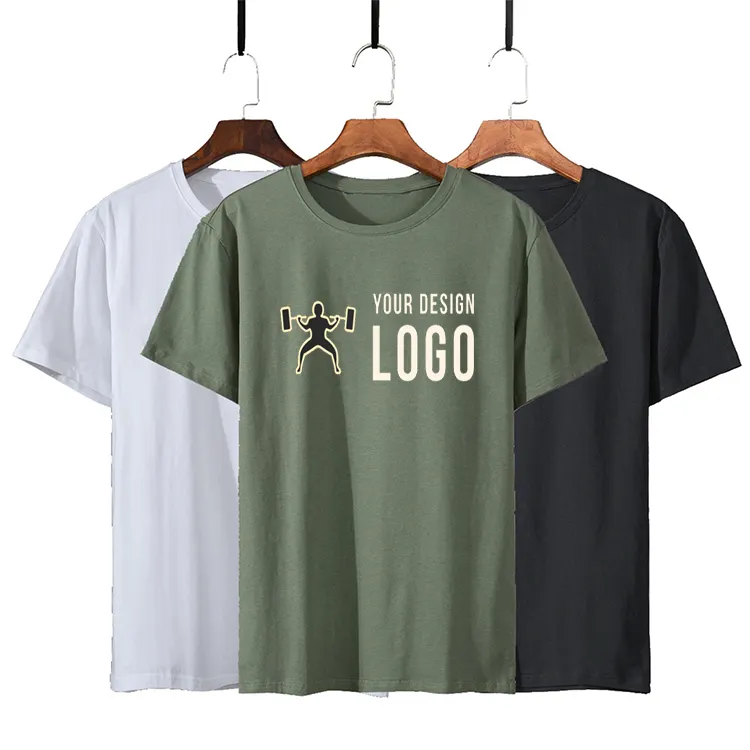
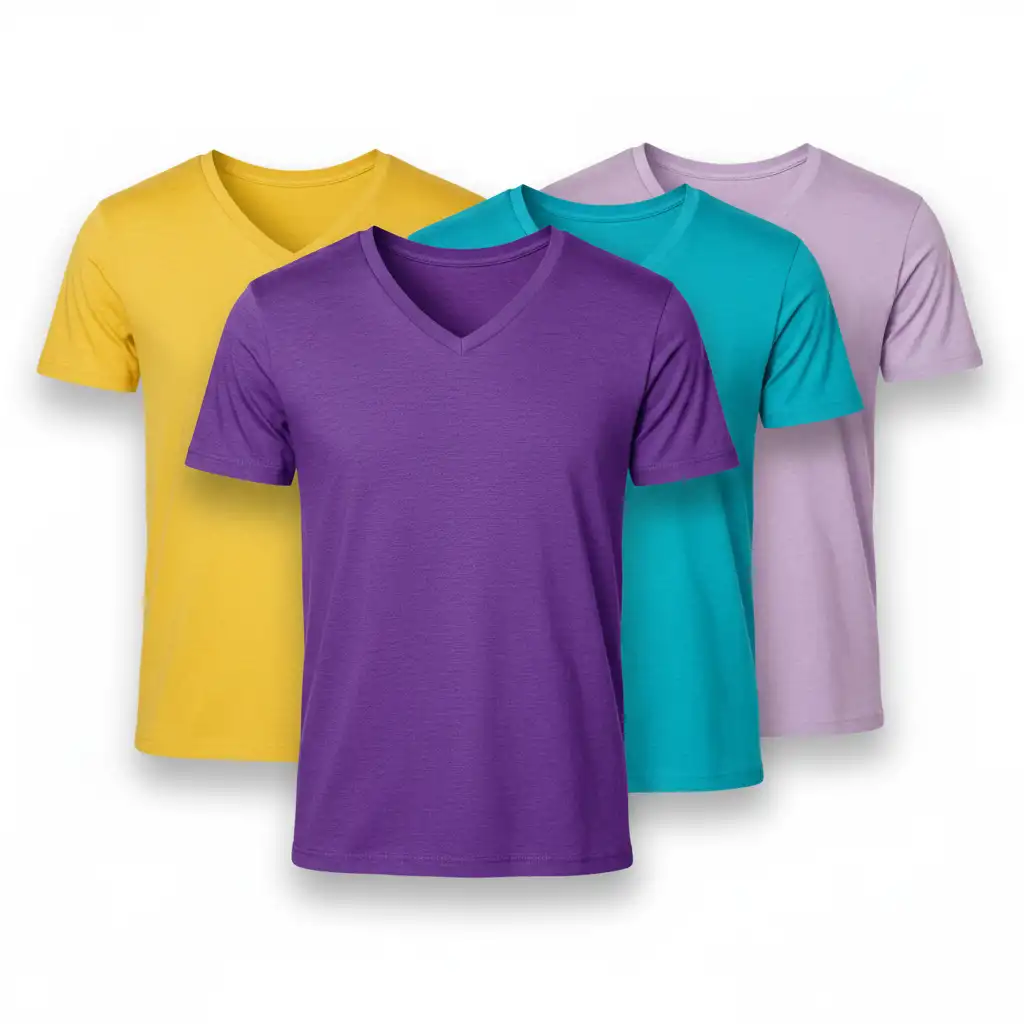
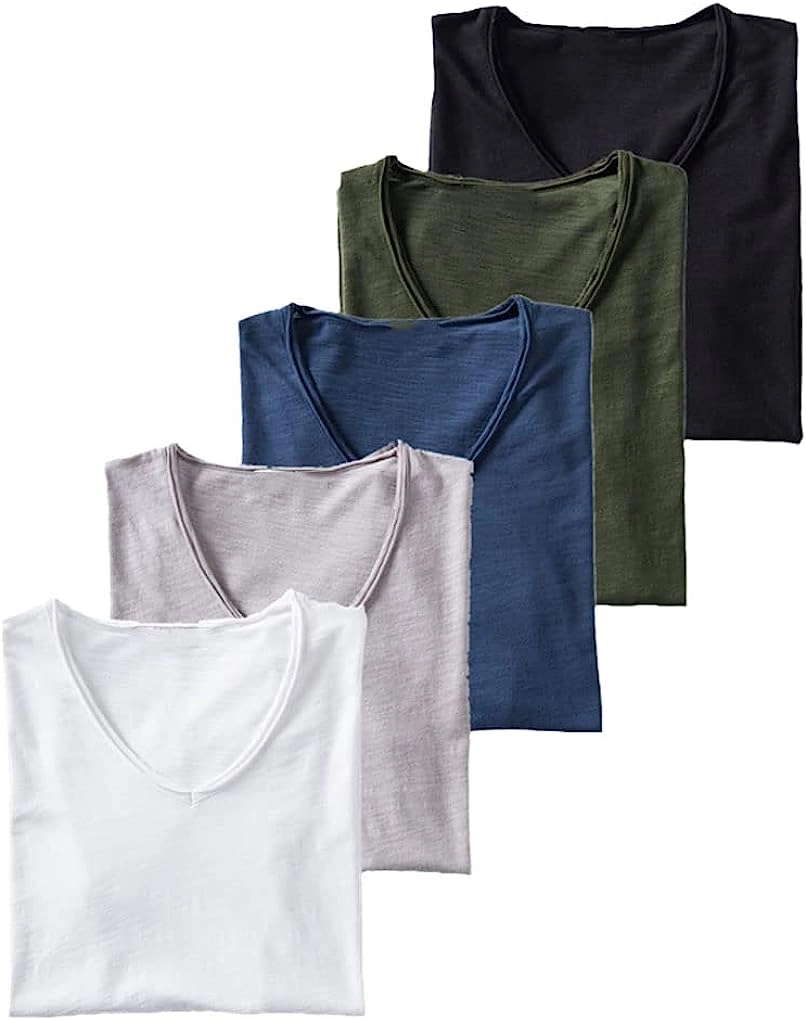
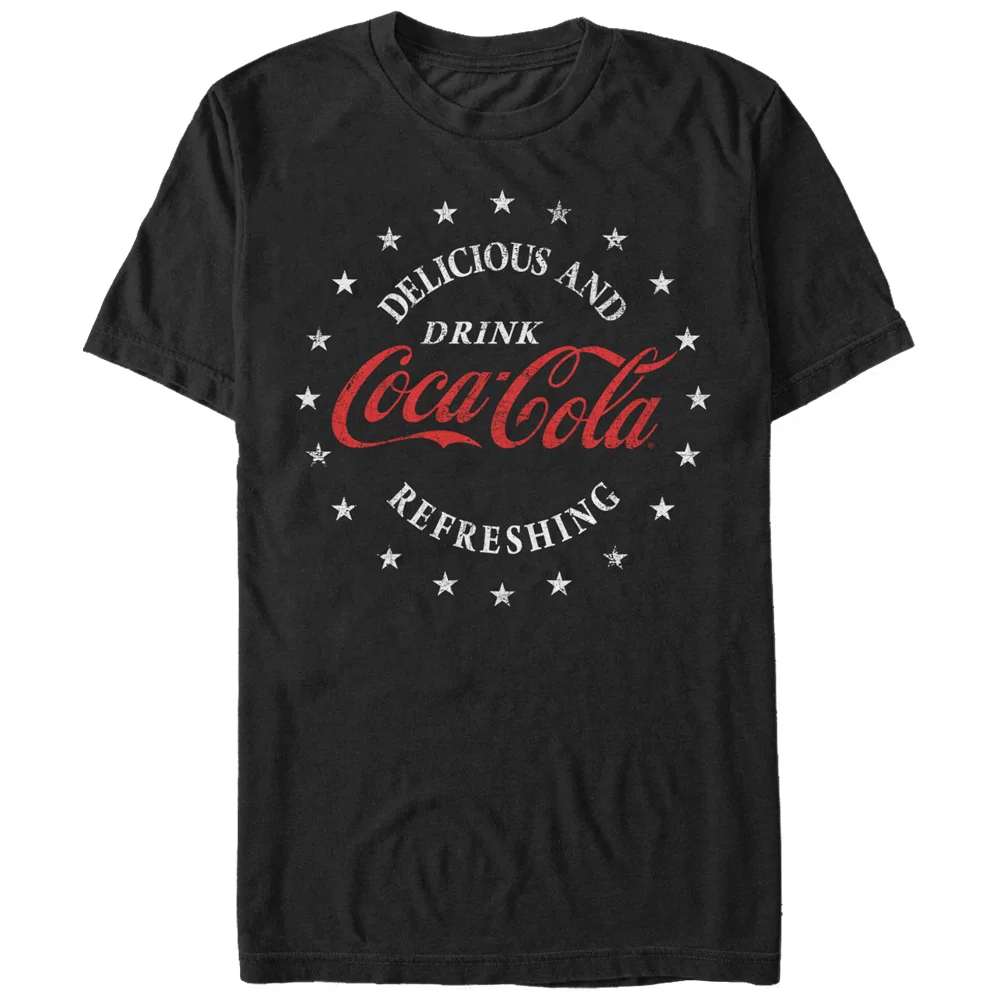
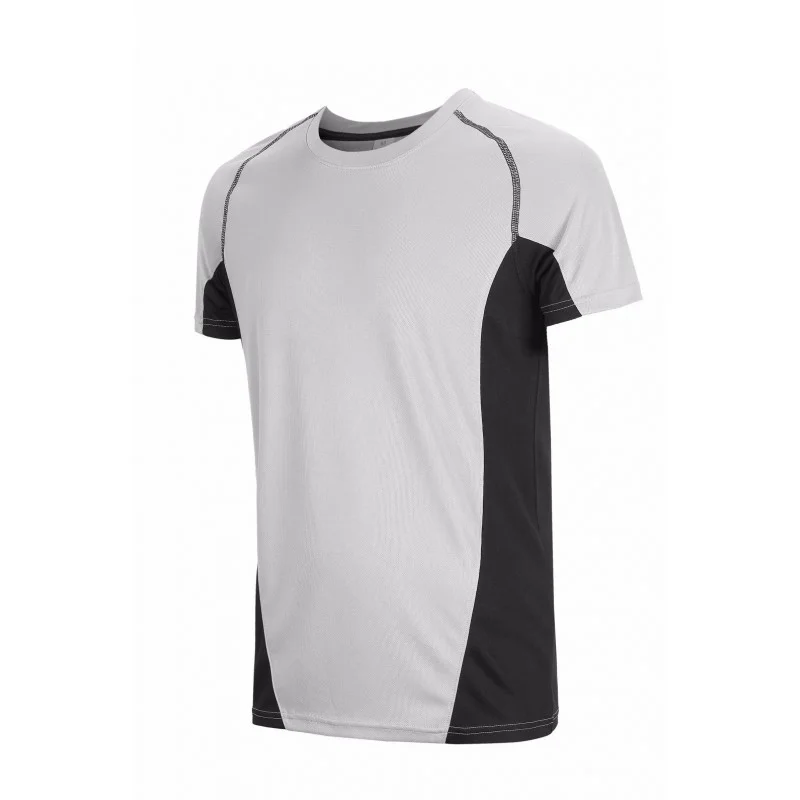
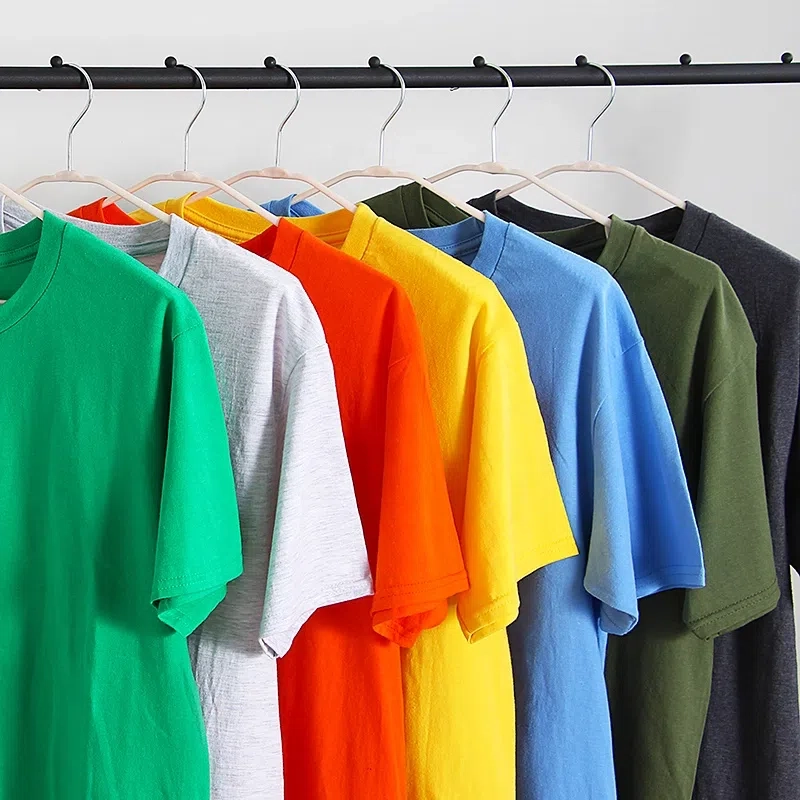
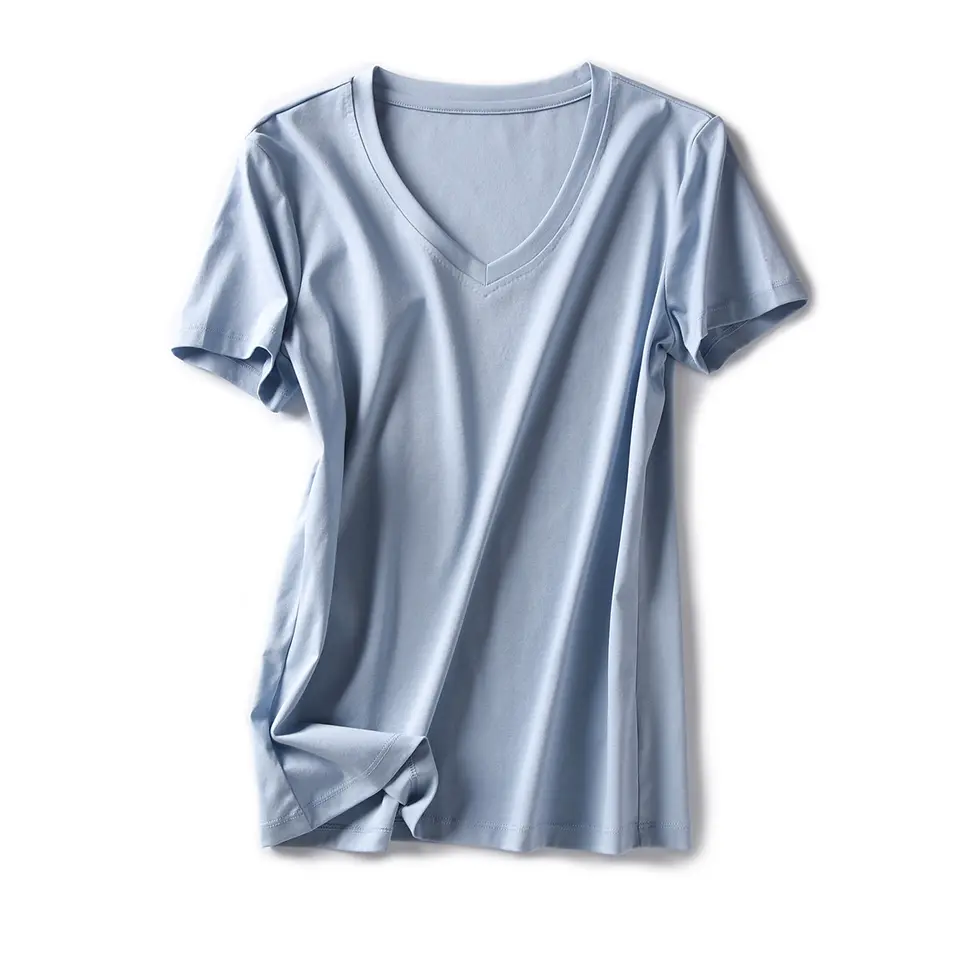
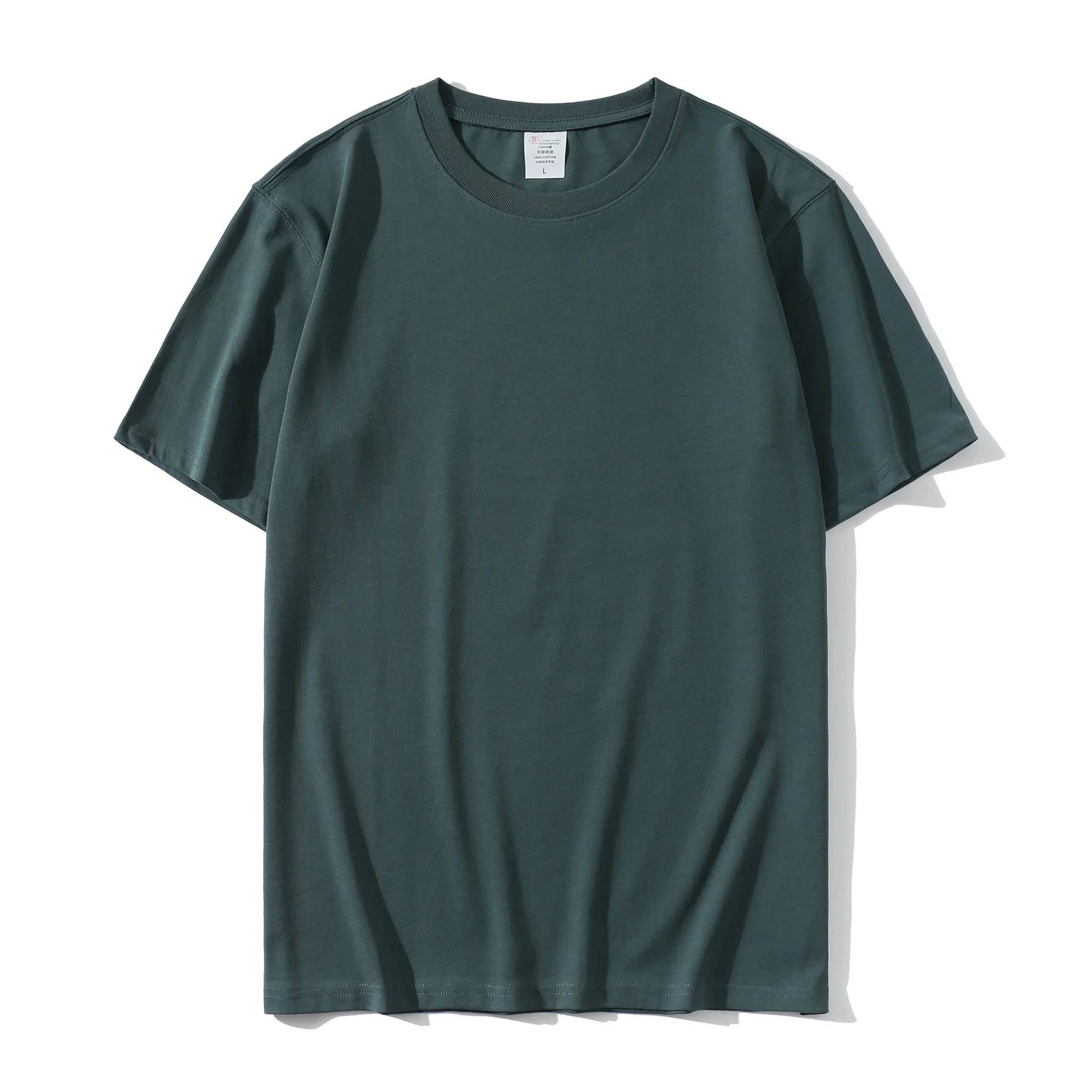
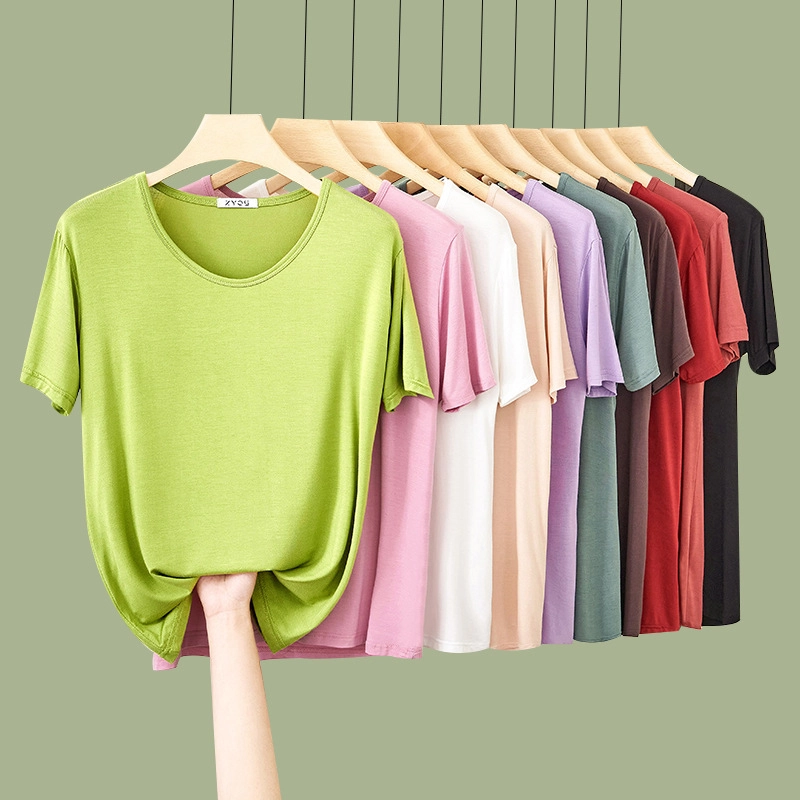
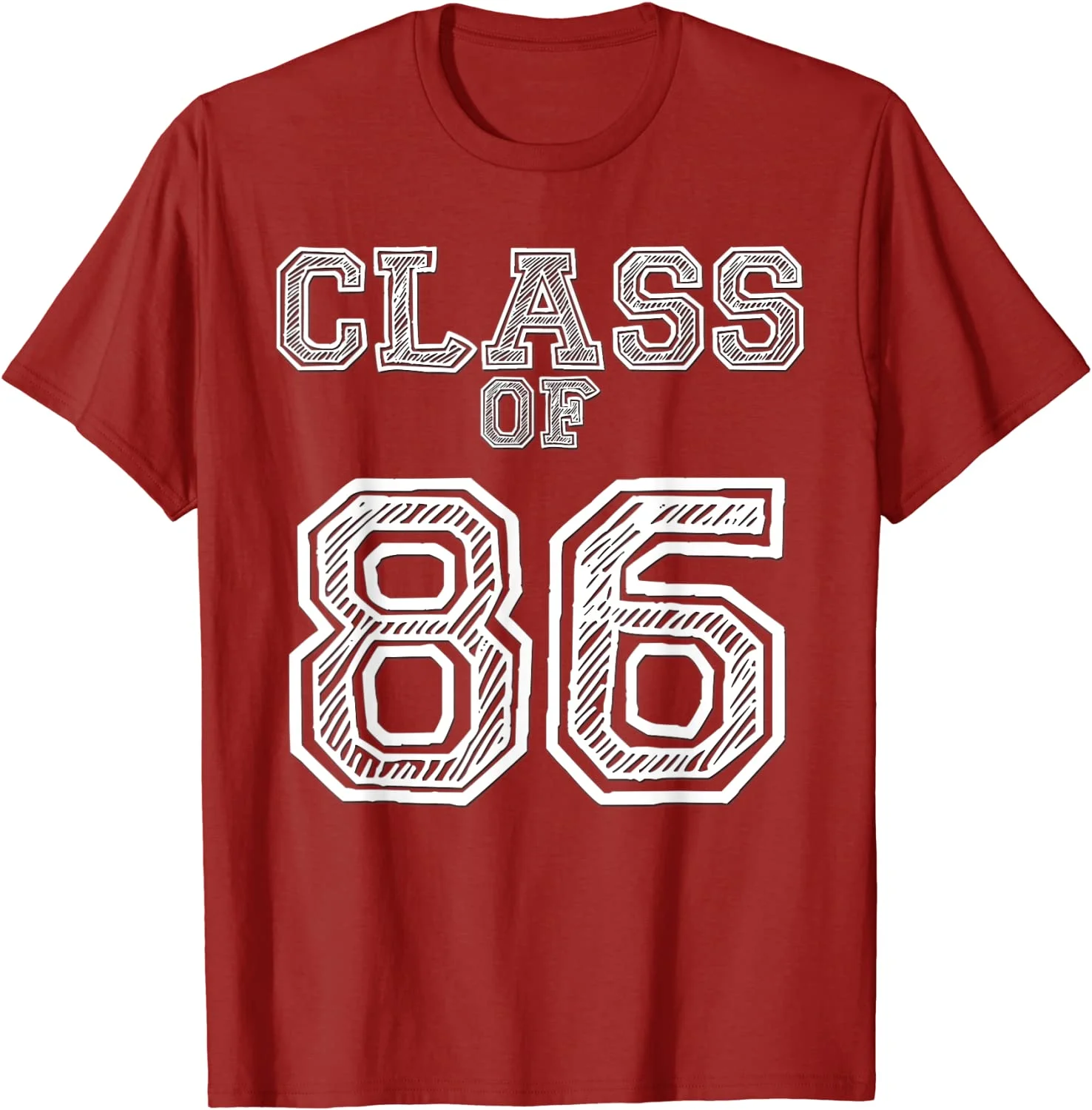
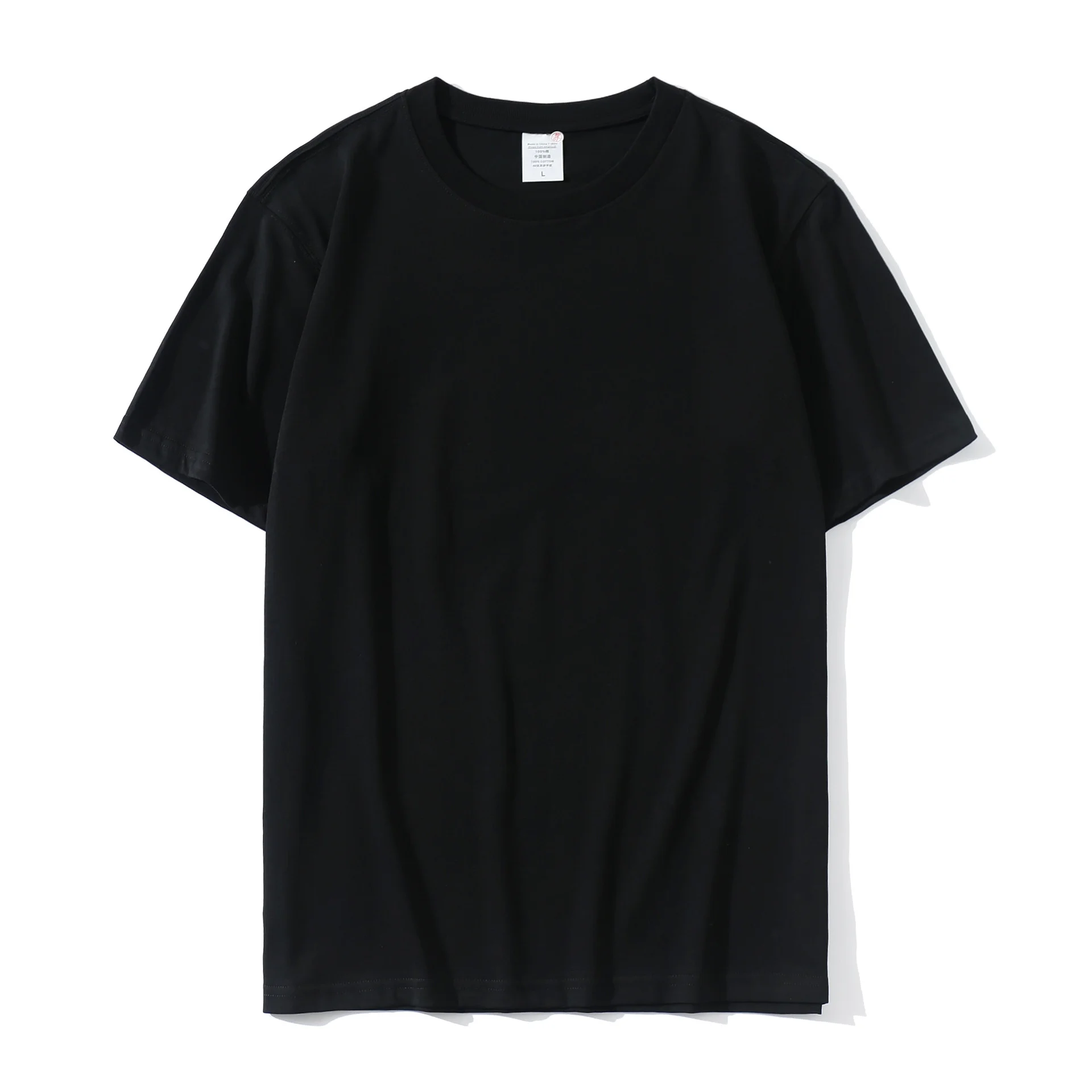
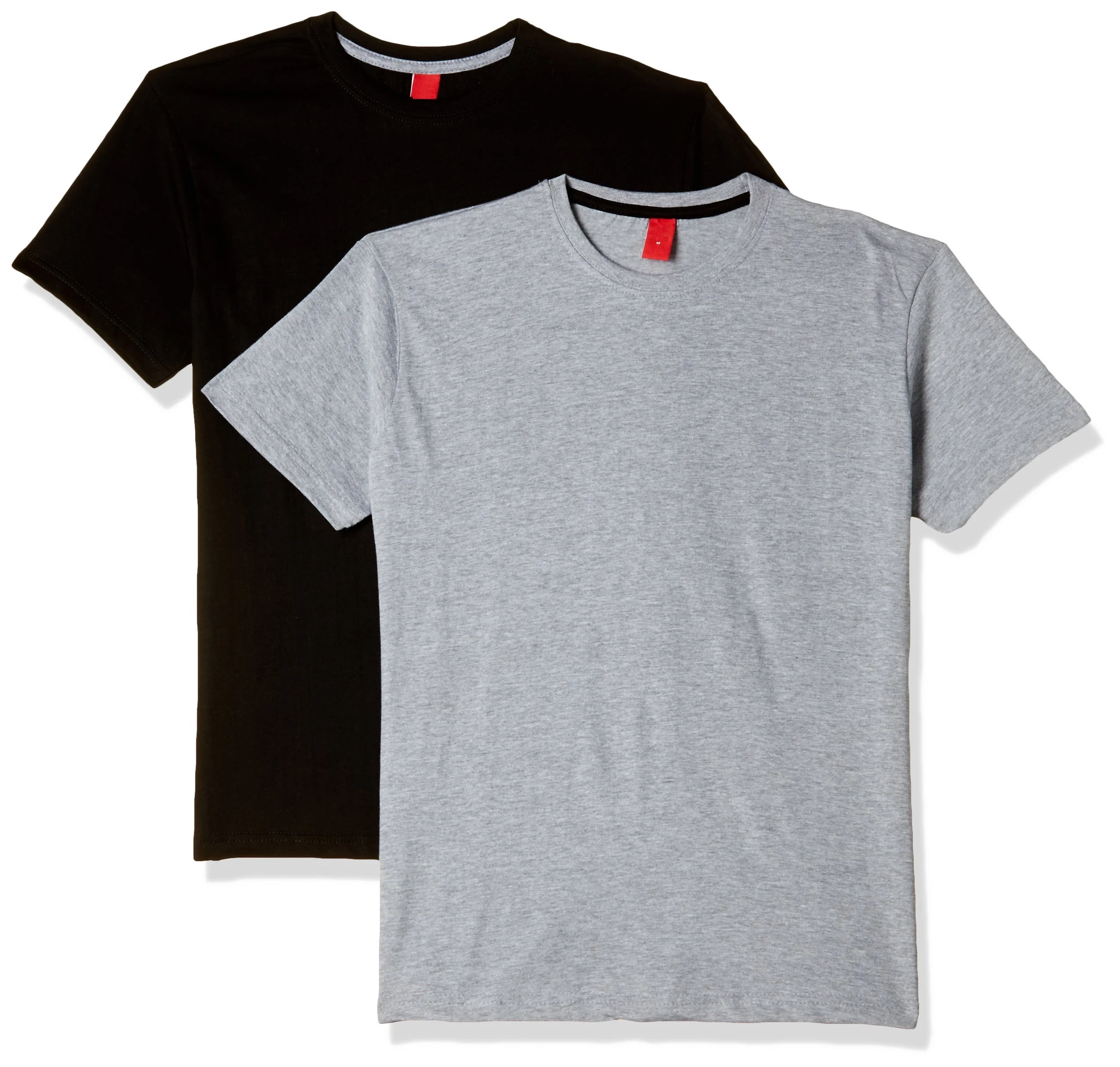
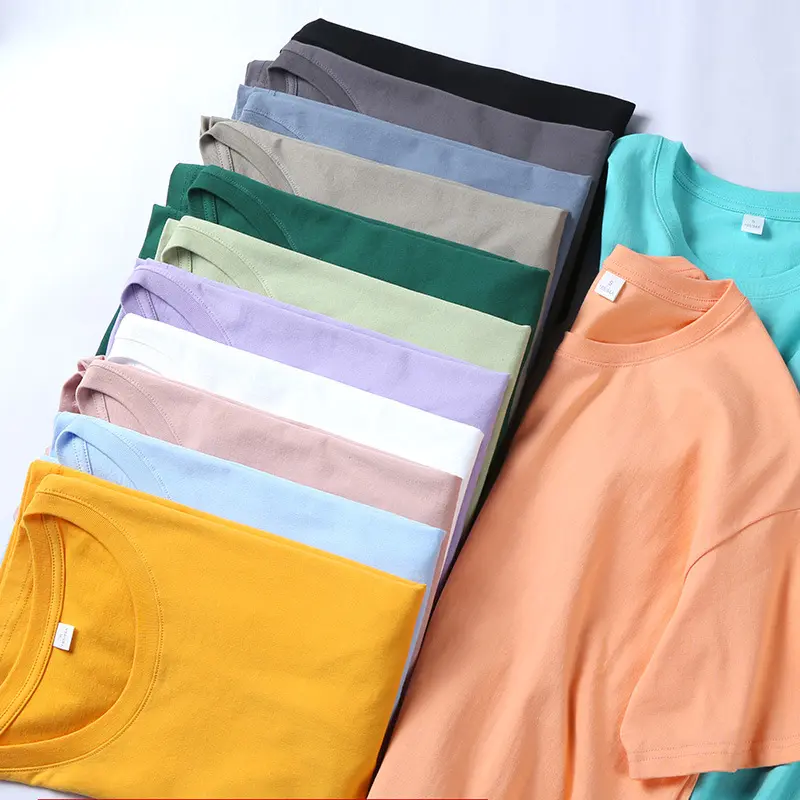
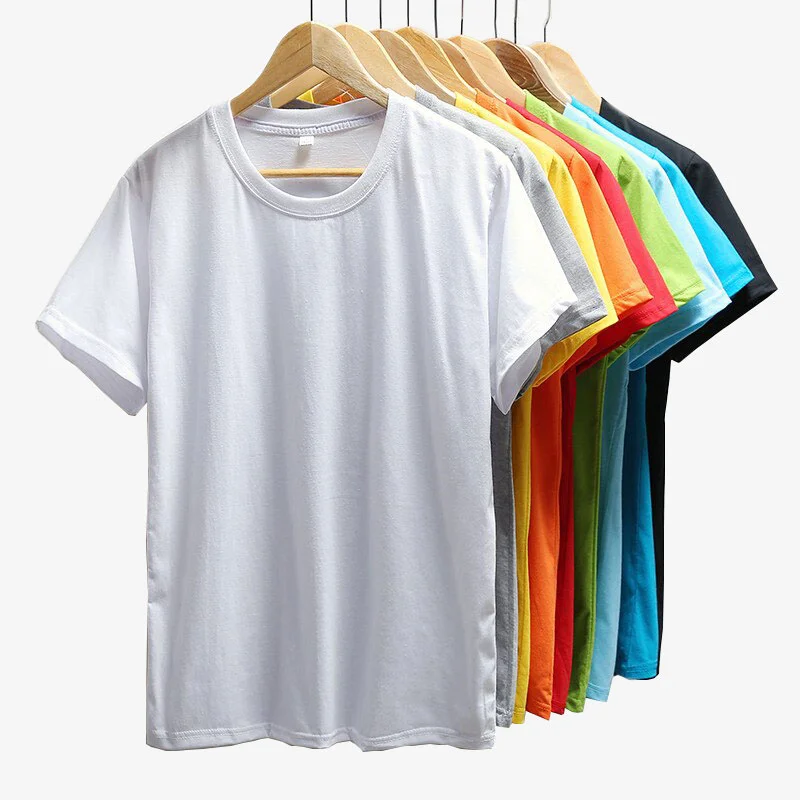
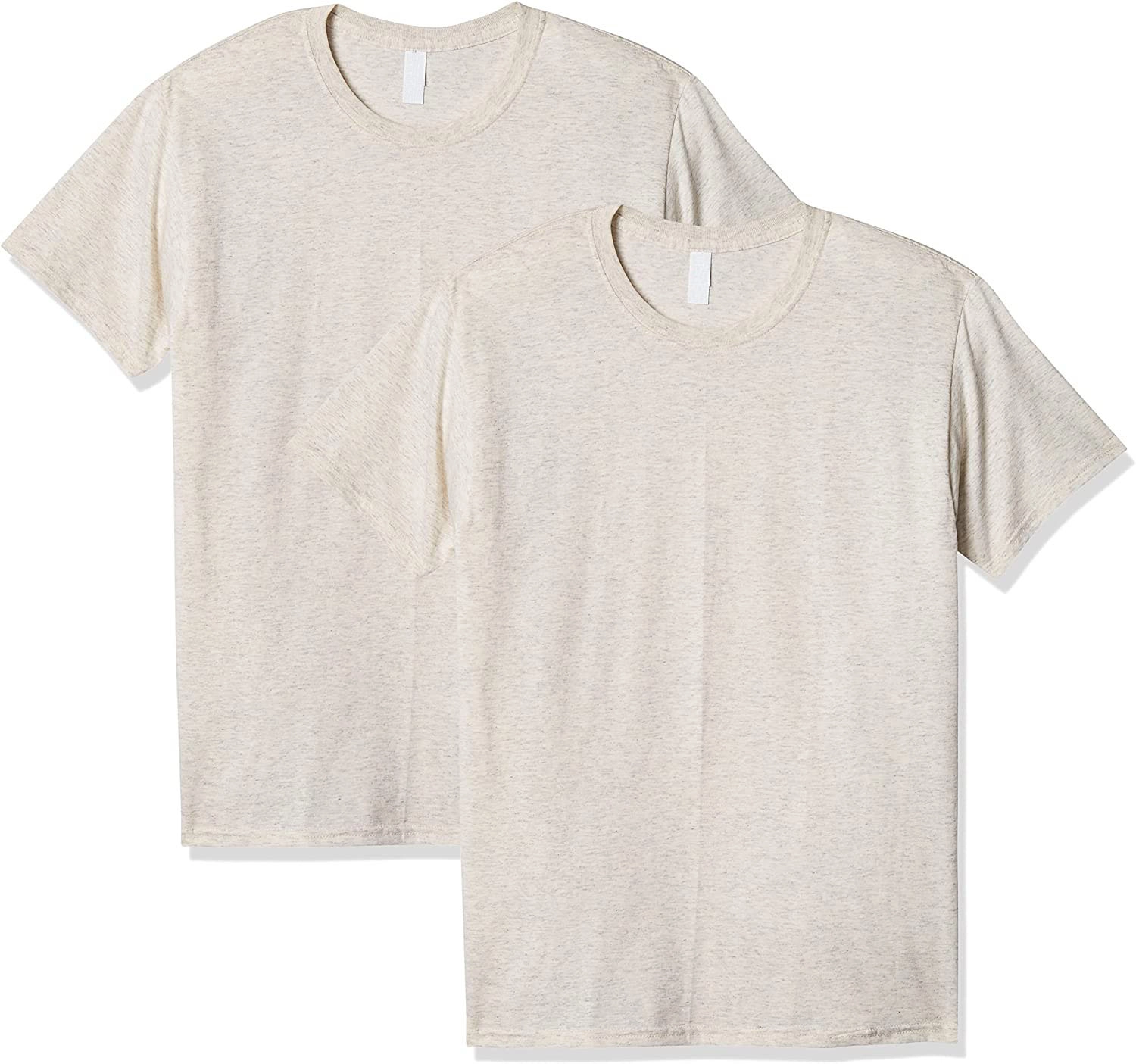
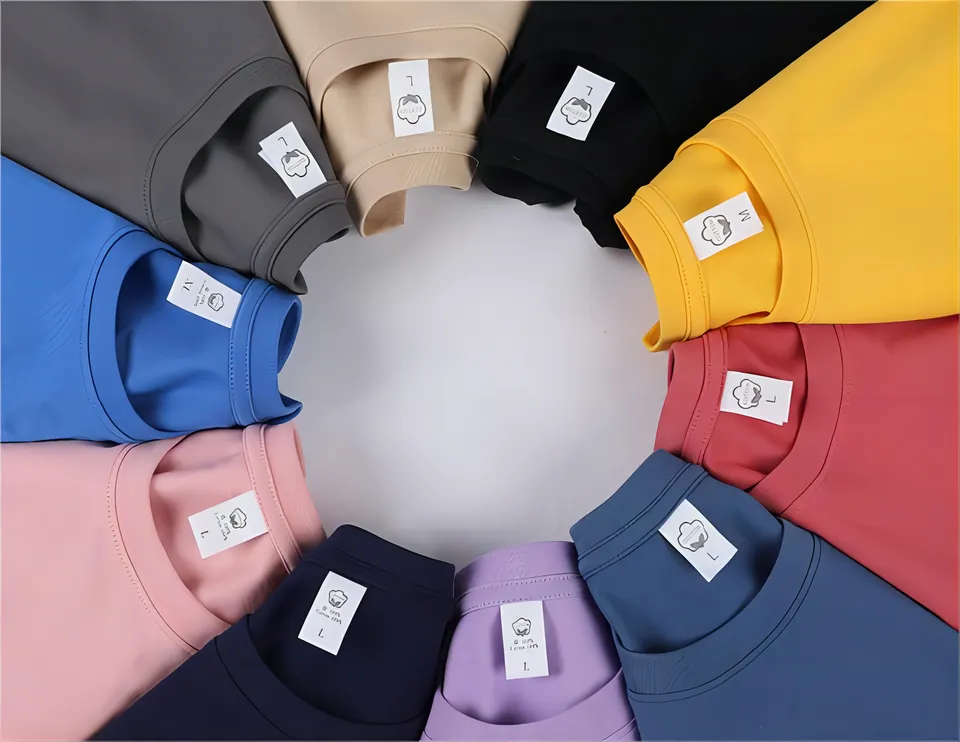
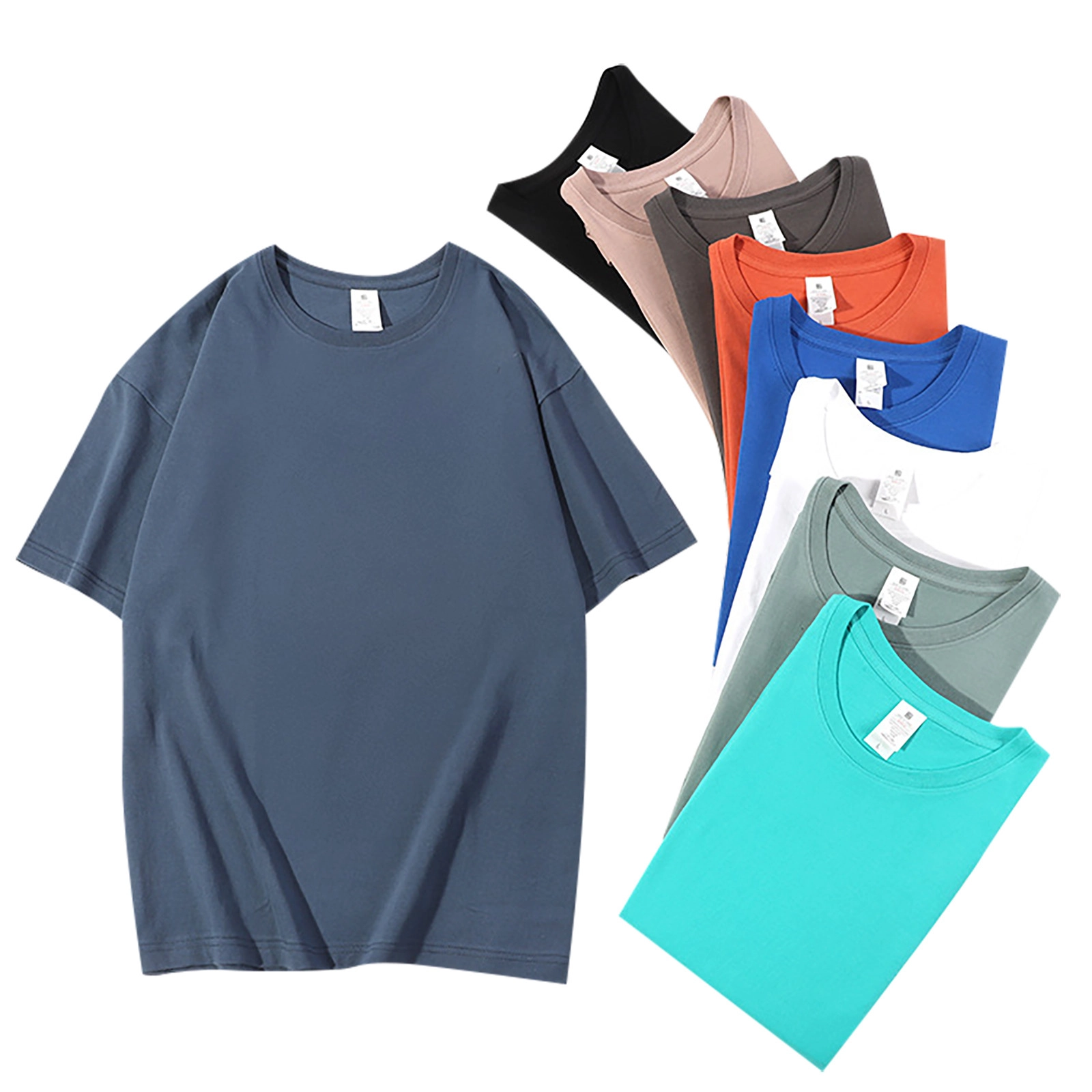
These items show what we make
DESIGNS 4 U

Customised Clothing with SiATEX: Stand Out from Your Competitors

SiATEX is a leading clothing manufacturer based in Bangladesh, offering customised clothing solutions for businesses of all sizes. With our vast experience and expertise, we strive to deliver high-quality customised clothing that reflects your brand’s personality and vision.

Our Customised Clothing Solutions

At SiATEX, we offer a wide range of customised clothing solutions that are tailored to your specific needs. Whether you’re looking for custom t-shirts, hoodies, uniforms, or any other type of clothing, we have the knowledge and expertise to bring your ideas to life. Our customised clothing solutions include:

Design Services

Our team of experienced designers can help you create custom designs for your clothing line. We work closely with you to understand your requirements and deliver designs that match your brand’s personality and vision. We use advanced design tools, including CAD renderings and 3D modelling software, to create designs that are both creative and functional.

Fabric Selection

We offer a wide range of high-quality fabrics that are carefully selected to meet your specific needs. From cotton to polyester, we have a vast selection of fabrics that are both durable and comfortable. Our fabric experts can help you select the right fabric for your customised clothing needs.

Manufacturing

Our manufacturing process is designed to deliver high-quality customised clothing products that meet your specifications. We use state-of-the-art machinery and equipment to ensure that your clothing is produced efficiently and accurately. Our team of skilled workers is committed to delivering customised clothing that meets your expectations.

Quality Control

At SiATEX, we take quality control seriously. We have a dedicated team of quality control experts who oversee every stage of the manufacturing process to ensure that your clothing is produced to the highest standards. We also offer third-party inspection services to provide an extra level of assurance.

Shipping and Logistics

Once your customised clothing is ready, we can handle all aspects of shipping and logistics. We work with a variety of freight forwarders and carriers to ensure that your products are delivered on time and in good condition.

Why Choose SiATEX Bangladesh for Customised Clothing?

There are many reasons to choose SiATEX as your customised clothing partner. Here are just a few:

  • Experience: With years of experience in the industry, we have the knowledge and expertise to deliver outstanding results.
  • Quality: We are committed to delivering high-quality customised clothing that meets your specifications.
  • Competitive Pricing: Our pricing is competitive, without compromising quality.
  • Fast Turnaround: We understand that time is of the essence, and we work efficiently to deliver your products on time.
  • Customer Service: We pride ourselves on providing excellent customer service. We are always available to answer questions and address concerns.

Contact Us Today

If you’re ready to take your branding to the next level with customised clothing, contact us today. We’d be happy to discuss your project and provide a quote. Let us help you stand out from your competitors with customised clothing that reflects your brand’s personality and vision

1. Overview of Oman’s Apparel Industry

Oman, a country situated in the Middle East, is among the largest importers of apparels in the region. T-shirts, in particular, are in high demand in Oman, and the country sources them from various countries across the globe. Bangladesh, one of the major players in the garment industry, has been a significant exporter of T-shirts to Oman for many years. The country is well-known for its cost-effective and high-quality T-shirts, which has made it a preferred sourcing destination for many countries, including Oman. In this article, we will take a closer look at Oman’s imports of T-shirts from Bangladesh garment manufacturers, analyzing the driving factors, competitive landscape, and future outlook of this trade relationship.

Oman’s Clothing Market Size and Growth

Oman’s garment industry has experienced steady growth in recent years, with the clothing market size projected to reach USD 2.7 billion by 2025. The increase in demand for clothing is due to an expanding population, rising income, and changing lifestyle preferences.

Key Players in Oman’s Apparel Industry

The apparel industry in Oman is dominated by international brands such as Zara, H&M, and Mango. However, there are also prominent local brands such as Al Nafoura, Al Nahdha, and Al Habib Textiles, which specialize in traditional clothing.

The apparel sector in Oman faces a range of challenges, including high import tariffs and competition from low-cost manufacturing countries. A trend that has emerged in recent years is an increasing demand for eco-friendly and sustainable clothing, driven by consumer awareness of environmental issues.

2. Bangladesh Garment Industry: Key Facts and Figures

Historical Development of Bangladesh’s Garment Industry

The garment industry in Bangladesh dates back to the early 1980s, and the country has since become the second-largest garment exporter in the world after China. The industry employs over four million people, accounting for 80% of the country’s total export revenue.

Current Status of Bangladesh’s Garment Industry

The Bangladesh garment industry is facing challenges in the form of low wages, safety hazards, and labor exploitation. However, the industry has made significant progress in recent years, with an increasing focus on worker safety, compliance, and sustainability.

Major Players and Key Competitors in Bangladesh’s Garment Industry

The Bangladesh garment industry is dominated by large-scale manufacturers such as Ha-Meem Group, Pacific Jeans, and DBL Group. These manufacturers have benefited from economies of scale and improved supply chain management.

3. T-Shirt Manufacturing in Bangladesh

Overview of T-Shirt Manufacturing Process

The T-shirt manufacturing process in Bangladesh involves sourcing raw materials, cutting and sewing fabric, printing and embroidery, and finishing. The country’s skilled workforce and low production costs make it an attractive destination for T-shirt manufacturing.

Labor and Production Costs in Bangladesh

Bangladesh’s garment industry is known for its low labor costs due to the abundance of labor and low-wage rates. The production costs of T-shirts are also lower in Bangladesh compared to other countries due to lower material costs and economies of scale.

Quality Control and Compliance Standards

Quality control and compliance standards are critical in the garment industry to ensure that products meet safety and performance requirements. Bangladesh has implemented stricter compliance measures in recent years, including safety inspections, worker training, and social audits.

Quantity of T-Shirt Imports from Bangladesh

Oman’s imports of T-shirts from Bangladesh have grown significantly in recent years, with a total of 9.9 million units imported in 2020.

Market Share of Bangladesh in Oman’s T-Shirt Imports

Bangladesh is a leading supplier of T-shirts to Oman, accounting for 52% of total T-shirt imports in 2020. Other key suppliers include India, China, and Pakistan.

Comparison with T-Shirt Imports from Other Countries

Oman’s T-shirt imports from Bangladesh are significantly higher than imports from other countries. This trend can be attributed to Bangladesh’s competitive manufacturing costs and high-quality standards, which have made it a preferred supplier of T-shirts to Oman.

5. Competitive Landscape of Bangladesh T-Shirt Manufacturers

Bangladesh is known for its thriving garment industry, and its T-shirt manufacturing segment is no exception. The country has a large number of manufacturers, both big and small. Some of the major players in the Bangladesh T-shirt industry include DBL Group, Composite Knit Ltd., Envoy Textiles, and Pacific Jeans Ltd. However, there are many other manufacturers who are producing high-quality T-shirts at competitive prices.

Major Players and Key Competitors in Bangladesh’s T-Shirt Manufacturing Industry

The major players in Bangladesh’s T-shirt industry have a proven track record of producing high-quality garments at competitive prices. These companies have invested in modern machinery, skilled workforce, and efficient supply chain management to remain competitive in the market. The key competitors for Bangladesh’s T-shirt manufacturers are other low-cost garment-producing countries such as China, Vietnam, and India.

Strengths and Weaknesses of Bangladesh’s T-Shirt Manufacturers

The strengths of Bangladesh’s T-shirt manufacturers lie in its cost competitiveness, quality of products, and efficient supply chain management. Bangladesh’s T-shirt manufacturers have access to a large pool of skilled labor, which helps them to produce high-quality garments at a low cost. Moreover, Bangladesh’s geographical location and proximity to major markets like Europe and the Middle East make it easier for manufacturers to ship their products to these regions. However, the weakness of Bangladesh’s T-shirt industry is its heavy dependence on exports. The country’s garment industry has been hit hard by COVID-19, and manufacturers are struggling due to canceled orders and delayed payments.

Strategies for Staying Ahead in the Highly Competitive Market

Bangladesh’s T-shirt manufacturers need to focus on diversifying their product range, improving their supply chain and logistics, and investing in research and development. By broadening their product offerings, manufacturers can tap into new markets and reduce their dependence on a few products. Improving supply chain and logistics will help manufacturers to deliver products faster and at a lower cost. Investing in R&D will enable manufacturers to keep up with the changing consumer preferences and stay ahead of the competition.

6. Factors Driving Oman’s Imports of T-Shirts from Bangladesh

Oman’s imports of T-shirts from Bangladesh have been on the rise in recent years. There are several factors driving this trend.

Competitive Pricing of T-Shirts

Bangladesh’s T-shirt manufacturers are known for their cost competitiveness. They can produce T-shirts at a lower cost than other countries due to their access to a large pool of skilled labor and favorable government policies.

High Quality of T-Shirts

In addition to cost competitiveness, Bangladesh’s T-shirt manufacturers also produce high-quality products. They have invested in modern machinery and a skilled workforce, which allows them to produce T-shirts that meet international quality standards.

Efficient Supply Chain Management

Bangladesh’s T-shirt manufacturers have a well-established supply chain network that allows them to produce and deliver products efficiently. They have access to a vast network of suppliers and logistics partners, which helps them to reduce lead times and costs.

7. Challenges and Opportunities for Bangladesh Garment Manufacturers

Although Bangladesh’s T-shirt industry has experienced rapid growth in recent years, it faces several challenges that need to be addressed.

Rising Production and Labor Costs

The cost of production and labor in Bangladesh is rising due to inflation and a shortage of skilled labor. This makes it difficult for manufacturers to maintain their competitiveness in the market.

Competition from Other Low-Cost Manufacturing Countries

Bangladesh faces stiff competition from other low-cost manufacturing countries such as China, Vietnam, and India. These countries have a large pool of skilled labor and modern manufacturing facilities, which allows them to produce goods at a lower cost.

Opportunities for Diversification and Vertical Integration

There is an opportunity for Bangladesh’s T-shirt manufacturers to diversify their product range and move towards vertical integration. By expanding their product offerings beyond T-shirts, manufacturers can tap into new markets and reduce their dependence on a few products.

8. Future Outlook for Oman’s T-Shirt Imports from Bangladesh

Oman’s imports of T-shirts from Bangladesh are expected to continue to grow in the coming years, driven by several factors.

Potential for Growth in Oman’s Apparel Market

Oman’s apparel market is expected to grow, driven by an increase in disposable income and changing consumer preferences. This presents an opportunity for Bangladesh’s T-shirt manufacturers to expand their market share in Oman.

The demand for sustainable and eco-friendly garments is increasing globally. Bangladesh’s T-shirt manufacturers can tap into this trend by producing garments that are environmentally friendly.

Strategies for Building Stronger Business Relationships between Oman and Bangladesh

To strengthen their business relationships, Oman and Bangladesh can focus on improving trade policies, increasing market access, and organizing trade fairs and exhibitions. This will help to create more opportunities for business cooperation and investment between the two countries.In conclusion, Bangladesh garment manufacturers have become a critical source of T-shirts for Oman, thanks to their high-quality products, competitive pricing, and efficient supply chain management. While there are challenges facing Bangladesh’s garment industry, such as rising production and labor costs and competition from other countries, the country has opportunities for diversification and vertical integration. With the potential for growth in Oman’s apparel market and emerging trends in T-shirt manufacturing, there are ample opportunities for stronger business relationships between Oman and Bangladesh in the years ahead.

FAQs

What is the volume of T-shirt imports from Bangladesh to Oman?

The exact volume of T-shirt imports from Bangladesh to Oman fluctuates each year. However, Bangladesh is one of the leading exporters of T-shirts to Oman.

What factors are driving Oman’s imports of T-shirts from Bangladesh?

Oman’s imports of T-shirts from Bangladesh are driven by the country’s high-quality, cost-effective, and efficient supply chain management.

What challenges does Bangladesh’s garment industry face?

Bangladesh’s garment industry faces challenges such as rising production and labor costs, competition from other countries, and supply chain disruptions.

What are the opportunities for Bangladesh’s garment industry?

Bangladesh’s garment industry has opportunities for diversification and vertical integration. The industry can also leverage emerging trends in the apparel market to stay ahead of the competition.

Quick Links :
Our MOQ is 3000 pcs each style
You Have't added any Item !
Cancel
Message here
0
Cart