Home / Casual Wear / Europe Imports T-shirts from Bangladesh Clothing Factories
Fully Customizable
Europe Imports T-shirts from Bangladesh
Europe Imports T-shirts Supplier
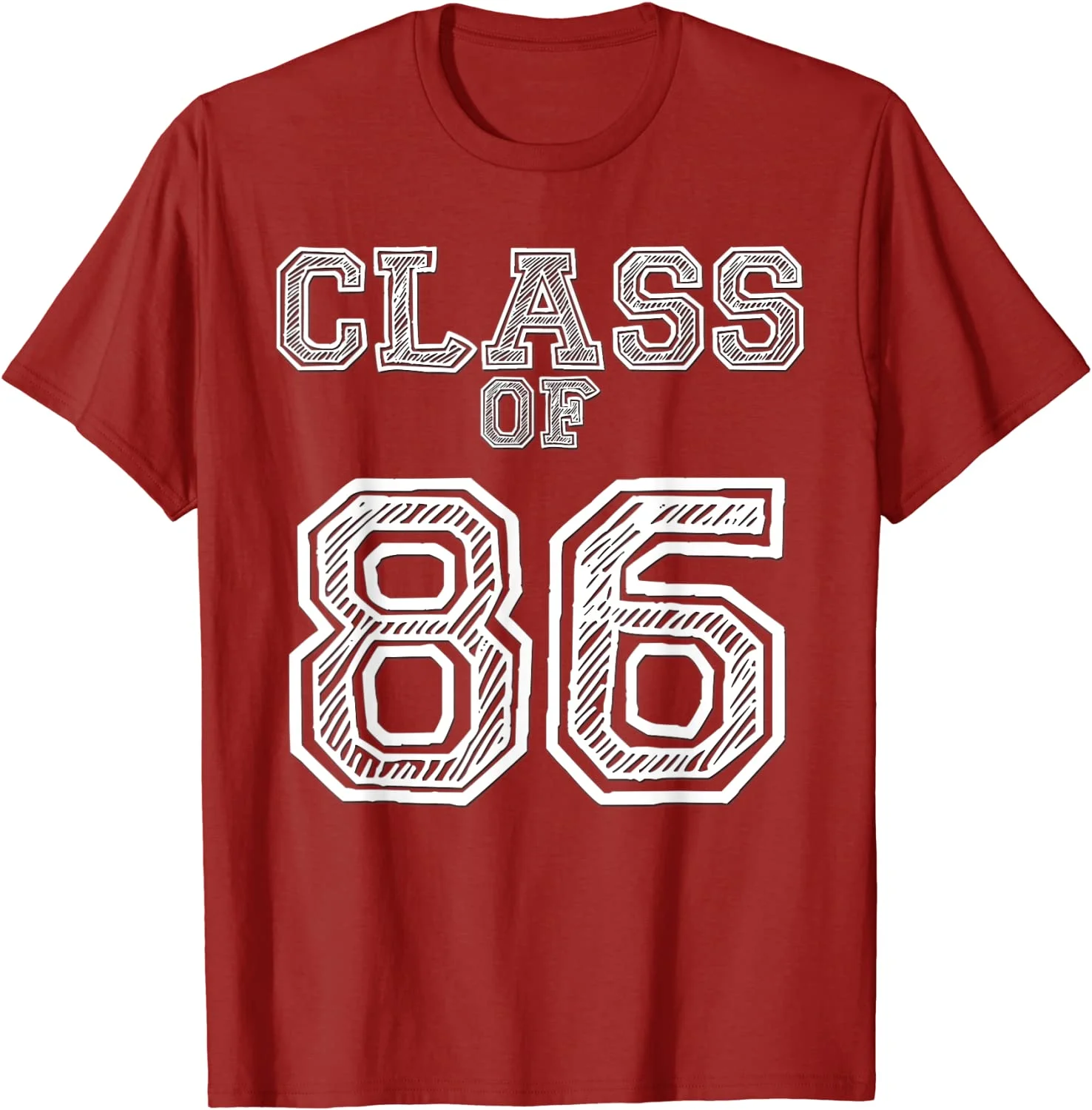
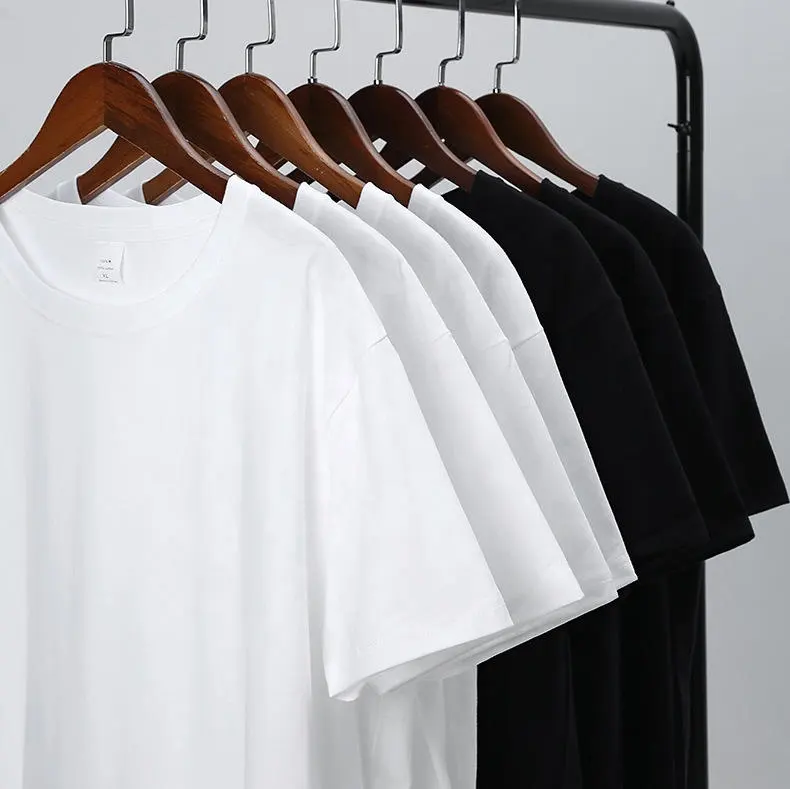
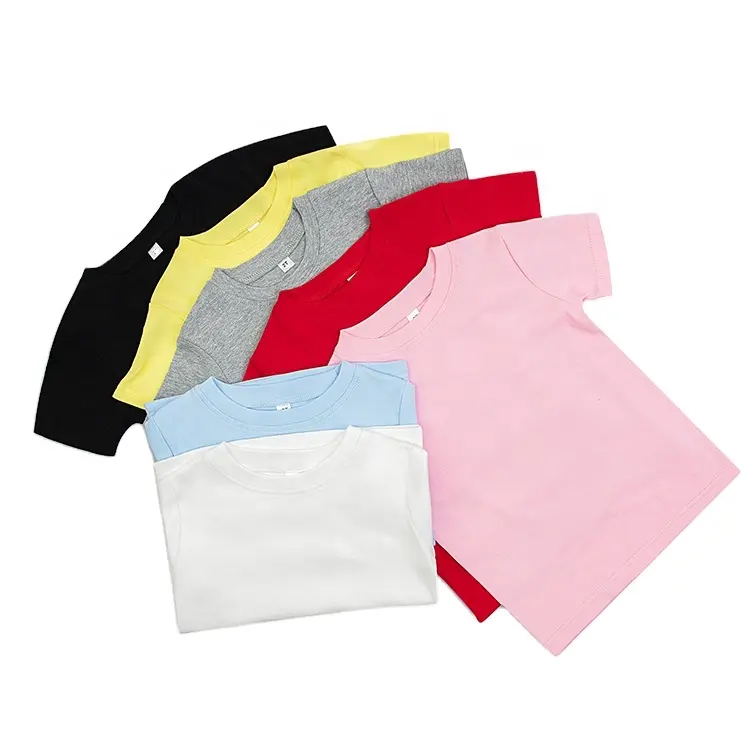
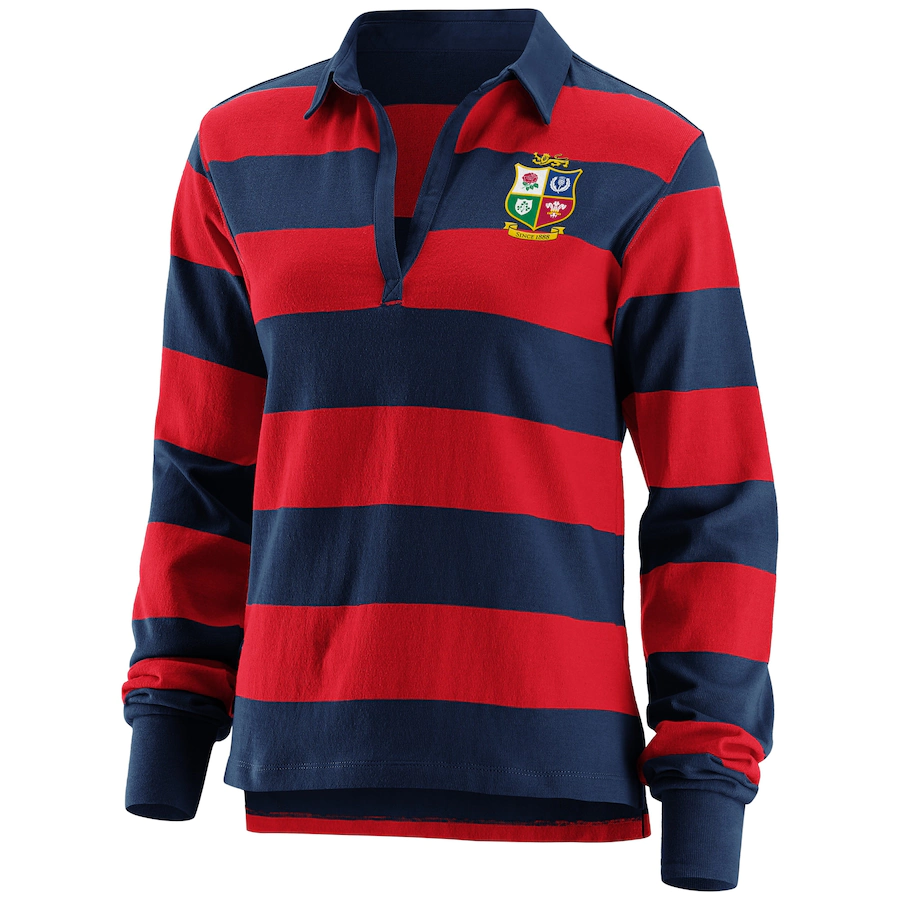
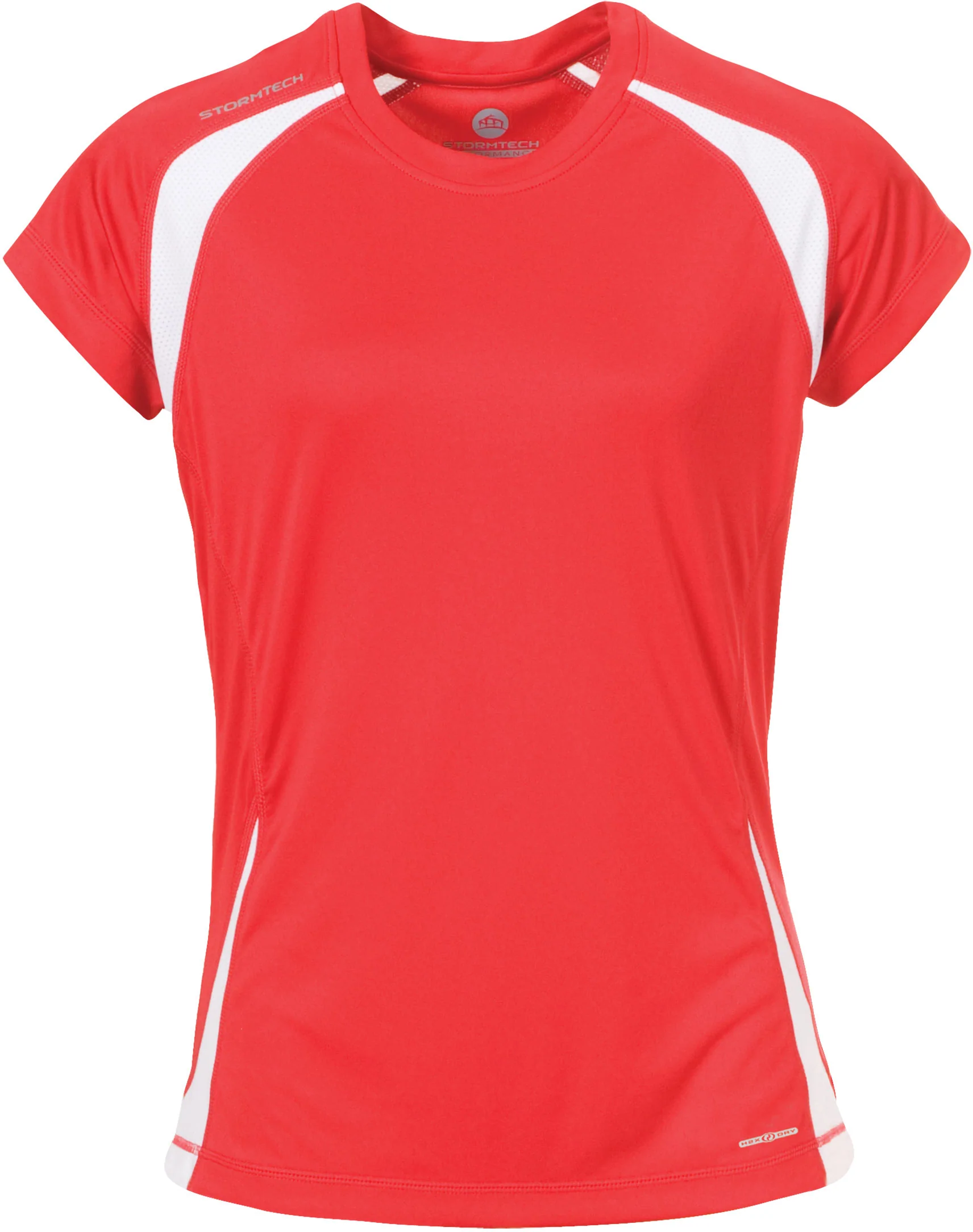
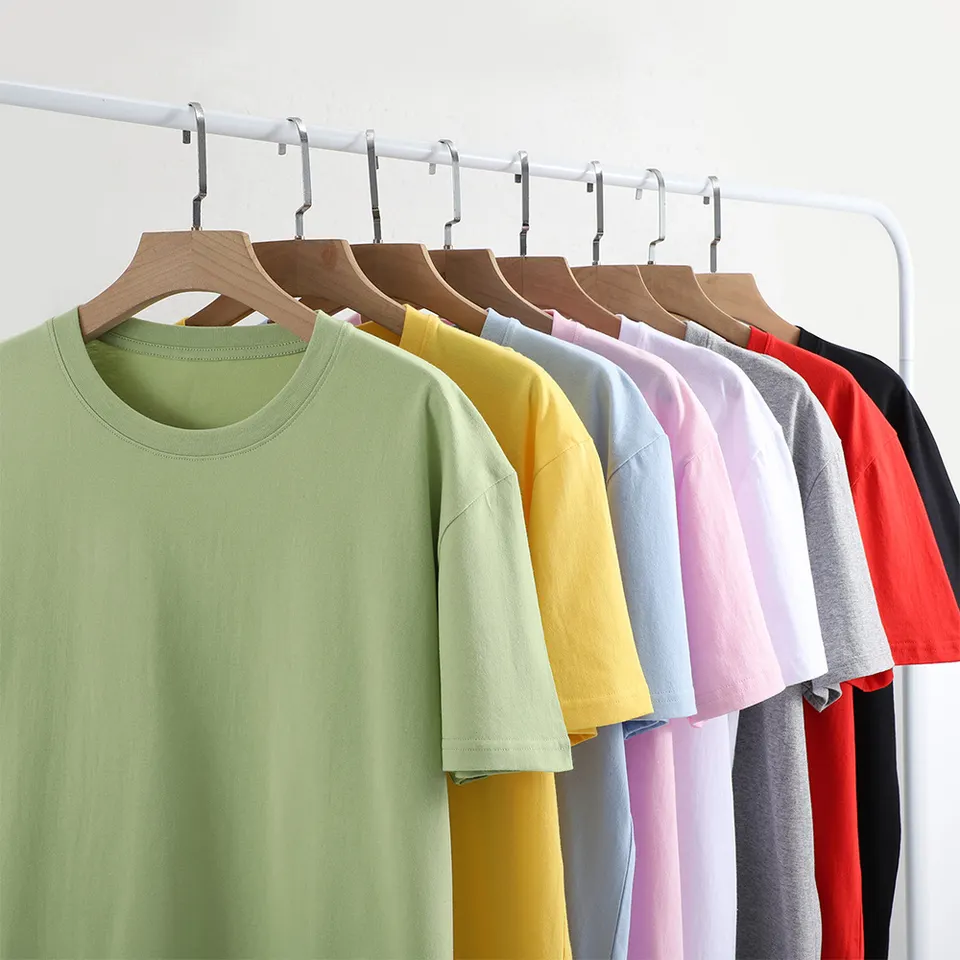
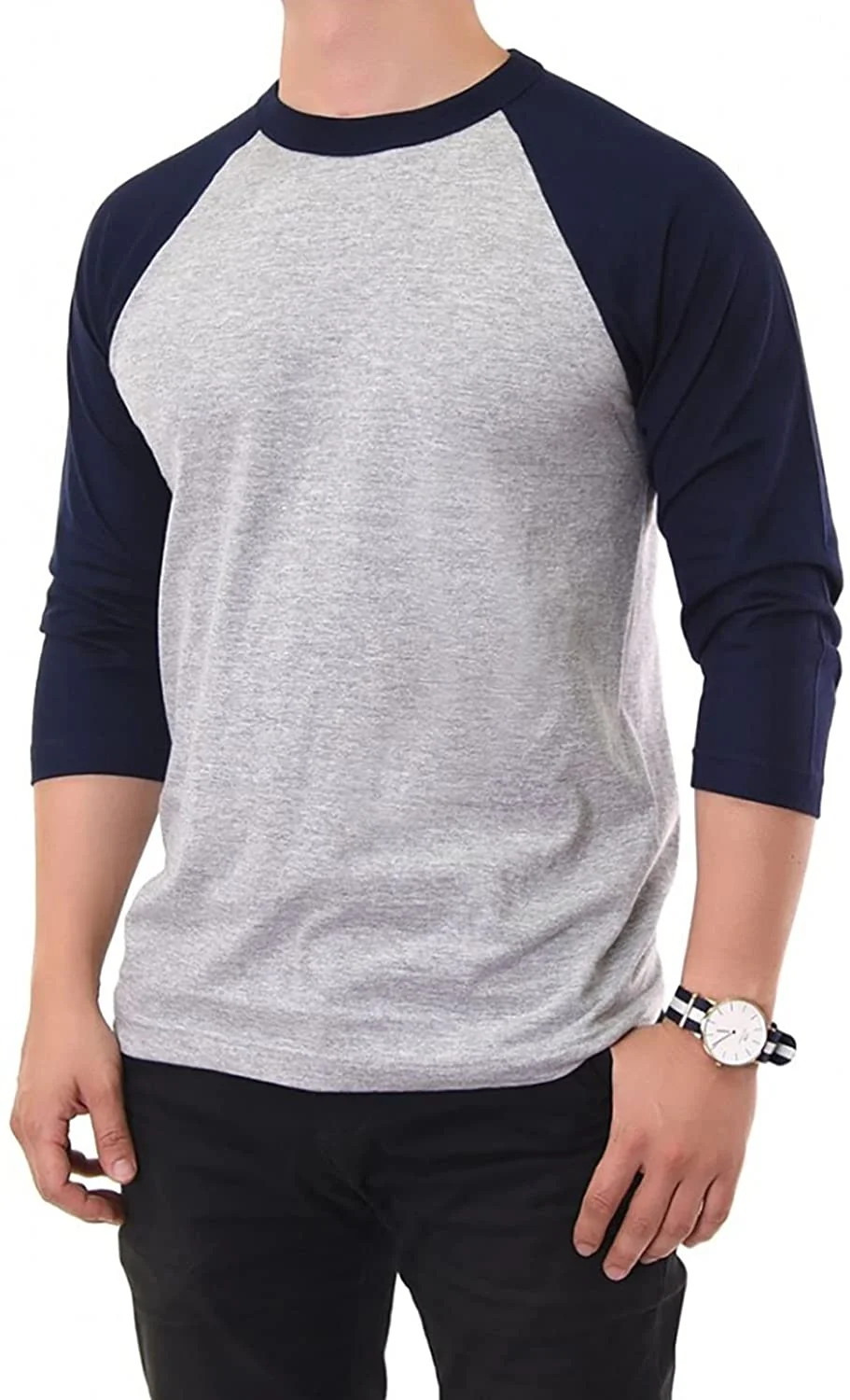
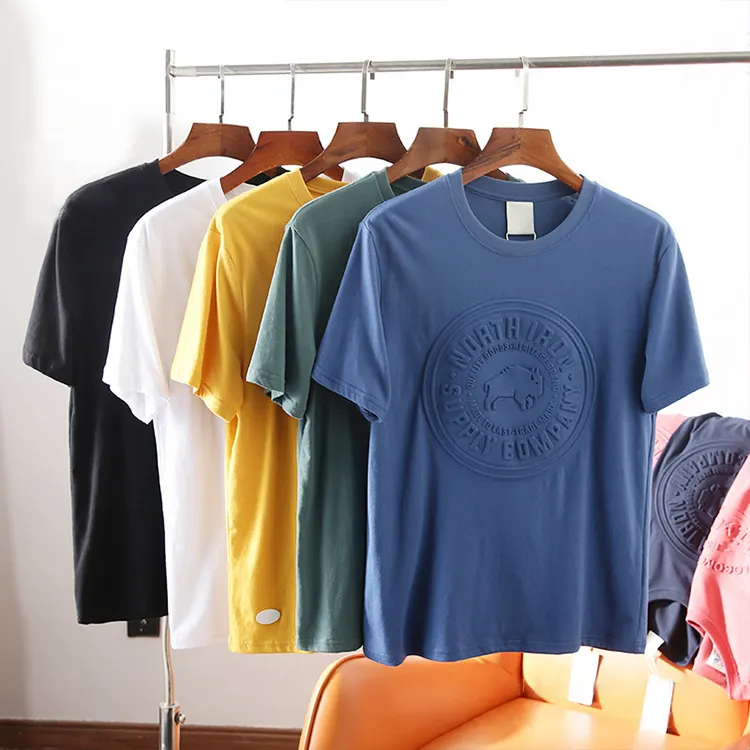
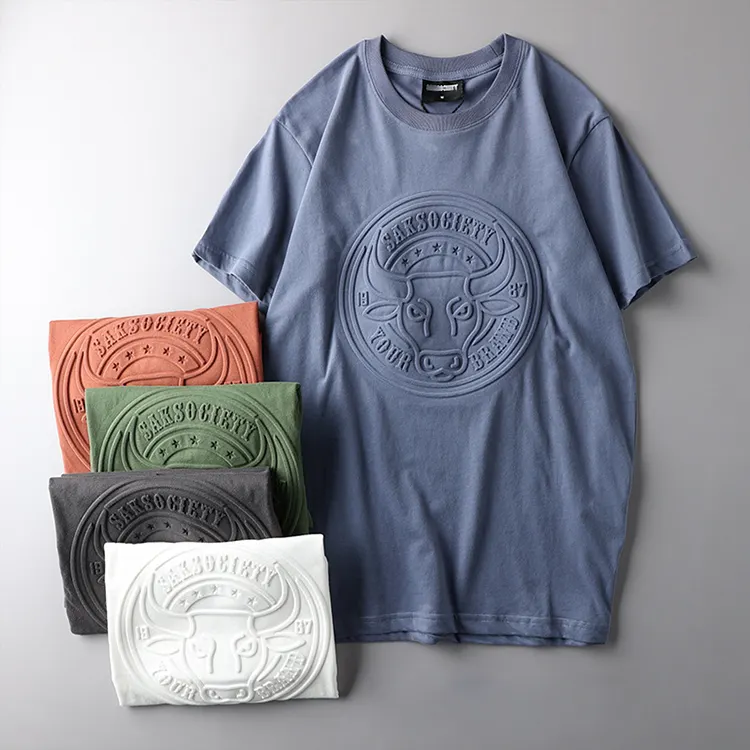
Are you in search of a reliable source for T-shirts with a touch of European quality? Your quest ends here! As a trusted Europe Imports T-shirts Supplier and Manufacturer in Bangladesh since 1987, we have been delivering exceptional T-shirts to clients across American, European, and Middle Eastern countries.
Designs
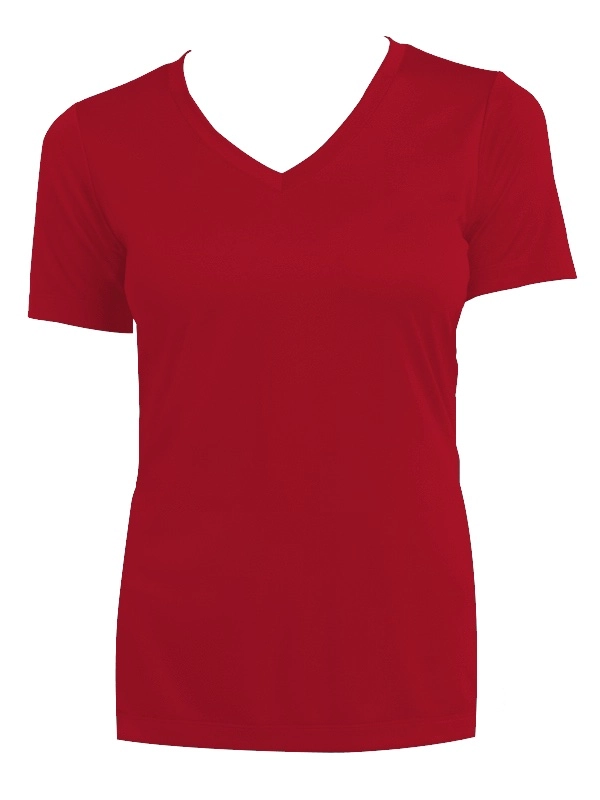
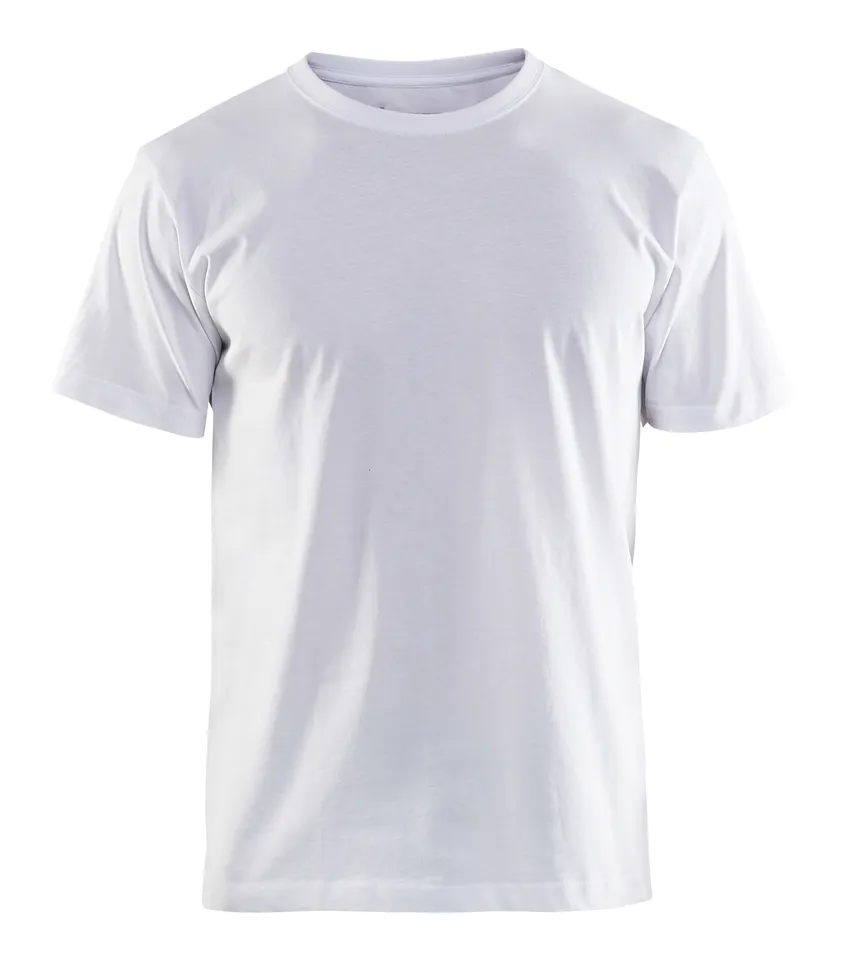
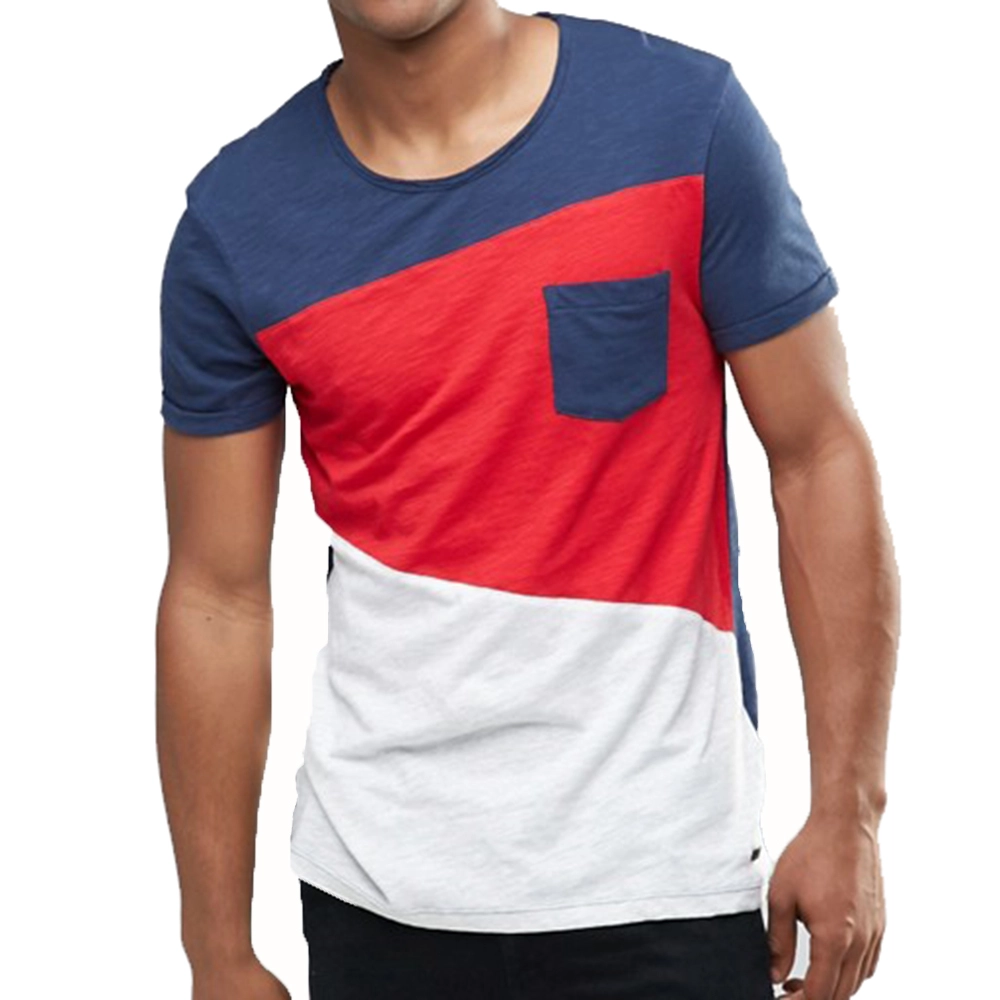
Our ISO, WRAP, BSCI, and SEDEX certified factories are equipped to manufacture Europe-imported T-shirts precisely according to your designs and tech specifications. Whether you prefer classic cuts or contemporary styles, we bring European flair to every piece.
Material Capabilities
Diverse range of OEKO-TEX certified fabrics
Luxuriously soft and breathable cotton blends
Premium quality polyester blends
Sustainable and eco-friendly options
Moisture-wicking materials for enhanced comfort
Specify the fabric, and we’ll arrange it for you!
Customization Capabilities
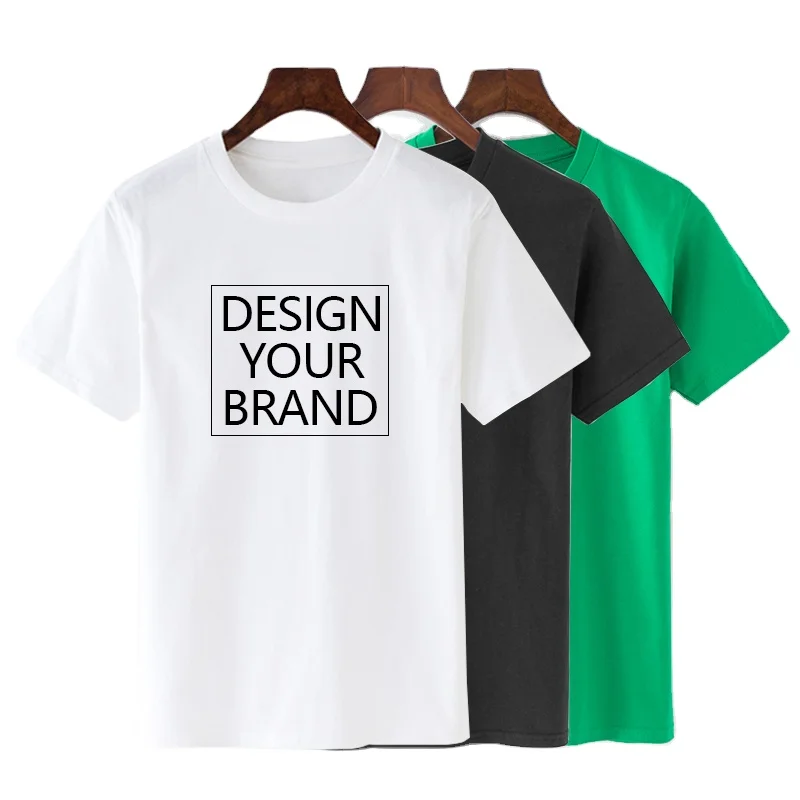
Tailor these Europe Imports T-shirts to your unique style. Our customization options allow you to add personal touches, ensuring that each T-shirt reflects your brand identity.
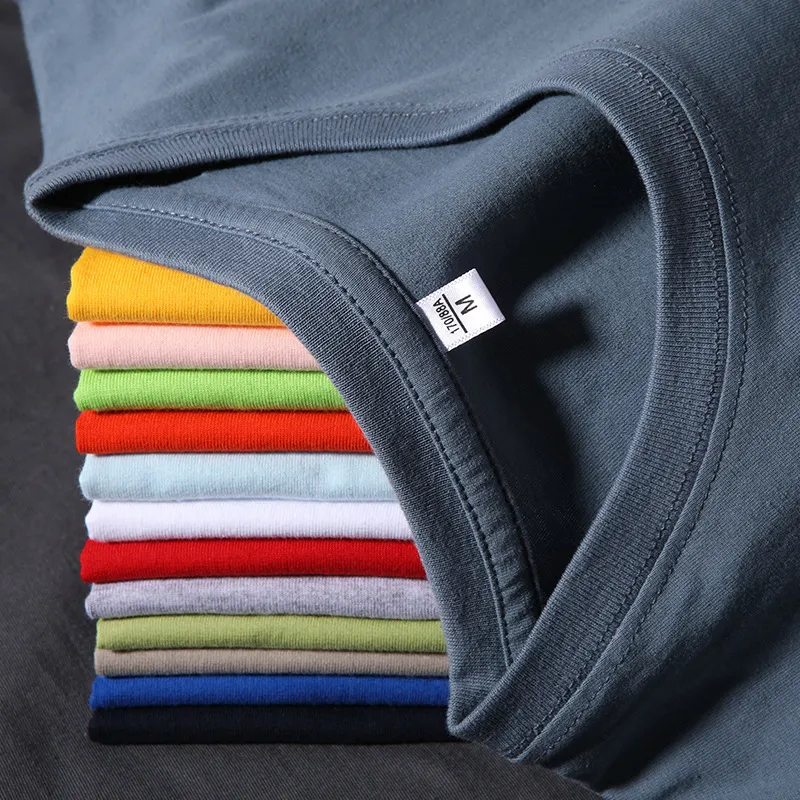
Custom Labels and Tags
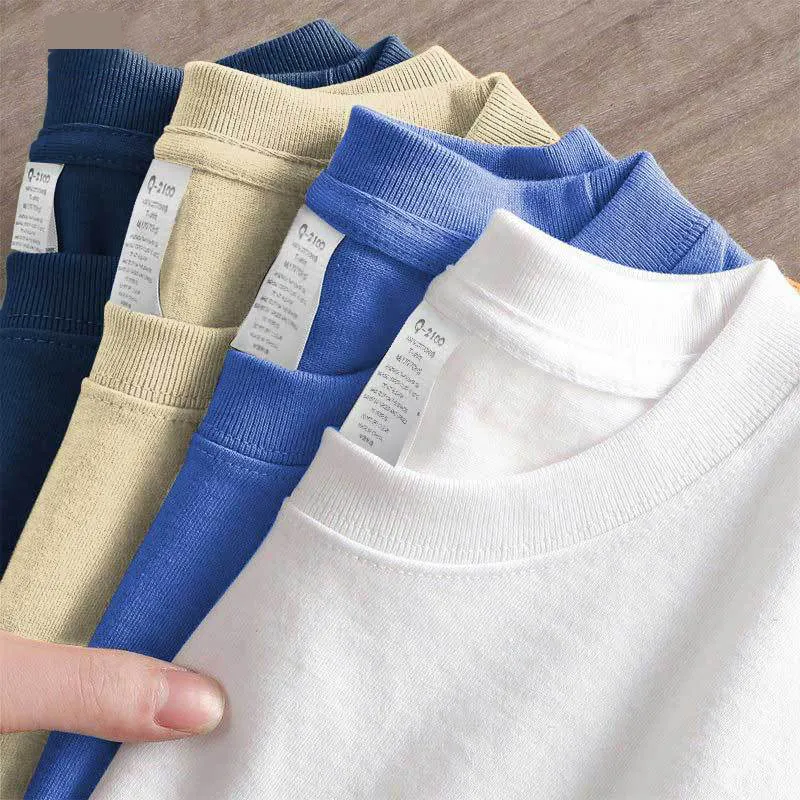
Personalize these European-inspired T-shirts with custom labels and tags. Elevate your brand by adding labels that speak to the sophistication and quality of your T-shirts.
Competitive Pricing
Experience the allure of European quality without the hefty price tag. Our competitive pricing ensures affordability without compromising on the excellence of these Europe Imports T-shirts.
Quality Assurance
Rest assured, our commitment to quality is unwavering. Our certified manufacturing facilities adhere to strict standards, guaranteeing that every T-shirt meets the high benchmarks expected from European imports.
Production Capacities
With high production capacities, we can fulfill orders of any size. Whether you need a small batch or a large quantity of these Europe Imports T-shirts, we are well-equipped to meet your demands.
MOQ (Minimum Order Quantity)
We understand the diverse needs of businesses. Our flexible MOQ policy accommodates both startups and established brands, making it easy for you to embark on your Europe Imports T-shirt journey.
Why Choose Us
Over three decades of industry expertise
Certified manufacturing facilities for quality assurance
Comprehensive fabric options to suit your preferences
Timely deliveries to meet your deadlines
Competitive pricing for cost-effective solutions
Responsive customer support
Affordable custom hoodies ranges also available
Consistent and reliable quality synonymous with European imports
Choose us as your Europe Imports T-shirts Supplier, and let’s infuse your brand with the sophistication and quality reminiscent of European fashion. Contact us today to discuss your manufacturing needs and seize the essence of European-inspired T-shirts for your clientele.
Europe is one of the largest importers of clothing products in the world, particularly T-shirts. Bangladesh has emerged as a major supplier of T-shirts to Europe due to its cost-effective production and efficient supply chain. Bangladesh’s clothing industry has grown rapidly over the past few years, generating significant employment and export revenue for the country. However, the industry has also faced criticism and scrutiny over issues related to labor standards, working conditions, and environmental sustainability. In this article, we will examine Europe’s T-shirt imports from Bangladesh clothing factories, exploring the factors driving this trade, the challenges facing the industry, and the implications for consumers and stakeholders in Europe and Bangladesh.
Personalised Clothing Solutions for You and Your Business – SiATEX Bangladesh
At SiATEX Bangladesh, we offer personalised clothing solutions for individuals, businesses, and organizations. We specialize in manufacturing high-quality clothing, including T-shirts, polo shirts, hoodies, jackets, and more. Our goal is to provide our customers with a personalized service that meets their specific needs and requirements.
Customization Options
We offer a wide range of customization options to our customers, including:
1. Printing
We offer a variety of printing options, including screen printing, digital printing, sublimation printing, and more. Our printing services allow customers to print their logos, slogans, and designs onto their clothing items, creating a unique and personalized look.
2. Embroidery
Embroidery is another popular customization option that we offer. Our embroidery services allow customers to add their logos and designs onto their clothing items using high-quality embroidery techniques.
3. Private Label/OEM Services
We also offer private label/OEM services to our customers, allowing them to create their own brand of clothing. Our experienced team can help customers with everything from designing their clothing to manufacturing and packaging.
Quality Control
At SiATEX Bangladesh, we take quality control very seriously. We have a team of experienced quality control inspectors who ensure that every product that leaves our factory meets the highest standards of quality. We use only the best materials and employ the latest manufacturing techniques to ensure that our products are of the highest quality.
Competitive Prices
We offer competitive prices to our customers, ensuring that they get the best value for their money. We are able to offer competitive prices without compromising on quality, thanks to our streamlined manufacturing processes and efficient supply chain.
Fast Delivery Times
We understand that our customers need their clothing items as quickly as possible. That’s why we offer fast delivery times, ensuring that our customers receive their products in a timely and efficient manner.
Customer Service
At SiATEX Bangladesh, we are committed to providing our customers with the best possible service. Our experienced team is always available to answer any questions and provide support throughout the entire ordering process.
SiATEX Bangladesh offers personalized clothing solutions for individuals, businesses, and organizations. We offer a wide range of customization options, quality control, competitive prices, fast delivery times, and excellent customer service. If you are looking for high-quality, personalized clothing solutions, look no further than SiATEX Bangladesh.
Introduction: Overview of Europe’s T-Shirt Imports from Bangladesh Clothing Factories
Europe has been a major importer of clothing from Bangladesh, particularly in the t-shirt category. The Bangladesh clothing industry has seen significant growth in recent years, driven by factors such as cost efficiency, access to raw materials and technology, and trade agreements. In this article, we will take a closer look at the Bangladesh clothing industry, the trends and patterns of Europe’s t-shirt consumption, and the factors driving t-shirt imports from Bangladesh to Europe.
Bangladesh Clothing Industry: A Brief Profile
History and Development
The Bangladesh clothing industry has a long history, dating back to the early 20th century when British colonial rule had an impact on the development of the country’s textile sector. In the 1970s, when Bangladesh gained independence, the clothing industry started to take off, and today it is one of the country’s most significant industries.
Key Players and Market Share
The Bangladesh clothing industry is dominated by small and medium-sized enterprises, although there are a few large corporations. According to the Bangladesh Garment Manufacturers and Exporters Association (BGMEA), there are over 4,500 garment factories in Bangladesh. The industry is heavily export-oriented, with around 80% of its output going to foreign markets. The top export markets are the United States, Europe, and Canada, with Europe being the largest market.
Product Range and Quality Standards
The Bangladesh clothing industry produces a wide range of products, including t-shirts, denim, dresses, and formal wear. The industry is known for its low-cost production and quick turnaround time. However, there have been concerns raised about the quality of products made in Bangladesh, particularly in relation to safety standards and worker rights.
Europe’s T-Shirt Consumption: Trends and Patterns
Market Size and Growth
Europe is a significant market for t-shirts, with a market size of around €40 billion in 2020. The market has seen steady growth over the past few years, driven by factors such as rising consumer demand, changing fashion trends, and increasing online sales.
Consumer Preferences and Behavior
Consumers in Europe have a diverse range of preferences when it comes to t-shirts. Some prefer plain t-shirts, while others prefer printed or graphic tees. The rise of sustainable fashion has also led to an increase in the demand for eco-friendly and ethically made t-shirts.
Pricing and Competition
Pricing is a significant factor in the European t-shirt market, with consumers looking for affordable yet high-quality products. Competition in the market is intense, with many brands vying for market share. Some of the top players in the market include H&M, Zara, and Primark.
Factors Driving T-Shirt Imports from Bangladesh to Europe
Cost and Efficiency
The primary factor driving t-shirt imports from Bangladesh to Europe is cost efficiency. Bangladesh’s low labor costs and efficient production processes make it an attractive option for European clothing companies looking to produce affordable t-shirts.
Access to Raw Materials and Technology
Bangladesh also has access to the raw materials and technology required to produce high-quality t-shirts. The country has a strong cotton industry, and its clothing factories are equipped with modern machinery and equipment.
Trade Agreements and Regulations
Finally, trade agreements and regulations also play a role in driving t-shirt imports from Bangladesh to Europe. The Generalized System of Preferences (GSP) scheme, which provides preferential access to the European market for developing countries, has helped to boost Bangladesh’s exports to Europe. Additionally, regulations such as the European Union’s REACH program, which regulates chemicals in consumer products, have helped to improve the safety and quality of products made in Bangladesh.
Ethical Concerns: Labor Standards and Working Conditions in Bangladesh Clothing Factories
When it comes to producing T-shirts, Bangladesh is one of the biggest suppliers to Europe. However, the country’s clothing factories often face ethical concerns regarding labor standards and working conditions.
Wages and Benefits
One issue that has plagued the industry is poor wages and benefits. Many workers receive low wages that are not enough to support themselves and their families. In addition, many workers do not receive the benefits and protections mandated by law.
Health and Safety
Health and safety are also major concerns in Bangladesh clothing factories. The factories often lack proper fire safety equipment, and the buildings themselves are often unsafe. This has led to deadly fires and building collapses in the past.
Child Labor and Forced Labor
Child labor and forced labor have also been reported in Bangladesh clothing factories. Child labor is illegal in the country, but many children are still employed in the factories. Forced labor has also been reported, with workers being forced to work long hours under dangerous conditions.
Sustainability Issues: Environmental Impacts of T-Shirt Production and Transport
In addition to ethical concerns, there are also sustainability issues associated with T-shirt production and transport.
Resource Use and Pollution
Cotton production, which is used to make T-shirts, requires a large amount of water and pesticides. This can lead to environmental degradation and pollution, particularly in developing countries like Bangladesh.
Carbon Footprint and Climate Change
The transport of T-shirts from Bangladesh to Europe also has a significant carbon footprint. This contributes to global climate change and may exacerbate the environmental impacts of T-shirt production.
Circular Economy and Recycling
To mitigate these impacts, there is a growing movement towards a circular economy and recycling. This involves reducing waste and reusing materials to create new products, which can reduce the environmental impact of T-shirt production.
Future Outlook: Opportunities and Challenges for Bangladesh Clothing Industry in Europe
Despite the challenges faced by Bangladesh’s clothing industry, there are also opportunities for growth and innovation.
Market Expansion and Diversification
One opportunity is to expand and diversify the market. Bangladesh could potentially explore new markets and products to reduce its reliance on T-shirt production and provide better working conditions and wages for its workers.
Innovation and Differentiation
Innovation and differentiation are also key to staying competitive in the market. By investing in new technology and processes, Bangladesh could differentiate its products and increase its value proposition.
Risk Management and Resilience
Finally, risk management and resilience are vital in ensuring the longevity of the industry. This includes preparing for natural disasters, investing in worker safety and welfare, and diversifying supply chains to mitigate risks.
Conclusion: Implications for T-Shirt Consumers and Industry Stakeholders in Europe and Bangladesh
The ethical and sustainability concerns associated with T-shirt production in Bangladesh have implications for both consumers and industry stakeholders in Europe and Bangladesh. Consumers can play a role in promoting ethical and sustainable practices by choosing to purchase from companies that prioritize worker welfare and environmental sustainability. This can create demand for better practices and drive change in the industry. Industry stakeholders, including factory owners and governments, also have a responsibility to ensure that ethical and sustainable practices are upheld. This can include investing in worker welfare and safety, reducing waste and pollution, and exploring new markets and products. By working together, stakeholders can create a more sustainable and ethical future for T-shirt production in Bangladesh and beyond.In conclusion, Europe’s T-shirt imports from Bangladesh clothing factories have enabled the industry to thrive, meeting the demands of European consumers. However, the industry has also been subject to criticism regarding labor standards and environmental sustainability. As the industry moves forward, it will need to address these challenges in order to maintain its growth and sustainability.
FAQs
Why does Europe import T-shirts from Bangladesh?
Europe imports T-shirts from Bangladesh due to the country’s cost-effective production and efficient supply chain. Bangladesh has emerged as a major supplier of clothing products to Europe, particularly T-shirts, due to its competitive pricing and access to raw materials.
What are the ethical concerns related to Bangladesh’s clothing industry?
Bangladesh’s clothing industry has faced criticism and scrutiny over issues related to labor standards, working conditions, and environmental sustainability. Some concerns include low wages and benefits, poor working conditions, child labor, forced labor, resource use, and pollution.
What are the sustainability issues related to T-shirt production and transport?
T-shirt production and transport can have significant environmental impacts, including resource use, pollution, and carbon emissions. Factors such as raw material sourcing, water use, energy consumption, and transportation contribute to these impacts.
What are the opportunities and challenges for Bangladesh’s clothing industry in Europe?
Bangladesh’s clothing industry faces both opportunities and challenges in Europe. Opportunities include market expansion and diversification, innovation and differentiation, and access to new customers. Challenges include risk management and resilience, compliance with labor and environmental standards, and competition from other suppliers.