
Clothing Manufacturer in Bangladesh Building Seasonal Collections for UK, French and Spanish Brands
Fashion clothing is bought by the season, not by the container. A ladieswear brand plans a spring range of dresses, blouses and light knits, a summer drop behind it, and needs every style to arrive looking like the sample the buyers approved months earlier.
Siatex Bangladesh works the way fashion brands buy. We develop styles from sketches, mood boards and reference garments, build the collection as one range, and manufacture it in Bangladesh with the finishes a retail rail demands.
From Sketch to Sample: Clothing Development for Fashion Brands
Many of our clothing buyers arrive with direction rather than finished tech packs. The development room turns that direction into wearable, costed styles:
- Pattern making from sketches, photographs or reference garments
- Fabric suggestions matched to the style and the target price
- Print, embroidery and trim development alongside the base style
- Proto samples reviewed for fit, drape and finish, then refined
- Costing at sample stage, so the range is built to its price points
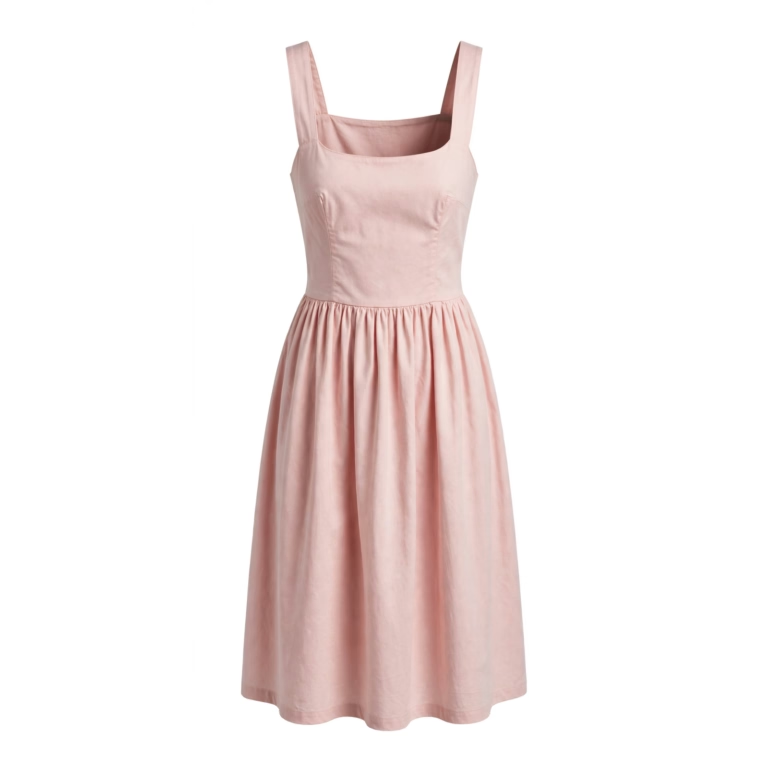
Our ladies dress manufacturer Bangladesh work shows the pattern: a buyer’s sketch becomes a fitted sample, the sample becomes a graded range, and the range ships with the same fall and finish the buyer signed off.
Clothing Categories We Manufacture for Seasonal Ranges
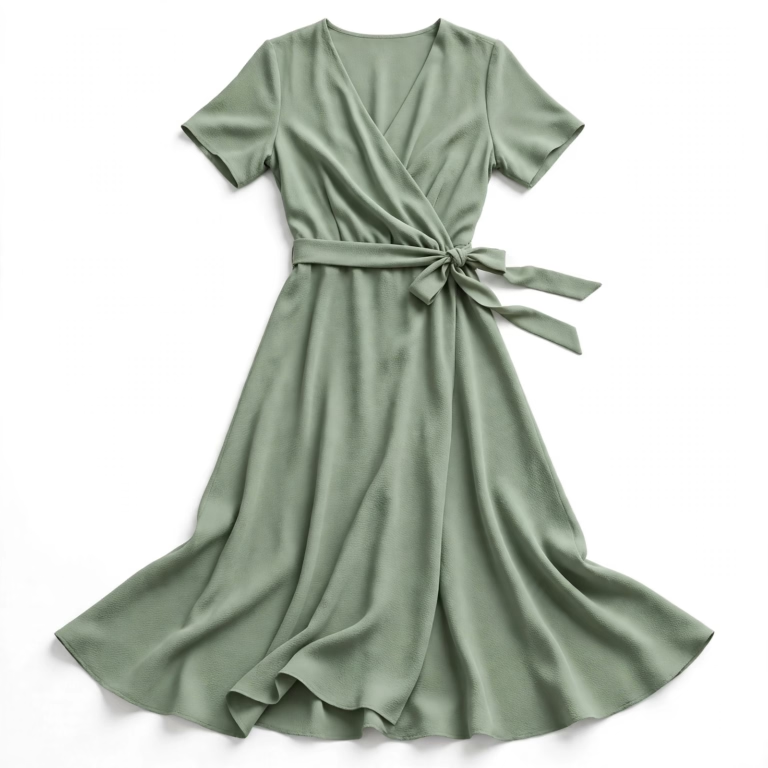
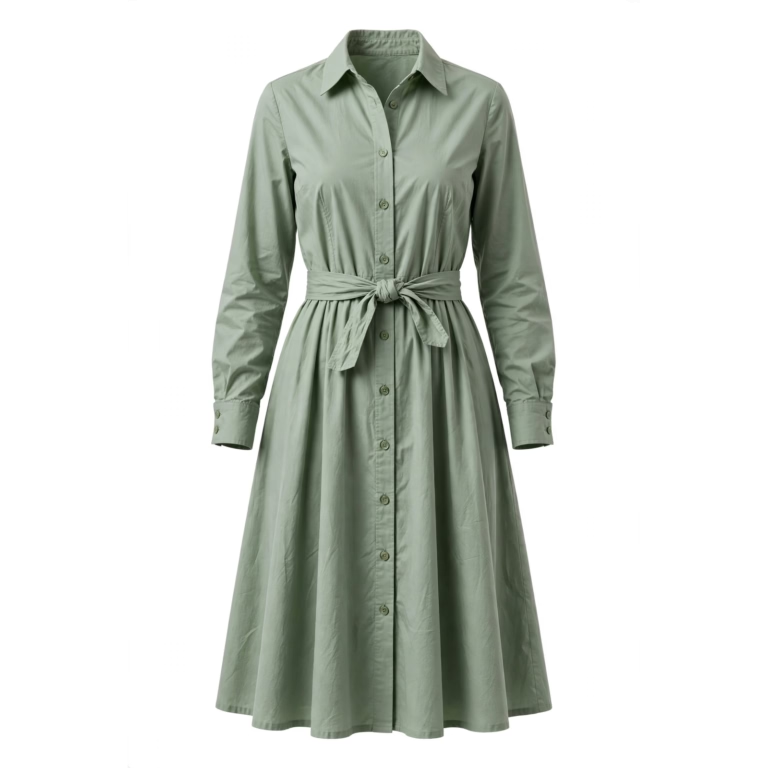
- Dresses: sundresses, shirt dresses, maxi and skater styles in prints and plains
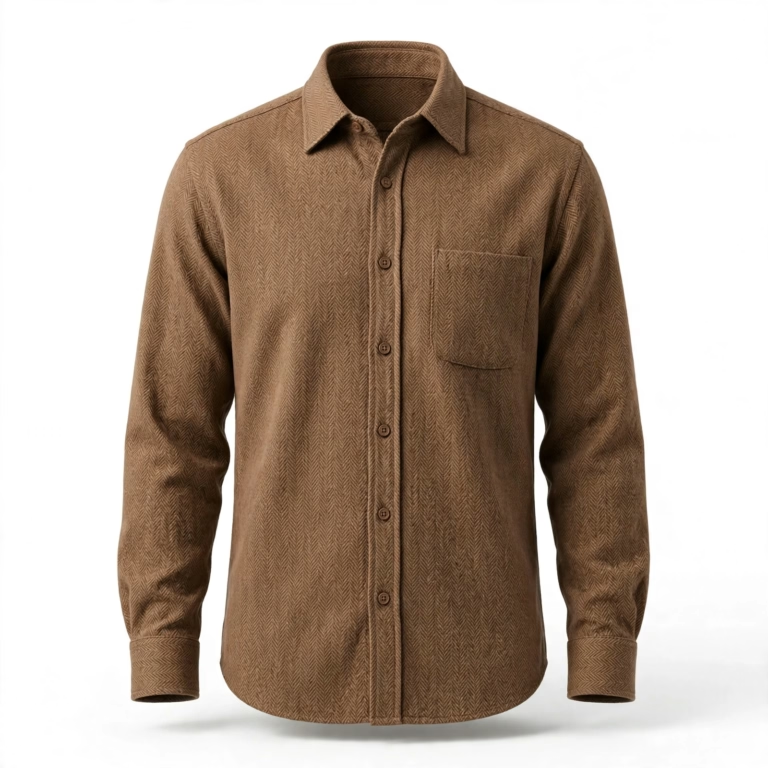
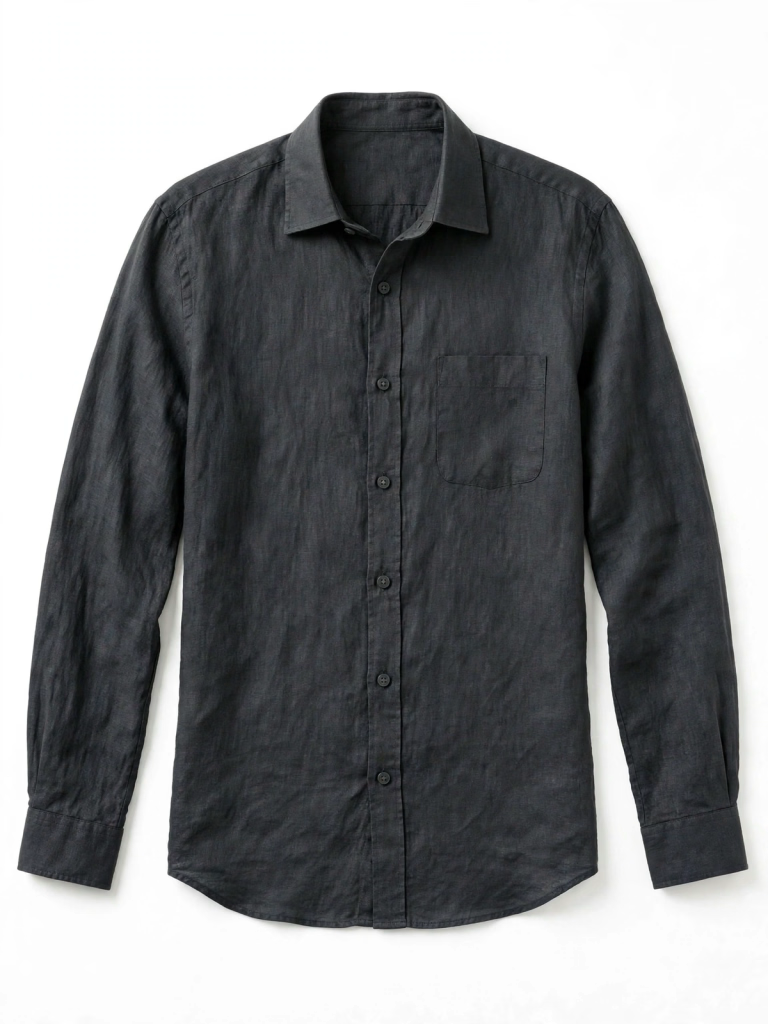
- Blouses and shirts: georgette, rayon, linen and cotton styles with fashion details
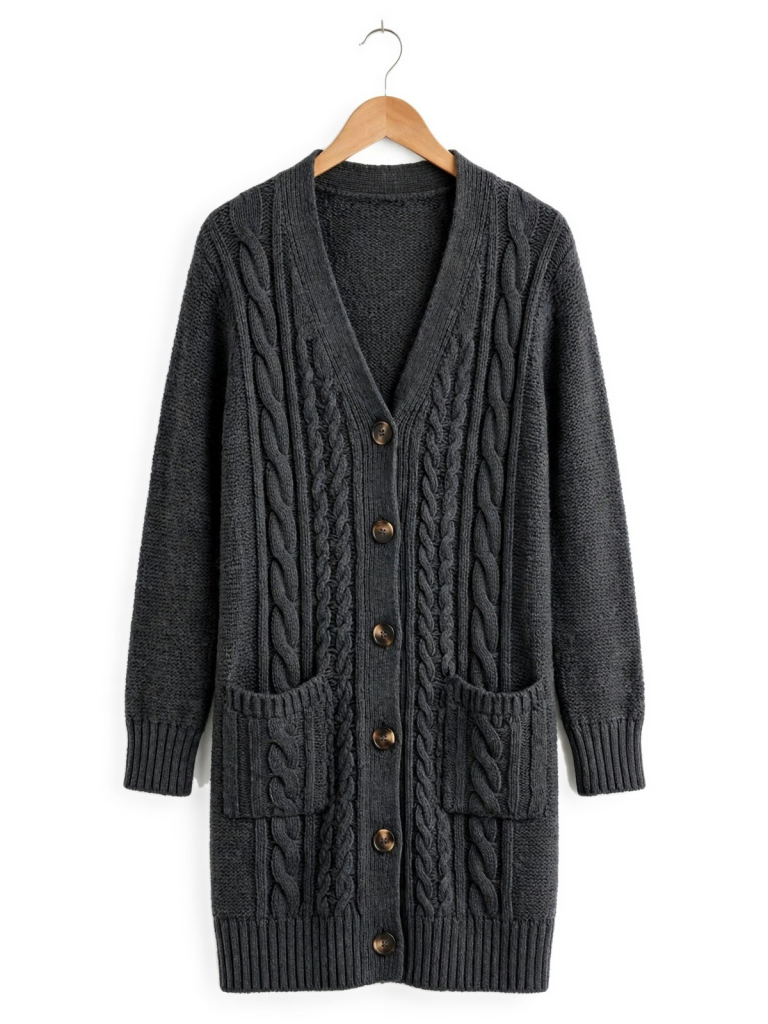
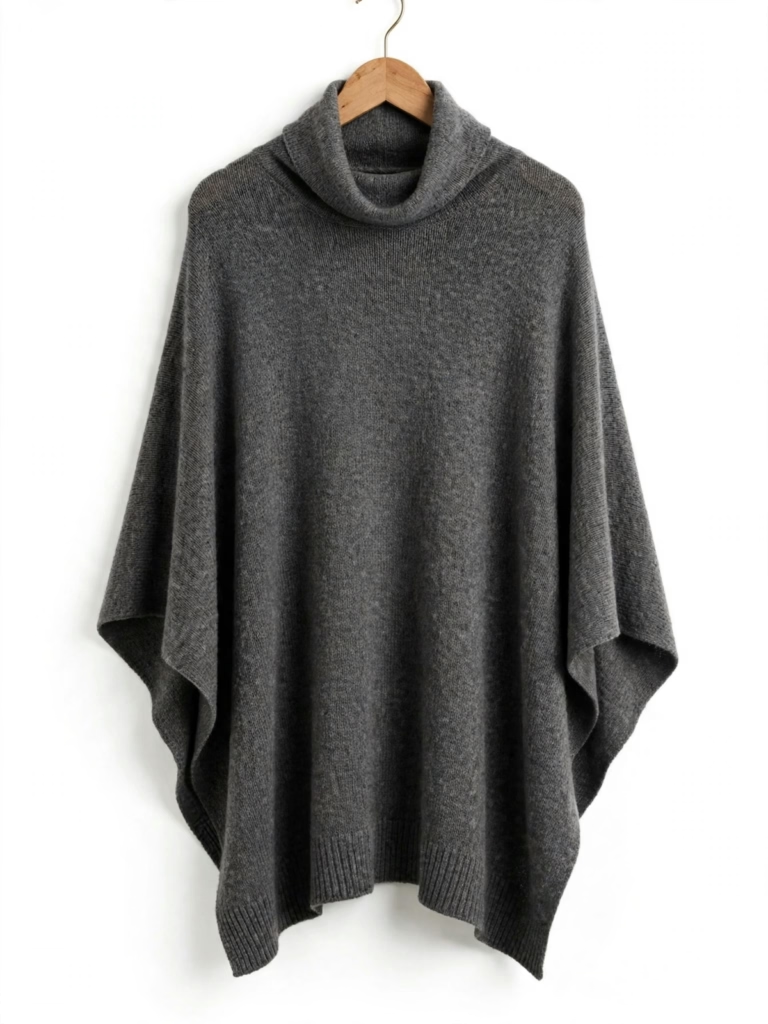
- Knitwear: fine gauge cardigans, ponchos and pullovers for transitional ranges
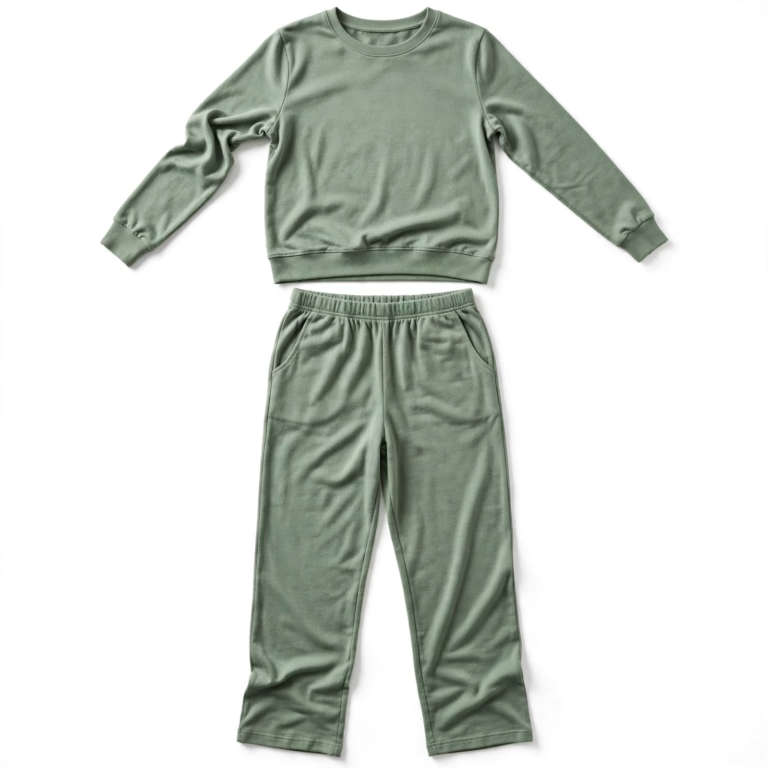
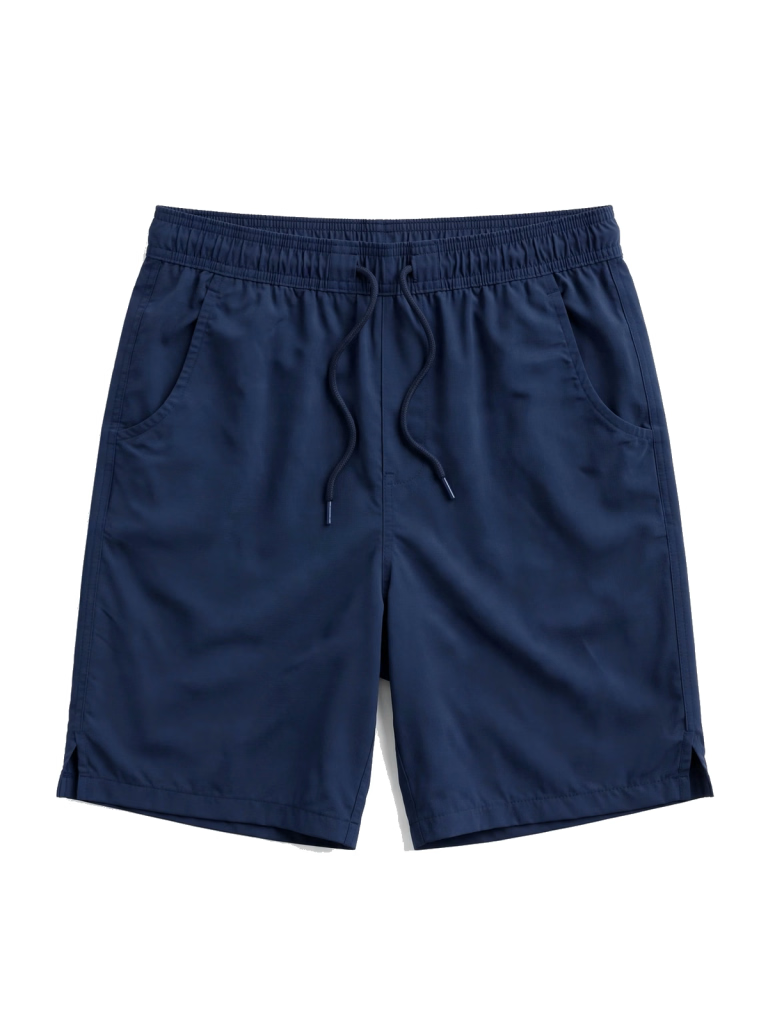
- Casual clothing: shorts, loungewear and relaxed sets for holiday and home ranges
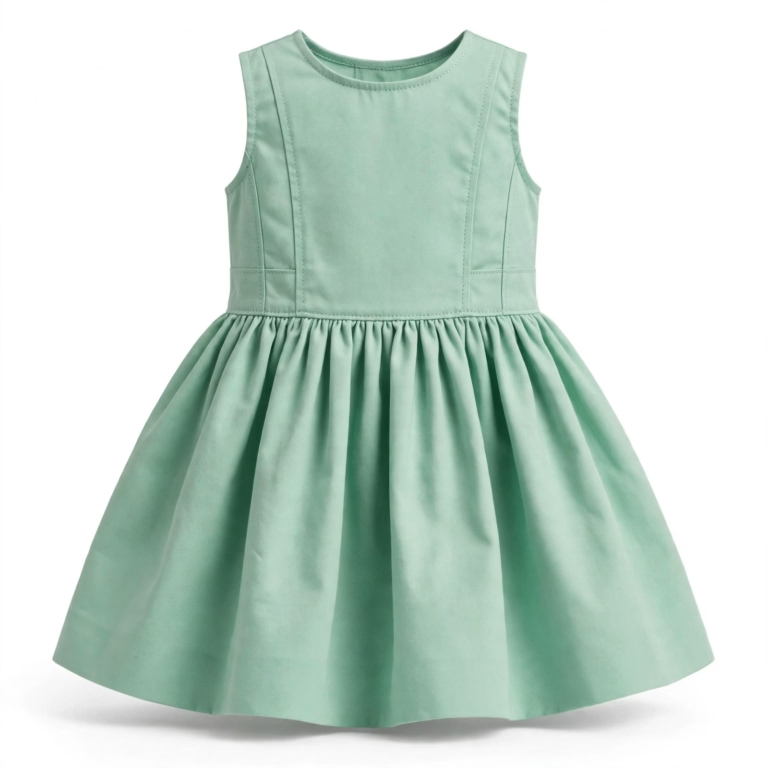
- Children’s clothing: girls dresses and family matching styles where buyers ask for them
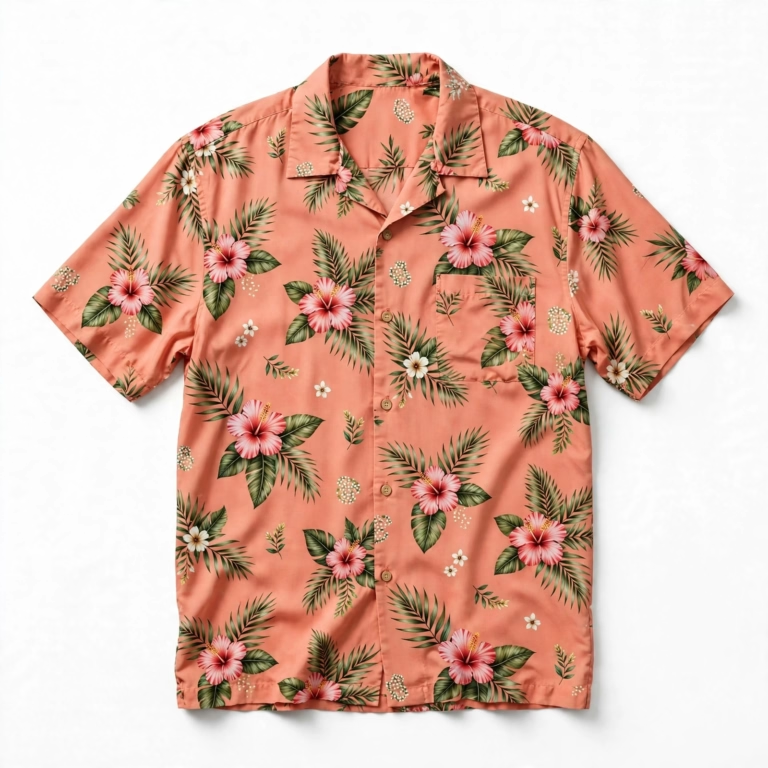
The sundress manufacturer Bangladesh styles and the hawaiian shirt manufacturer Bangladesh lines sit in the same development system, so a summer range can mix dresses, shirts and shorts under one calendar.
Fashion Fabrics, Prints and Surface Work
Fashion clothing lives on fabric choice. The sourcing team keeps the qualities fashion buyers ask for by name:
- Georgette, rayon and viscose for fluid dresses and blouses
- Linen and linen blends for summer shirts and dresses
- Cotton voile, poplin and seersucker for light structured styles
- Fine jersey and rib for fitted casual pieces
- Yarn dyed checks, stripes and woven patterns for shirts
All-over prints and placement prints are developed as strike-offs for approval before any bulk printing. Embroidery, lace trims, tassels and special buttons are sampled on the actual garment, because surface work reads differently on a finished style than on a swatch card.
Fit Across the Size Range Is Checked Style by Style
A fashion style that fits at sample size and drifts at the ends of the range comes back as returns. Every clothing style is graded from the buyer’s size chart and checked across the range before bulk cutting:
- Grading checked against the approved base size measurements
- Fit samples in the smallest and largest sizes on request
- Drape and fall checked on the stand for dresses and blouses
- Stretch and recovery checked on fitted knit styles
- Production measurements audited size by size before packing
How a Seasonal Clothing Collection Is Scheduled
Collections are planned backwards from the delivery window. Development, fabric booking, approvals and production each get their place on one calendar that the buyer sees:
- Range plan agreed with style count, fabrics and price points
- Development samples out for the buyer’s range review
- Fabric and trim booking on approval, before prices move
- Production in style batches matched to drop dates
- Final checks and packing per drop, labelled by store group where needed
Spanish and French buyers running monthly drops use this calendar most heavily. It keeps a late fabric from quietly becoming a late delivery, because the risk shows on the plan while there is still time to act.
Quality Checking Shaped for Fashion Clothing
Fashion garments fail on details a basics check can miss: a twisted strap, a print placed two centimetres low, a hem that ripples on a fluid fabric. Our clothing inspection is shaped around those faults:
- Print placement and repeat matching checked against the approved strike-off
- Hem, strap and trim finishing checked on the stand and flat
- Colour continuity checked across the full size range of a style
- Pressing and presentation checked, since fashion arrives on a rail
- Final audit by style, not by mixed carton
Clothing Exporter From Bangladesh to Fashion Markets Worldwide
Clothing Supplier for UK High Street and Online Brands
UK buyers take dresses, blouses and knitwear in fast seasonal turns. We pack to each retailer’s specification, with barcoded tickets and polybags ready for direct to warehouse delivery.
Clothing Manufacturer for French and Spanish Fashion Labels
French and Spanish labels buy smaller style runs with high detail: prints, embroidery and trims developed per style. The development room carries that detail from sketch to bulk without flattening it into a basic.
Clothing Supplier for USA Boutique and Australian Brands
USA boutique brands and Australian labels buy capsule ranges across dresses, shirts and casual sets. Opposite seasons between the two markets keep our fashion lines in year round production, which steadies quality and pricing for both.
Private Label Clothing With the Brand Built In
Seasonal ranges carry the buyer’s name through every detail: woven and printed labels, branded hang tags, tissue and bag printing, and care labels in the destination market’s language and rules.
The private label clothing manufacturer route handles artwork once for the whole range, so a new label design lands on dresses, knits and shirts in the same season without three separate setups.
Children’s and Family Clothing Ranges
Children’s clothing is developed with the same fashion eye and a stricter safety hand. Girls dresses, family matching sets and seasonal kids styles run through the fashion development room, then through the children’s safety checks before packing.
- Drawstring and cord rules applied per destination market
- Button, snap and embellishment pull testing on every style
- Soft hand feel fabrics chosen for children’s skin
- Age graded patterns checked at each age break
Buyers who run ladies and children’s ranges together get one development calendar for both, which is how family and matching ranges stay coordinated instead of arriving as two unrelated deliveries.
How a Fashion Style Is Costed at This Clothing Factory
Fashion buyers work to retail price points, so a style’s cost has to be honest at sample stage, not discovered at bulk. Each developed style is costed in the open:
- Fabric consumption measured on the actual marker, not estimated
- Print, embroidery and trim costs quoted per garment
- Making time costed on the style’s real operations
- Options shown where a fabric or trim change reaches a price point
That last point is the working habit fashion buyers value most. If a dress misses its target price, we show which element carries the cost and what change brings it back, instead of quietly thinning the fabric.
In-Season Repeats and Colour Additions
A style that sells gets repeated, usually fast and often in new colours. Because patterns, markers and approvals stay on file, a repeat order starts at production planning rather than at development.
- Repeat cutting from the approved pattern and size chart
- New colourways sampled quickly from booked fabric qualities
- Print recolours run from the original screens and files
- The original inspection standard applied unchanged to repeats
Online brands use this route hardest: a dress that moves in the first drop returns inside the same season, in the same fit, while the demand is still there.
Trims and Details: Where Fashion Clothing Is Won or Lost
A fashion buyer judges a style at arm’s length by its details: the button quality, the zip hand feel, the lace edge, the stitch colour against the print. Our trims library and supplier base are built for that judgement:
- Buttons in shell look, wood, metal and covered fabric finishes
- Zips, drawcords and elastic matched to the style’s price point
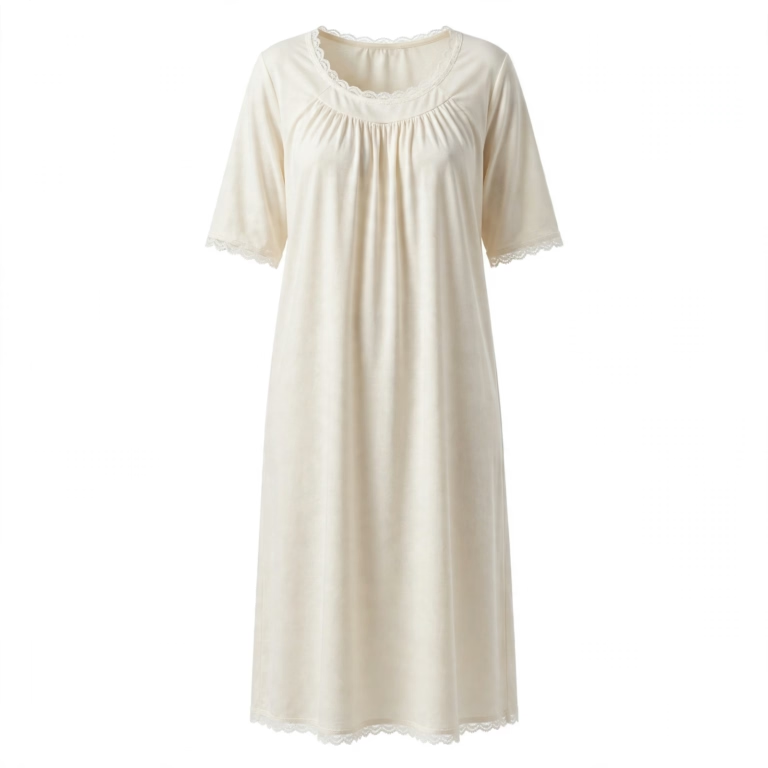
- Lace, broderie and fringe trims sampled on the garment
- Thread and stitch colours checked against fabric under daylight
Trims are approved on the pre-production sample, photographed for the buyer’s file, and the same lots are held for repeats, so a second order’s buttons match the first order’s exactly.
Washing, Finishing and Presentation for the Retail Rail
Fashion clothing is finished to be seen, not just to be worn. Soft washes give fluid fabrics their retail hand feel, and pressing is done per style: dresses steamed on the stand, shirts pressed with collar and cuff shape, knits folded flat without shine marks.
- Soft and enzyme washes for hand feel on fashion fabrics
- Stand steaming for dresses and blouses before bagging
- Shaped pressing for shirts and structured styles
- Tissue, bag and hanger presentation to buyer specification
The final audit checks presentation as well as construction, because the first thing a shopper touches is the finish, and a creased or harsh feeling garment does not sell at its price.
Clothing Manufacturing Specification at a Glance
| Categories | Dresses, blouses, shirts, knitwear, casual and children’s clothing |
| Main fabrics | Georgette, rayon, linen, cotton voile, poplin, fine jersey, flat knits |
| Development | Patterns from sketches or references, proto and fit samples, strike-offs |
| Surface work | All-over and placement prints, embroidery, lace and fashion trims |
| Size ranges | Ladies, men’s and children’s blocks graded from buyer charts |
| Export markets | UK, France, Spain, USA, Australia, Germany, Canada |
Questions Fashion Buyers Ask This Clothing Manufacturer in Bangladesh
Can you develop styles from sketches if we have no tech packs?
Yes. Sketches, mood boards and reference garments are enough to start. The pattern room builds the first sample and the costing together, and the tech pack is written from the approved sample.
How do UK buyers keep a twelve style range on one delivery date?
The range is planned as one programme with fabric booked on approval and production batched by drop. The buyer sees the calendar and the stage reports, so any risk is visible early.
Can a French label order small runs of detailed styles?
Detailed styles are our normal fashion work. Print, embroidery and trim development is quoted per style at sampling, so a small run’s true cost is clear before you commit.
Do you make children’s clothing to the same standard as ladieswear?
Yes, with the extra safety checks children’s wear requires: fastening pull tests, cord and drawstring rules for the destination market, and metal detection before packing.
What happens if a style misses its delivery window?
The calendar is built to surface that risk weeks ahead, not days. If fabric or approvals slip, the buyer hears it with options: a substitute fabric already sampled, a split delivery with the strongest styles first, or a revised date agreed before the original one passes.
Can a German online brand run many styles in modest quantities per style?
Yes, that is the normal shape of online fashion buying. Each style is developed and costed on its own, production is batched so styles share fabric bookings where the quality allows, and the calendar treats the range as one programme even when each style’s quantity is modest.
How does an Australian brand start a first capsule range?
Send the sketches or references and the target delivery window through our contact page. We reply with fabric suggestions, first costings and a development calendar for the range.
Read More About Clothing Manufacturing in Bangladesh
What is the difference between a clothing manufacturer and a garment manufacturer?
The words overlap in trade use, but buyers usually mean different work. Clothing manufacture points at fashion ranges: seasonal styles, development from sketches and surface detail. Garment manufacture points at the wider factory range across basics and uniforms. Siatex Bangladesh does both, from different lines inside one organisation.
How do fashion brands protect a design when developing it overseas?
Styles are developed under the buyer’s name, patterns and artwork stay with the buyer’s account, and samples are never shown to other buyers. The country’s export trade is organised through the Bangladesh Garment Manufacturers and Exporters Association, and established factories work to clear confidentiality habits because repeat fashion business depends on them.