
Garment Manufacturer in Bangladesh Supplying Clothing Brands in the USA, the UK and Europe
Most buyers do not buy one product. A brand that sells t-shirts in spring needs hoodies by autumn, denim for its core range and uniforms for a corporate contract in between. Running each of those orders through a different factory means different sampling standards, different paperwork and different quality habits to manage.
Siatex Bangladesh removes that spread. We are a garment manufacturer in Bangladesh with knit, woven and denim lines inside one organisation, so a buyer places the whole season with one partner and gets one standard of making, checking and packing across every style in the order.
One Garment Factory in Bangladesh for Knit, Woven and Denim Clothing
The range under this roof covers the categories most brands buy together:
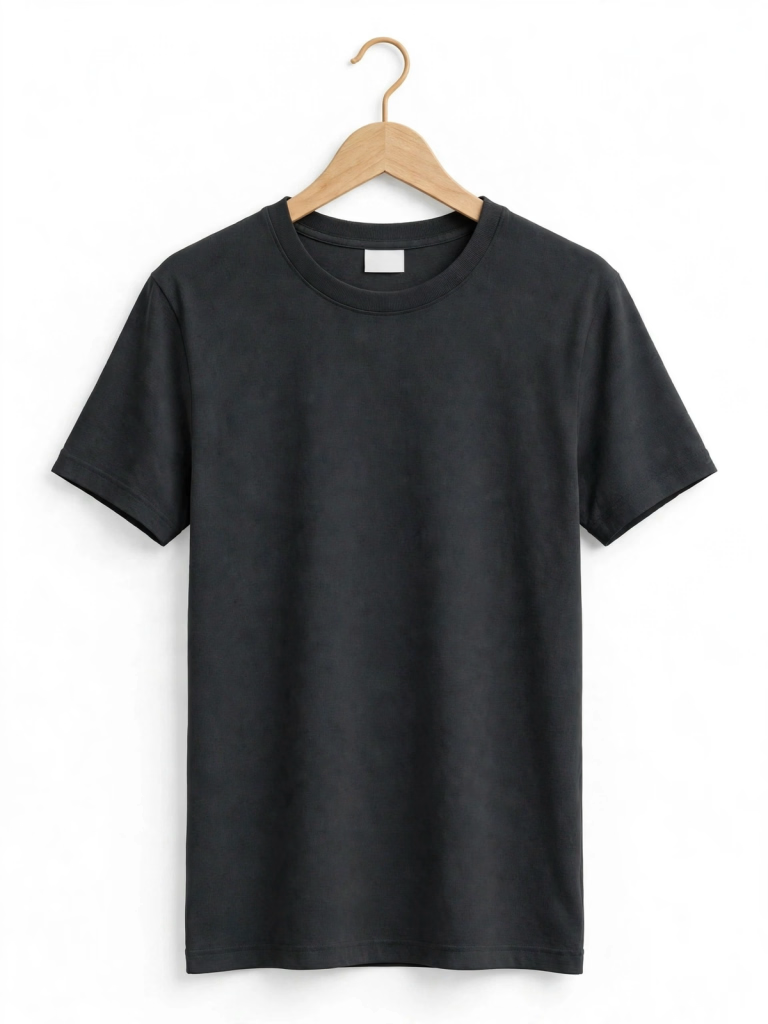
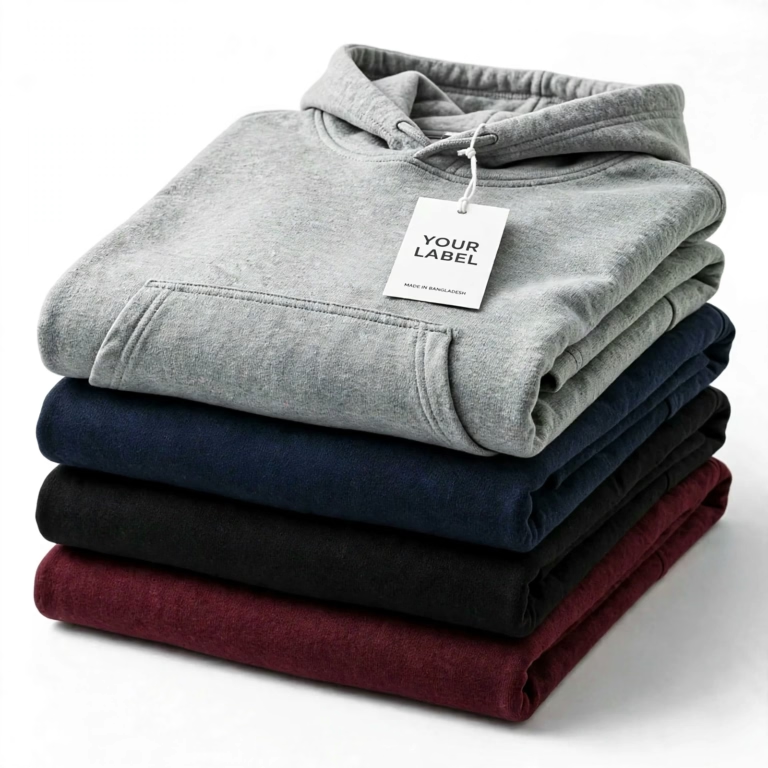
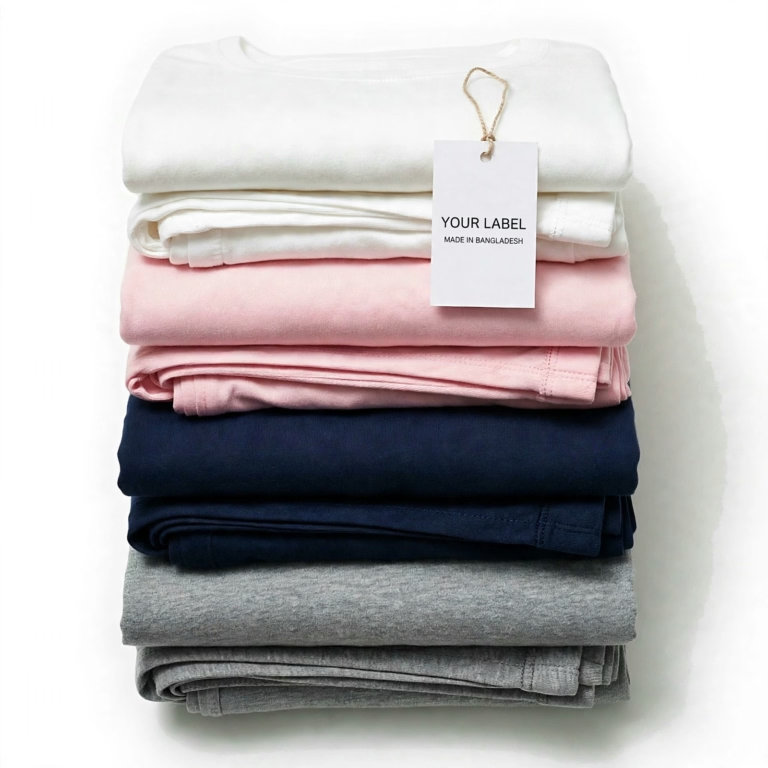
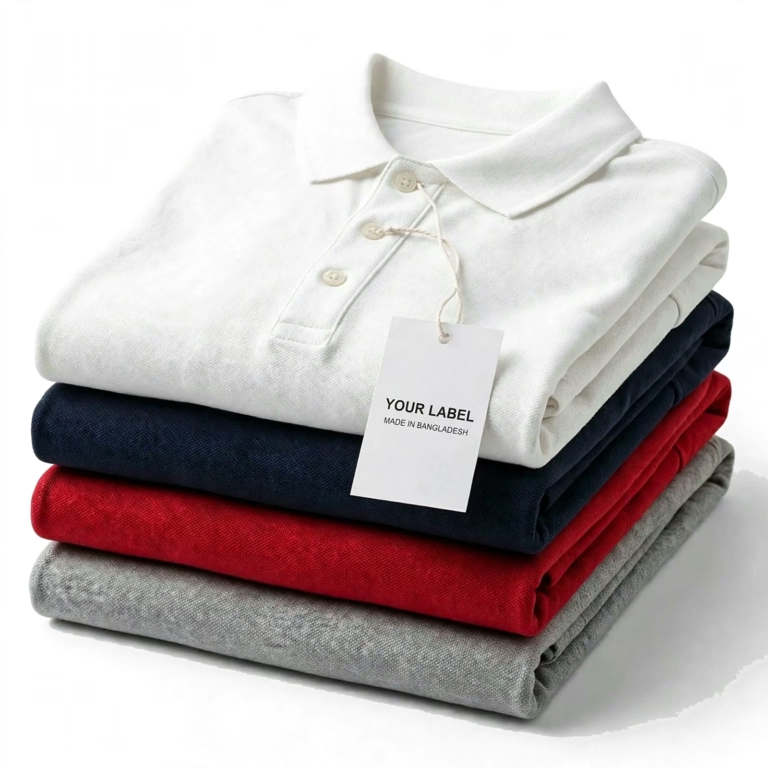
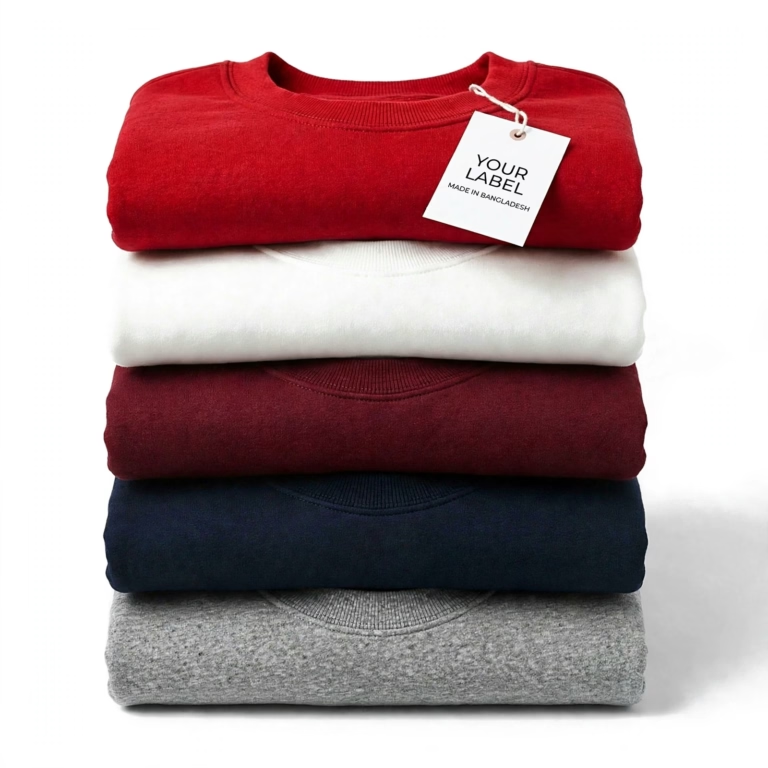
- Knit garments: t-shirts, polo shirts, hoodies, sweatshirts, leggings and knit shorts
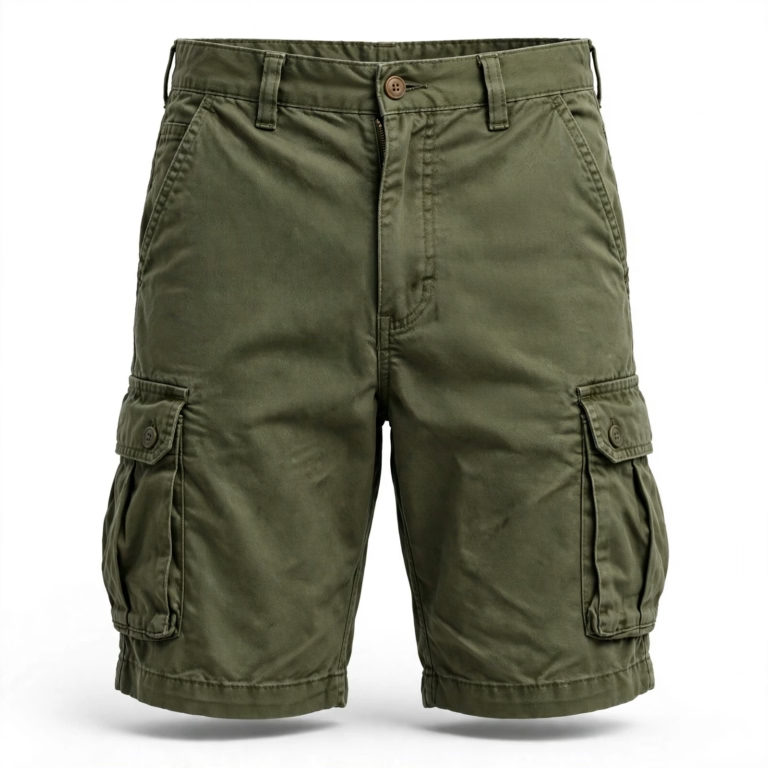
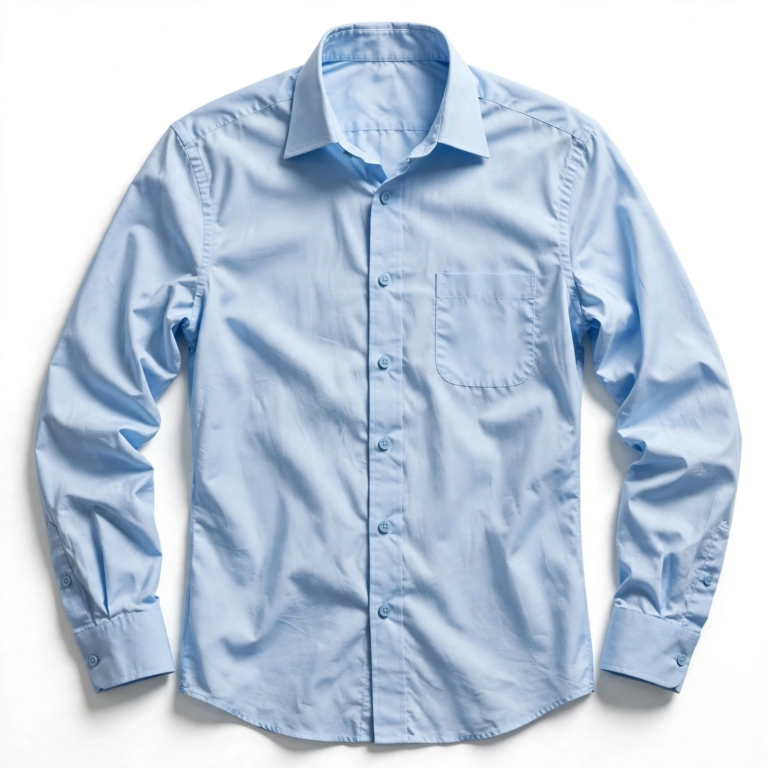
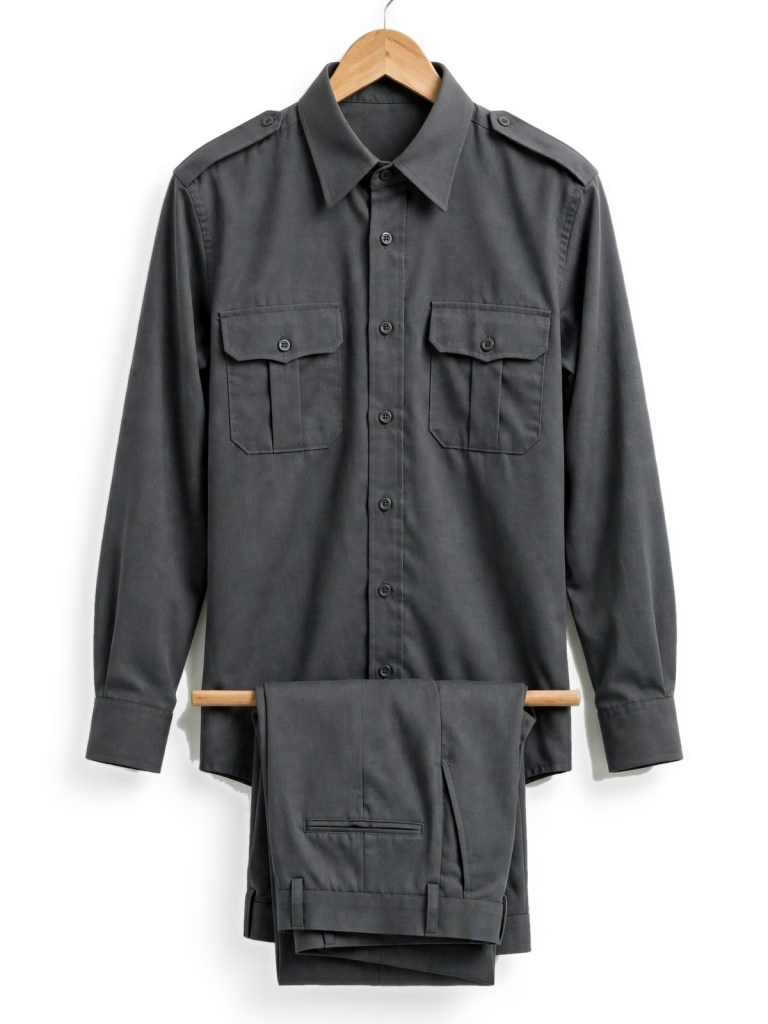
- Woven garments: shirts, blouses, cargo shorts, workwear trousers and uniforms
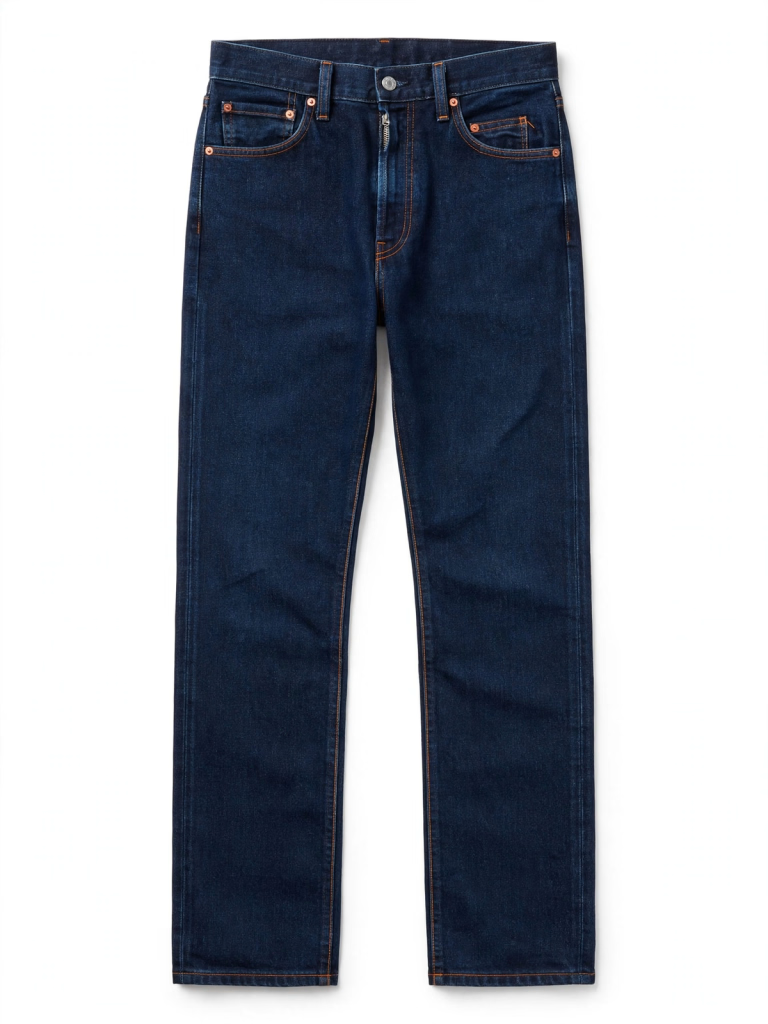
- Denim garments: jeans, denim jackets, denim shirts and shorts in washed finishes
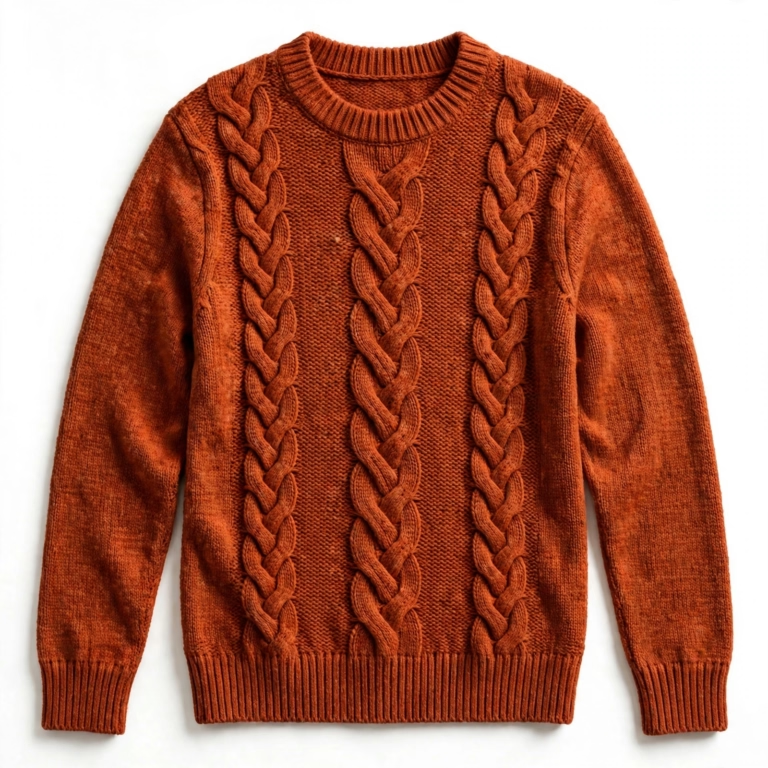
- Knitwear: sweaters, cardigans and pullovers in cotton, acrylic and wool blends
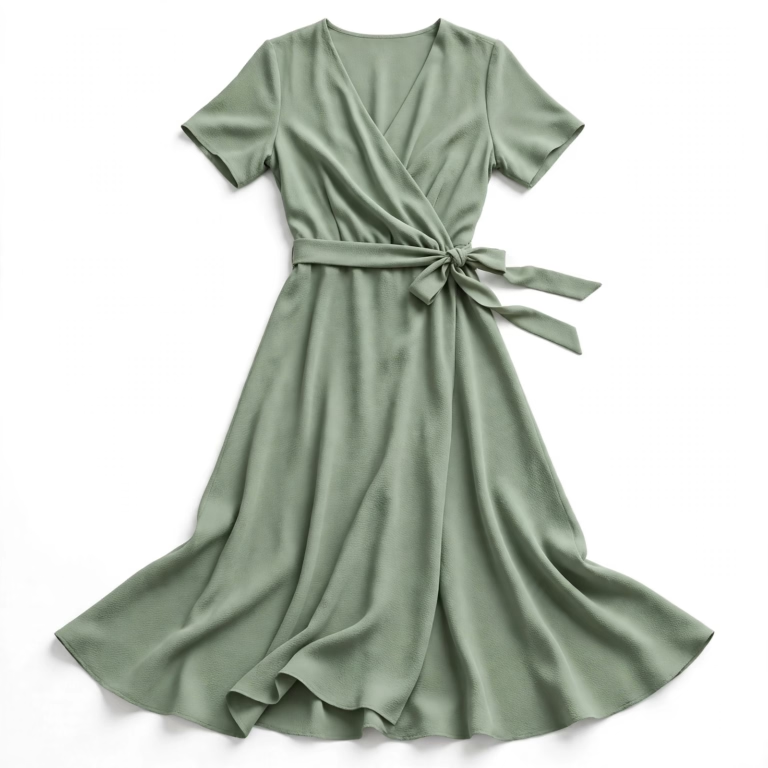
- Sleepwear and dresses: pyjama sets, nightgowns, sundresses and shirt dresses
Our t-shirt manufacturer Bangladesh line alone runs the fits most programmes start with, and the same buyers usually extend into fleece and denim once the first order proves the standard. The denim jeans manufacturer Bangladesh unit works to the same checking regime, which is what makes a mixed order safe to place.
How a Consolidated Garment Order Runs at Our Bangladesh Factory
A consolidated order is planned as one programme, not as separate jobs that happen to ship together. The merchandising team builds a single production calendar across the lines, so fabrics, trims and approvals for every style move in step.
- One tech pack review covering every style in the programme
- One sampling round, with all fits and washes approved together
- Fabric bookings combined across styles that share a quality
- Line plans balanced so no category waits behind another
- Combined inspection, packing and carton marking per buyer instruction
- One document set for the whole shipment, ready for the buyer’s forwarder
Buyers in Germany and the Netherlands use this structure for retail programmes with fixed store delivery dates. Buyers in the USA use it when a private label range spans basics and seasonal styles that must land in the same week.
Fabrics Our Garment Supplier Lines Run Every Season
Fabric is booked from audited mills we have worked with for years, and every roll lot is checked for shade, weight and shrinkage before cutting. The standing qualities include:
- Single jersey, piqué, interlock and rib knits in cotton and cotton blends
- Fleece and terry for hoodies, sweatshirts and joggers
- Denim from 9 to 14 ounces, rigid and elastane stretch
- Poplin, oxford, twill, chambray and flannel wovens
- Flat knit yarns for sweaters in gauges from 3 to 14
Organic cotton and recycled fibre options are available with the certificates a buyer’s compliance team asks for. Where a buyer nominates its own mill, we work to that nomination and report consumption and wastage against it style by style.
Quality Control Across Every Garment Category We Export
One checking regime covers every line, because a buyer should not have to learn three quality systems for one supplier. Inline checks run at set points in sewing, and every finished garment passes a final inspection before packing.
- Measurement checks against the approved size chart, size by size
- Stitch density, seam strength and needle damage checks
- Shade continuity checks across panels and across cartons
- Wash and colourfastness testing on production fabric
- Metal detection and button pull tests on children’s garments
- Carton audits before the shipment is released to the forwarder
Defects are recorded by style and operation, so a problem found on a polo shirt run is fixed at the operation, not discovered again on the t-shirt run that follows it.
Compliance and Working Standards at This Bangladesh Garment Exporter
Export buyers audit before they order, and they audit again while production runs. Our factory works to the standards international buyers require: safe buildings, documented working hours, no child labour, and wages and records open to inspection.
We support buyer audits and third party inspections at any stage, and the merchandising team supplies the paperwork trail, from fabric certificates to final inspection reports, without the buyer having to chase it.
Private Label Garment Manufacturing for Brands and Retailers
Most consolidated programmes are private label. Your labels, heat transfers, embroidery, prints, hang tags and packaging are produced or sourced to your artwork and fitted during making, so cartons arrive shelf ready.
Our private label clothing manufacturer service covers the branding across categories with one artwork approval, which keeps a logo consistent from a woven label on a shirt to a printed neck label on a t-shirt. Buyers in Canada and Australia use this heavily for own-brand ranges that span knit and woven styles.
Sampling and Approval Before Bulk Garment Production
No bulk order starts on an unapproved sample. The sampling room turns proto samples from your tech packs, fits them against your size charts and remakes until the fit, fabric hand feel and workmanship are signed off.
- Proto and fit samples from your tech pack or reference garment
- Pre-production samples in actual bulk fabric and trims
- Wash and print strike-offs approved before cutting
- Size set samples for grading confirmation on larger programmes
Garment Exporter From Bangladesh to North America, Europe and Oceania
Garment Supplier for USA and Canadian Clothing Brands
North American buyers take the widest category spread from us: basics in volume, denim programmes and private label seasonal ranges. Shipments are packed to each retailer’s routing guide, with carton labels and documents prepared for smooth clearance.
Garment Manufacturer for UK and European Retail Programmes
For the UK, Germany, France, Spain and the Netherlands, the work is programme based: fixed delivery windows, strict labelling rules and audit requirements handled as standard. Our polo shirts manufacturer Bangladesh styles ship inside many of these mixed programmes alongside tees and fleece.
Garments Exporter Serving Australian and Middle East Importers
Australian importers buy across summer and winter categories in one order because their seasons sit opposite Europe’s. Importers in the UAE take uniforms, workwear and basics through the same consolidated route.
Why Buyers Move Their Whole Range to One Bangladesh Garment Supplier
- One sampling standard and one quality regime across every category
- Combined fabric buying that steadies prices across styles
- One production calendar, so mixed shipments land together
- One document set and one point of contact for the whole order
- A factory relationship that has run since 1987, not a trading desk
The buyers who gain most are mid-sized brands and importers whose range is wide but whose team is small. They get factory depth without factory-by-factory management.
How Consolidated Buying Changes the Cost of a Garment Programme
Price is where buyers test the consolidation idea first, and the savings are practical rather than mysterious. They come from how fabric, freight and management time are shared across the programme.
- Fabric booked in larger combined lots across styles that share a quality
- Cutting plans that use cloth across categories instead of style by style
- One inspection and documentation process instead of several
- Mixed cartons and combined shipments that fill containers properly
- Less buyer time spent managing separate factories and standards
Quoting is open about this. Each style is costed on its own fabric, trims and making, and the programme price shows where the shared elements reduce the total. A buyer comparing us with separate factories sees the difference line by line, not as a vague discount.
That honesty matters on reorders too. When a fabric price moves, the styles using that fabric are the ones requoted, and the rest of the programme holds its price.
Capacity Planning Across Knit, Woven and Denim Lines
A consolidated programme only works if the lines can take the volume in the weeks the buyer needs. Our production planning reserves line space by category when an order is confirmed, so a fleece programme booked for autumn is not competing with a last minute t-shirt order for the same machines.
- Line allocation agreed at order confirmation, not at cutting
- Seasonal capacity held for repeat buyers with rolling programmes
- Fabric and trim bookings matched to the line plan week by week
- Reorders slotted against the original standard and size charts
Repeat orders are where the structure pays back most. The approved samples, size charts, fabric sources and packing instructions are already on file, so a reorder skips the setup work and moves straight into production planning.
What a Buyer Sees Between Order and Shipment
Distance is the worry in every offshore order, so the programme is run visibly. Your merchandiser reports against the calendar at each stage: fabric in house, cutting started, sewing output, wash and finishing, inspection and packing.
- A named merchandiser on the programme from sampling to shipment
- Stage reports with photographs from the actual production floor
- Inspection reports shared before cartons are sealed
- Shipping documents prepared ahead of the vessel or flight
French and Spanish buyers running store programmes use these reports to commit their own warehouse and marketing dates. Nothing about the order’s progress should be a surprise to the buyer at any point.
Garment Manufacturing Specification at a Glance
| Categories | Knit, woven, denim, knitwear, sleepwear and dresses |
| Main fabrics | Cotton jersey, piqué, fleece, denim 9 to 14 oz, poplin, twill, flat knits |
| Size ranges | Men’s, ladies and children’s blocks, graded from buyer size charts |
| Branding | Woven labels, prints, embroidery, heat transfers, custom packaging |
| Quality system | Inline and final inspection, wash testing, metal detection for children’s wear |
| Export markets | USA, Canada, UK, Germany, France, Spain, Netherlands, Australia, UAE |
Questions Buyers Ask This Garment Manufacturer in Bangladesh
Can one order really cover t-shirts, jeans and sweaters together?
Yes. The lines are separate but the merchandising, checking and packing are shared, so a mixed programme is planned as one order with one calendar and one document set.
Do you make garments for small brands in the UK as well as large importers?
Both. The structure suits any buyer whose range spans categories; the sampling and approval route is the same, and production is planned around your delivery dates.
How do German buyers handle audits and compliance paperwork with you?
We host buyer and third party audits and supply certificates, test reports and inspection records as the order moves. Nothing is prepared at the last minute, because the records are kept as production runs.
Can a Canadian buyer use its own nominated fabric mills?
Yes. We produce from nominated mills and report consumption and wastage per style, or we book from our audited mill base if you prefer one point of responsibility.
Do French retail buyers get labelling in line with EU rules?
Yes. Fibre content, care and origin labelling are produced to the destination market’s rules, and the artwork is approved with the pre-production sample, so nothing is relabelled after arrival.
What does an Australian importer need to start a first programme?
Tech packs or reference samples, size charts and labelling artwork. From there we quote, sample and agree the calendar. You can reach the team through our contact page with your first style list.
Read More About Garment Manufacturing in Bangladesh
How many factories does a mid-sized brand usually manage before consolidating?
Most brands we meet were running four to seven factories across categories, each with its own sampling habits. Consolidation does not remove the need for checking, but it concentrates the work into one relationship the buyer’s team can actually stay on top of, and one standard they can hold.
What is the difference between a garment manufacturer and a sourcing agent?
A manufacturer makes the goods on its own lines and answers for the making. An agent places orders with other factories. Siatex Bangladesh is the manufacturer: the cutting, sewing, washing and packing happen under our roof and our name, which is the position a buyer wants when something needs fixing mid-order. The wider trade context sits with the Bangladesh Garment Manufacturers and Exporters Association, of which the country’s export factories are members.