
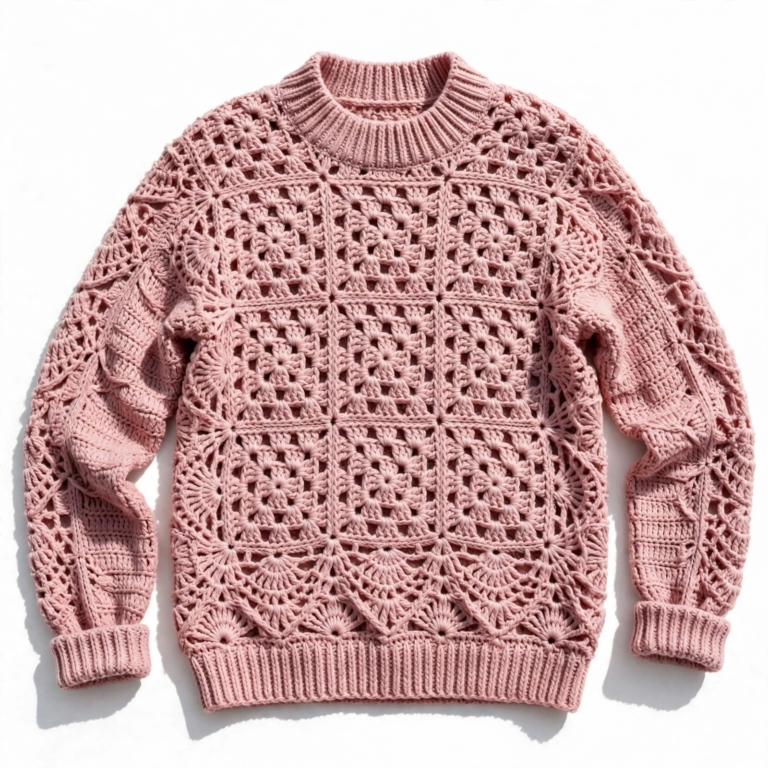
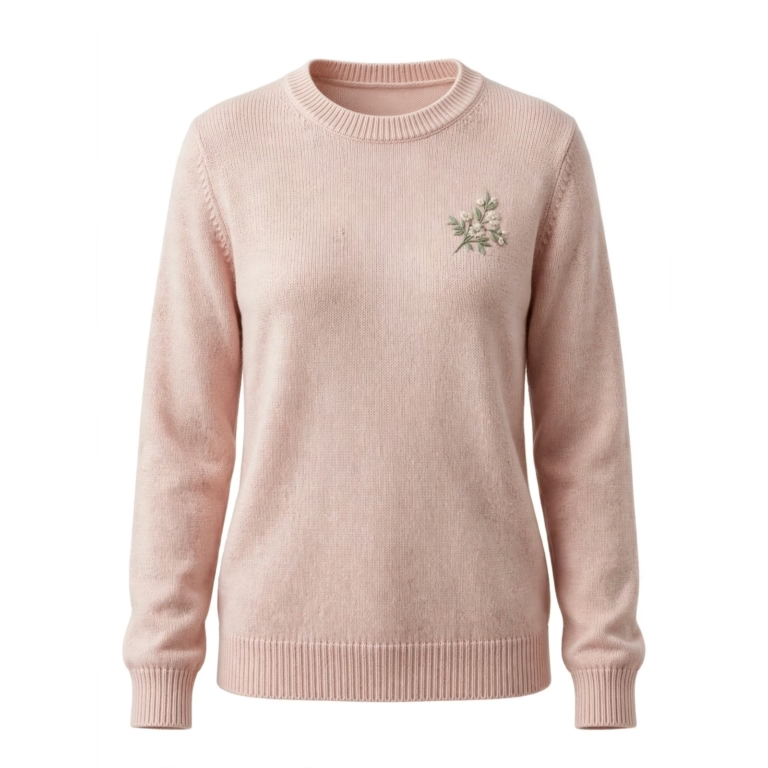
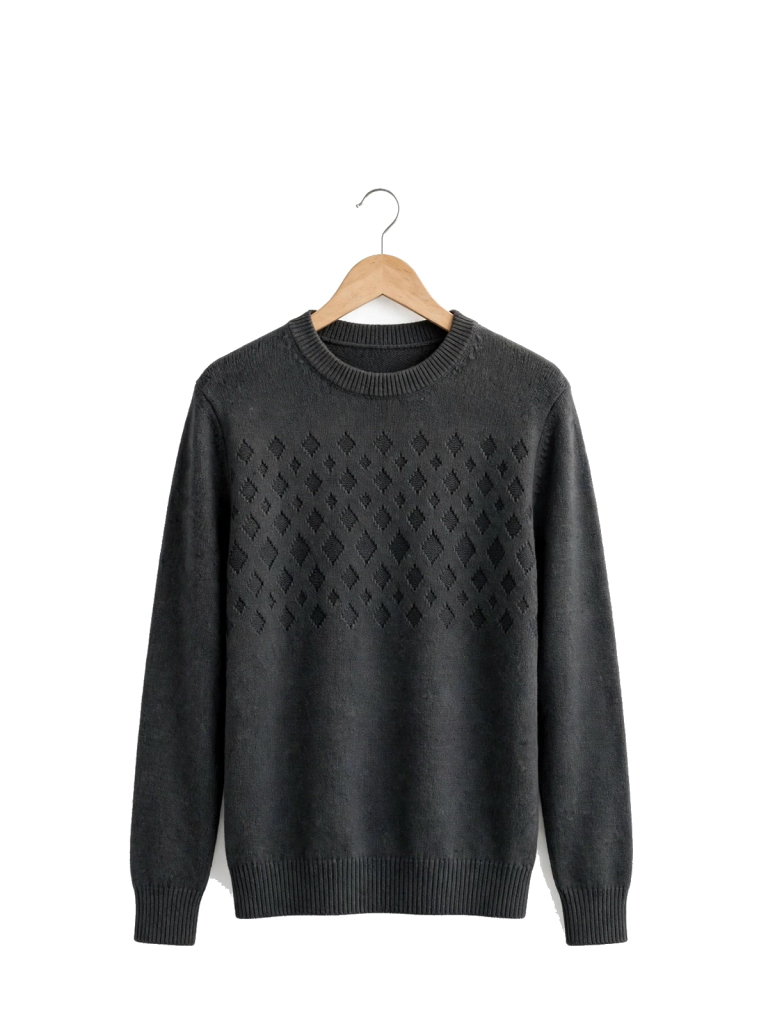
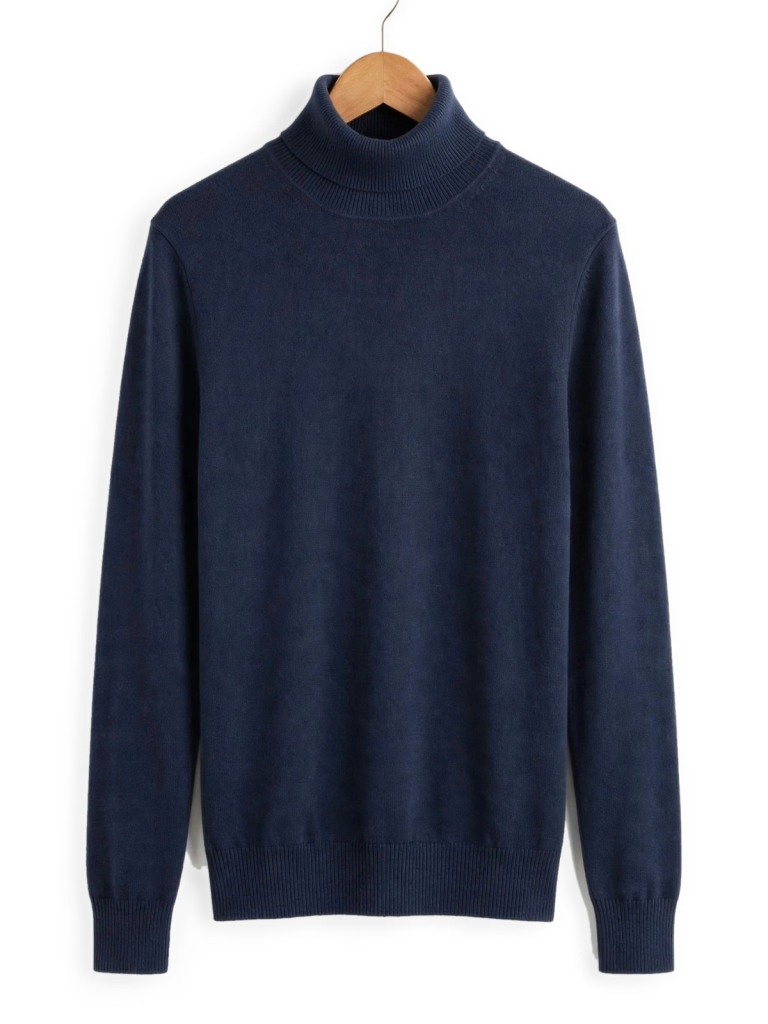
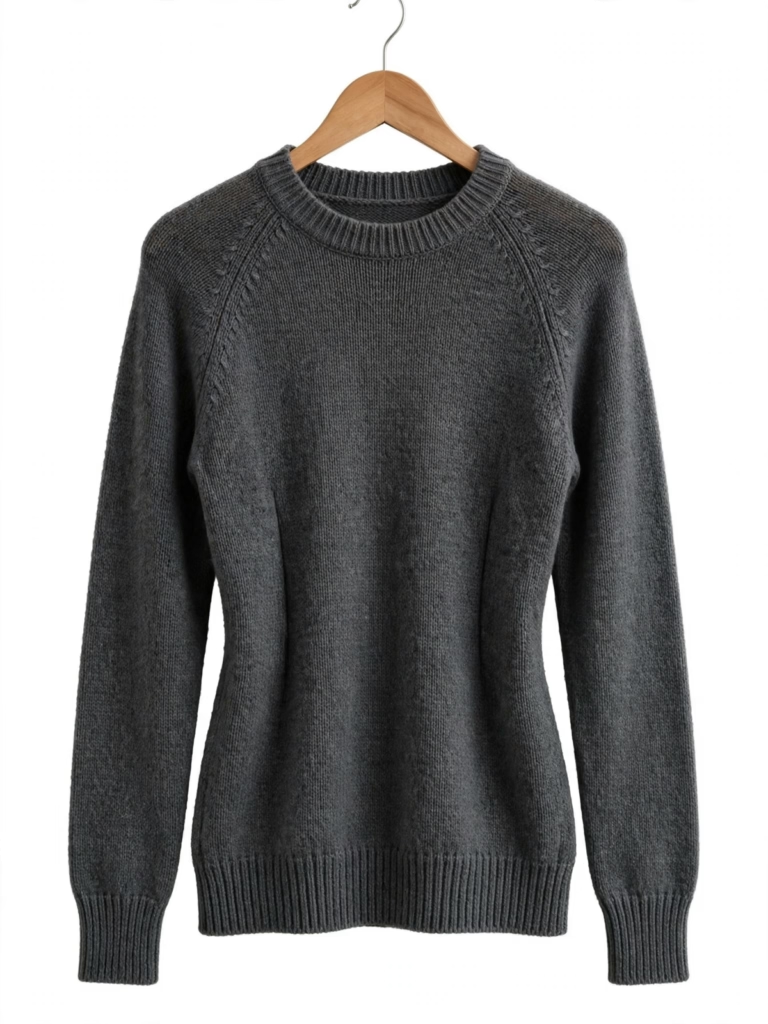
Sweater Manufacturer in Bangladesh Knitting Jumpers and Cardigans for UK, German and Scandinavian Winter Programmes
A sweater is not sewn from cloth. It is built stitch by stitch on a knitting machine, and its quality is decided by decisions a cut garment never faces: the gauge, the yarn’s character, and whether the panels are shaped on the machine or cut from knitted yardage and sewn.
Siatex Bangladesh manufactures sweaters in Bangladesh across gauges and yarns: fully fashioned and panel knitted jumpers, cardigans, sweater vests and knitted dresses for buyers whose winter ranges depend on them.
Gauges: The Number That Defines a Sweater
Gauge means stitches per inch, and it decides the sweater’s whole character:
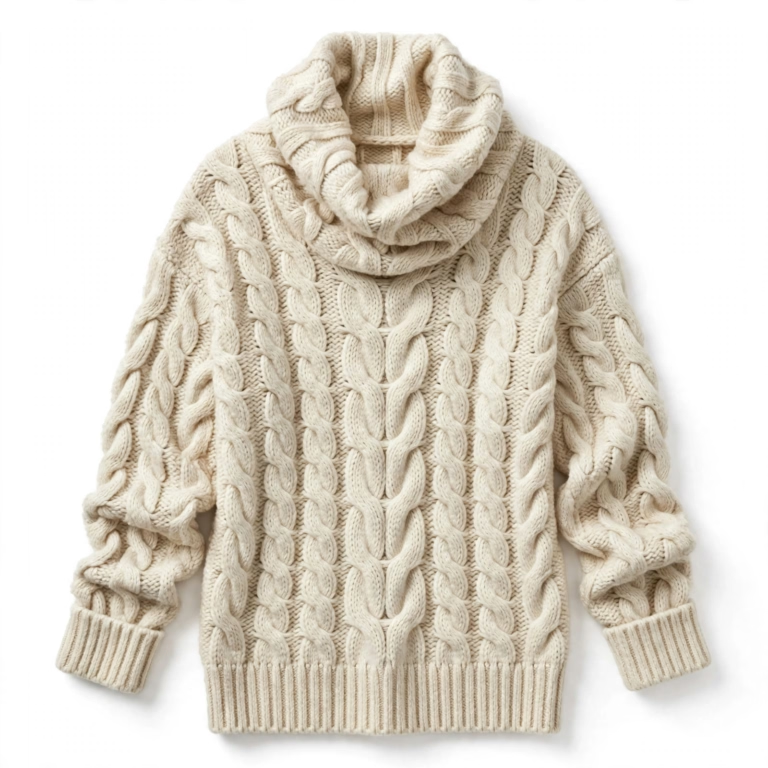
- Chunky gauges (3 to 5): heavy winter knits, textured stitches, hand knit looks
- Mid gauges (7): the versatile heart of most sweater programmes
- Fine gauges (12 to 14): smooth, light jumpers that layer like woven garments
- Gauge matched to yarn count at development, never forced
- Stitch density and tension recorded per style for reorder accuracy
Our knitted sweater manufacturer Bangladesh lines run the full gauge range, so a buyer’s chunky and fine programmes share one quality standard.
Fully Fashioned or Cut and Sew: The Construction Choice
Fully fashioned panels are shaped on the machine by adding and reducing stitches, so the garment is linked together with almost no cutting waste and clean fashioning marks at the armhole. Cut and sew knits panels as yardage and cuts them like cloth: faster, and right for some styles, but the seams and waste tell the story.
- Fully fashioned for premium and fine gauge programmes
- Cut and sew for volume basics where the design suits it
- Linking machines matched to gauge for invisible, comfortable seams
- Fashioning marks treated as a design feature, placed deliberately
- The construction named in every costing, so buyers know what they are paying for
Yarns: Acrylic, Cotton, Wool Blends and Fancy Fibres
- Acrylic and acrylic blends for colour, softness and easy care volume
- Cotton knits for spring and Scandinavian style programmes
- Wool blends for warmth led winter ranges
- Chenille, boucle and brushed yarns for fashion textures
- Recycled and certified yarn options for sustainability led brands
- Anti pilling grades specified where the programme’s price allows
Yarn is approved from knitted and washed panels, because a yarn’s promise on the cone and its behaviour in a garment are two different things. Our womens sweater manufacturer Bangladesh and mens knitted jumper manufacturer Bangladesh programmes share the same yarn library and approval discipline.
Stitch Design: Cables, Ribs, Jacquards and Texture
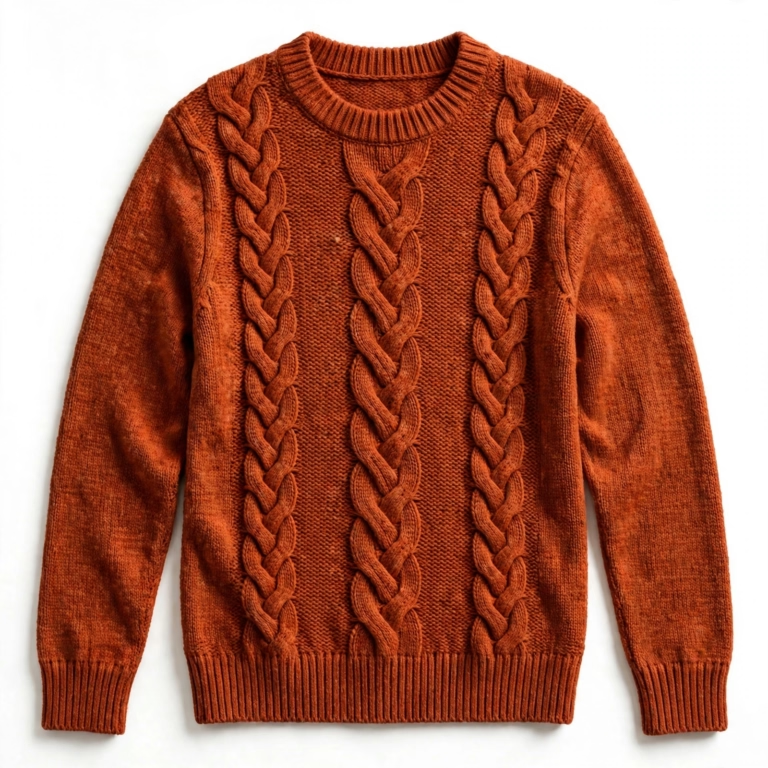
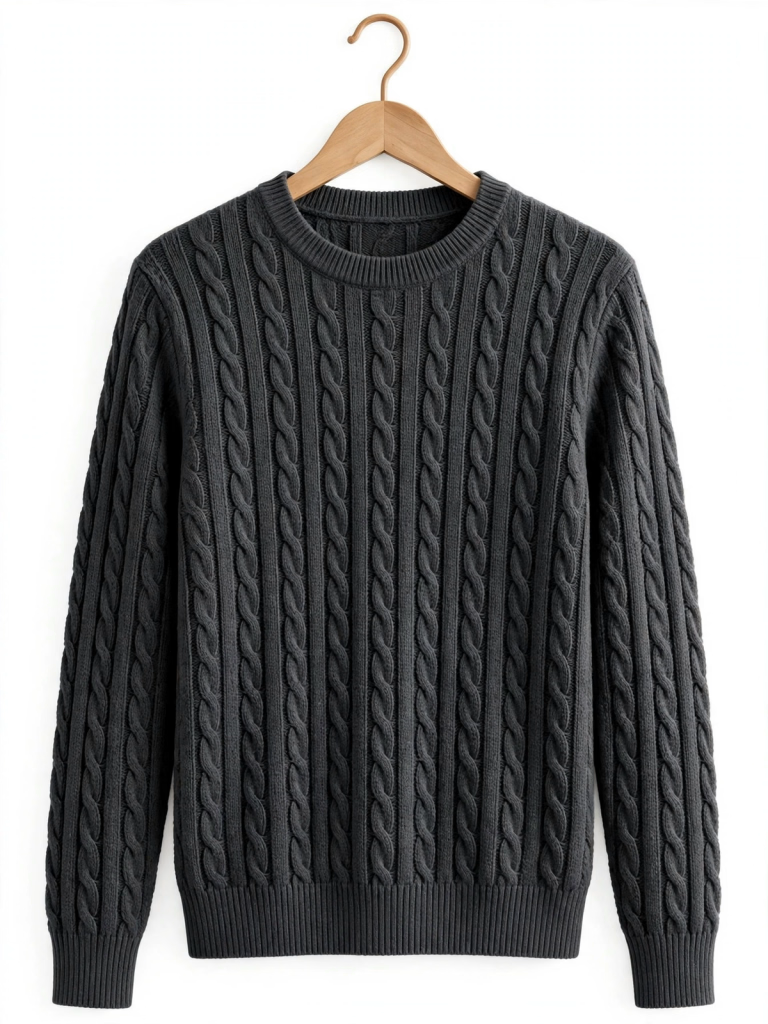
- Cable and Aran inspired stitches for heritage programmes
- Rib structures for cuffs, hems and full ribbed bodies
- Jacquard and intarsia colourwork for fashion and festive ranges
- Pointelle and lace stitches for ladies fine gauge styles
- Colour block and stripe engineering across panels
Stitch designs are knitted as panels and approved in the round, because a stitch that charms flat can disappoint around a body.
Linking, Washing and Finishing a Sweater
What happens after knitting decides how a sweater feels in the shop:
Knitted panels are inspected before linking, because a fault linked in becomes a garment rejected later at ten times the cost. Mending at panel stage, by the same skilled hands that link, is part of honest knitwear economics: the buyer pays for garments, not for avoidable waste, and the panel inspection record feeds back to the knitting floor weekly.
- Linking at matched gauge so seams flex with the garment
- Washing and softening to the approved hand feel standard
- Steaming and measurement on forms before folding
- Button and trim attachment checked on cardigans piece by piece
- Final inspection under light for stitch faults and shading
Sweater Exporter From Bangladesh to Winter Markets
Sweater Supplier for UK Winter and Festive Programmes
UK buyers run the year’s sharpest sweater peak: autumn winter ranges plus the festive jumper season, where jacquard and novelty designs are developed early and delivered against immovable dates.
Sweater Manufacturer for German and Scandinavian Knitwear Brands
German and Scandinavian buyers specify yarn composition, gauge and measurements precisely, and favour cotton and wool blend programmes with restrained styling built to last several winters.
Sweater Exporter Serving USA and Canadian Winter Ranges
USA and Canadian programmes span fashion sweaters, holiday ranges and cold weather basics, often in extended size runs. Their winters justify the chunky gauges our machines run best.
Cardigans, Vests and Knitted Dresses
The sweater family extends beyond the jumper: button and zip cardigans, sweater vests returning strongly in fashion ranges, and knitted dresses in fine and mid gauges. Each is knitted, linked and finished on the same lines, so a buyer’s whole knitwear story carries one handwriting.
Children’s Sweaters and School Knitwear
Children’s sweaters combine the softness standard of baby knitwear with school uniform discipline: house colours held across years, easy care yarns that survive weekly washing, and sizes by age with growth room built in.
- School sweaters and cardigans in regulation colours with crests
- Soft, non scratchy yarns chosen for children’s skin
- Reinforced elbows and cuffs for playground life
- Festive and fashion knits for children’s retail ranges
Shape Retention: The Sweater’s Second Winter
Most sweaters look their best in the shop. The quality question is the second winter: does the cuff still grip, the hem still sit, the body still hold its length?
- Rib structures knitted with recovery yarns at cuffs and hems
- Tension consistency checked across production, not only at sampling
- Wash testing for growth and shrinkage in both directions
- Blocking and measurement after washing, as the customer experiences it
- Pilling grades recorded per yarn so programmes improve year on year
Buyers who sell on reputation specify the second winter. Our testing is written for it.
How Sweater Programmes Are Costed
In knitwear the yarn is the garment: it dominates the price and decides the quality ceiling. Costing therefore starts from the yarn:
- Yarn costed by weight per garment at the specified composition
- Gauge and construction stated, since both move the knitting time
- Linking and finishing costed as their own skilled operations
- Wastage shown honestly: fully fashioned and cut and sew differ here
- Alternatives quoted where a yarn change protects a price point
A buyer comparing two sweater quotations without yarn weights is comparing photographs. We put the numbers on the table.
Festive and Novelty Knitwear in Detail
The festive jumper is a serious programme disguised as a joke. Intarsia and jacquard designs with many colours are the hardest knitting in the commercial range, and they are bought against the year’s least movable deadline:
- Designs engineered for knitting early, with colour counts costed honestly
- Yarn shades approved across every colour in the design together
- Capacity booked ahead of the autumn peak for all festive work
- Novelty elements, from pom poms to light up details, attached to safety standards
Yarn Colour: Dyeing, Melange and Shade Control in Knitwear
Knitwear colour behaves differently from woven colour: the stitch structure scatters light, and a shade that matches on a cone can drift across panels knitted weeks apart.
- Yarn lots approved as knitted panels under standard light
- Melange and marl yarns specified by recipe, not by name
- Panel shading checked garment by garment at final inspection
- Reorder yarn matched to the retained panel standard
Shade discipline is the quiet half of knitwear quality, and the half customers notice without knowing why.
Lightweight and Summer Knitwear
Not every sweater is for winter. Fine gauge cotton and viscose knits serve spring and summer programmes: breathable jumpers, knitted tops and cardigans that layer over dresses and shirts.
- Fine gauge cotton knits with pointelle and openwork stitches
- Short sleeve and sleeveless knitted tops for summer ranges
- Light cardigans in cotton and blends for evening cover
- The same linking and finishing standards at lighter weights
Summer knitwear is where fine gauge skill shows most, because every stitch fault is visible in a light, smooth fabric.
Packing Knitwear Without Ruining It
Knitwear is damaged by careless packing more than by careless making: sharp folds set creases in the stitch, and hangers stretch shoulders. Programmes are packed folded flat with tissue at fold points, never hung, and cartons are sized so garments are supported rather than compressed.
Men’s Sweaters: The Quiet Core of the Trade
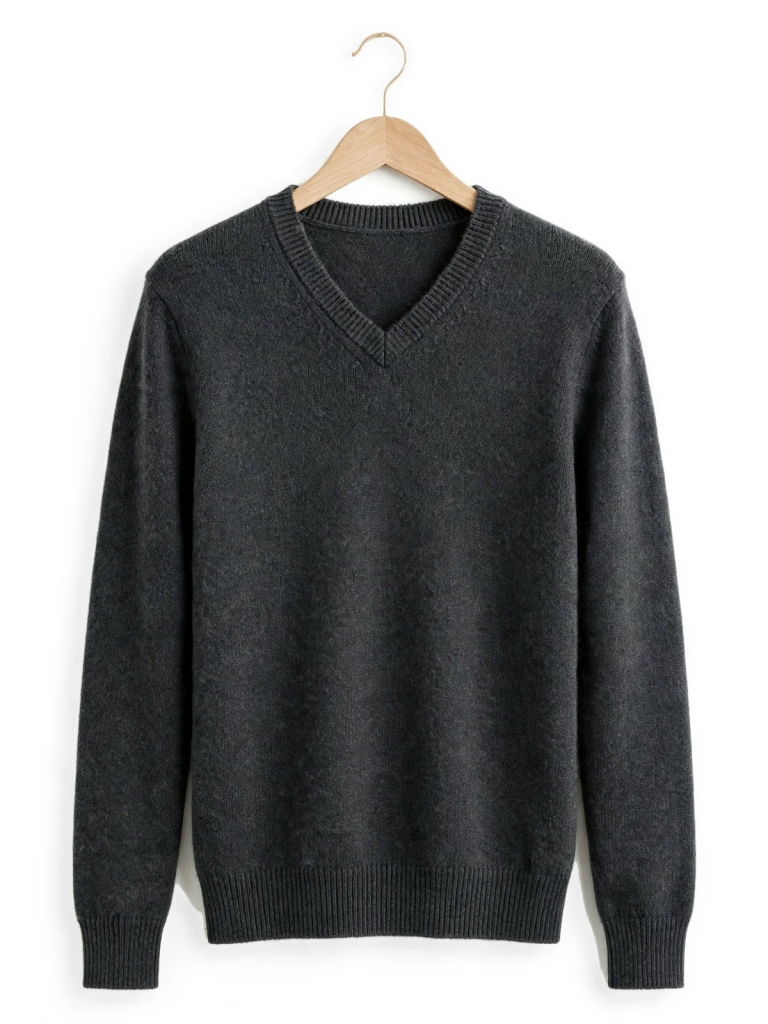
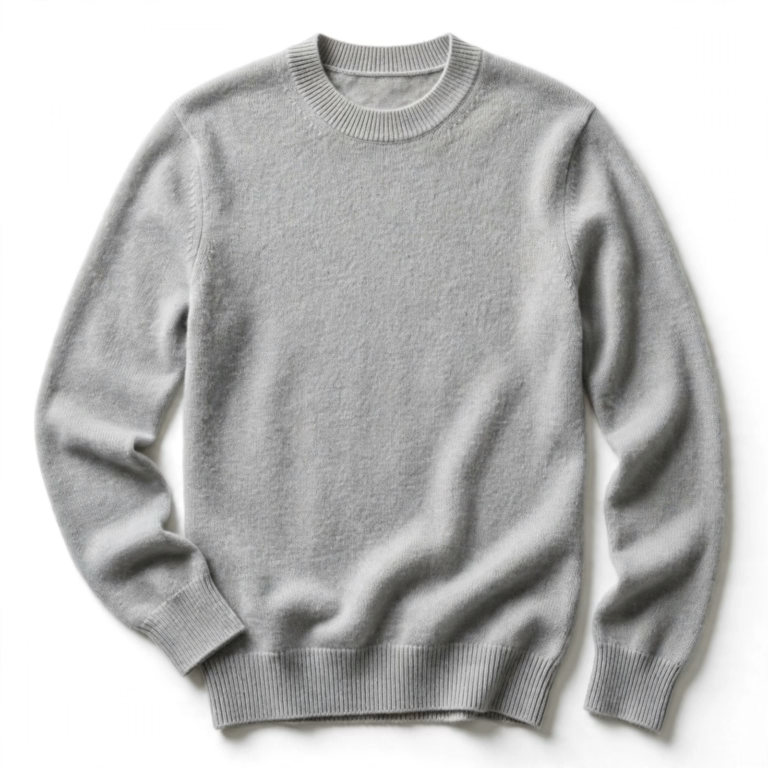
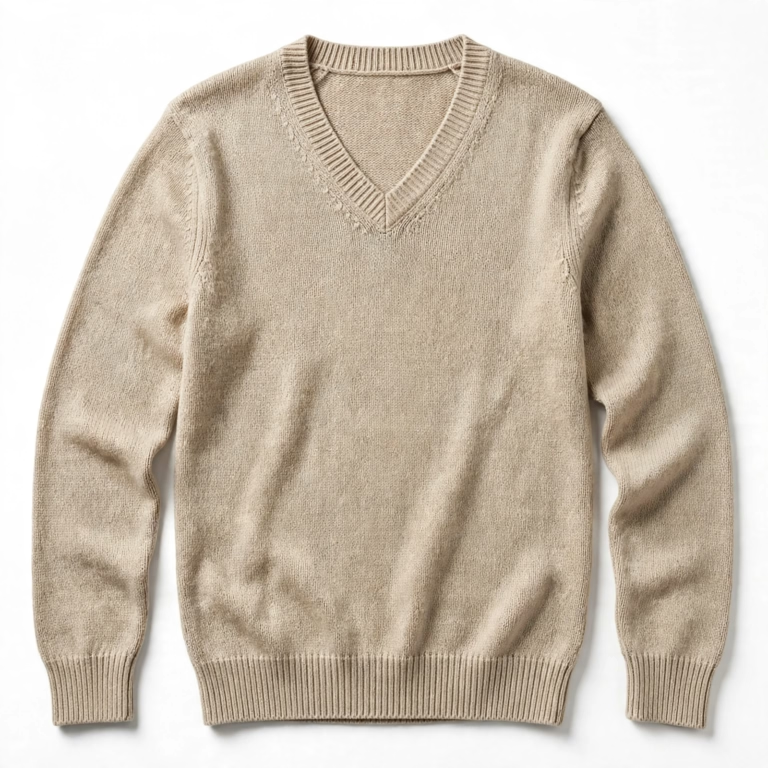
Men’s knitwear is bought on hand feel, fit and durability, and reordered for years when a style earns trust. Crew and V neck jumpers, zip necks and cardigans in navy, grey and seasonal colours form the steadiest programmes we run:
- Classic fits graded with room for shirts beneath
- Lambswool look blends and cotton knits for different price points
- Reinforced elbows and shoulders on work leaning styles
- Colour continuity across seasons for repeat purchase
A men’s sweater customer is the most loyal in knitwear and the least forgiving of a changed specification. Programmes are therefore altered openly or not at all.
Sweater Manufacturing Specification at a Glance
| Styles | Jumpers, cardigans, sweater vests, knitted dresses |
| Gauges | 3, 5, 7, 12 and 14 gauge programmes |
| Construction | Fully fashioned and cut and sew, named in costing |
| Yarns | Acrylic, cotton, wool blends, chenille, recycled options |
| Finishing | Matched gauge linking, washed hand feel, form steaming |
| Export markets | UK, Germany, Scandinavia, USA, Canada, Netherlands |
Questions Sweater Buyers Ask This Bangladesh Manufacturer
How do UK buyers plan the festive jumper season with you?
Early. Designs and yarn are approved in spring, knitting capacity is booked against the delivery window, and festive programmes are produced before the autumn peak so the immovable retail dates are met without heroics. Buyers receive production photographs through the run, because a festive programme discovered late cannot be recovered at any price.
What is the real difference between fully fashioned and cut and sew?
Fully fashioned panels are shaped stitch by stitch, linked with minimal waste and cleaner seams; cut and sew is knitted as cloth and cut, which suits some volume styles. The difference shows in seam quality, fit and price, and we name the construction in the costing so the buyer chooses knowingly. Samples are made in the production construction, never upgraded for approval.
Can a Scandinavian brand get cotton sweaters with low pilling?
Yes. Yarn selection decides pilling more than any finish: compact spun and anti pilling grades are specified, then verified on washed knitted panels before the yarn is approved for bulk. The panel evidence travels with the order file, so a reorder two years later is matched to the same standard.
Do you knit ladies fine gauge cardigans with buttons?
Yes. Fine gauge cardigans with button quality matched to the programme’s price point, buttonholes knitted or stitched to standard, and spare buttons included in the packing specification for every order.
What do Dutch buyers order from your sweater lines?
Mid gauge jumpers and cardigans in cotton and blends, plus school knitwear programmes. Dutch buyers test shrinkage carefully and expect measurements after washing to match the specification, which is exactly how our samples are prepared: washed first, measured second.
How does a German buyer start a sweater programme?
Send the styles with gauge and yarn composition targets through our contact page. We reply with costings and knitted panel samples in your yarns, washed and measured so the figures you approve are the figures production will hold.
Read More About Sweater Manufacturing in Bangladesh
Why did sweater making become a Bangladesh strength?
Because the country invested in knitting capacity at every gauge and trained linkers and finishers to match. A sweater industry is really a skills industry: the machines are buyable anywhere, but hands that can link a 14 gauge seam invisibly take years to develop, and that depth is what buyers come for.
What should a buyer check in a sweater sample?
The seams first: turn the garment inside out and look at the linking. Then the recovery: stretch the cuff and hem and watch them return. Then wash it. A sweater that passes those three examinations honestly will pass a season. Our sampling is built around them, and buyers are welcome to wash test our samples as hard as they like, inside the knitwear trade organised by the Bangladesh Garment Manufacturers and Exporters Association.