
OEM Clothing Manufacturer in Bangladesh Producing Under Buyers’ Brands for USA, German and UK Companies
OEM production is a simple arrangement with demanding standards: you own the design and the brand; we own the factory discipline that turns your specification into garments, order after order, without drift. The buyer should never have to think about our factory. They should only see their product, made exactly as specified, arriving on schedule.
Siatex Bangladesh works as an OEM clothing manufacturer in Bangladesh for brands and companies worldwide: your tech packs, your labels, your standards, produced on our lines under a quality agreement both sides sign.
The OEM Agreement: Specification Is the Contract
Every OEM programme is built on documents, not understandings:
- Tech pack and measurement specification as the production standard
- Approved pre-production sample sealed as the reference garment
- Quality level and inspection method agreed before the first order
- Labelling, packing and carton standards written per buyer
- Change control: no material or construction change without written approval
- Delivery terms and reporting rhythm fixed in the programme file before the first order
When a question arises mid production, the file answers it. That is what makes OEM different from ordinary ordering.
Tech Pack Fidelity: Making Exactly What Was Specified
Our production reads tech packs literally, and queries them early where they are silent or contradictory:
- Measurement points audited against the pattern before cutting
- Materials matched to specification, substitutions never made silently
- Construction details photographed at first piece for buyer confirmation
- Grading applied from the buyer’s charts across all sizes
- Colour standards held from lab dip to bulk under standard light, recorded per order
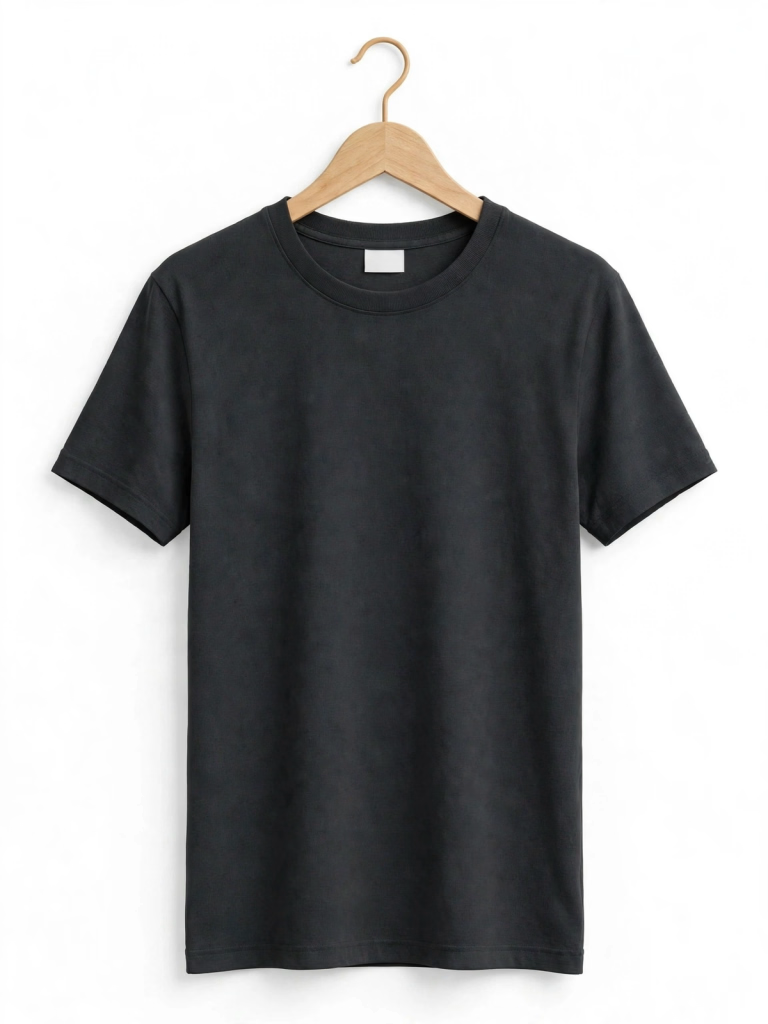
Our OEM t-shirts manufacturer Bangladesh programme shows the discipline on the highest volume category; the same file based system governs every OEM category.
Categories Produced Under OEM Programmes
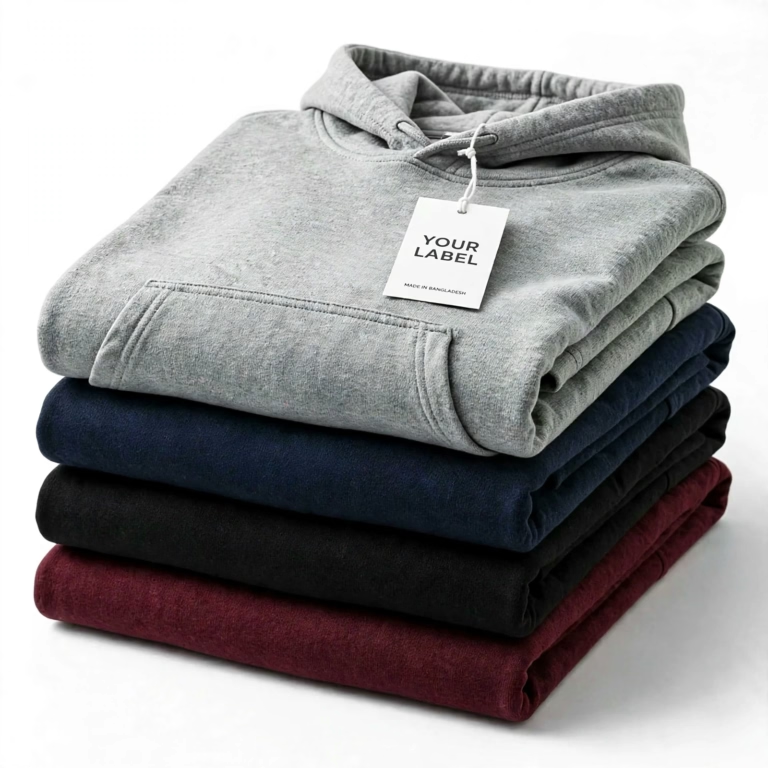
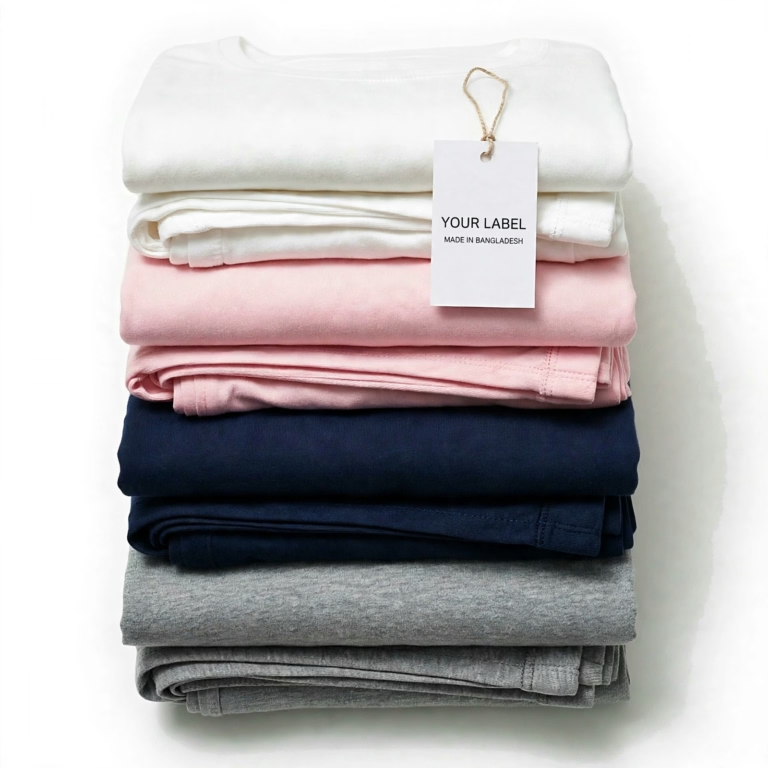
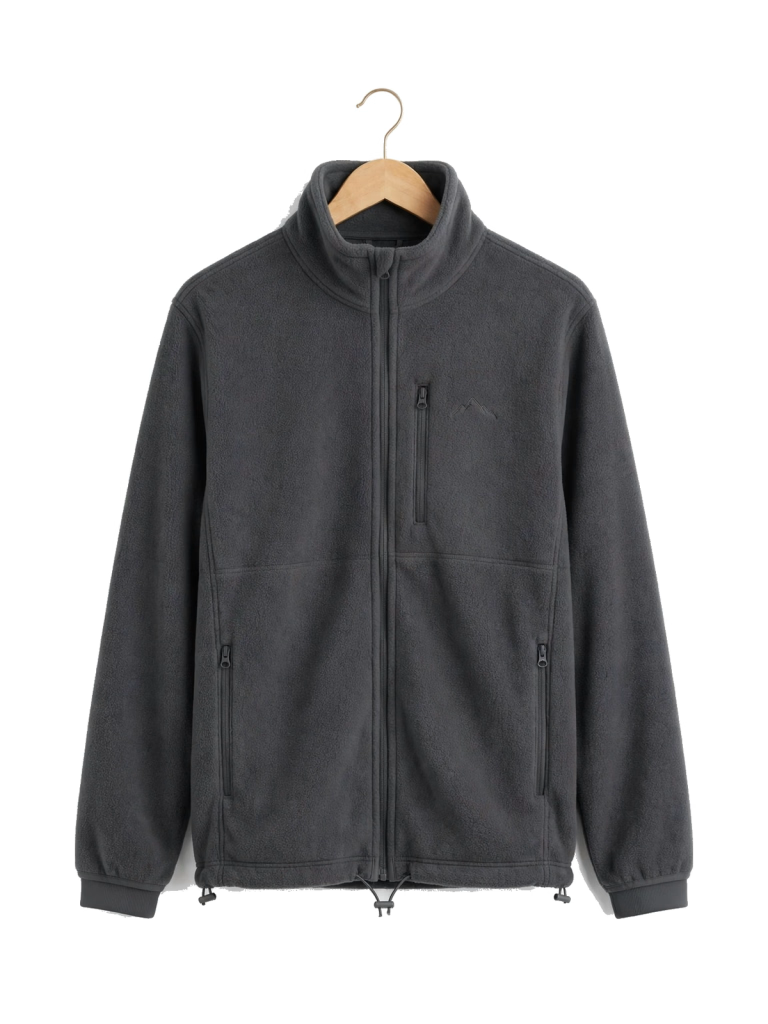
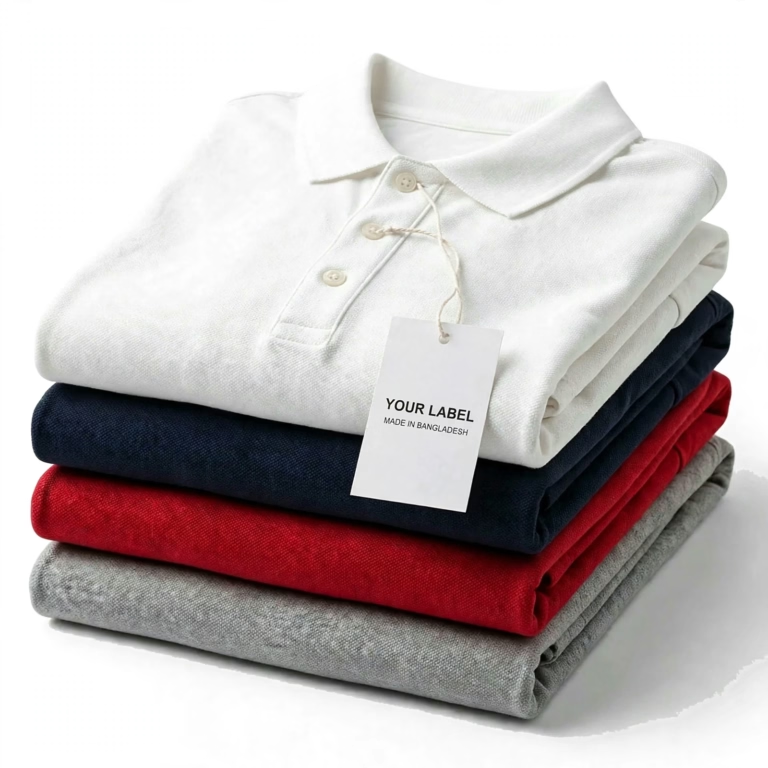
- Jersey basics: t-shirts, polos, sweatshirts and hoodies under buyer labels
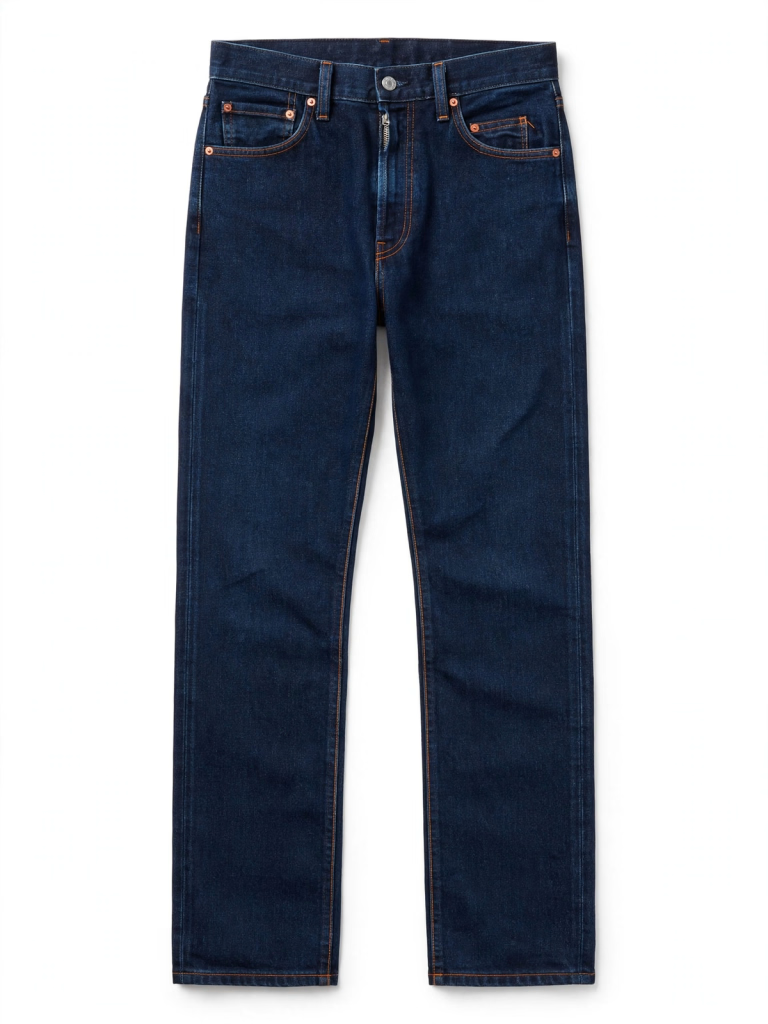
- Denim and jeans programmes with buyer specific washes
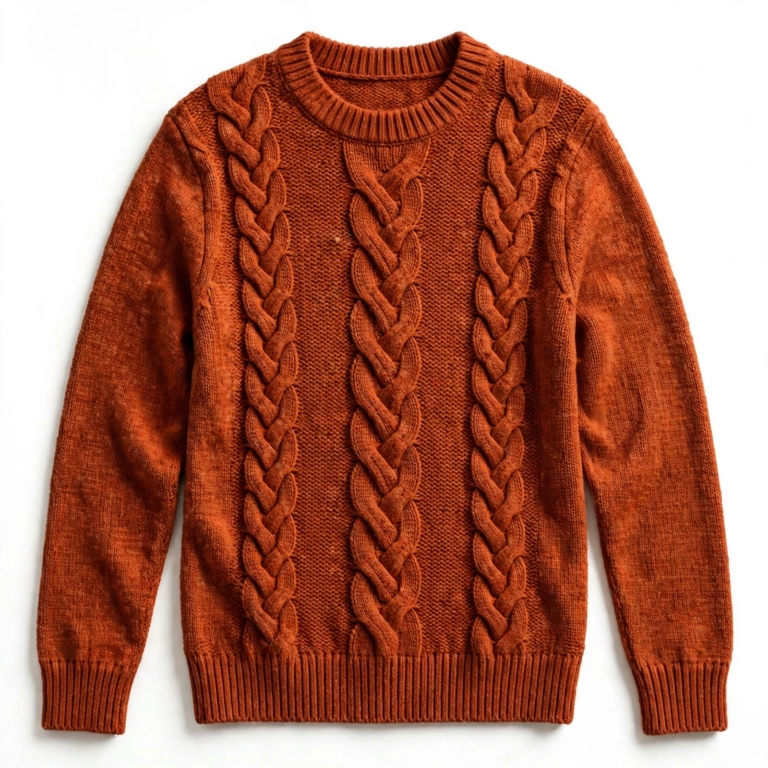
- Knitwear and sweaters knitted to buyer specification
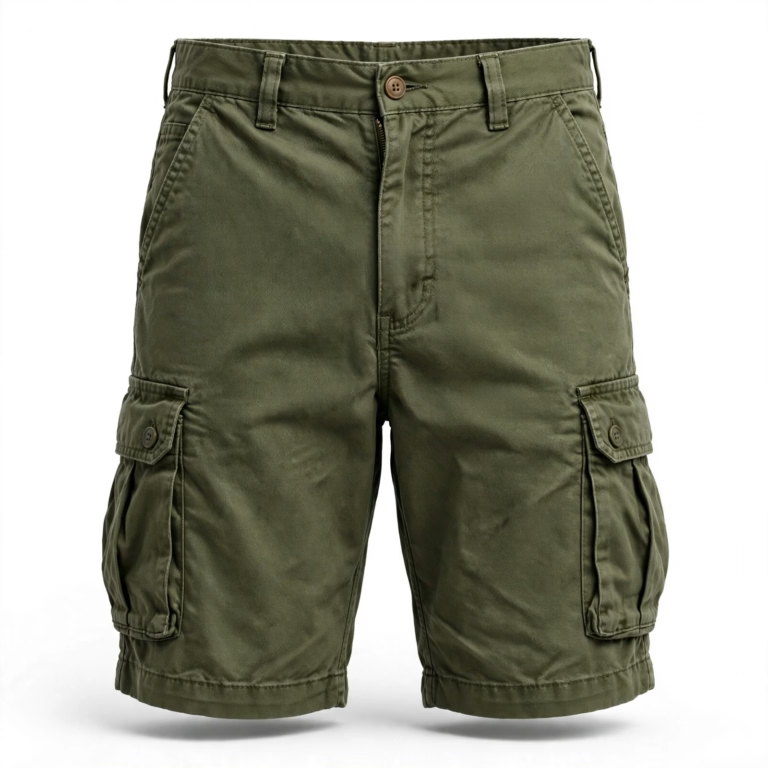
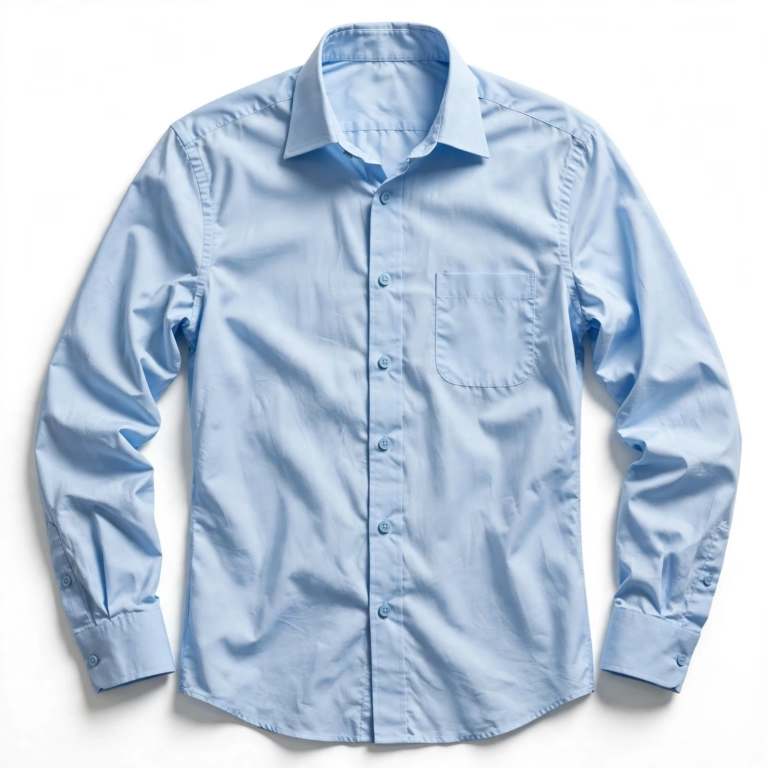
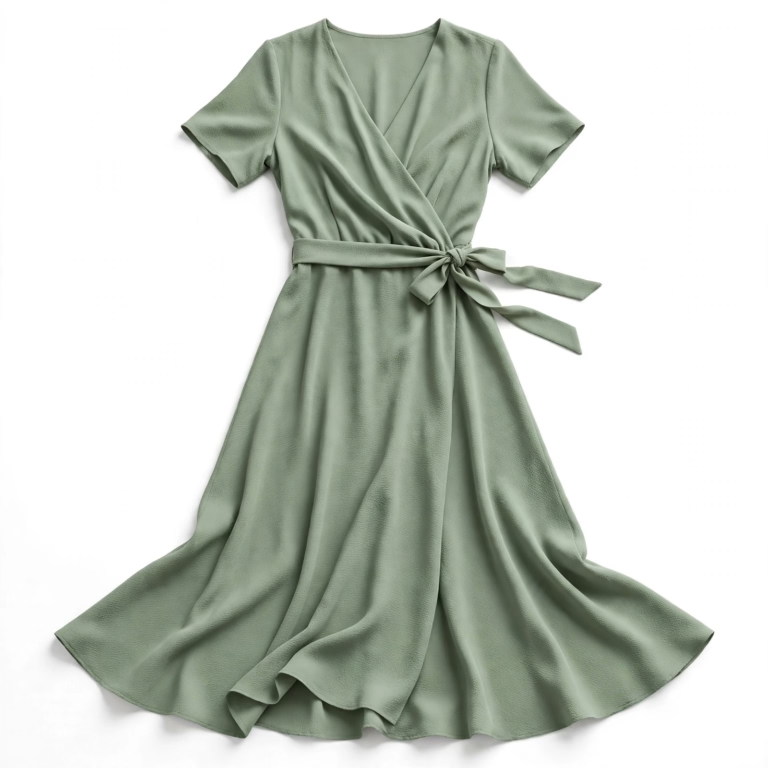
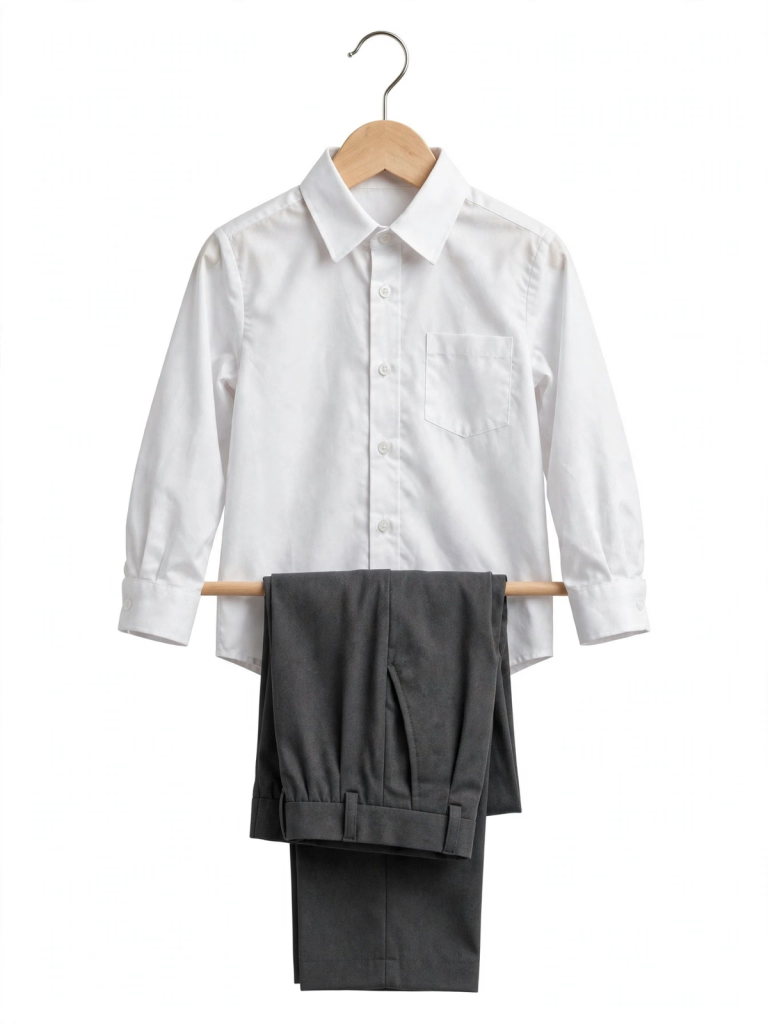
- Woven shirts, dresses and uniform programmes
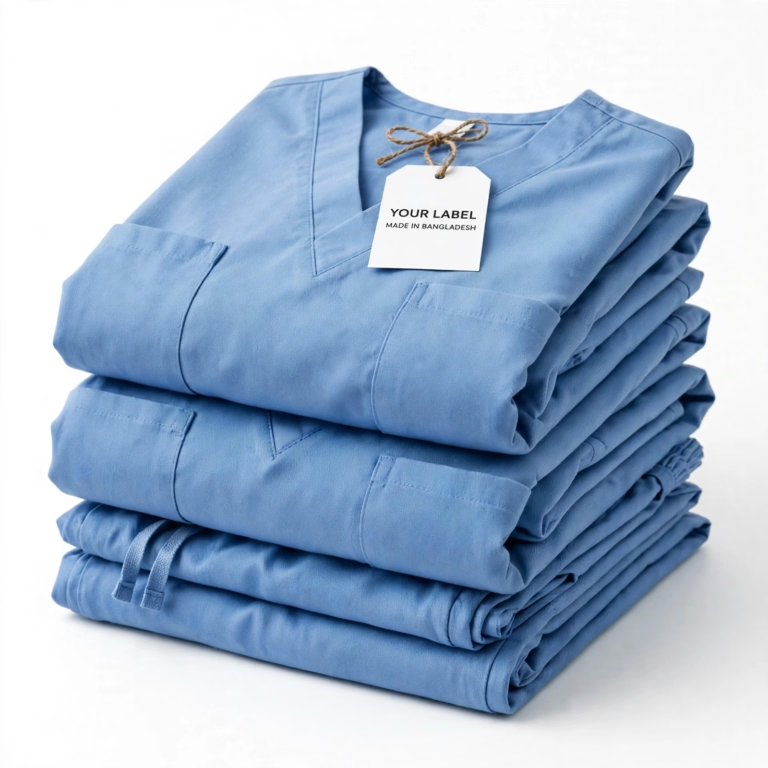
- Workwear and technical clothing built to written standards
- Children’s and baby clothing under strict safety specifications
Quality Systems Inside an OEM Programme
- Inline inspection during sewing, not only at the end
- Measurement audits per size against the specification at every production stage
- Final inspection to the agreed AQL with reports to the buyer
- Needle and metal control on children’s and baby programmes without exception
- Carton and labelling checks against the packing standard
- Corrective action records shared, with causes, not only results
Your Intellectual Property Stays Yours
OEM buyers hand a factory their designs, patterns and brand assets. Ours are held under the programme file’s control: designs produced only for their owner, artwork and labels never reused, and buyer materials never shown to other customers. The factory’s invisibility is part of the product an OEM buyer is purchasing.
The control is physical as well as procedural. Buyer labels and branded trims are counted in and out of production, surplus branded materials are destroyed or returned as the agreement states, and no garment carrying a buyer’s brand leaves the factory except inside that buyer’s shipment.
OEM Clothing Exporter From Bangladesh to Brand Owners
OEM Clothing Supplier for USA Brands and Importers
USA OEM programmes run at volume across basics and seasonal categories, often with several categories under one quality agreement. Consolidation, reporting and a single standard across the range are what these buyers purchase.
OEM Clothing Manufacturer for German and UK Companies
German and UK OEM buyers specify deeply and audit seriously. Programmes run on written standards, test evidence and change control, which suits a factory that keeps files the way we do.
OEM Clothing Exporter Serving Canadian and Australian Brand Owners
Canadian and Australian brands use OEM production to build own label ranges without owning factories: full specification control with production, inspection and shipping handled under one agreement.
Scaling an OEM Programme
Programmes usually begin with one category and a trial order, then widen:
- Trial category judged on specification accuracy, delivery and reporting quality
- Capacity planning shared as volumes grow, season by season
- Additional categories added under the same quality agreement
- Fabric and trim standards consolidated across the range
- Annual review of quality records and corrective actions
Production Planning: Slots, Seasons and Honest Capacity
An OEM programme is a claim on factory capacity, and it is planned like one:
- Seasonal capacity reserved against the buyer’s forecast
- Production slots confirmed per order with start and ship dates
- Fabric booking aligned to the slot, not to the order’s arrival
- Peak season conflicts surfaced at forecast stage, when they are solvable
- Buffer categories identified where a slot can move without harm
The forecast conversation is part of the programme, held while there is still time to act on it.
Testing and Compliance Within OEM Programmes
The buyer’s market rules ride inside the programme file: fibre composition and care labelling per destination, chemical restriction testing where the buyer’s standard requires it, and children’s safety specifications applied as production law. Test reports are filed per order and copies travel with the shipment documents, so the buyer’s compliance team works from evidence, not assurances.
Costing an OEM Programme
OEM costing is built to be audited:
- Fabric at measured consumption against the specified material
- Trims at the specified quality, itemised where they matter
- Making costed by operation for complex garments
- Testing, inspection and packing shown as their own lines
- Reorder pricing stable against the file unless a named input moves
When a price moves, the buyer can see which component moved. That visibility is what turns a quotation into a programme.
Reporting Rhythm for OEM Buyers
- Order confirmation with the full specification restated
- Weekly production status against the critical path
- Photographic inline reports at agreed stages
- Final inspection report before shipment release
- Post shipment review feeding the next order’s plan
What a Good Tech Pack Contains, and What Happens Without One
OEM quality begins before the factory: in the tech pack. A complete pack carries measurements with tolerances, construction drawings, material specifications with compositions, colour standards, artwork at full size, and labelling and packing instructions.
Where a buyer has a product but no pack, we build the pack from the garment: measuring, analysing and documenting until the specification exists in writing. Production from an undocumented sample is how OEM programmes drift, and we will not start one that way.
OEM Production for Uniform and Corporate Buyers
Corporate and institutional buyers use OEM discipline without calling it fashion: uniforms and workwear produced to a written standard, reordered for years, with colour and construction held constant across every replenishment.
- Standards documented once and produced against indefinitely
- Size and wearer data managed per the buyer’s workforce
- Branding applied under the same change control as construction
- Replenishment planned against the buyer’s issue cycle
Records: How OEM Trust Is Actually Built
An OEM relationship is a pile of kept promises, and the pile is paperwork: inspection reports, corrective actions, test results, delivery records. Ours are kept per programme and opened to the buyer at review. A factory confident in its records invites the audit; a factory that resists one is telling you something.
Baby and Children’s OEM: Safety as Specification
Children’s OEM programmes carry the strictest files we keep: drawstring and cord rules per destination, small part security testing, metal detection on every garment, and fabric chemical standards documented per order. The buyer’s brand sits on the label of a child’s garment, and both sides of the programme behave accordingly.
Sustainability Options Inside OEM Programmes
OEM buyers increasingly specify environmental standards alongside quality ones: certified fibres with chain of custody, recycled materials with documentation, and packaging reduced or plastic free where the buyer’s policy requires. These enter the programme file as specifications like any other, tested and reported the same way, because a sustainability claim is a specification or it is a slogan.
The First OEM Order: A Buyer’s Checklist
Programmes that start well share a pattern. Before the first order, the buyer and factory settle:
- The trial category, chosen where specification accuracy is easy to judge
- The tech pack standard the whole programme will use
- The sealed sample process and who signs approvals
- The inspection level and the evidence format for reports
- The change control rule, in writing, before it is ever needed
- The review meeting after the first shipment, booked in advance
None of this delays production. All of it prevents the misunderstandings that do.
OEM Clothing Manufacturing Specification at a Glance
| Model | Your design and brand, our factory and quality system |
| Standard | Tech pack plus sealed pre-production sample |
| Categories | Jersey, denim, knitwear, woven, workwear, children’s |
| Quality | Agreed AQL, inline and final inspection, shared reports |
| Control | No change without written buyer approval |
| Export markets | USA, Germany, UK, Canada, Australia, Netherlands, France |
Questions OEM Buyers Ask This Bangladesh Manufacturer
How do USA importers protect their designs in OEM production?
Through the programme file’s controls: designs, artwork and labels are produced only for their owner, access is limited to the team running the programme, and nothing is photographed or shown outside it. The arrangement is stated in the programme agreement, not left to goodwill. Buyers may also register their marks locally, and we support the paperwork where that is wanted.
What happens if a material must change mid programme?
Nothing changes silently. The buyer receives the reason, the proposed substitute with samples and test evidence, and production waits for written approval. An unapproved substitution is treated as a defect, however small it looks. Where the buyer refuses the substitute, the options are stated plainly: wait for the specified material, adjust the delivery, or cancel the affected quantity.
Can a German company audit production against its own standard?
Yes. Buyer and third party inspections are welcomed at inline and final stages, against the same specification our own QC uses. One standard, inspected by whoever the buyer trusts, is the OEM way. Inspection findings, ours or theirs, enter the corrective action record either way, so an outside audit improves the programme instead of merely judging it.
Do you consolidate several OEM categories into one shipment?
Yes. Production calendars across categories are aligned for consolidated loading, with documents prepared per category inside one shipment file and inspection evidence shared before the container closes. Consolidation is planned at order stage, not improvised at the port, because categories finish on different days unless the calendar forces them together.
What do Dutch buyers run under OEM programmes with you?
Private label basics, knitwear and seasonal categories under one quality agreement. Dutch buyers are systematic: specifications arrive complete, approvals come back fast, and the programme is expected to run itself. Our file based system is built for exactly that rhythm, with reporting that needs no chasing and questions answered within one working day.
How does a Canadian brand start an OEM programme?
Send a tech pack for a trial category through our contact page. We reply with costing, a sampling plan and the quality agreement draft your programme would run under, so the relationship’s rules are visible before the first garment is cut.
Read More About OEM Clothing Manufacturing in Bangladesh
Why do brands choose OEM over buying stock designs?
Control. An OEM buyer owns the fit, the fabric and the details that make a product theirs, and holds them constant across years and categories. Stock buying is faster; OEM is how a product becomes an asset instead of a purchase. Most serious own label ranges end up OEM for exactly that reason, and most stay once the first programme proves the system.
What is the factory’s side of a good OEM relationship?
Predictability in both directions. The buyer gives clear specifications and honest forecasts; the factory gives literal production, early warnings and no surprises. Where those four things hold, OEM programmes run for decades. The programmes that fail usually fail on one of the four, which is why the agreement names them all at the start rather than discovering them at the first problem. Bangladesh’s OEM base serves most of the world’s clothing brands, coordinated through the Bangladesh Garment Manufacturers and Exporters Association.