
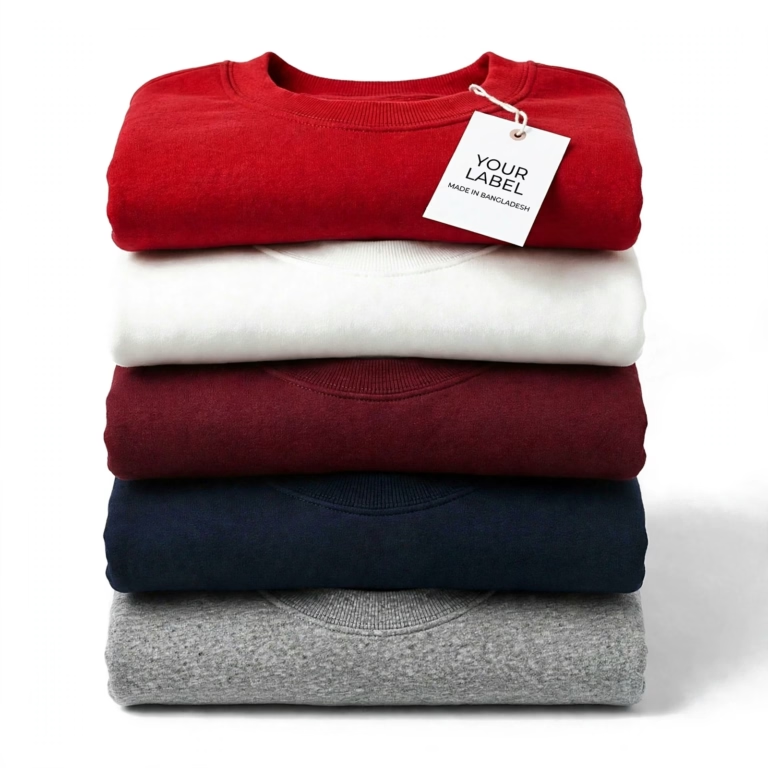
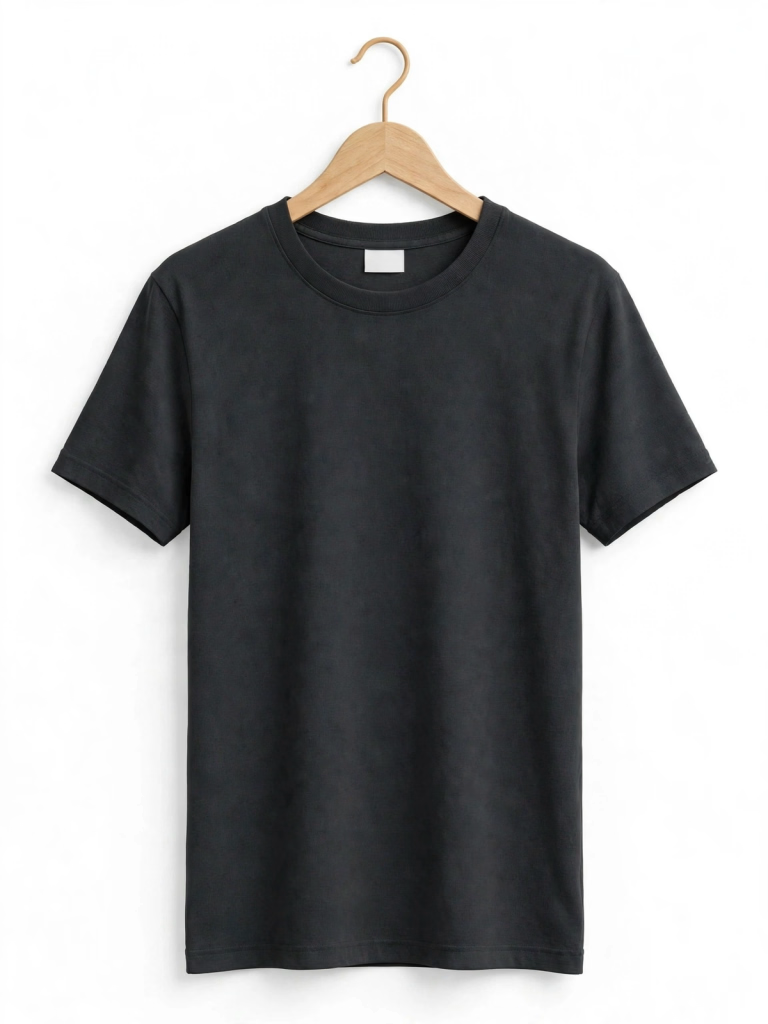
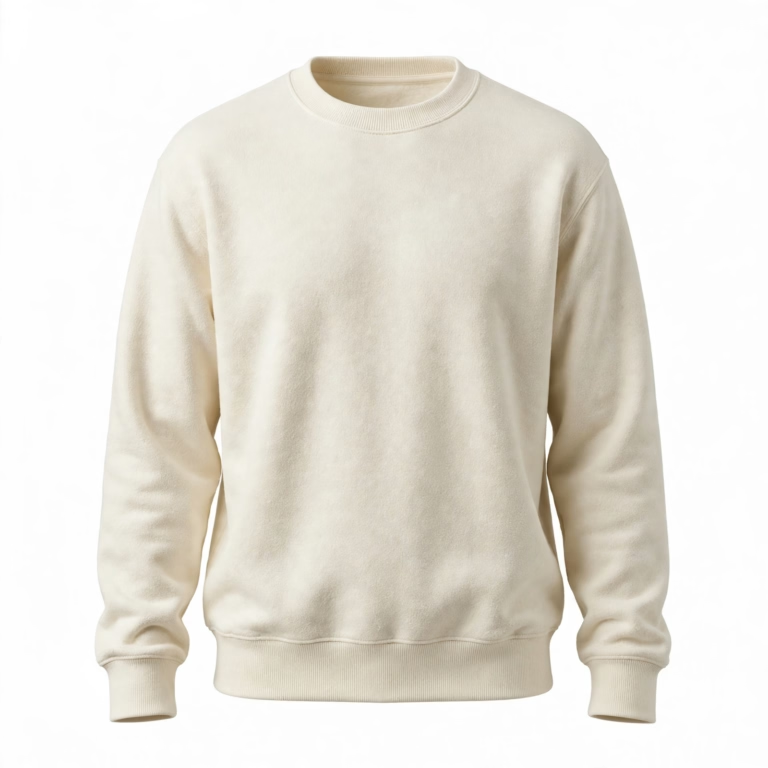
Cut and Sew Manufacturer in Bangladesh Building Custom Panel Garments for USA, UK and German Brands
Most decorated clothing starts as a finished blank that someone prints on. Cut and sew starts earlier: with fabric, a pattern, and a garment built panel by panel around the design itself. That difference opens everything a blank cannot do: all over prints that flow across seams, colour blocked panels, custom silhouettes, and fabrics chosen for the garment rather than inherited from a blank catalogue.
Siatex Bangladesh works as a cut and sew manufacturer in Bangladesh for brands whose designs begin at the fabric: custom tees, hoodies, jerseys, dresses and sportswear built from panels under your patterns and artwork.
What Cut and Sew Makes Possible
- All over print designs that continue across seams and sleeves
- Colour blocked and panelled garments in multiple fabrics
- Custom silhouettes beyond any blank catalogue’s bodies
- Prints placed inside and outside, on linings and hoods
- Fabric weight and composition chosen per garment, not per stock list
- Contrast stitching, binding and trims as design elements
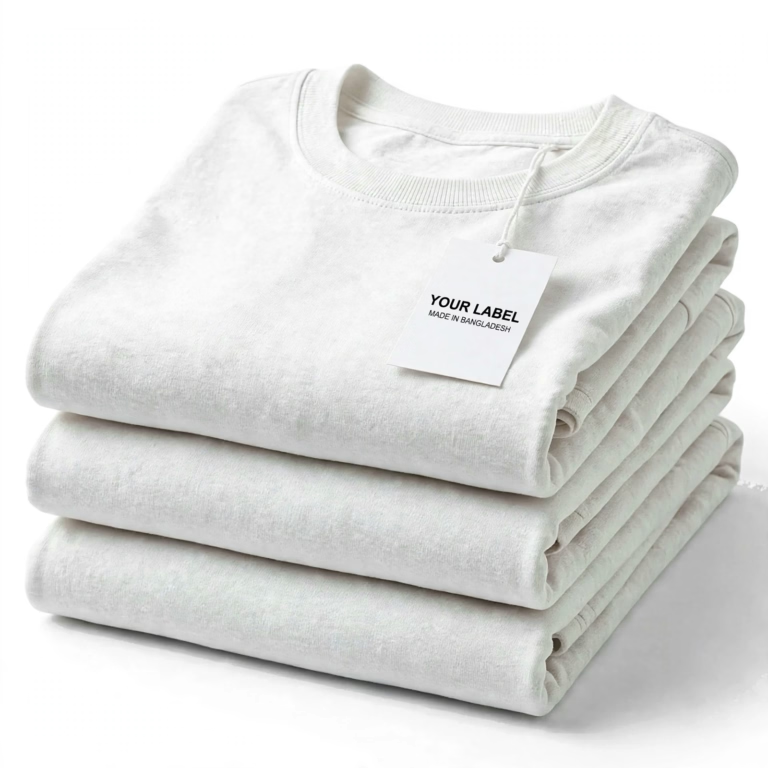
Our t-shirt manufacturer Bangladesh bodies show the standard range; cut and sew is where buyers go when the standard range ends.
The Cut and Sew Process, Stage by Stage
- Pattern engineered for the design, with print placement mapped on it
- Fabric printed or dyed before cutting where the design requires
- Panels cut with print registration checked piece by piece
- Sewing planned so artwork meets correctly at every seam
- First garment assembled and photographed against the design file
- Bulk production with panel level quality checks and photographic stage reports throughout
The critical skill is registration: a design that crosses a side seam must arrive at that seam from both sides at the same point. That is planned at the pattern stage, not hoped for at the sewing stage.
All Over Print and Sublimation Programmes
Sublimation printing on polyester panels is cut and sew’s signature work: photographic, unlimited colour designs printed on flat panels, then cut and sewn so the art wraps the whole garment.
- All over sublimation tees, hoodies and sportswear
- Panel prints for mixed fabric and part print designs
- Colour vibrancy and wash fastness tested on production fabric
- White base discipline, since sublimation shows every fabric flaw
- Design files prepared with seam allowances and bleed handled correctly for every panel
Our sublimation t-shirts manufacturer Bangladesh programme runs this work at volume for sportswear and fashion buyers.
Colour Blocking and Multi Fabric Garments
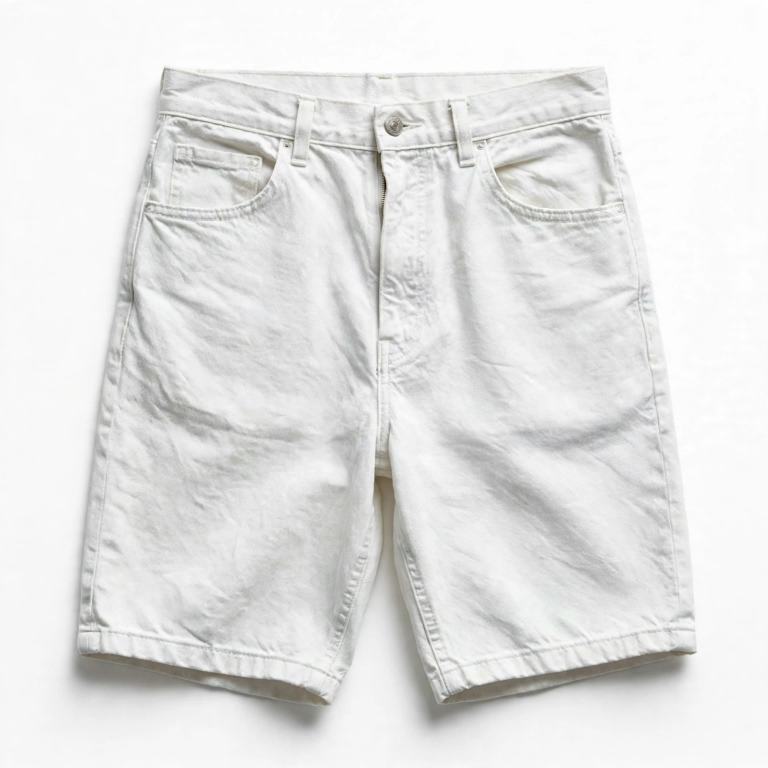
Cut and sew is also the home of the panelled garment: raglan sleeves in contrast fabric, mesh inserts in sportswear, denim and jersey combinations, hoods lined in print. Each fabric in a multi fabric garment is shrinkage and colour matched to the others, because panels that behave differently in the wash tear a design apart slowly.
The matching is tested, not assumed: panels from every fabric in the garment are washed together at sampling, and any difference in shrinkage or shade is corrected in the pattern or the fabric choice before bulk. A blocked garment that twists after three washes was failed at this stage, whatever its sewing quality.
Custom Silhouettes: Beyond the Blank
- Boxy, cropped, longline and asymmetric fashion bodies
- Team and sport jerseys with athletic cuts and inserts
- Cut and sew hoodies and sweatshirts with panelled hoods
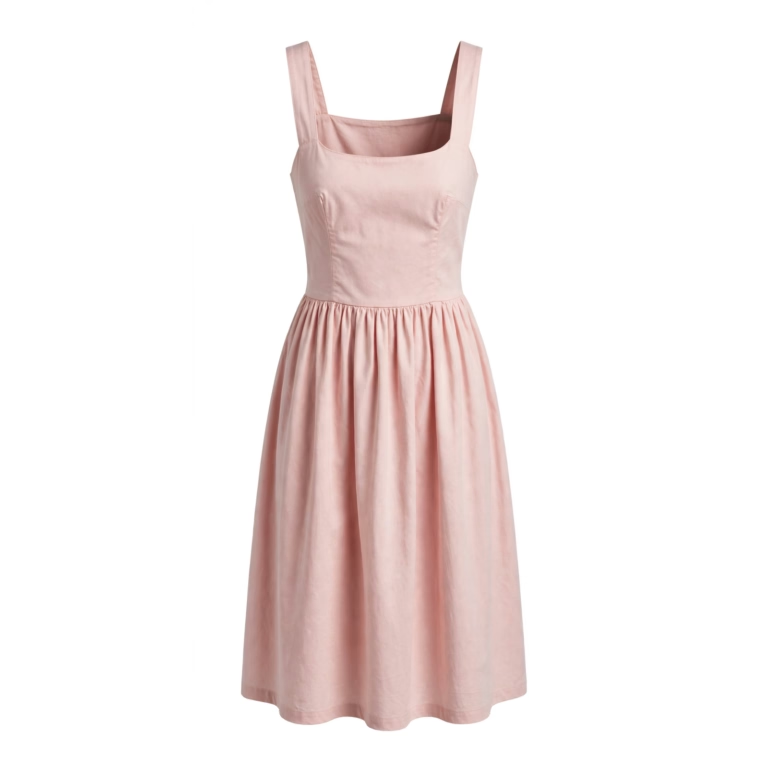
- Dresses and skirts built from printed or blocked panels
- Workwear and uniforms with functional panel engineering
Cut and Sew Exporter From Bangladesh to Design Driven Buyers
Cut and Sew Supplier for USA Streetwear and Sportswear Brands
USA buyers drive cut and sew hardest: streetwear labels with all over graphics, sportswear brands with panelled performance garments, and merch lines whose designs no blank could carry. Artwork engineering and registration discipline are the audited skills.
Cut and Sew Manufacturer for UK and German Fashion Labels
UK and German labels use cut and sew for exclusive silhouettes and fabric stories: panelled dresses, blocked sweatshirts and custom jerseys that competitors cannot copy from a catalogue.
Cut and Sew Exporter Serving Australian and Canadian Buyers
Australian surf and lifestyle brands and Canadian team and outdoor programmes use cut and sew for sublimation and panel work, with opposite and northern seasons both planned into capacity.
Patterns, Grading and Print Maps
Every cut and sew style carries a print map: the pattern pieces drawn with the artwork placed, seam by seam. Buyers approve the map and a first assembled garment before bulk. Grading a printed style is its own craft, since the artwork must sit correctly on every size, not only the sample size, and our grading scales placement deliberately rather than stretching the design.
Fabric Preparation Before the First Cut
Cut and sew quality is decided before cutting begins:
- Printed panels inspected for colour, registration and fabric flaws
- Shrinkage tested per fabric, with patterns compensated accordingly
- Multi fabric panels matched for wash behaviour and shade
- Relaxation time given to knitted fabrics before cutting, as standard practice
- Panel bundles checked so one garment never mixes fabric lots at any stage
A garment built from mismatched panels cannot be rescued by good sewing. The preparation is the quality.
Team Jerseys and Sportswear: Cut and Sew at Work
Sportswear is cut and sew’s most demanding customer: sublimated team jerseys with names and numbers inside the design, panelled training wear with mesh ventilation, and colourways per club or school.
- Full team kits designed as one sublimated system
- Names, numbers and sponsors integrated into the artwork
- Performance fabrics panelled with mesh where the body heats
- Reorders matched for late joiners and replacement players
Our sublimation jersey manufacturer Bangladesh work shows the system on the category that tests it hardest.
Quality Control for Panel Built Garments
- Print registration checked at cutting, assembly and final inspection
- Seam artwork alignment measured on finished garments
- Shade checked across panels under standard light
- Measurements audited to the custom pattern per size
- Wash test on production samples for colour and panel behaviour
- First piece of every size compared with the approved garment before its run proceeds
Costing Cut and Sew: More Stages, Shown Plainly
- Fabric and printing costed per garment at panel consumption
- Pattern and print map development shown as setup, once
- Cutting and sewing priced for the panel complexity involved
- Samples costed per round, with the rounds recommended openly
- Blank comparison quoted where a design could go either way
The last point matters: an honest cut and sew partner will sometimes advise the blank. The advice is free; the trust it builds runs programmes for years.
Hoodies and Sweatshirts Built From Panels
Fleece garments gain the most visible cut and sew advantages: hoods lined with printed jersey, sleeves and bodies in different shades of the same story, kangaroo pockets cut from the design’s feature panel.
- Panelled hoods with printed or contrast linings
- Raglan and set in sleeve constructions in mixed fabrics
- Heavy fleece bodies with jersey or mesh panel inserts
- Drawcords, eyelets and rib colours treated as design elements
A panelled hoodie cannot be mistaken for a decorated blank, which is precisely why fashion buyers pay for the process.
Children’s Cut and Sew: Colour With Care
Children’s panel garments bring the brightest designs in the trade: character free all over prints, blocked play clothes and team kits for schools. Safety rules on cords and small parts apply as hard specifications, print systems are chosen for young skin, and panel fabrics are matched for the roughest wash cycles in clothing.
Sampling Cut and Sew: Judge the Assembled Garment
A cut and sew design cannot be approved from fabric swatches. The sample that matters is the whole garment, assembled, with the artwork crossing its seams exactly as production will run it:
- Print map approved on paper, then proven on the garment
- First sample checked for registration at every seam crossing
- Fit and artwork approved together, since panels carry both
- Corrections made to the map and pattern, never by sewing adjustment
Buyers who approve the assembled sample rarely meet surprises in bulk. Buyers who approve swatches meet them weekly.
Cut and Sew Manufacturing Specification at a Glance
| Method | Garments built from printed, dyed or blocked fabric panels |
| Specialities | All over sublimation, colour blocking, custom silhouettes |
| Registration | Print maps per style, seam matching checked piece by piece |
| Fabrics | Polyester for sublimation, cotton jersey, fleece, mesh, woven |
| Grading | Artwork placement scaled deliberately per size |
| Export markets | USA, UK, Germany, Australia, Canada, Spain |
Questions Cut and Sew Buyers Ask This Bangladesh Manufacturer
How do USA streetwear brands keep all over prints aligned at seams?
Through the print map and panel discipline: artwork is placed on the pattern with the seam lines drawn, panels are cut to registration marks, and the first assembled garment is checked against the design file before bulk. Alignment is engineered, never improvised at the machine. Production machinists work to the same marks, and alignment is one of the measurements in final inspection, not a visual impression.
Can a UK label build a silhouette no blank offers?
Yes. That is the core of cut and sew: the pattern is made for your design, sampled, fitted and graded like any tailored development. The garment exists because your pattern does. Silhouette work is quoted with its sampling rounds stated, because a new body deserves the same honest fitting process as a tailored style.
Does sublimation work on cotton?
Sublimation bonds with polyester, so all over photographic work runs on polyester or high poly blends. Cotton designs use panel printing and pigment or screen methods instead, and we advise per design which route protects the artwork best. Many brands run both: sublimation for the photographic pieces, screen panel prints for the cotton core of the same range.
What artwork files do you need for a cut and sew design?
Vector or high resolution artwork plus the garment idea. Our team builds the print map on the pattern and returns it for approval, so you see exactly where every element falls on every panel before fabric is printed. Files are held under your reference for reorders, and the map is versioned whenever a design changes.
What do Dutch buyers produce through your cut and sew lines?
Panelled fashion jersey, sublimated sportswear and club kits. Dutch buyers supply print ready artwork of high quality and expect the registration to honour it exactly, which is why the print map approval stage exists: both sides see the whole design on the pattern before a metre of fabric is printed. Reorders for club kits run across whole seasons on the same maps.
How does an Australian brand start a cut and sew range?
Send the designs and the garments you imagine through our contact page. We reply with print maps, costings and a first assembled sample for each style, so approval rests on a real garment from the first round.
Read More About Cut and Sew Manufacturing in Bangladesh
Why does cut and sew cost more than printing on blanks, and when is it worth it?
Because every stage is custom: fabric prepared for one design, panels cut for one pattern, sewing planned around one artwork. It is worth it the moment the design is the product: an all over print, a blocked silhouette, a fabric nobody else sells. Where a blank carries the design just as well, we will tell the buyer so. That honesty is deliberate: a brand that trusts the advice buys the expensive process when it matters, season after season.
What is the hardest part of cut and sew production?
Consistency across hundreds of garments of a design that only exists once. Registration, shade and panel behaviour must repeat exactly from the first piece to the last, on work no line has run before. That is a planning discipline more than a sewing one, and it is why cut and sew programmes are quoted and scheduled with more care than blank decoration. It is also why the first garment of each size is kept beside the line as the physical standard until the order closes. The trade sits within Bangladesh’s garment industry, organised through the Bangladesh Garment Manufacturers and Exporters Association.