
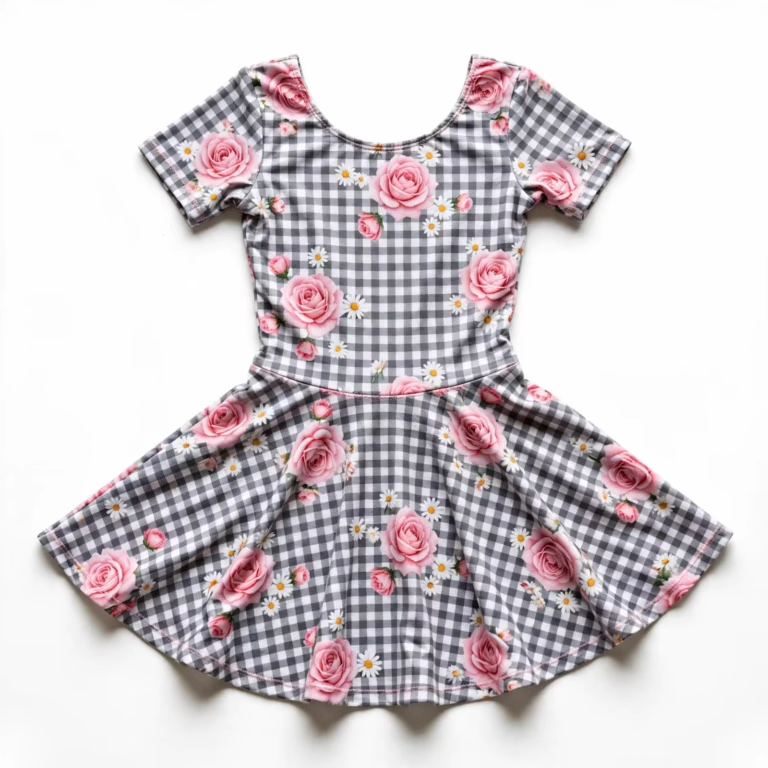
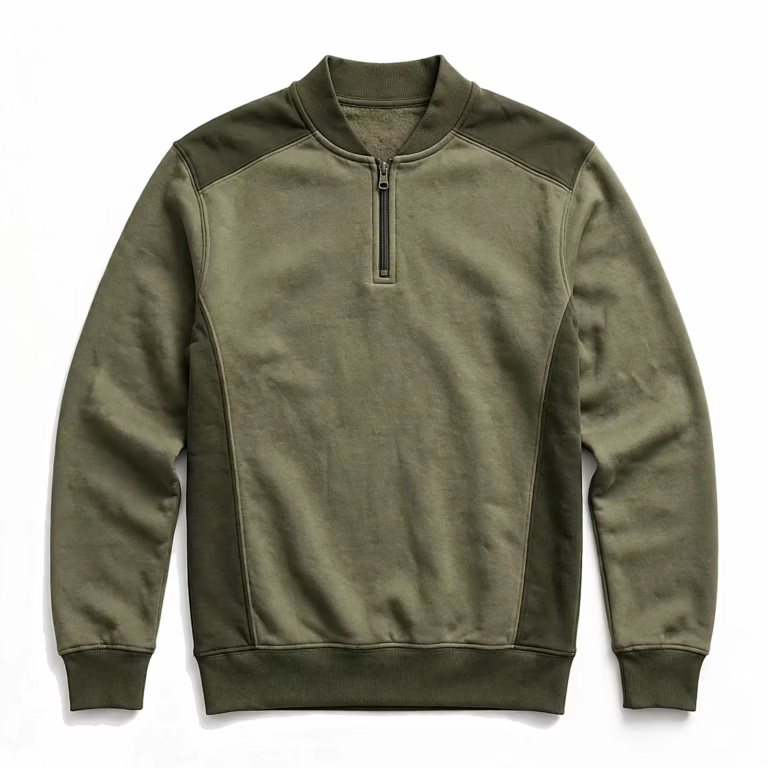
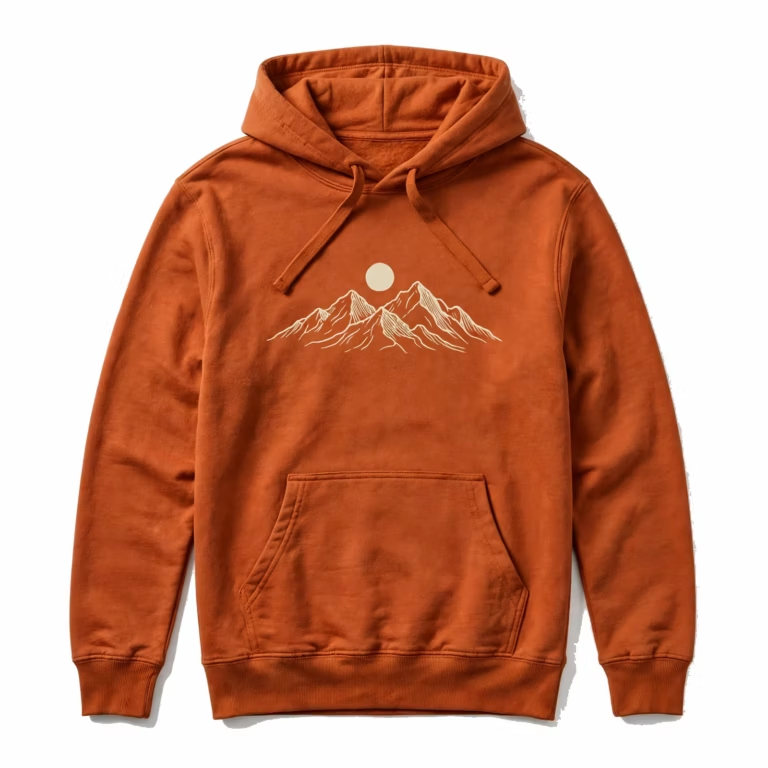
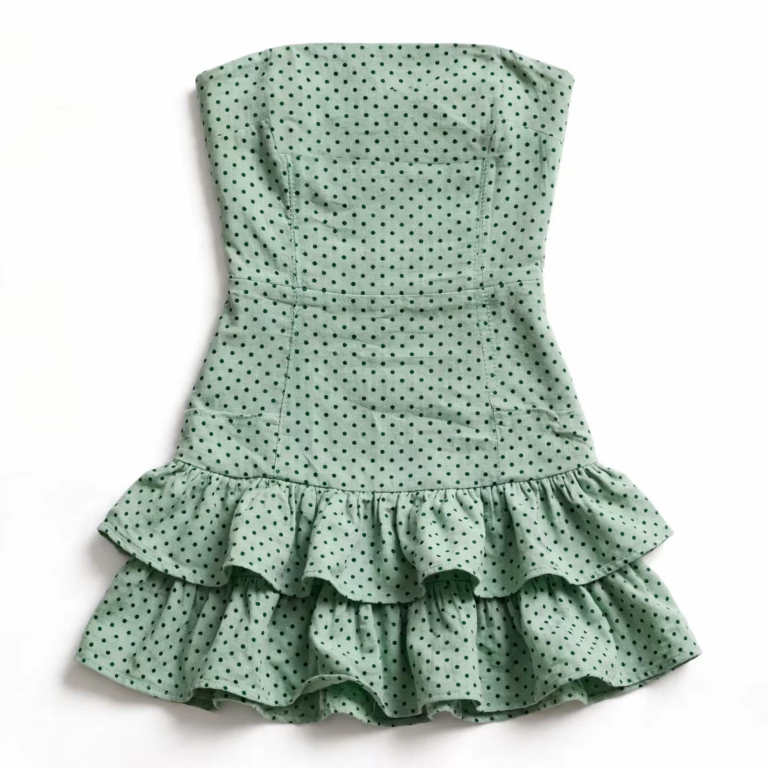
Custom Clothing Manufacturer in Bangladesh Turning Buyers’ Own Designs Into Production for USA, UK and German Brands
Custom clothing begins with a design that exists only in the buyer’s head, on a sketch, or in a tech pack. The manufacturer’s craft is translation: turning that intent into a garment that matches it, at a price the market will carry, in quantities that make sense.
Siatex Bangladesh manufactures custom clothing in Bangladesh for brands, teams, companies and creators: your designs, your fabrics, your prints and embroidery, your labels, made to order on our lines and partner units.
From Design to Garment: The Custom Journey
- Design intake: sketch, tech pack, reference garment or photograph
- Pattern made or adapted, with construction advice where a detail will not sew well
- Fabric and trim sourcing against the design’s intent and budget
- Proto sample, fit sample and pre-production sample in sequence
- Artwork, print and embroidery strike-offs approved before bulk
- Production, inspection and packing under your labels and tickets
Every stage is approved by the buyer in writing or by sealed sample. Nothing proceeds on an assumption, because custom work has no standard to fall back on: the approval is the standard, and it is filed with the design.
Custom Prints: Screen, Digital, Sublimation and More
- Screen printing for bold graphics and volume programmes
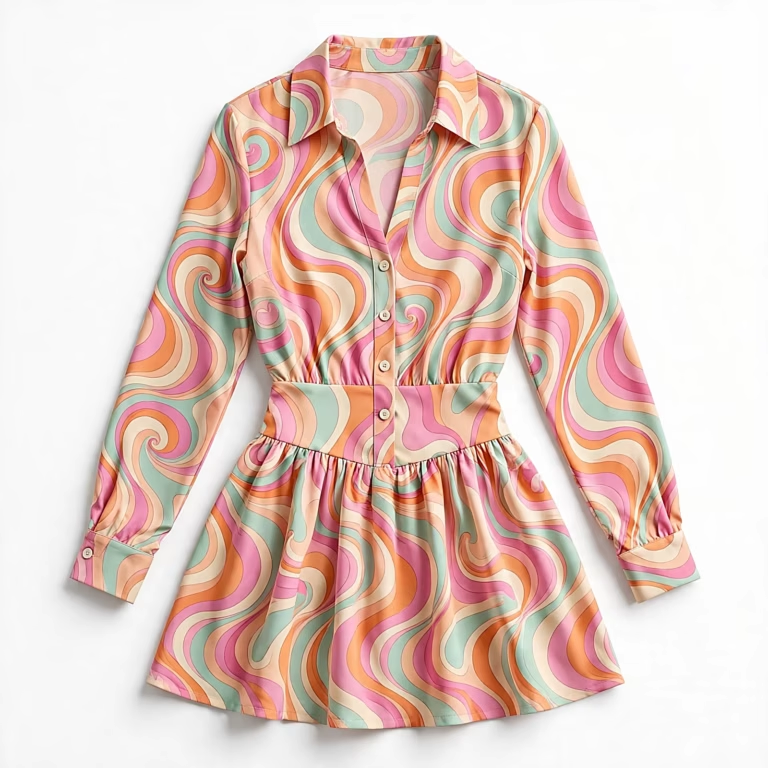
- Digital printing for photographic and many colour artwork
- Sublimation for all over polyester designs, colour that cannot crack
- Puff, foil, glitter and high density effects for fashion statements
- Placement prints positioned per size, not stretched across sizes
- Print durability tested by washing, not assumed
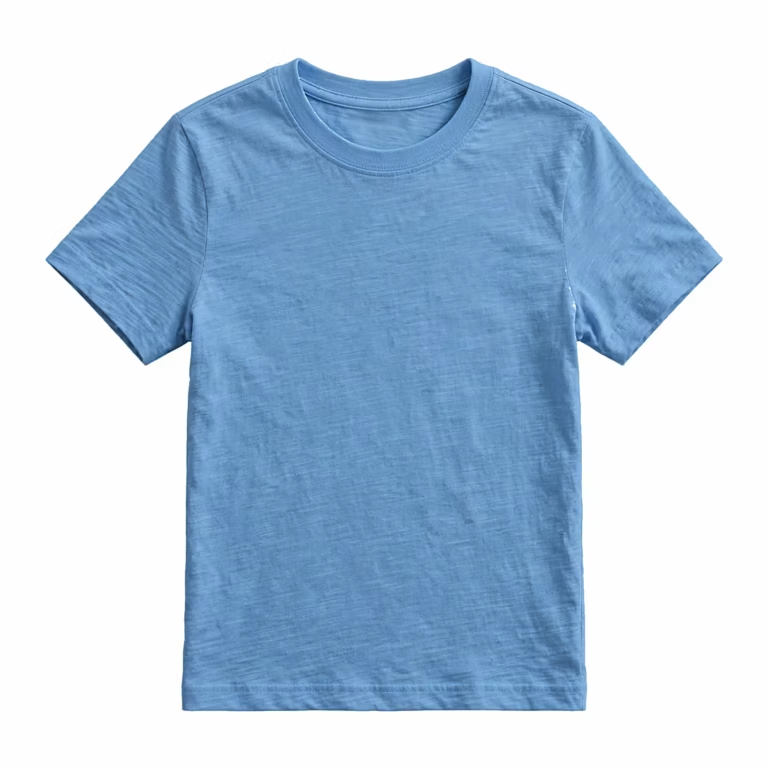
Our custom printed t-shirts manufacturer Bangladesh programme is the most used print entry point, and its standards run across every printed category.
Custom Embroidery and Appliqué
Embroidery is digitised from your artwork, stitched out on the production fabric, and approved as a physical sample. Thread colours are matched to standard charts, stitch density is set for the fabric’s weight, and backing is chosen so the design sits flat after washing.
- Chest logos, sleeve marks and large back designs
- 3D puff embroidery for caps and fashion pieces
- Appliqué with fabric, felt and twill letters
- Names and numbers for team and event programmes
- Embroidery combined with print on statement garments
Custom Fabrics and Colours
Custom clothing often needs custom cloth: a colour dyed to your standard, a stripe knitted to your design, a print developed from your artwork.
- Lab dips and strike-offs approved before bulk dyeing or printing
- Custom stripes, jacquards and yarn dyes developed on the knit lines
- Fabric composition and weight built to your specification
- Colour standards retained for reorders across years
- Wash and hand feel finished to the approved sample
Your Labels, Your Packaging, Your Brand
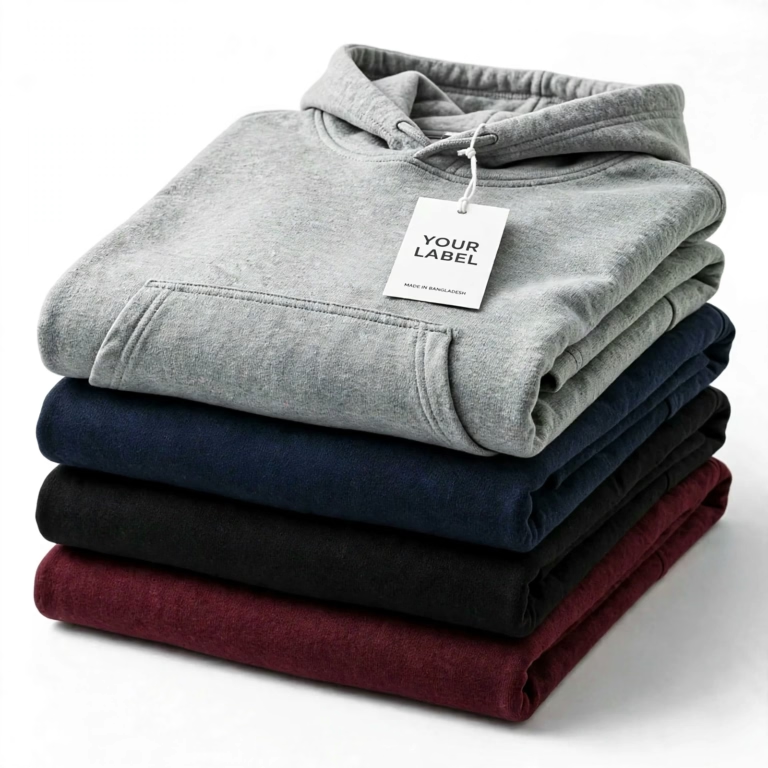
Custom work is invisible as ours and visible as yours: woven main labels with your name, printed size and care labels to your markets’ legal requirements, hang tags, polybags and cartons carrying your identity. Our private label clothing manufacturer service supplies the full branding kit where a buyer wants it designed for them.
Custom Clothing Exporter From Bangladesh to Design Led Buyers
Custom Clothing Supplier for USA Brands and Creators
USA buyers bring the widest custom spread: brand launches, merch lines, team and event programmes, and boutique ranges. The common thread is artwork: prints and embroidery approved fast and reproduced faithfully at volume.
Custom Clothing Manufacturer for UK and German Fashion Labels
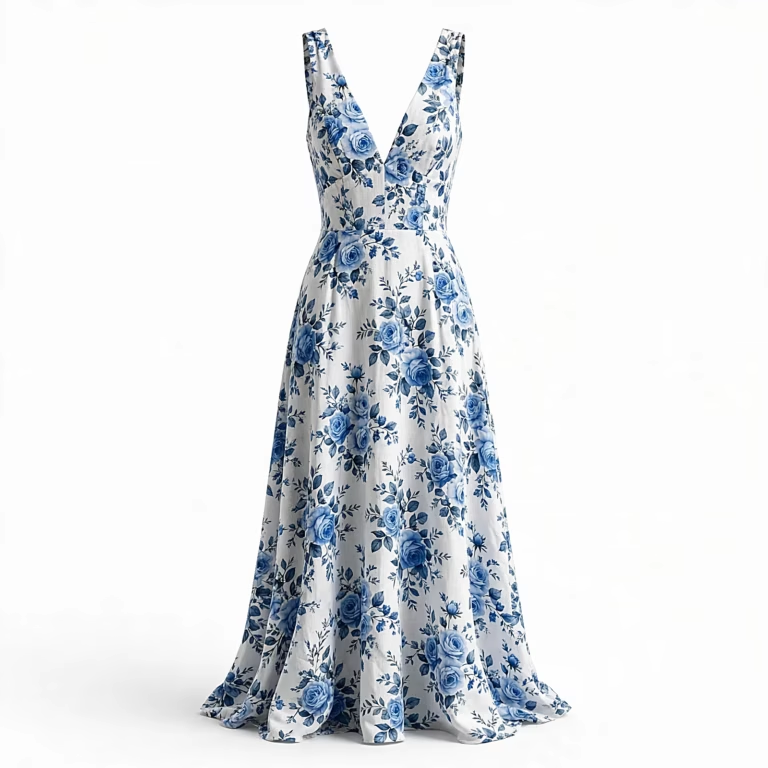
UK and German labels use custom production for their own designs across categories: dresses, knitwear, jersey and denim, each with exclusive fabrics and prints. Tech pack discipline is high, and our pattern and sampling system is built to match it.
Custom Clothing Exporter Serving Australian and Canadian Buyers
Australian and Canadian buyers customise for local identity: surf, outdoor, work and community programmes with designs that would not exist in a stock catalogue. Opposite and northern seasons both run on planned calendars.
Sampling Honestly: What Custom Buyers Should Expect
A first sample rarely matches a design perfectly, and a manufacturer who promises otherwise is selling, not sampling. Our process prices and schedules the normal rounds openly: proto for construction, fit for the body, pre-production for the final truth. Buyers who plan two rounds get garments that match their intent; buyers promised one round get surprises.
Each round closes with written comments tied to photographs, so the next sample answers specific points rather than general impressions. That discipline sounds slow and is actually the fastest route to a garment the buyer can approve with confidence.
Custom Uniforms, Teamwear and Merchandise Lines
Custom production serves organised buyers as well as fashion brands:
- Team kits with names, numbers and sponsor artwork placed per player
- Company clothing with embroidered identity across categories
- Event and tour merchandise built to a fixed date
- Creator and influencer merch lines with retail grade finishing
- School and club programmes renewed season after season
These programmes value reliability over novelty: the same design, the same colours, delivered identically year after year. Standards are filed so a reorder is a repetition, not a reinterpretation.
Quality Control When Every Design Is New
Custom work cannot lean on a running line’s habits. Each design carries its own checks:
- First piece off the line compared with the sealed sample before bulk proceeds
- Print and embroidery placement measured per size against the artwork
- Colour matching checked across all components of a garment
- Measurements audited to the custom pattern’s own specification
- Final inspection against photographs of the approved sample
Costing Custom Work: Development Is Part of the Price
Honest custom costing shows its parts:
- Pattern and sampling work identified separately from unit price
- Print screens, embroidery digitising and strike-offs itemised
- Fabric development minimums explained before commitment
- Unit price broken into fabric, decoration, making and branding
- Reorder pricing shown without the one time development costs
The first order of a custom design always carries development. A supplier who hides it in the unit price charges you for it on every reorder instead.
The Small Details That Decide Custom Quality
Custom garments are judged at the details a stock garment standardises away:
- Thread colour matched to fabric, not approximated from stock
- Buttons, zips and drawcord ends chosen as design elements
- Inside finishing clean enough to carry an unlined design
- Print hand feel balanced against coverage, so art does not armour the chest
- Embroidery backing invisible from outside and soft inside
- Labels placed where the design wants them, within legal requirements
These details are specified in the tech pack or settled at sampling, and then held. A custom garment that drifts in its details is no longer the design that was approved.
Reorders: Keeping Your Design Alive
A custom design’s file is its memory: pattern, fabric standard, artwork, print screens or files, embroidery programs, colour standards and packing specification, all retained under your reference.
- Reorders produced against the file, not from a remembered sample
- Fabric and colour rematched to the retained standards
- Design changes versioned, so old and new never mix in a shipment
- Seasonal colourways added without rebuilding the design
Custom Denim and Custom Knitwear
Two categories reward custom development most. Custom denim lets a brand own its wash: base fabric, wash recipe, distressing and tint developed to a standard only that brand sells. Custom knitwear lets a brand own its cloth: stripes, jacquards and textures knitted to design rather than chosen from a merchant’s shelf.
- Denim washes developed and recorded as repeatable recipes
- Knitted designs engineered stitch by stitch from artwork
- Both held as the buyer’s standards for future seasons
- Sampling on the same units that will produce the bulk
Made for the Camera: Custom Clothing in the Online Era
Most custom clothing is now sold from photographs before it is touched. Production keeps that in view: prints aligned so they photograph centred, colours matched under daylight and screen alike, and garments finished and steamed so the sample a buyer photographs is the garment the customer receives.
For online sellers we also supply the practical details product pages need: exact composition, measured sizes and care behaviour, gathered during production rather than guessed afterwards.
Your Designs Stay Yours
Custom work runs on trust with artwork and ideas. Buyer designs, artwork files, patterns and developments are held for that buyer alone: not shown to other customers, not produced for anyone else, and not used in our own marketing without permission. Exclusive fabrics and prints developed for a buyer are treated the same way. The file that makes reorders easy is also access controlled for the same reason.
Custom Clothing Manufacturing Specification at a Glance
| Input | Tech pack, sketch, reference garment or photograph |
| Decoration | Screen, digital, sublimation print, embroidery, appliqué |
| Fabrics | Custom dyed, striped, printed and knitted to specification |
| Branding | Your woven labels, care labels, tags and packaging |
| Sampling | Proto, fit and pre-production rounds, sealed approvals |
| Export markets | USA, UK, Germany, Australia, Canada, France, Netherlands |
Questions Custom Buyers Ask This Bangladesh Manufacturer
How do USA creators turn artwork into a first custom run?
Send the artwork and the garment you imagine it on. We advise on print method for the design and fabric, produce strike-offs and a finished sample, and cost the run at your quantities before you commit to bulk. First time creators receive the sampling plan in writing, with each round’s purpose and cost stated before it begins.
Can a UK label develop an exclusive fabric with you?
Yes. Colour, stripe, jacquard and print developments are routine, approved through lab dips and strike-offs, and held as your standard for reorders. The development is documented so the fabric can be remade identically. Development timelines are quoted per fabric type before work begins, since a knitted jacquard and a dyed plain do not live on the same clock.
What file quality do you need for embroidery?
Vector artwork is ideal, but clean high resolution images digitise well too. We return a stitched sample on your fabric for approval, because embroidery quality is judged in thread, not on screen. Small text and fine detail are advised on honestly at digitising, since thread has a minimum readable size that no machine can cheat.
Do you accept a reference garment instead of a tech pack?
Yes. Many custom programmes start from a garment the buyer loves. We measure, analyse construction and fabrics, and build the pattern and specification from it, improving where you ask us to. The analysis is shared with you in writing, so the new specification is a document, not a memory.
What do Dutch buyers develop through your custom lines?
Private label ranges with exclusive prints, team and club programmes, and custom knitwear for the winter season. Dutch buyers are direct about sampling: they would rather fund two honest rounds than receive one flattering sample that bulk cannot repeat, which matches how our sampling is priced and reported.
How does an Australian buyer start a custom range?
Send the designs, sketches or references through our contact page. We reply with a sampling plan, costings and the honest rounds your range will need, in writing, before any sampling charge applies.
Read More About Custom Clothing Manufacturing in Bangladesh
Why is translation the custom manufacturer’s real skill?
Because designs arrive as intent, and garments are physics. A sleeve drawn slim must still move; a print placed across a seam must still match; a fabric imagined soft must survive washing. The manufacturer’s value is knowing which intentions survive production unchanged, which need a small adaptation, and saying so before the sample proves it expensively. Buyers feel the difference in their returns rate and in how few of their designs die at the sampling stage.
What separates custom from private label?
Private label puts your name on proven designs; custom builds your design from the pattern up. Many buyers run both: private label for the dependable core, custom for the pieces that make the range theirs. The two programmes share our sampling, quality and labelling systems, so a range can mix both without the customer ever seeing a seam between them. Bangladesh’s factories serve both models at scale, coordinated through the Bangladesh Garment Manufacturers and Exporters Association.