
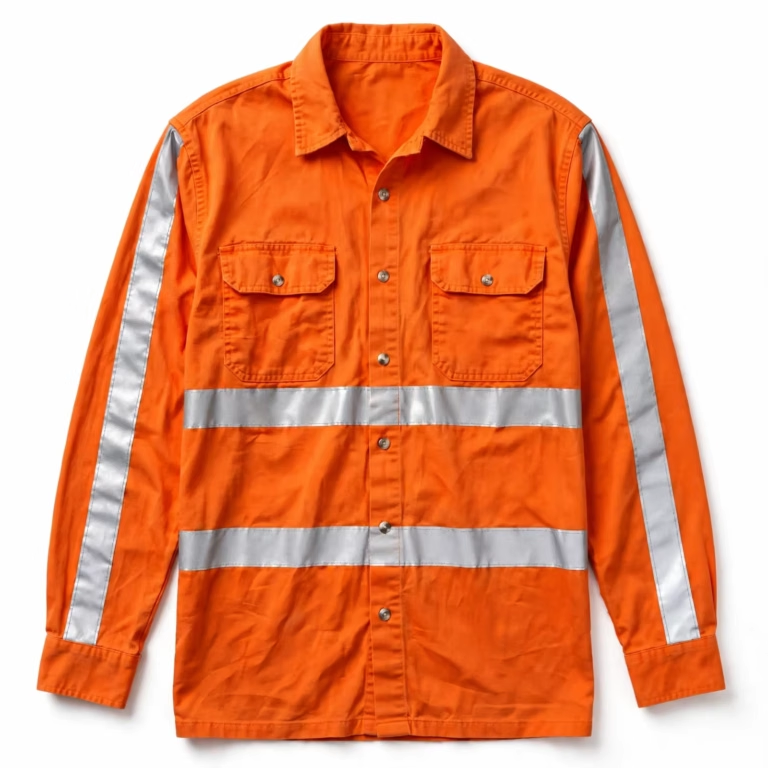
Wholesale Workwear Lithuania – Manufacturer in Bangladesh for Lithuanian Industrial and Logistics Buyers
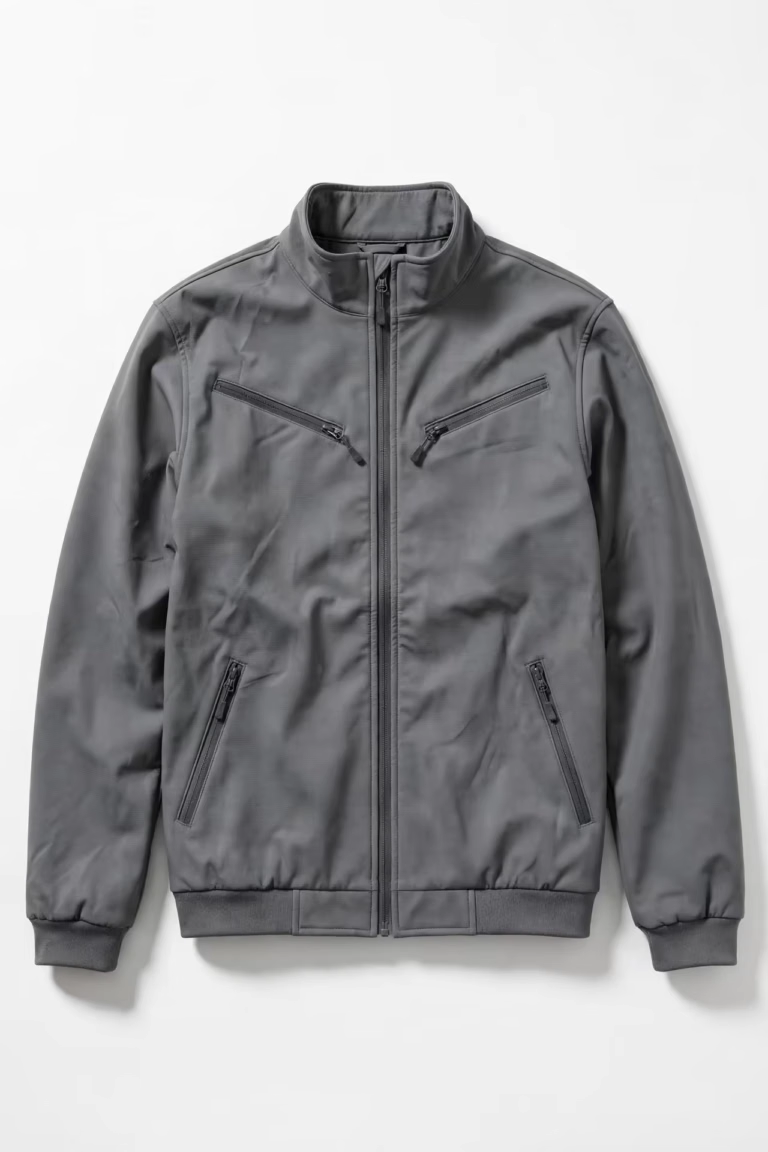
Siatex Bangladesh supplies wholesale workwear Lithuania programmes for industrial uniform companies, logistics operators and workwear retailers that source jackets, trousers and layered work clothing from Bangladesh. The grey softshell work jacket on this page shows the standard: a water-resistant woven face over warm fleece, a full front zip, stand collar and zip pockets, built for Baltic working weather.
This page explains the programme: the cloth systems, the sizes, the branding and the way an order runs from your specification to cartons leaving Bangladesh for Lithuania.
Materials: Three-layer softshell with fleece backing, plus drill, fleece and padded workwear cloth systems for full crew kits.
Functionality: Wind and shower resistance for outdoor work, warmth without bulk, zip pockets that keep tools and documents secure.
Size: XS to 4XL across men’s and women’s work blocks, graded for layering over base garments.
Customisation: Company logo embroidery or print, reflective tape options, your labels and crew packing splits.
Get Price: Send your specification, size curve and layering needs through the inquiry form on this page and the merchandising team replies with a full quotation.
Why Lithuanian Buyers Source Workwear from Bangladesh
Lithuania’s workwear demand is driven by logistics, manufacturing, construction and a port economy that works outdoors in every season. The Baltic working year runs from summer rain to deep winter, so buyers need layered systems rather than single garments: base layers, fleece, softshell and padded outerwear that share colours and standards. Bangladesh produces that whole system in one programme, which is why this wholesale workwear Lithuania range is built as layers, not items.
- Layered systems: base, fleece, softshell and padded outerwear
- Softshell with fleece backing for wind, showers and cold
- Colours and standards shared across every layer
- Crew kits packed by site, team or size run
A layered programme is judged on how the pieces work together in February, not on how one jacket looks in a showroom in June.
Workwear Supplier in Bangladesh – The Softshell Standard
The jacket pictured here is the programme’s reference outer layer: three-layer softshell, smooth water-resistant face, warm fleece inside, stand collar, two zip chest pockets and two zip side pockets. Sleeves hang straight to the wrist with clean cuffs, and the hem sits elasticated against the wind. Buyers comparing wider ranges usually review the t-shirts and workwear collections first, then fix their layer system.
Softshell quality shows in the bond: face, membrane and fleece must stay laminated through washing and work. Samples are wash-tested before approval, and zips are cycle-tested, because a failed zip in winter is a failed jacket.
Workwear Exporter in Bangladesh for Baltic Programmes
From Bangladesh, cartons for Lithuania are packed for European distribution: by size run for retailers, or split by site and team for employers issuing directly. Packing lists mirror the split carton by carton, so a Vilnius warehouse can forward stock to regional sites without re-sorting.
Programmes run on seasonal cycles: autumn outerwear issues, spring refreshes, new-site openings. Your cloth systems, colour standards and blocks stay on file, so each season starts from approval rather than sampling.
Branding, Tape and Crew Identity
Baltic workwear carries company identity clearly: chest logos, back prints on outer layers, reflective tape where night and roadside work demands it. Positions are set on the sample so branding never fights a zip or a seam. Buyers shaping a full uniform identity often review the options on our custom t-shirt manufacturer from Bangladesh page before fixing theirs.
- Chest embroidery and back print on outer layers
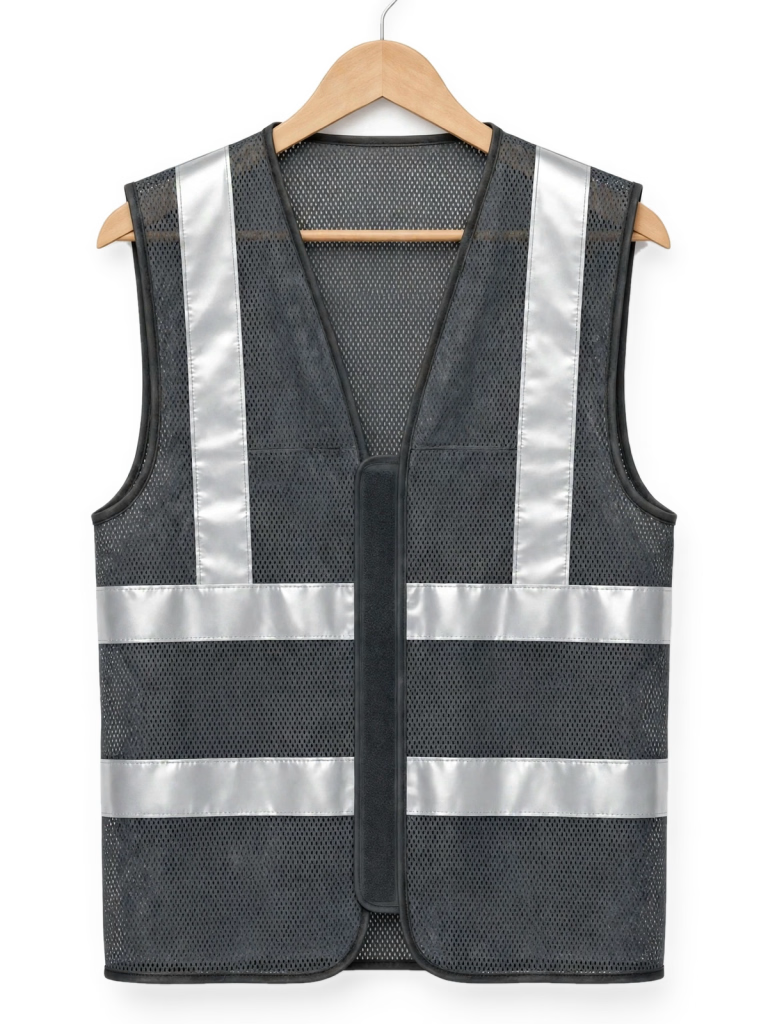
- Reflective tape options for night and roadside crews
- Woven neck labels with your company or brand
- Packing split by site, team or size run
- Layer colours matched across the whole system
Sizes, Fits and the Layer System
Work blocks are cut for movement and for layering: a softshell must fit over a fleece without binding at the shoulder. The range around this jacket covers work trousers, fleece mid-layers, padded winter jackets and base tees on the same colour standards.
| Style | Softshell work jacket, full zip, stand collar, fleece backed |
|---|---|
| Fabric | Three-layer softshell; drill, fleece and padded systems |
| Colour | Grey lead colour, buyer colourways across the range |
| Sizes | XS to 4XL, men’s and women’s work blocks |
| Pockets | Two zip chest pockets, two zip side pockets |
| Fit | Layering work fit, wrist-length sleeves, elastic hem |
| Packaging | Retail size runs or site and team splits |
| Use | Logistics, manufacturing, construction, port work |
Size curves follow your workforce data: logistics and manufacturing issues run wide across the middle sizes, and the packing list mirrors that curve exactly.
Workwear Factory in Bangladesh for Latvian Industrial Buyers
Latvian industrial buyers run the same layered programme, in the same Baltic weather and with the same expectation that one system covers the working year. Sharing standards across both markets keeps a regional supplier’s stock identical in Riga and Vilnius, produced from the same stored patterns and checked the same way.
How a Lithuania Order Runs, Step by Step
Every order follows the same visible path, first programme or standing repeat.
- Inquiry with specification, sizes and layer needs, answered with a full quotation
- Pre-production sample in the production cloth system, wash-tested
- Bulk production on the approved cloth, blocks and branding
- Inline and final quality checks against the approved sample
- Size-run or site-split packing and shipment from Bangladesh
Buyers who also stock base layers and casual crew wear often combine the shipment with blanks from our blank t-shirt wholesale supplier Italy range, packed and documented to the same standard.
Where This Workwear Works in Lithuania
Vilnius
The capital holds the country’s logistics hubs, manufacturing and public-sector employers. Layered workwear programmes anchor demand here, issued by team and refreshed by season.
Kaunas
Kaunas runs warehousing, transport and industry along the central corridor. Orders favour softshell and fleece systems that move between indoor loading and outdoor yards all day.
Klaipeda
The port city works outdoors in sea wind and rain: outer layers here are specified hardest, with shower resistance and secure zip pockets judged first.
Checks That Protect a Layered Workwear Programme
Layered workwear is checked as a system: lamination after washing, zip function, seam strength, colour match across layers, and measurements on every size.
- Softshell lamination checked after wash testing
- Zips cycle-tested on samples and batch checks
- Colour compared across layers under daylight-balanced light
- Measurements audited across the full size curve
- Carton samples pulled before sealing and dispatch
Workwear Maker in Bangladesh for Polish Industrial Programmes
Polish industrial buyers run large workwear programmes on the same standards, usually with heavier winter specification. Sharing one programme across the region keeps a multinational employer’s crews dressed identically from Gdansk to Klaipeda. Buyers comparing casual uniform options also review our custom embossing t-shirt manufacturer in Bangladesh line alongside the workwear range.
Programmes That Run Season After Season
The strongest reason to hold a layered programme with one supplier is the calendar. Autumn comes every year; the outerwear issue must match last year’s mid-layers and next year’s refresh. Because your cloth systems, colour standards and blocks stay on file, each season’s order is a continuation, not a restart. That continuity is what turns workwear purchasing into a system an employer can plan around.
If printed crew tees join the programme later, the dryblend unisex printed t-shirt line pairs with this workwear in the same shipment and under the same checking discipline.
Trade buyers verifying our export standing can review Bangladesh’s garment sector through the International Trade Centre, which tracks the country’s apparel exports and buyer programmes.
Winter Specification and Padded Options
When the Baltic winter settles in, the softshell becomes a mid-layer and the programme’s padded jackets take the outside. Padded work jackets on this programme share the softshell’s colours and blocks, with insulation weights chosen by working pattern: lighter padding for active outdoor work, heavier for static posts and night shifts. Hoods, storm cuffs and longer backs are specified per role, not per fashion.
The discipline that matters is matching: a padded jacket bought this winter must zip, layer and colour-match with the fleece issued last autumn. Because the patterns and colour standards are stored together, that matching is automatic. Buyers planning winter issues usually confirm insulation weights at the summer order, so sampling and approval finish before the season turns.
- Padded jackets sharing colours and blocks with mid-layers
- Insulation weights set by working pattern and shift type
- Hoods, storm cuffs and longer backs specified per role
- Winter sampling finished in summer, before the season turns
Fleece Mid-Layers and Base Garments
Under every outer layer sits the part of the system workers wear most: fleece mid-layers indoors and in mild weather, base tees and long-sleeve tops against the skin. Fleece on this programme is anti-pill finished and cut to sit under the softshell without bunching at the sleeve. Base garments use the same colour standards, so a crew in base layers still reads as one uniform team.
Ordering the full system together also fixes the fit logic: each layer is graded against the one below it, so a worker’s size is the same letter on every garment. That single detail removes the most common issue-day problem in layered uniforms, the box of jackets that fit nobody because the layers were graded by different hands.
One practical note on timing: Baltic employers plan uniform issues around the working calendar, with the biggest issues landing before autumn. This programme is quoted with sampling and production as separate stated stages, so a buyer can count backwards from an issue date and see exactly where the order must be confirmed. Repeat orders skip the sampling stage entirely, running straight from the stored file, which is where the calendar is won back.
That stored file is the real product of a first order: cloth systems, colour masters, graded blocks for every layer, branding positions and packing splits, all recorded once. Every later conversation starts from it, in any season, for any site your company opens.
It also protects you against the quiet drift that ruins long programmes: a shade changed by a new dye lot, a block adjusted by a new pattern hand, a zip swapped by a purchasing change. Each of those is checked against the file before production, not discovered by your crews after delivery. Workwear is worn in public, in front of your customers; the file is what keeps it worthy of your name, order after order, year after year.
New buyers sometimes ask why a first order carries a sampling stage at all, when the garments look standard. The answer is in the layering: a softshell is only standard when it fits over your fleece, in your colours, with your branding placed clear of its zips. Sampling is where those three facts are proven together, once, so that no bulk order ever has to argue about them again, in this season or in any season that follows it on your sites, for any crew your company fields across the country and the wider region, in summer rain, autumn wind or the deep cold of a Baltic winter, on day shifts and night shifts alike, all year round, in every working week of every year the programme runs for you and your people, without exception or drift, ever, at all.
Questions Lithuania Buyers Ask Us
Can you supply a full layered workwear system, not just jackets? Yes. This wholesale workwear Lithuania programme covers base layers, fleece, softshell and padded outerwear plus work trousers, all on shared colour standards.
Will the softshell stay bonded after washing? Yes. Lamination is wash-tested at sample stage and checked again on production batches, because delamination is the failure this garment type is judged on.
Can cartons be split by site or team? Yes. Packing follows your issue structure, and the packing list mirrors the split carton by carton for direct distribution.
Can Latvian buyers use the same wholesale workwear Lithuania programme standards? Yes. Latvian industrial buyers run this same layered programme; the cloth systems, checks and colour standards are shared across both markets.