
Top Bangladesh Made T-Shirt Importers in Russia
Russian importers who build a t-shirt programme on Bangladesh supply usually arrive with the same starting point: a garment they already sell, a price band they must defend, a customer who expects consistency, and a season that will not wait for slow decisions or answers.
This guide ranks the Top Bangladesh Made T-Shirt Importers in Russia by the factories behind the trade, because an importer is only ever as reliable as the sewing floor that cuts, stitches, checks and packs the shirts it brings into its own market each season.
Every factory named here earns its place from published information about its own range, its production base and the markets it already serves, read carefully and written plainly, with no invented figures, no borrowed claims and no rankings bought or traded for favours.
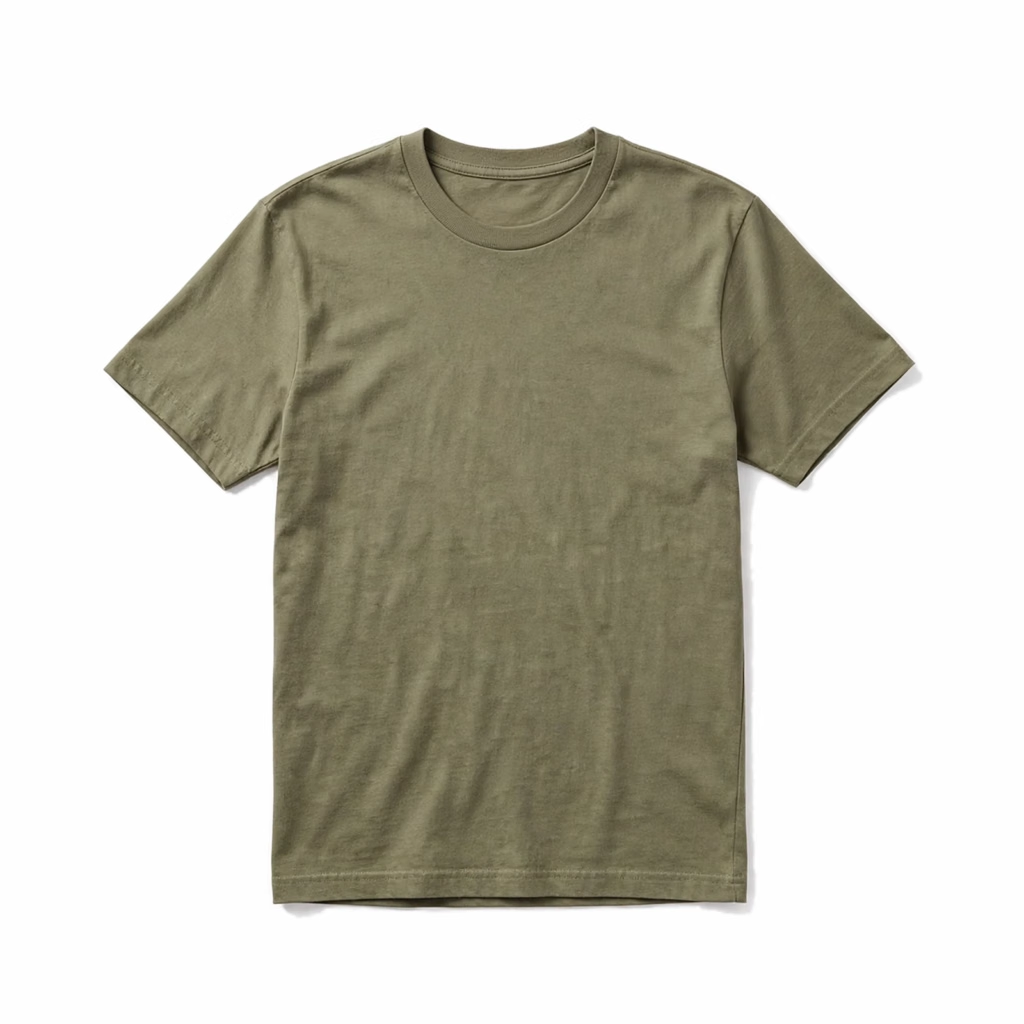
How This Ranking of Bangladesh T-Shirt Suppliers for Russia Was Built
Russian importers who build a t-shirt programme on Bangladesh supply usually arrive with the same starting point: a garment they already sell, a price band they must defend, a customer who expects consistency, and a season that will not wait for slow decisions or answers.
This guide ranks the Top Bangladesh Made T-Shirt Importers in Russia by the factories behind the trade, because an importer is only ever as reliable as the sewing floor that cuts, stitches, checks and packs the shirts it brings into its own market each season.
Every factory named here earns its place from published information about its own range, its production base and the markets it already serves, read carefully and written plainly, with no invented figures, no borrowed claims and no rankings bought or traded for favours.
Siatex stands first on the list because its whole way of working is built around the importer: your specification, your artwork, your label, sampled first and approved by you before a single bulk carton is sewn, checked or packed for your programme.
Read the profiles with your own range in mind, because the factory that suits a national chain buying plain basics by the container may be entirely wrong for a regional label building a printed programme in smaller, faster turns. That discipline saves money later.
The Ten Suppliers at a Glance
The table below lines the ten factories up side by side, so an importer can see at once where each one is based, how its supply route is organised, what it actually makes, and the kind of programme it suits best in practice.
| Factory | Base | Route | What they supply | Best for |
|---|---|---|---|---|
| Siatex | Bangladesh | Made to order for importers | Custom t-shirts to the buyer specification | Importers building their own label programme |
| DBL Group | Gazipur | Vertical knit composite | Knit apparel including t-shirts | Large brand programmes with set standards |
| Square Fashions | Square Group, Bangladesh | Vertical knit production | T-shirts, polo shirts and knit apparel | Retail ranges across several knit categories |
| Viyellatex Group | Tongi, Gazipur | Knit and woven group | Knitwear and woven apparel | Buyers mixing knit and woven orders |
| Urmi Group | Sreepur, Gazipur | Vertical knit composite | T-shirts, polo shirts and knitwear | High street and sports retail programmes |
| Epyllion Group | Bangladesh | Knitwear exporter | Knit apparel for international brands | European and American brand ranges |
| Palmal Group | Bangladesh | Vertically integrated knitwear | Men t-shirts, polo shirts and knitwear | Big multi factory programmes |
| Fakir Fashion | Rupganj, Narayanganj | Vertical knit composite | T-shirts, polo shirts and tank tops | Knit basics in steady repeat ranges |
| Ananta Group | Gazipur and Narayanganj | Apparel group production | T-shirts within a wide apparel range | Mixed ranges for large retail buyers |
| Noman Group | Bangladesh | Vertical textile group | Garments from its own textiles | Buyers wanting cloth and garments together |
Read the table as a map rather than a verdict: the right factory for a chain store basics range is rarely the right factory for a small label building its first printed programme, and the profiles below explain where each route earns its keep.
1. Siatex: The Made to Order Route for Importers in Russia
Siatex is a custom t-shirt manufacturer in Bangladesh that works in one way only: nothing is kept ready-made, and every order is manufactured to the importing buyer’s own specification, fabric, artwork and measurement chart from the very first sample onward.
A Russian importer working with Siatex sends its own tech pack, its own print artwork and its own label design, then receives a sample made exactly to that specification, checks it in hand, and approves it before bulk production begins.
That is why this ranking of Top Bangladesh Made T-Shirt Importers in Russia places Siatex first: the route is built for importers who sell under their own name and cannot accept a garment designed for somebody else’s range, label or size chart.
The same route covers plain basics for chain retail, printed shirts for online sellers and promotional ranges for distributors, because the garment is always built around the buyer document rather than pulled from a shelf of finished goods waiting for a buyer.
Importers comparing routes can read how the factory presents its core range on its t-shirt manufacturer in Bangladesh page, then judge the sampling route described here against the programme they actually need to place this season. Judge every route by that test.
The Manufacturing Route Behind the Siatex Profile
Production follows the approved sample in every detail: the same cloth and weight, the same print position and colours, the same graded sizes on the buyer measurement chart, and the buyer’s own woven label sewn inside the back neck of every shirt.
Cartons are packed to the buyer ratio and labelling instructions, so the goods arrive ready for the importer’s own warehouse routine, and the companion guide to the top t-shirt importers in the USA from Bangladesh shows the same made to order route serving another market.
2. DBL Group: A Vertical Knit Composite in Gazipur
DBL Group began in 1991 as Dulal Brothers and grew into one of the best known knit exporters in Bangladesh, running a vertical composite operation in Gazipur that carries fabric and garment production together under one group roof. That history matters to careful buyers.
Its published client lists include international names such as Puma, Esprit, G-Star and the George range at Walmart, which tells an importer the group is used to working inside strict brand standards, audit routines and formal approval systems. Standards are checked, not assumed, there.
T-shirts sit inside a wider knit apparel range at DBL, so the group suits buyers whose programmes run at brand scale, with formal compliance paperwork and long planning horizons rather than short seasonal turns or experimental first orders. Planning there runs in seasons, not weeks.
An importer weighing DBL should expect a structured merchandising process, set product categories and the pace of a very large organisation, which rewards buyers who arrive with complete documents, stable repeat styles and realistic expectations about lead planning. Documents decide how smoothly it runs.
3. Square Fashions: Knit Apparel From the Square Group
Square Fashions is the apparel arm of the Square Group and has been in production since 2002, making knit apparel that includes t-shirts, polo shirts, tank tops and a broad spread of other knitted garments for export buyers. Its parent group needs little introduction.
The company also produces circular knit fabric within its own setup, which gives its garment lines a direct line back to the knitting stage and helps explain the consistency across shades and weights that its retail customers look for. Buyers notice that consistency very quickly.
Its range reaches from basics to hooded jackets, cardigans, sportswear, underwear and kidswear, so a buyer can place several knit categories with one supplier instead of splitting a range across many smaller factories and several sampling rounds. One sampling round can cover several categories.
For a Russian importer, Square reads as a range supplier: strongest where the programme spans several knit products at once, and worth comparing carefully where the order is one t-shirt style, in one colour, and nothing else beside it. Range breadth is its real strength.
4. Viyellatex Group: Knit and Woven Under One Roof
Viyellatex Group began in 1996 and is based at Tongi in Gazipur, where it has grown into a group spanning knit and woven apparel production alongside its textile operations and its own fabric development work. Its growth has been steady rather than sudden.
Published buyer lists for the group include Puma, Ralph Lauren, Marks & Spencer, Timberland and Dickies, a spread that shows its lines serving both sports and high street programmes at the same time without confusing the two. That spread is unusual and useful.
T-shirts form part of its knit side, while the woven side gives a buyer room to add shirts or bottoms to the same relationship when a range grows beyond its first category and into a fuller store programme. Growth room is built into the relationship.
Importers who expect a programme to widen over time often shortlist groups of this shape, because the second and third categories can follow the first without a new supplier search, new audits and new sampling rounds each season. Continuity is the quiet advantage here.
5. Urmi Group: A Long Established Knit Exporter
Urmi Group began in 1984 and runs its knit production from Sreepur in Gazipur, where it has built a vertical composite setup covering the main stages of knit garment making, from knitting and dyeing through to finishing. Experience shows clearly in its repeat business.
Its published range includes t-shirts and polo shirts, and its buyer lists name Marks & Spencer, Puma, H&M and Decathlon, which places its production lines firmly inside high street and sports retail programmes across several markets. Those names set the standard it works to.
The group is also known for investing early in seamless production at scale, a detail that matters to buyers whose ranges include seamless styles beside ordinary cut and sew t-shirts in the same seasonal programme. Seamless skill also signals modern machinery and training.
For an importer, Urmi represents the experienced knit specialist end of this list: a factory group whose daily work is knitwear, judged best through its samples, its shade discipline and its handling of repeat orders over time. Longevity counts for something in this trade.
6. Epyllion Group: Knitwear for International Brands
Epyllion Group was founded in 1994 and has grown into a knitwear exporter supplying brands across Europe, the USA and Australia from its production base in Bangladesh, with knit apparel at the centre of its business. Knitwear is the whole business, not a sideline.
Its work centres on knitted apparel, which keeps t-shirts inside the group core competence rather than at the edge of a woven led range, and its brand customers tend to run repeat seasonal programmes rather than one off orders. Repeat business is its established pattern.
A buyer reading Epyllion should look at how the group presents its own design and development support, since groups of this size often carry sampling teams that work from buyer sketches as well as finished tech packs. Ask to see recent samples, not brochures.
The fit for a Russian importer is a programme with clear documents and repeat potential, where the factory design support can shorten the distance between a range idea, an approved sample and a delivered first order. Documents in, dependable programmes out, in short.
7. Palmal Group: Vertically Integrated Knitwear at Scale
Palmal Group began in 1984 and describes itself as a vertically integrated knitwear maker, with its own published product lists including men t-shirts and long sleeve polo shirts among the main lines it offers export buyers. Its product lists lead with knitwear basics.
The group runs many factories under one ownership and handles knitting, dyeing, printing, embroidery and washing inside its own network, which is the classic structure behind very large knit programmes running season after season. Every stage answers to the same ownership and management.
Its own site lists exports to the USA, the UK, the European Union, Canada and Australia, so its documentation, testing and packing routines are shaped by several demanding destination markets at the same time. Multi market experience sharpens its export paperwork considerably.
An importer with a large and growing basics programme will read Palmal as a capacity answer, while a small first order should be discussed frankly, because groups at this scale plan their lines around volume commitments. Capacity questions get straight answers there.
8. Fakir Fashion: A Knit Composite in Narayanganj
Fakir Fashion launched in 2009 under the Fakir Group, whose knitwear roots in Bangladesh reach back to 1988, and it runs a vertical knit composite at Rupganj in Narayanganj serving export buyers of knitted basics. The Narayanganj base keeps it close to the knit trade.
Its registered line of business covers t-shirts, polo shirts and tank tops, with knitting and dyeing held in house, which keeps the two stages that decide a t-shirt hand feel under the factory direct control. Control of dyeing shows in shade repeatability.
Basic t-shirts are a stated part of its garment output, so the factory daily rhythm is built around exactly the product family this list is about, rather than around fashion woven lines or occasional knit orders. Specialists usually sample faster and cleaner.
For a Russian importer building a steady basics range, Fakir Fashion is the kind of specialist worth sampling early, then judging on shade consistency, measurement discipline and repeat delivery across the first two orders placed. Basics reward consistency more than novelty every time.
9. Ananta Group: A Wide Apparel Range With T-Shirts Inside
Ananta Group was founded in 1992 and has grown into a broad apparel manufacturer and exporter, with production units that include sites in Gazipur and Narayanganj serving international retail buyers across many categories. Three decades of exporting have built a wide buyer base.
Its published range runs across woven bottoms, denim and knit tops, with t-shirts inside the mix, and its long running brand programmes include published work for international names such as Gap and H&M. Retail buyers value that breadth when ranges change.
That breadth suits an importer whose basket mixes categories, because one relationship can carry the t-shirt range and the woven styles that sit beside it in the same store programme, under one sampling and audit routine. One audit routine covers the whole basket.
The questions to put to Ananta are the same as for any wide range group: which unit will sew the t-shirts, how the knit lines are loaded, and how sampling is handled for smaller first runs. Clear answers there predict a smooth programme.
10. Noman Group: Textiles and Garments in One Group
Noman Group is a vertical textile group in Bangladesh whose operations run from its own textiles through to finished garments, giving it control of the cloth behind a good share of what it sews and sells. Cloth control is its clear distinguishing feature.
Its garments reach the European Union, the USA and Japan among its export markets, and the group also runs its own retail label at home, which keeps its teams close to finished product thinking and presentation. Its own label keeps standards honest.
T-shirts sit within its garment output rather than at its centre, so an importer should treat Noman as a textiles led option and test its knit basics carefully through sampling before placing any serious volume. Sampling will show what brochures cannot prove.
Where the same group supplies cloth and garments, shade and quality conversations happen inside one house, and that can simplify a programme whose main risk is fabric behaviour rather than sewing capacity or line space. Fabric risk falls when both sit together.
From First Sketch to Delivered Cartons: How a Russia-Bound T-Shirt Order Runs
However an importer chooses from this list, the order itself follows the same honest sequence, and understanding that sequence properly is what separates a smooth first season from a difficult one full of avoidable surprises. The sequence protects buyer and factory alike.
Sampling Comes First
The buyer sends a specification, artwork and a measurement chart, the factory makes a sample to that document, and the importer checks fit, cloth, print and label in hand before anything else is agreed or priced finally. Nothing is priced finally before this step.
Bulk Production Follows Approval
Only after the sample is approved does bulk cutting begin, with the approved sample held as the reference for cloth, shade, stitching and print position through every stage of the sewing floor until the last carton closes. The sample is the contract in cloth form.
Packing and Freight Close the Order
Finished shirts are folded, polybagged and cartoned to the buyer ratio, export documents are prepared by the factory, and the importer freight arrangements carry the cartons onward to Russia through the route the buyer has chosen. Good packing prevents warehouse surprises later on.
- Send the tech pack, artwork files and measurement chart together, not in pieces
- Approve the sample in hand before confirming the bulk order
- Fix the size ratio and carton plan before production starts
- Agree labelling and packing instructions in writing at order stage
- Keep the approved sample until the bulk delivery has been checked
None of these steps is glamorous, yet programmes fail far more often on a skipped step in this list than on the sewing itself, which is why experienced importers treat the sequence as fixed and never optional. Skipping steps is how seasons go wrong.
Choosing the Right Route for a Russia Programme
The first choice is between a made to order route and a large group programme, and it should be made on the shape of your own range rather than on factory reputation, size or age alone. Reputation alone should never make this decision.
If the programme carries your own label, your own artwork and sizes graded to your own chart, a made to order manufacturer fits naturally, because every decision in the factory already starts from your document. Your document drives every factory decision there.
If the programme is a high volume basics range bought against a brand standard, the vertical groups on this list bring the capacity and audit history that kind of buying is organised around in most markets. Brand buyers audit before they commit volume.
Many importers run both routes at once, placing core volume with a group and the label specific or printed styles with a made to order factory, and judging each route on its own results each season. Each route is judged on separate evidence.
What no importer should do is choose on price per piece alone, because the cheapest quote against a vague specification usually becomes the most expensive order once rework, delay and rejected cartons are counted honestly. Count the whole order, not the ticket price.
Red Flags When a Supplier Quote Looks Too Easy
A quote that arrives without questions about your specification, your artwork or your measurement chart is a warning sign, because a real factory cannot price a garment it has not understood, weighed and costed properly. Easy quotes usually hide hard surprises later.
- A price offered before any sample has been discussed
- No questions about fabric weight, print method or size grading
- Promises that ignore the sampling and approval sequence
- Reluctance to put labelling and packing terms in writing
- Pressure to skip the sample and start bulk production at once
The opposite pattern is easy to recognise: careful questions, a sample made to your document, honest talk about what the factory does well, and equal honesty about the work it would rather not take on. Good factories ask more questions than buyers expect.
The Fabrics Behind the Shirts on This List
Most t-shirts moving from Bangladesh to Russia are cotton single jersey, the plain knitted cloth that balances softness, printability and cost for everyday basics and promotional shirts alike across almost every price band sold today. Single jersey is the workhorse of this trade.
Heavier jersey and piqué cloth serve the premium end of a range, while cotton rich blends appear where a buyer wants easier care or a slightly firmer hand feel across a long selling season. Weight choice signals where a range wants to sit.
What matters more than the cloth name is the specification behind it: the weight agreed at sampling, the shade standard held across dye lots, and the shrinkage behaviour that the buyer measurement chart quietly assumes. Write the specification down and sign it off.
Every factory profiled here works with these cloths daily, yet the right question is never whether a factory can knit jersey, but whether it will hold your agreed weight and shade through the whole bulk. Bulk discipline separates factories more than machinery does.
Importers serving colder regions often carry a heavier jersey line beside the standard weight, and that split belongs in the specification from the start, not as a late change after sampling has already been approved. Season planning should name both weights early.
How Russian Buyers Usually Organise a T-Shirt Programme
Russian demand for Bangladesh made t-shirts reaches the factories on this list through a few recognisable buyer types, and each type buys in a slightly different way, with different documents, speeds and expectations. Each type signs contracts, plans freight and judges factories differently.
Chain Retail Buyers
Retail chains buy planned ranges: core colours, steady sizes and repeat orders across a season, with strict labelling and carton rules that the factory must follow exactly as written, delivery window by delivery window. Chains plan early and forgive very little.
Marketplace and Online Sellers
Online sellers move faster, testing printed designs and smaller colour runs, then reordering the styles that sell, which suits a made to order route that starts from their own artwork files and their own label. Speed matters, but approval still comes first.
Promotional and Workwear Distributors
Distributors buy shirts as a canvas for someone else’s message: company logos, event artwork and uniform colours, where print quality, colour accuracy and honest delivery dates matter far more than fashion detail or trim. Their customers judge the print, not the factory.
Alongside these sit regional wholesalers who supply smaller shops across wide territories, and the same factories often serve several of these buyer types at once through different buying offices, agents and seasonal programmes. Wholesalers value flexible packing and steady core colours.
Other markets organise the same trade in their own way, and our companion ranking of the top t-shirt importers and suppliers in Australia shows how the buyer types, routes and expectations compare there. The comparison helps importers borrow ideas across markets.
What Decides the Price of a Bangladesh-Made T-Shirt
Cloth comes first: the fibre, the weight and the finish of the jersey set the floor of any honest price, and a quote that ignores cloth weight is not a quote worth comparing with another. Everything else in the price builds on cloth.
Workmanship comes next, because print method, stitch quality, taped shoulders and careful pressing all take time on the floor, and time at the machine is what a sewing price is really made of. Cheap making shows quickly at the collar and seams.
Packing and presentation add their share, from individual polybags and ratio cartons to the labelling an importer market requires, and these details belong in the order document rather than in later arguments about cost. Packing done badly costs money at the warehouse.
The fairest comparison an importer can make is sample against sample at the same specification, because two prices for two different garments, however close they look, tell you nothing reliable about either factory. Same specification, same sample, then compare the numbers.
Reading a Sample Like an Importer
When the sample arrives, check the cloth against your specification first: weight in hand, shade under daylight, and the feel of the jersey after a wash, because cloth faults found here never improve in bulk. A sample that fails here fails cheaply.
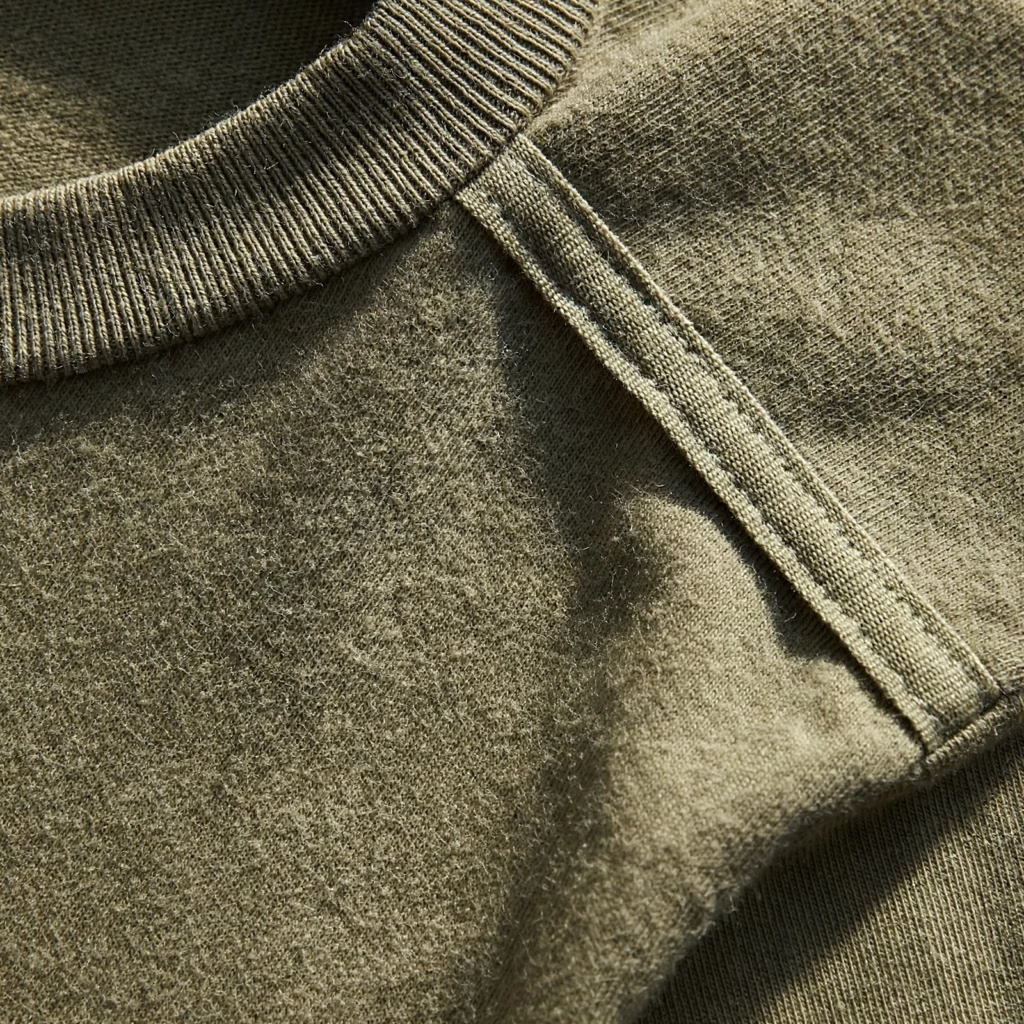
Then check the making: collar shape after stretching, shoulder tape sitting flat, sleeve hems even, side seams straight, and the print positioned exactly where your artwork file placed it on the chest or back. Making faults are visible before any money moves.
Finally check the paperwork side of the garment: your label sewn where you asked, the size marking as specified, and the folding and bagging matching the presentation your own warehouse team expects to receive. Paperwork faults surface later and cost more.
Frequently Asked Questions
Can a Russian importer order t-shirts with its own label and artwork from Bangladesh?
Yes. On a made to order route the factory sews to your specification, prints your artwork and fits your own woven label, with a sample made first and approved by you before bulk production begins. Your brand travels on every single shirt.
How does a first order with a factory on this list usually start?
It starts with documents and a sample: you send the specification, artwork and measurement chart, the factory samples to that document, and the bulk order follows only after your written approval of that sample. No bulk order should ever precede that approval.
Who arranges freight and customs clearance into Russia?
The factory prepares the export documents and packs to your instruction, while freight and clearance on the Russia side are arranged by you or your freight agent under your own established import routine. Most importers keep one forwarder for every factory.
Can one programme mix several colours, styles and sizes?
Yes. A programme is normally built as a range: several colours and styles, each graded across your size chart, sampled style by style and packed to the ratio you set for each export carton. Ratios can differ by colour and by style.
What should an importer check before choosing a factory from this list?
Check the sample against your specification, the factory route against your programme shape, and the paperwork habits in writing, because those three checks predict a season better than any brochure claim or promise. Brochures promise; samples and paperwork actually prove.
About This Guide
This guide was written for importers in Russia who source t-shirts from Bangladesh and want the factory landscape explained plainly, with each profile drawn from published information about the company it describes and nothing invented. Every claim here can be checked against sources.
Siatex is one of the manufacturers covered, and we are members of the Bangladesh Garments Buying House Association, a connection we state once here rather than repeat through the guide. Membership is a fact about us, stated plainly once.
Start Your Russia T-Shirt Programme With a Sample
Every route in this guide to the Top Bangladesh Made T-Shirt Importers in Russia begins at the same place: a sample made to your own document and judged in your own hands before money moves. There are no shortcuts around that first sample.
If your programme carries your own specification, artwork and label, the made to order route at Siatex is built for exactly that work, and the first step costs nothing more than a short conversation. Bring the documents and the route does the rest.
Get a Price for Your Own T-Shirt Programme
Send your specification through our contact page and we will reply with a sampling plan for your range, so your next Russia programme starts from a garment you have already held, checked and approved yourself. A held sample beats a promised one always.