
Top 10 Workwear Manufacturers in Bangladesh
Finding a workwear manufacturer in Bangladesh is easy; finding one whose coveralls, hi-vis and uniforms arrive on specification, on size and on date is the real work. This list compares ten manufacturers on what they make, which fabrics they run and which buyers they serve.
Every profile below is written from public knowledge about each company, and no profile can be swapped for another: the factories differ in product depth, fabric range and buyer focus. Siatex stands first because this is our own list, and its profile is the fullest.
The comparison sticks to what a buyer can verify: the garments each maker is known for, the fabrics behind them, and the markets they serve. It leaves out price promises and capacity claims, because neither can be checked from outside a factory.
Workwear Manufacturer in Bangladesh: The Shortlist Buyers Actually Use
Finding a workwear manufacturer in Bangladesh is easy; finding one whose coveralls, hi-vis and uniforms arrive on specification, on size and on date is the real work. This list compares ten manufacturers on what they make, which fabrics they run and which buyers they serve.
Every profile below is written from public knowledge about each company, and no profile can be swapped for another: the factories differ in product depth, fabric range and buyer focus. Siatex stands first because this is our own list, and its profile is the fullest.
What This List Compares, and What It Leaves Out
The comparison sticks to what a buyer can verify: the garments each maker is known for, the fabrics behind them, and the markets they serve. It leaves out price promises and capacity claims, because neither can be checked from outside a factory.
Buyers in the USA, the UK, Germany, France, Canada and Australia use Bangladesh for industrial workwear because the making standard is proven and the cost base stays honest. Your specification leads every order on this page: your fabric, your design, your measurement and your labels.
The Top 10 at a Glance
| Manufacturer | Base | Main Workwear Types | Fabrics | Buyer Markets |
|---|---|---|---|---|
| Siatex | Bangladesh | Coveralls, hi-vis, corporate uniforms, work jackets | Twill, canvas, ripstop, fleece | USA, UK, Germany, France, Canada, UAE, Australia |
| Bengal Apparel | Bangladesh | Workwear and uniform programmes | Twill, canvas, poly-cotton | Europe, North America |
| Fakir Apparels | Narayanganj | Workwear, uniforms, knitwear | Twill, jersey, fleece | Europe, USA |
| DBL Group | Gazipur | Uniforms, workwear, knitwear | Poly-cotton, twill, jersey | Europe, USA |
| Square Fashions | Gazipur | Uniforms, woven workwear | Twill, poplin, canvas | Europe, North America |
| Standard Group | Bangladesh | Workwear, denim workwear, woven garments | Denim, twill, canvas | Europe, USA |
| Youngone Corporation | Chattogram | Technical workwear, outerwear, uniforms | Ripstop, softshell, technical fabrics | USA, Europe, Asia |
| Pacific Jeans | Chattogram | Denim workwear, work trousers, uniforms | Denim, twill | Europe, USA |
| Denim Expert Ltd | Chattogram | Denim workwear, work jackets | Denim, canvas | Europe |
| Ananta Group | Savar | Uniforms, workwear, woven garments | Twill, poplin, ripstop | Europe, USA |
The table is a starting map, not a verdict. The profiles below explain where each maker is strongest, so your shortlist matches your product, not just a name.
Reading the Comparison Table
Read the table by garment first: find the makers whose main types match your lead product, then compare their fabrics against your specification. A maker strong in your garment and your cloth is a sampling candidate; a maker strong in neither is not, whatever their size.
Markets matter last. Every maker here exports; the question is whether their programme discipline fits your way of buying. The profiles, the fabrics section and the buying-mistakes section below are written to answer exactly that.
The 10 Workwear Manufacturers in Detail
1. Siatex – Workwear Made to Your Specification Since 1987
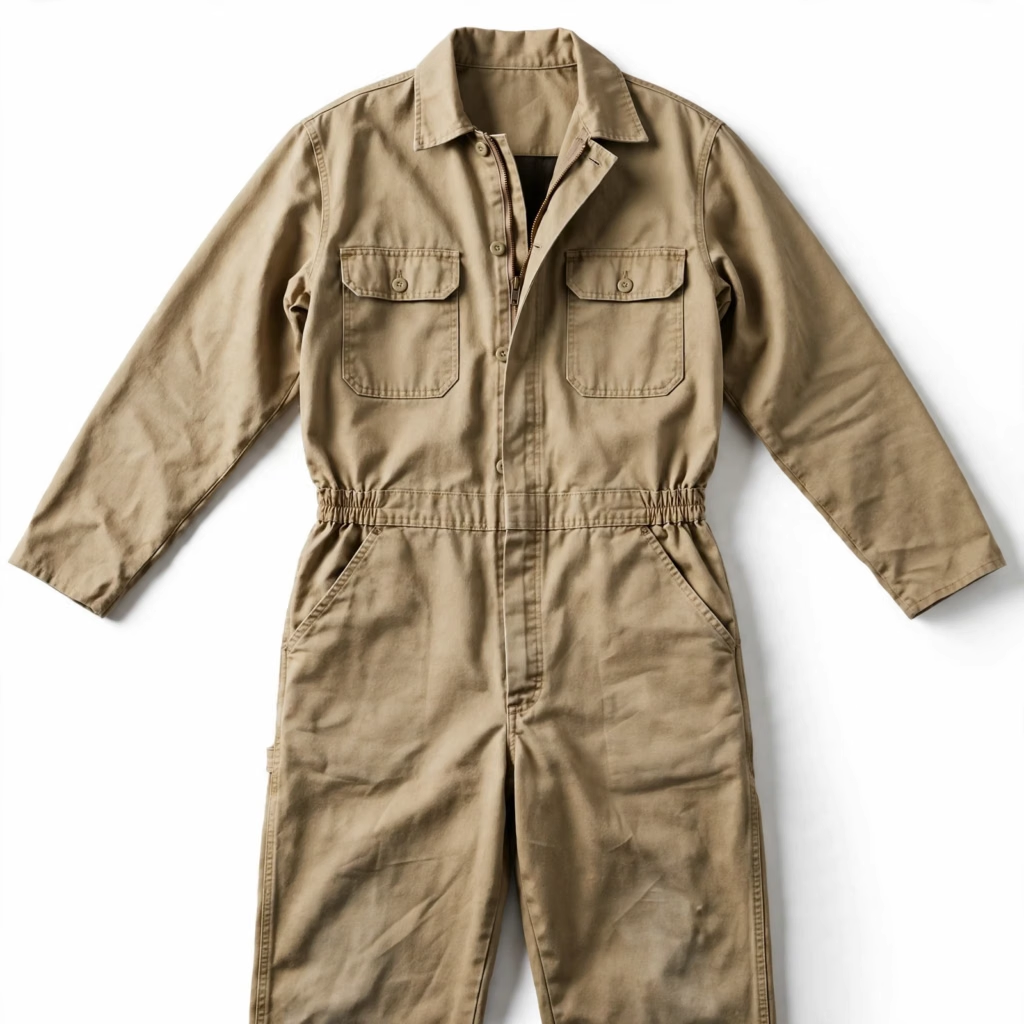
Siatex is a workwear manufacturer in Bangladesh that builds every programme to the buyer’s own specification: your fabric, your design, your measurement and your labels, made to order since 1987. Coveralls, hi-vis vests and jackets, corporate uniforms and work jackets run on one accountable team.
The Siatex route starts with a sample sewn to your brief, so the garment is judged in your hands before production. Colour, fit and construction are held on your file, and every repeat is sewn against the same approved standard.
- Coveralls and boilersuits in twill, canvas and ripstop
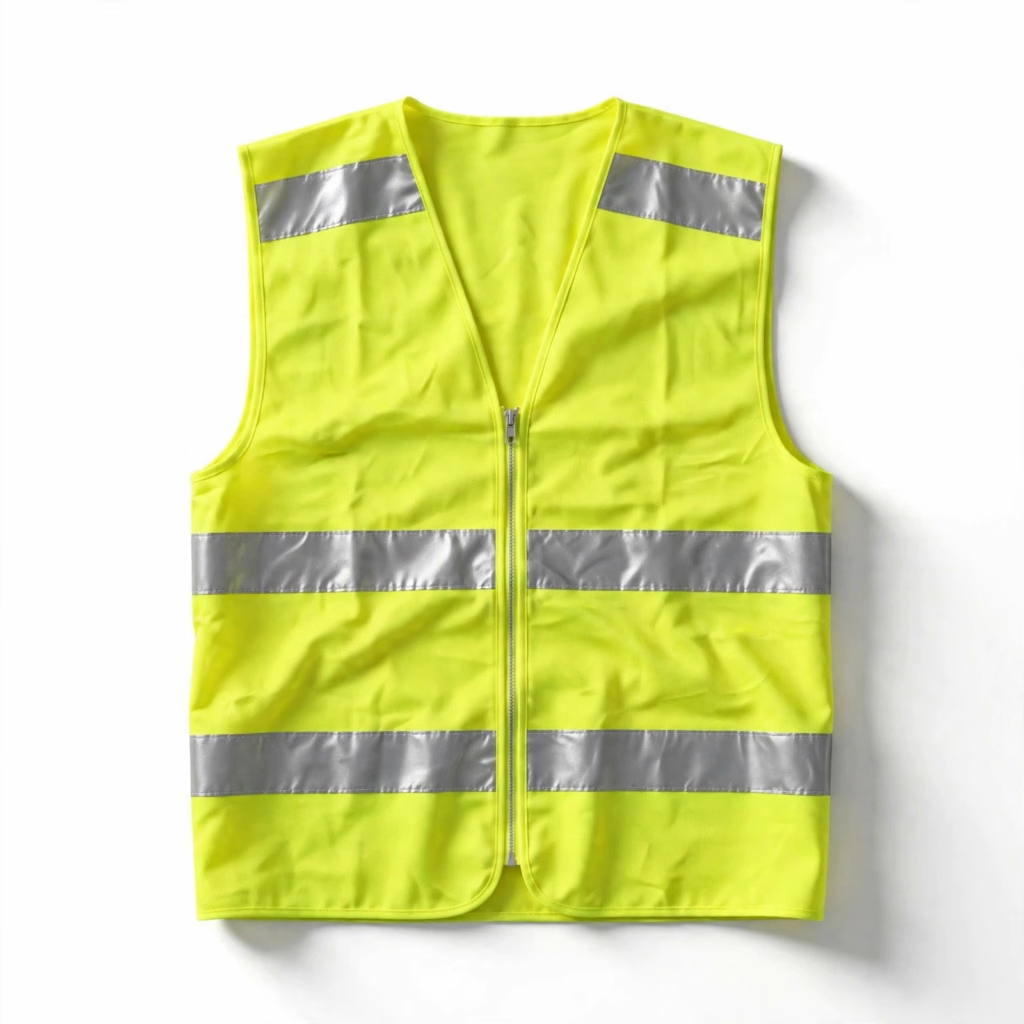
- Hi-vis vests and jackets for safety workwear ranges
- Corporate and industrial uniforms with your branding
- Your woven labels, your packing, your size ratios
As a wholesale workwear supplier in bangladesh programmes for importers and uniform companies, Siatex keeps one record per buyer. That record is why a reorder lands like the original order, season after season.
How a Siatex Workwear Programme Runs
Your programme begins with your specification: garment, fabric, sizes, colours and branding. A sample is sewn to that brief and sent for your judgement, washed and measured the way your own customers will treat it.
Once the sample is approved, it becomes the standard for the order. Production is checked against it, finished garments are compared size by size, and cartons are packed to your ratios before dispatch.
- Sample first, sewn to your brief and judged in your hands
- Your colour standard and size file kept on record
- Finished garments compared against the approved sample
- One accountable team from sampling to the final carton
The same discipline covers a first order and the tenth reorder. Nothing about your programme is reinvented between orders: the file carries it, and the team works from the file.
2. Bengal Apparel
Bengal Apparel is a Bangladesh workwear and uniform maker known to European and North American buyers for factory-direct workwear programmes. Its ranges cover core workwear garments and uniforms, presented with a strong emphasis on trust and certification.
Buyers comparing a custom workwear factory in bangladesh often place Bengal Apparel on the list for its workwear focus. Its public presentation leans on team and compliance sections, which many first-time buyers find reassuring.
Where Bengal Apparel Leads
On a comparison of range, Bengal Apparel’s identity is focus: workwear and uniforms are the headline, not a side line. Buyers who want a maker’s main attention on workwear put that focus at the top of their scoring.
3. Fakir Apparels
Fakir Apparels, based in Narayanganj, is a large knitwear and apparel group that also runs workwear and uniform lines. Its scale suits buyers whose programmes mix workwear with knit basics under one roof.
The group’s public profile centres on volume knitwear for European and American brands. Workwear buyers typically engage it where a uniform programme sits inside a wider apparel order.
Where Fakir Apparels Leads
Fakir’s workwear should be judged inside its group context: the lines run beside very large knit programmes. For a buyer whose order mixes uniforms with knit basics, that breadth simplifies sourcing to one organisation.
4. DBL Group
DBL Group of Gazipur is one of Bangladesh’s best-known apparel groups, with knitwear, garments and textiles under one organisation. Uniform and workwear lines form part of its wider woven and knit offer.
As a workwear exporter with long-standing European and American customers, DBL is a common benchmark on buyer shortlists. Its sustainability reporting is among the most detailed in the industry.
Where DBL Group Leads
DBL’s depth shows in repeat programmes for demanding buyers, where measurement discipline across large size ranges is tested every season. Its workwear lines benefit from the same systems that run its knit exports.
5. Square Fashions
Square Fashions, part of the Square group in Gazipur, produces woven garments and uniforms for international buyers. Its workwear sits inside a broad woven programme with strong process control.
Buyers shortlist Square where a uniform manufacturer with group-scale backing is preferred. Its public profile emphasises quality systems and long buyer relationships across Europe and North America.
Where Square Fashions Leads
Square’s uniform work is a natural extension of its woven shirt and trouser production: the same cloths, the same stitching discipline, and colour standards held across whole workforce issues.
6. Standard Group
Standard Group is a long-established Bangladesh apparel maker with woven and denim capacity, producing workwear and workwear-style garments for export buyers. Denim workwear is a natural strength given its denim base.
Its programmes serve European and American buyers across woven categories. Buyers meet Standard Group on shortlists where denim work trousers and work jackets lead the range.
Where Standard Group Leads
Standard Group’s longevity in woven exports is part of its offer: buyers are dealing with an organisation that has carried programmes through many seasons. Denim workwear buyers value its wash and finishing experience.
7. Youngone Corporation
Youngone Corporation, operating from Chattogram, is known for technical outerwear and performance garments. Its workwear angle is the technical end: weatherproof work jackets, softshell and uniform outerwear.
Buyers needing technical industrial workwear with performance fabrics often start with Youngone. Its public profile is built on outdoor and sportswear technology carried into work garments.
Where Youngone Leads
Youngone’s workwear thinking starts from weather and movement rather than from a basic block. Programmes for outdoor crews and technical uniforms are where its development teams spend their time.
8. Pacific Jeans
Pacific Jeans of Chattogram is a premium denim manufacturer whose workwear offer centres on denim work trousers, work jackets and uniform denim. Its washing and finishing depth is the draw for denim-led ranges.
As a workwear exporter in the denim niche, Pacific appears on lists where the programme is denim first. European and American denim buyers know it well.
Where Pacific Jeans Leads
Pacific’s finishing range lets a buyer build a denim workwear story across washes while holding one fit standard. That combination of wash breadth and fit sameness is what denim programmes are bought on.
9. Denim Expert Ltd
Denim Expert Ltd, also in Chattogram, is a denim-focused maker producing jeans and denim workwear for European buyers. Work jackets and denim uniforms sit naturally in its range.
Its public reputation rests on denim quality and wash development. Buyers with a denim workwear programme for the European market commonly include it in comparisons.
Where Denim Expert Leads
Denim Expert’s European focus shows in its wash development and presentation standards. A buyer building a denim-led workwear range for Europe will find its samples speak that market’s language.
10. Ananta Group
Ananta Group, based in Savar, is a woven garment manufacturer producing uniforms and workwear alongside its main woven lines. Its scale supports multi-style uniform programmes for export buyers.
Ananta appears on shortlists where a uniform manufacturer with broad woven capacity is wanted. Its buyer base spans Europe and North America across several woven categories.
Where Ananta Group Leads
Ananta’s woven capacity suits programmes that spread across shirts, trousers and uniforms at once. Its buyers tend to consolidate categories with one maker rather than split a uniform programme across several.
How to Choose a Workwear Manufacturer in Bangladesh
Start from the garment, not the factory list. A workwear manufacturer in Bangladesh who sews coveralls daily will beat a generalist on a coverall programme, however large the generalist is.
- Match the maker’s daily product to your lead garment
- Ask which fabrics they run every week, not which they can source
- Judge a sewn sample against your measurement chart
- Check how reorders are held: a file, or a fresh start
Then judge the sample the way your customer will: wash it, measure it, and pull at the seams. A maker who welcomes that test is telling you how production will behave.
The Sample Is the Contract
Every serious custom workwear factory in bangladesh works from an approved sample. Keep yours, and compare the first cartons against it piece by piece: colour, size, stitching and finish.
Your sample also settles the fabric question honestly. A twill that feels right in the hand and washes to size is worth more than a specification sheet that promises both.
Seasons and Lead Planning
Workwear programmes run on workforce calendars, not fashion seasons: new starters, contract wins and replacement cycles drive the dates. Plan the reorder rhythm with your maker, and the programme stops being a series of emergencies.
A maker holding your file can sew a top-up run to the same standard without a new sampling round. That is the practical value of the record: speed on repeats without losing sameness.
Cost Questions, Asked Properly
Workwear pricing turns on cloth weight, construction details and order pattern, so a price quoted without a specification means little. Give two makers the same brief and the same sample standard, and their prices become comparable.
Judge the price against the garment’s working life. A coverall that survives twice the wash cycles is cheaper than its lighter rival, whatever the ticket says.
Workwear Fabrics and Construction That Matter
Workwear lives or dies on fabric behaviour under washing and wear. The core cloths are cotton and poly-cotton twill for coveralls and trousers, canvas for heavy-duty pieces, and ripstop where tear strength matters.
- Twill for coveralls, work trousers and uniforms
- Canvas for heavy-duty jackets and aprons
- Ripstop for lightweight, tear-resistant garments
- High-visibility fabrics for safety workwear ranges
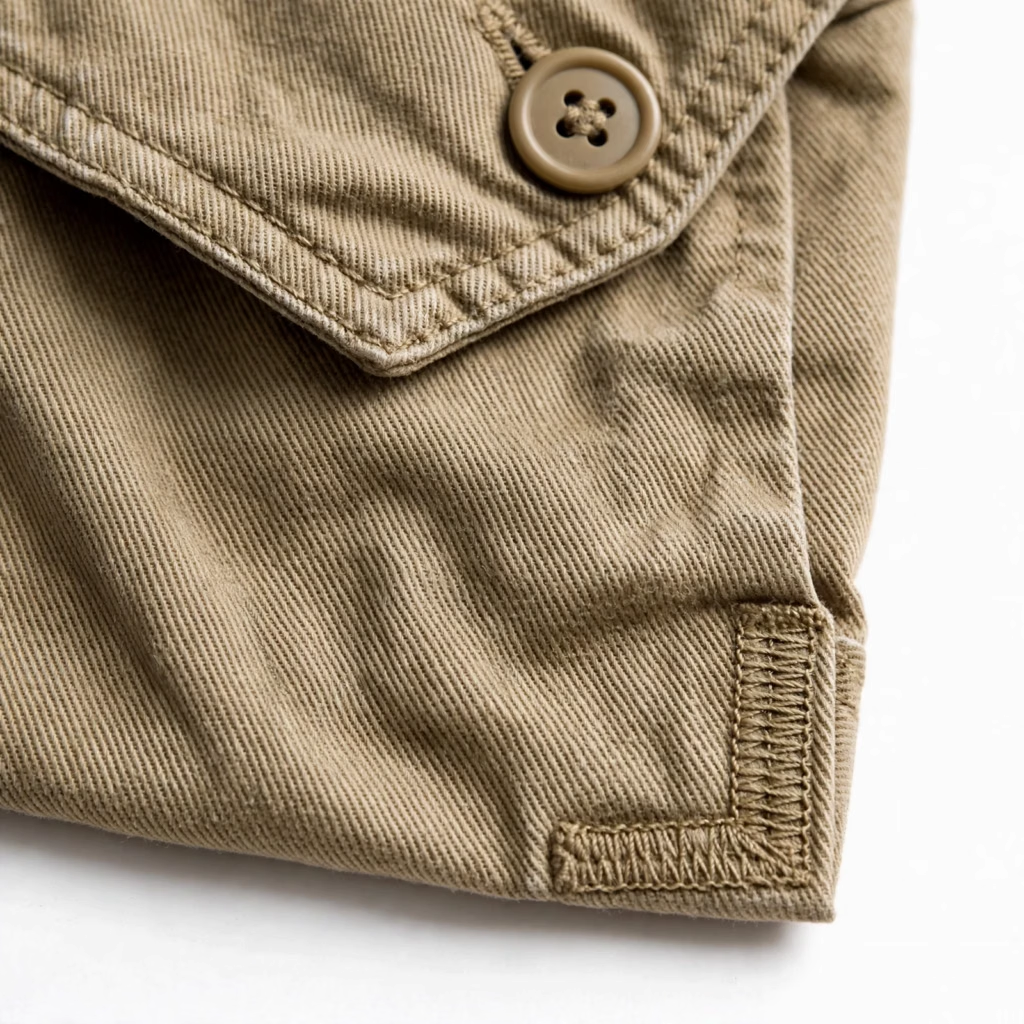
Construction details carry the garment’s working life: bar-tacked stress points, triple-stitched seams on heavy pieces, and closures that survive industrial laundry. Specify them in your brief, and check them on the sample.
Closures, Pockets and the Details Crews Notice
The wearer judges a workwear garment by its details: a zip that runs smoothly with gloves on, buttons that stay sewn, pockets where the tools actually sit. Those details are specified, sampled and checked like everything else on the garment.
Pocket placement is a design decision with a working consequence. Send your pocket map with the brief, and check the sample with the tools or devices the garment is meant to carry, not empty.
Closures deserve the same seriousness. A closure that fails in service takes the whole garment out of use, so the sample test includes working every closure repeatedly, with gloves, after washing.
Twill Weights and What They Mean in Wear
Twill weight is the buyer’s shorthand for durability: lighter twills serve shirts and light trousers, mid weights carry standard coveralls and work trousers, and heavy twills take the abrasion of industrial use. The right weight is the one matched to the job, not the heaviest on the shelf.
Your sample settles the question in practice. A cloth that feels strong but washes stiff will be rejected by the crews who wear it, so judge weight after laundry, in the hand and on the body.
Colour Standards on Workwear
Workwear colours are working colours: navy, grey, black and hi-vis tones that must match across garments and across reorders. A shade that drifts between a jacket and a trouser breaks the uniform effect buyers are paying for.
Hold one colour standard per programme and compare every batch against it before cutting. That single discipline prevents the most visible failure a workwear programme can have.
Industrial Workwear Versus Corporate Uniforms
Industrial workwear is built for abrasion, washing and repair; corporate uniforms are built for appearance across a workforce. Many buyers run both, and the making standard differs: durability first on one line, presentation first on the other.
A good programme keeps the two apart in specification while sharing one size and labelling system. That is how a uniform manufacturer keeps a mixed order simple to receive and distribute.
Workwear Programmes for Buyer Markets
Workwear for the USA
American buyers run large uniform and industrial programmes with strict size consistency across reorders. Your size file and colour standard are held on record, so the tenth order matches the first.
Workwear for the UK
British buyers often combine hi-vis and corporate uniform lines in one programme. The same record discipline covers both, with your labelling and packing set at sampling.
Workwear for Germany
German buyers specify fabric behaviour and construction in detail, and expect the sample to prove both. Programmes are judged on washed samples and measurement accuracy across sizes.
Workwear for France
French buyers run workwear for industry and services with strong presentation standards. Colourfastness and finish are checked as closely as durability on French programmes.
Workwear for Canada
Canadian programmes add cold-weather workwear to the core range: lined jackets and heavier cloths on the same size file. Your winter and core lines stay consistent with each other.
Workwear for the UAE
UAE buyers source lightweight workwear and uniforms for hot climates, with breathable cloths and light colours. The programme standard is the same; the fabric build follows the climate.
Beyond these markets, the same programmes serve buyers in the Netherlands, Spain, Italy, Sweden, Norway, Saudi Arabia and New Zealand. Wherever the garments land, one rule holds: your specification leads, and the making follows it. Buyers comparing programmes can also read our wholesale workwear manufacturers suppliers page and our bangladesh workwear manufacturers page.
Compliance-Minded Questions Buyers Ask
Workwear buyers carry duties their fashion counterparts do not: a garment may be part of a safety system. The questions below are the ones experienced buyers ask any workwear manufacturer in Bangladesh before a sample is even sewn.
- Which fabric behaviours are tested, and how often
- How reflective tape placement is checked on hi-vis garments
- How size accuracy is verified across the full range
- What records are kept for each production batch
Ask the questions early, and judge the answers by their specificity. A maker who checks these things daily answers in process terms; a maker who does not answers in promises.
Laundry Behaviour Is a Safety Question
Industrial laundry is hard on garments: high temperatures, strong chemistry and mechanical wear. A coverall that shrinks out of its size or a hi-vis vest whose tape fails early is not a bargain at any price.
That is why the washed sample matters more in workwear than in almost any other category. Wash your sample the way the garment will be washed in service, then measure and inspect it again.
Records Turn a Delivery Into a Programme
When a buyer can trace a garment back to its batch, its fabric and its approved sample, problems get solved instead of argued about. Record-keeping is unglamorous, and it is one of the clearest signs of a serious maker.
Every maker on this list keeps production records of some form. The buyer’s job is to ask what is recorded, how long it is kept, and how a reorder uses it.
Workwear Types in Depth
Coveralls and Boilersuits
The coverall is the benchmark workwear garment: one piece, hard washing, and no room for weak seams. Buyers specify the cloth weight, the closure, the pocket map and the fit over boots, and the sample has to prove all four after laundry.
A maker who sews coveralls weekly holds the patterns, the bar-tack points and the size grading in daily practice. That practice shows in the garment: action backs that move, cuffs that close, and seams that survive the wash cycle.
Hi-Vis Vests and Jackets
Safety workwear adds visibility to durability: fluorescent cloths, reflective tape placement and closures that work with gloves. The specification is precise, and the sample is checked in daylight and under light, not just on a table.
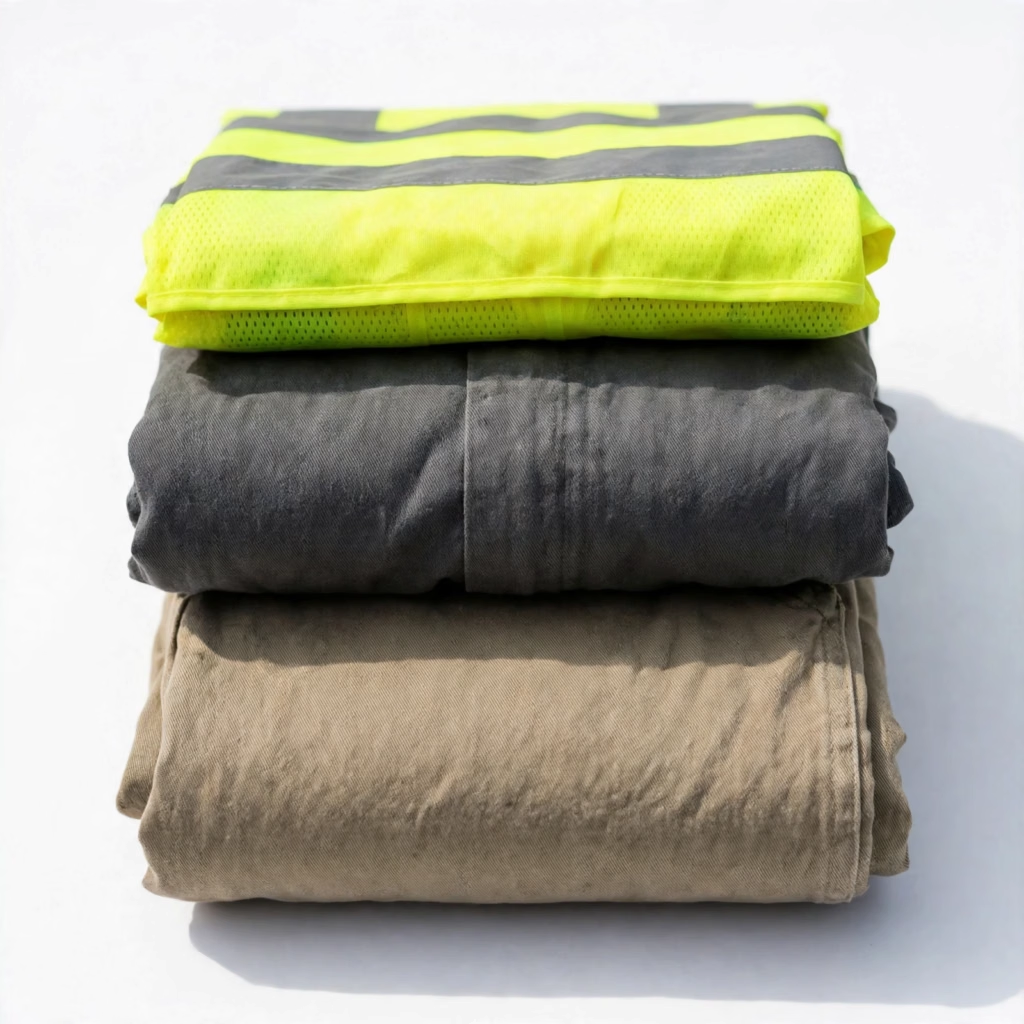
Hi-vis programmes often run beside standard workwear in one order. Keeping both on one size and labelling system makes the delivery simple to split across sites and crews.
Corporate and Service Uniforms
Uniforms are judged on appearance across a whole workforce: one colour, one fit standard, and a finish that survives weekly washing. Shirts, trousers, aprons and jackets share one colour standard held on the buyer’s file.
A uniform manufacturer earns reorders on sameness. When a new starter’s uniform matches the one issued three years earlier, the programme is working exactly as specified.
Work Jackets and Outerwear
Work jackets carry the hardest specification in the range: weather behaviour, lining, closures and pocket strength. Winter markets add insulation and heavier cloths; hot markets strip the jacket back to a light shell.
The jacket sample is the one to test hardest. Wear it, wash it, load its pockets, and work its closures with gloves on: a jacket that passes that test will pass a season.
Why Buyers Source Workwear From Bangladesh
Bangladesh built its reputation on woven garments at scale, and workwear is a woven discipline: twill, canvas, denim and ripstop are the country’s daily cloths. The sewing skills behind a coverall are the same skills behind its export woven lines.
The cost base matters, but buyers stay for the standard. A workwear manufacturer in Bangladesh who holds your file and sews to your sample gives a programme the two things it needs: honest pricing and repeatability.
- Woven workwear cloths are the country’s core production
- Size grading and measurement discipline are export-proven
- Programmes scale from first order to standing reorder
- Your specification, labels and packing are held on file
That combination is why workwear sits beside shirts and trousers in Bangladesh’s export mix. The factories on this list, including every wholesale workwear supplier in bangladesh named here, compete on the same ground: specification, sample and record.
Ordering, Reorders and the Record Behind Them
A workwear programme is a repeat business by nature: crews grow, garments wear out, and seasons change the mix. The makers worth keeping treat the first order as the start of a file, not the end of a sale.
Your file holds the approved samples, the colour standards, the size charts and the packing rules. When the reorder lands, production works from that file, so the new cartons match the old ones on the shelf.
What to Send With Your First Enquiry
Send the garment list, the fabrics you have in mind, your size chart and your labelling requirements. With those four pieces, a maker can sew a sample that answers the real questions: fit, fabric behaviour and finish.
Add your delivery market and your packing expectations, and the sample arrives judged against the full brief. That is the fastest honest route from a list like this one to a programme that works.
More Markets on the Same Programme
The Netherlands and Spain buy workwear for logistics, industry and services, with presentation standards close to the German and French pattern. Programmes for those markets run on the same file discipline, with labelling in the buyer’s language.
Italy and Sweden add their own emphases: Italian buyers weigh finish and fit heavily, while Swedish buyers specify durability and fabric behaviour in detail. Both are served from the same approved-sample standard.
Heat, Cold and Mixed Programmes
Norway’s programmes lean to heavier cloths and weather-ready jackets, and Saudi Arabia’s to light, breathable builds for heat. New Zealand buyers run smaller, mixed programmes where one maker covering several garment types keeps sourcing simple.
From Shortlist to Programme: The First Three Steps
Step One: Write the Specification Before the Enquiry
Garment, fabric, sizes, colours, branding and packing: six lines that decide whether two quotations can be compared at all. A maker pricing your exact brief is giving you a real number; a maker pricing a guess is not.
Your specification also protects you later. When the approved sample is sewn to a written brief, every later check has something solid to point back to.
Step Two: Sample Two Makers, Not Ten
A list of ten is for reading; sampling is for two or three. Pick the makers whose daily product matches your lead garment, and put the same brief and the same wash test to each of them.
Judge the samples side by side: measurement against your chart, colour after washing, seam quality under strain. The maker who wins that table earns the first order.
Step Three: Place the First Order as a Programme
From the first order, ask for the file: approved sample held, colour standard recorded, size chart on record, packing rules written down. A first order placed that way makes the second order a formality.
That is the whole method behind this list. Names open the door; specification, samples and records build the programme that follows.
FAQ: Buying Workwear From Bangladesh
What Should I Check Before Choosing a Workwear Manufacturer?
Check the maker’s daily product against your lead garment, judge a washed sample against your measurement chart, and ask how your colour and size file is held for reorders.
Which Fabrics Suit Coveralls and Work Trousers?
Cotton and poly-cotton twill are the core cloths, with canvas for heavy-duty pieces and ripstop where tear strength matters. Your sample proves the behaviour after washing.
Can One Maker Handle Hi-Vis and Corporate Uniforms Together?
Yes. Safety workwear and corporate uniforms run on separate specifications inside one programme, sharing your size and labelling system so distribution stays simple.
How Do Reorders Stay Consistent?
Your approved samples, colour standard and size file are kept on record, and every repeat is sewn against them. Keep your own approved samples to check arrivals against.
Do You Make Workwear to Our Own Design and Labels?
Yes. At Siatex your design, your fabric, your measurement and your labels lead the programme, proven on a sample first. Other makers on this list run their own custom terms.
Workwear Buying Mistakes This List Helps You Avoid
Choosing on Capacity Instead of Product Fit
The largest factory on a list is not automatically the right maker for your garment. A coverall programme belongs with a maker who sews coveralls every week, whatever the other makers’ total volume may be.
Ask each shortlisted maker one question: which garment on my list do you sew most often? The answer tells you more about fit than any company presentation.
Approving Samples Unwashed
An unwashed sample hides the two behaviours workwear is bought on: shrinkage and colour behaviour. Every approval on this page’s programmes is an approval of a washed sample, measured after laundry.
Keep the washed sample, not the fresh one, as your standard. Production should be compared against the garment as it will actually be worn and washed.
Splitting One Programme Across Too Many Makers
Splitting garments across makers splits the colour standard, the size file and the accountability with them. One maker holding the whole programme keeps all three in one place.
Where a second maker is genuinely needed, for a specialist garment like technical outerwear, keep the core range together and treat the specialist line as its own file.
Reordering Without a Held File
A reorder placed from memory is a new order wearing a reorder’s clothes. Insist that your maker holds your samples, colours and sizes on file, and that the file is what production works from.
That insistence costs nothing at the first order and saves the programme at every order after it. It is the difference between a supplier and a programme.
Start With a Sample, Then Scale
The safest way to choose from any top 10 list is to sample. Send your lead garment’s specification, and judge the maker on the sewn result: that is how a workwear manufacturer in Bangladesh earns a programme.
At Siatex, one accountable team handles your programme from the first sample to the final carton. Your file, your standards and your history stay in one place, ready for every reorder.
Whichever maker you choose from this list, choose them the same way: a written specification, a washed sample, and a file that outlives the first order. A programme built on those three things survives seasons, staff changes and size-curve shifts without losing its standard.
Get a Price for Your Workwear Programme
Get Price for your workwear programme, and tell us your garments, fabrics and size ratios so the sample can be made to your brief. Our own workwear range is set out on the quality assurance page’s checking standard.