
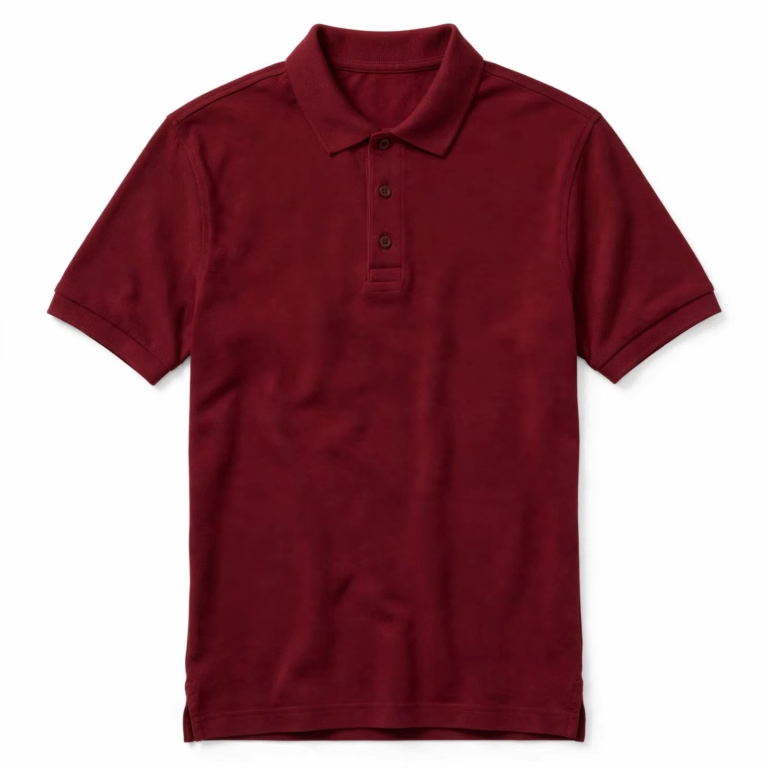
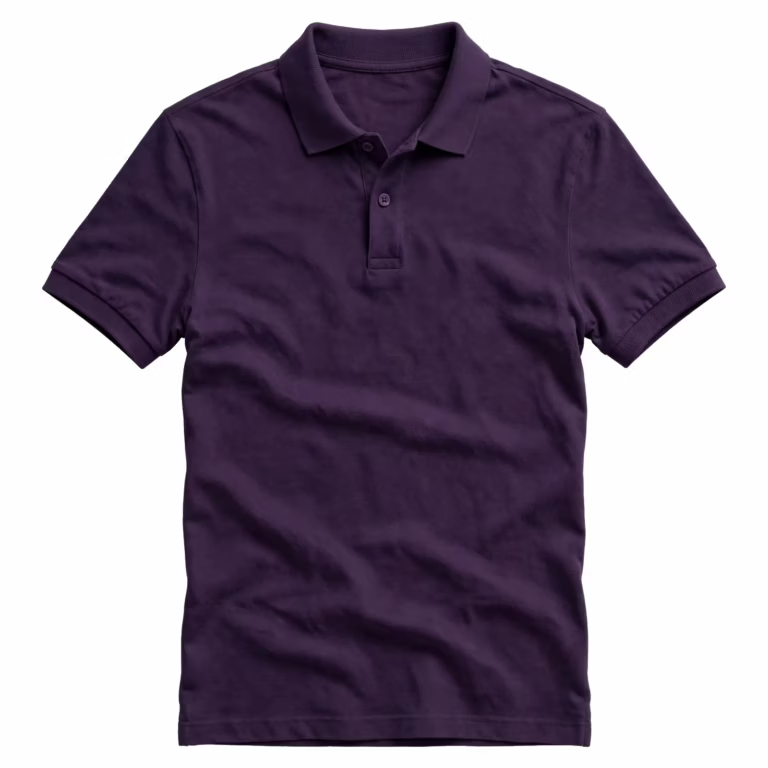
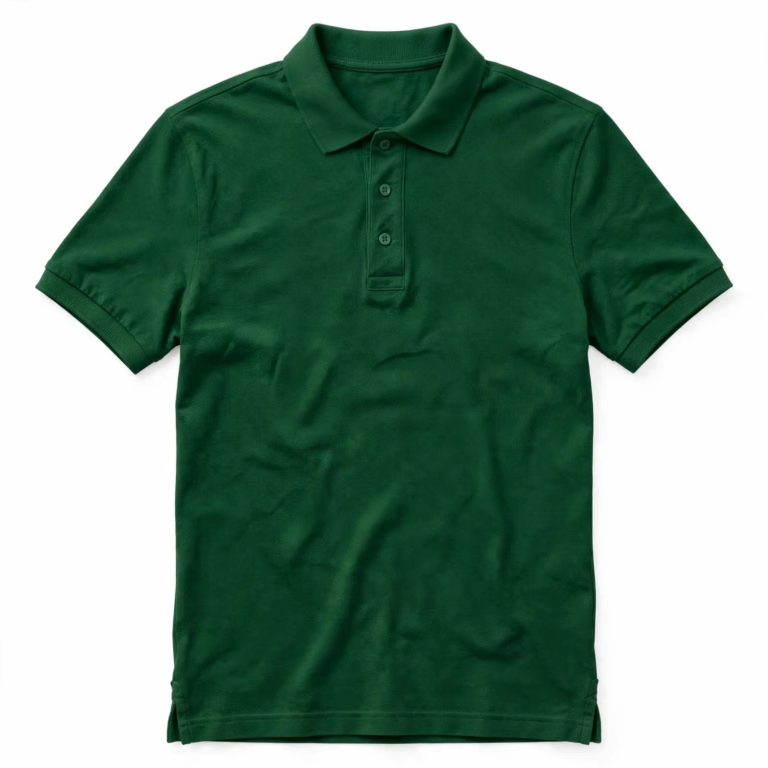
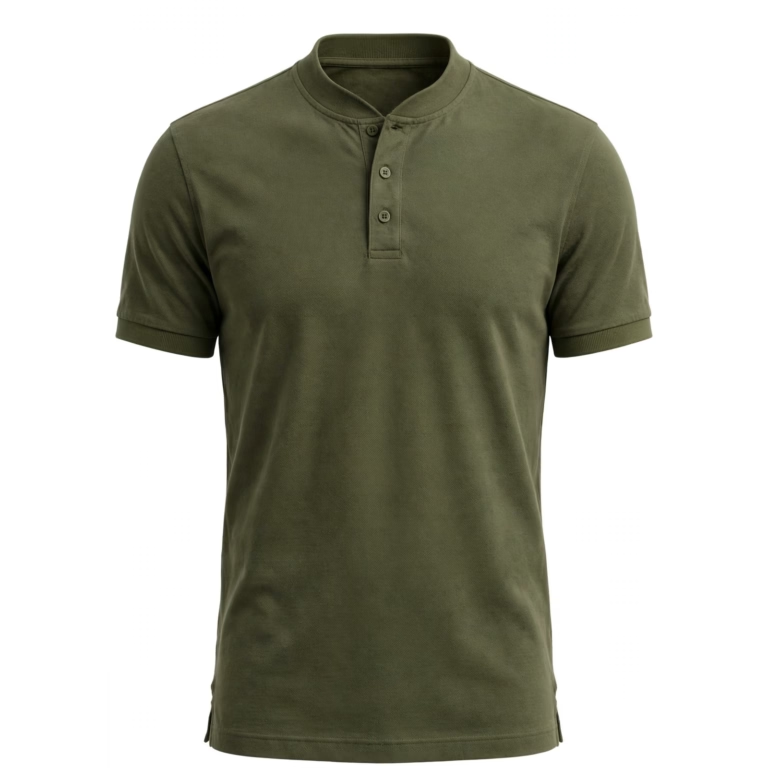


Custom Men’s Golf Polo Set Manufacturer in Bangladesh for Cream and Khaki Ensembles
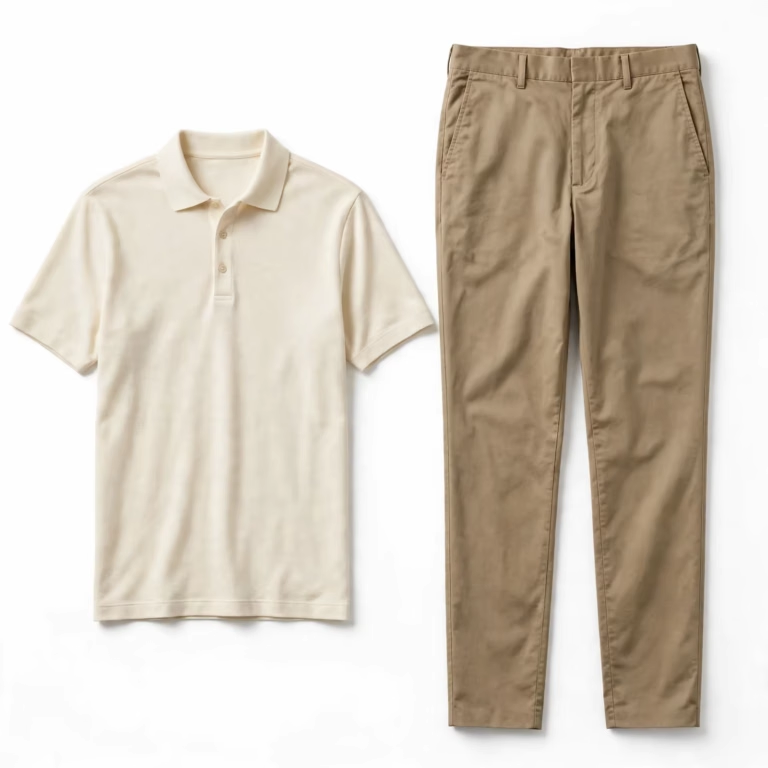
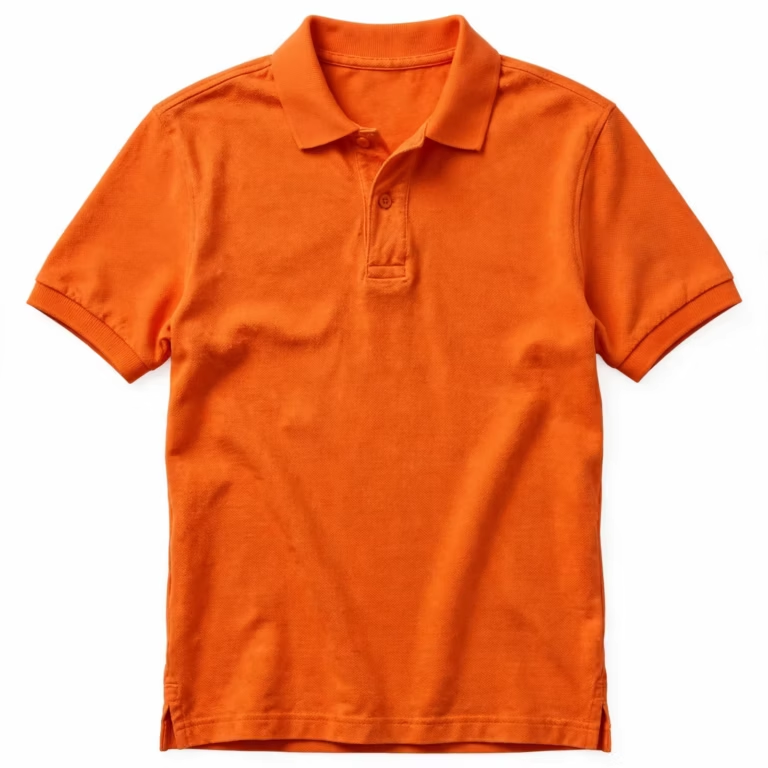
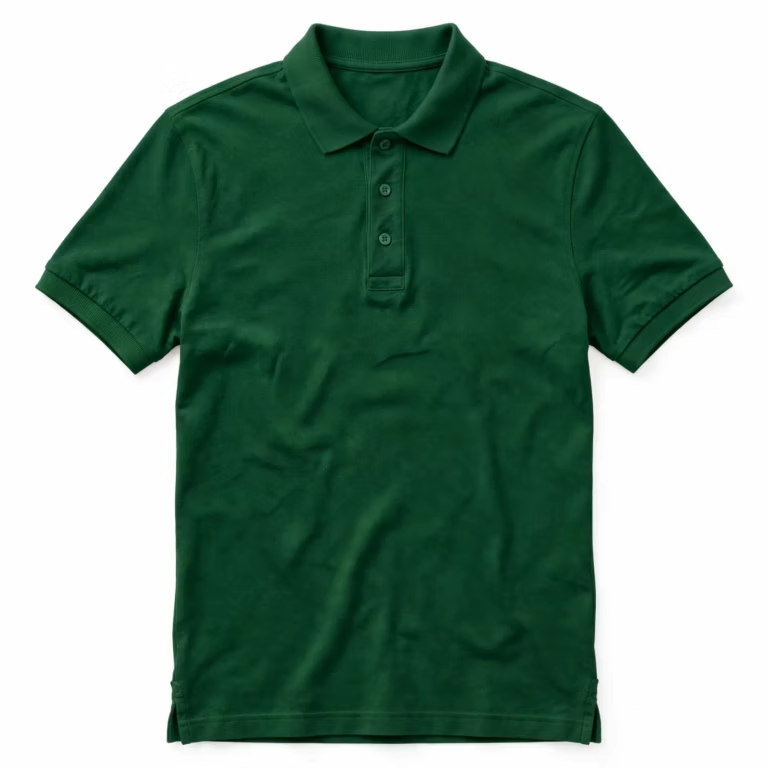
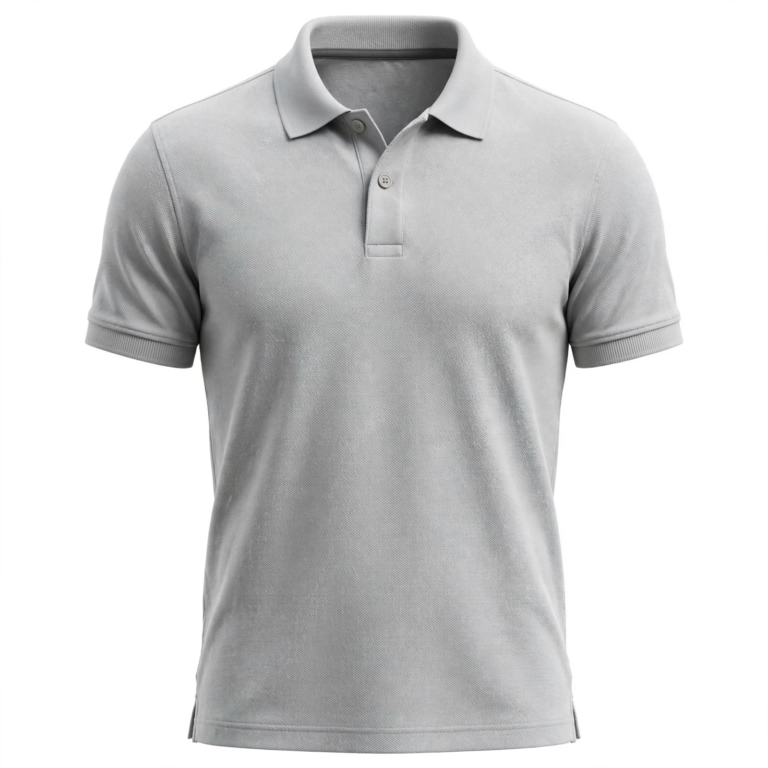
The polo is a pique knit, the cloth golf has used for a century because its raised textured surface lifts the shirt off the skin and lets air move under it. The cream here is a warm, soft tone rather than a bright white, chosen because it photographs kindly and hides a day’s dust better than white does. The knit is brushed lightly on the inside face for softness against the skin.
The trousers are a cotton-rich twill with a small measure of stretch woven through the weft, so the leg bends at the knee and the seat gives in the swing without the cloth ever looking like leisure wear. A cutting of both cloths, in your tones, travels with the sample ensemble.
Why Cream and Khaki Never Leave the Course
Some colour pairings are fashion; this one is furniture. Cream over khaki has dressed golfers for a century because it reads calm in photographs, suits every skin tone on the team sheet, and never fights the club’s own colours.
Both cloths are dyed and cut under one order, so the cream your members wear in April is the cream in the September top-up. Warm neutrals drift easily between dye lots, which is exactly why the kept swatch matters here.
A Collar That Stays a Collar
The polo’s collar is the part cheap shirts surrender first: after three washes it curls, and the shirt drops from clubhouse to practice ground. This collar is knitted and set to hold its line, with a placket that sits flat under it.
- Three-button placket, buttons matched to the cream.
- Straight stitched hem, never a ribbed band.
- Side vents at the hem so the polo sits clean over trousers.
Those details are the difference between a golf polo and a t-shirt with ambitions. Members notice the collar in the mirror before they notice anything else.
Custom Mens Golf Polo Set Manufacturer in Bangladesh for Clubs and Societies
Golf societies order identity as much as clothing. These ensembles are made for the whole society in one run: the Saturday regulars, the away-day team and the club captain, all in the same cream and khaki, graded from the same chart.
One design file holds your tones, your measurements and your label. A member who joins in winter gets an ensemble from that file that matches the set bought for the spring medal, which is what a society kit is for.
Your Crest Where Your Club Wears It
The chest is left clean for your club’s crest, placed by embroidery or print at your instruction, sized to your artwork. The cream and khaki here carry no mark of ours at all; the only label inside is yours.
Everything the member feels is set by you: the standard of the making, the cloth, the cut and the measurements, proven on the sample ensemble before the run.
How a Bangladesh Golf Apparel Exporter Checks an Ensemble
An ensemble is checked as an outfit, not as two garments. Polo and trousers are laid together and read for tone, proportion and finish before they are folded as a set.
- Cream tone compared against the kept swatch under daylight.
- Collar set and placket alignment checked shirt by shirt.
- Trousers taper and hem measured against the chart.
- Belt loops counted and bar-tacked where a belt pulls.
The sample ensemble comes first. Wear it for a round, wash it, then judge the collar; the bulk run starts only on your approval of that set.
Sizes and Grading for Golfers
Men’s sizes run S to 3XL as standard, graded from your chart: polo chest, body length and sleeve, trousers waist, rise and inside leg. A classic fit and a modern tapered fit can both be cut from the same design by grading the ease differently.
Give us the fit your members expect and the sample arrives in it. A leg lengthened or a waist eased after the sample is a chart edit, not a new design.
What We Need to Price an Ensemble
Send your two tones, a pique weight if you have one in mind, and either your size chart or the sizes your pro shop sells most, with a rough count for each. That is enough to cost the run and sew the sample.
If the crest artwork is still being drawn, send the colours first; the ensemble can be sampled plain and the crest placed once your committee approves the artwork.
Questions Golf Clubs Ask Before Ordering
Can the polo carry our crest?
Yes. The chest is kept clean for it, and the crest is applied to your artwork and placement. The sample ensemble shows it exactly as the run will carry it, so the committee approves cloth, not a drawing.
Do you make a ladies’ version?
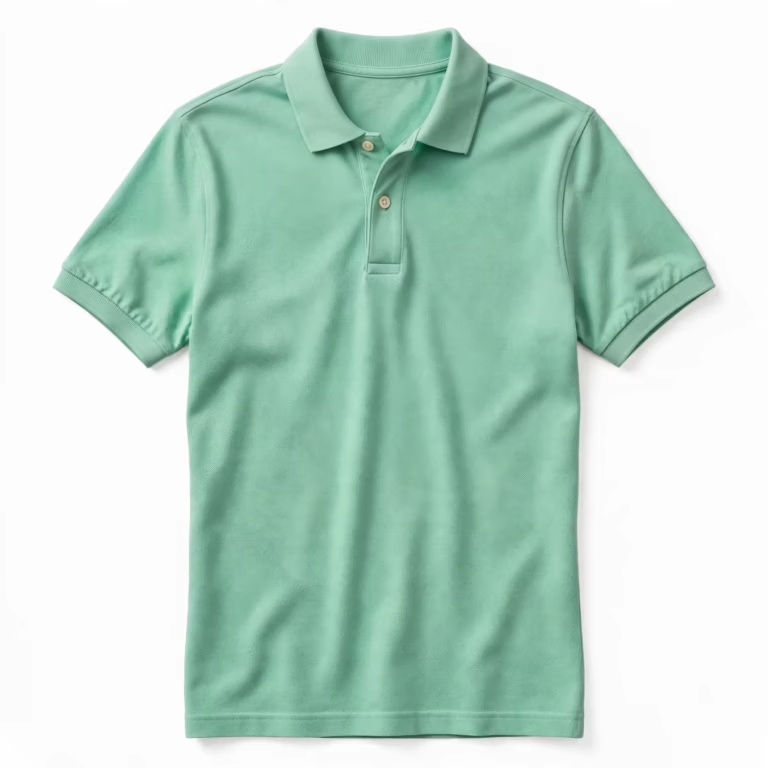
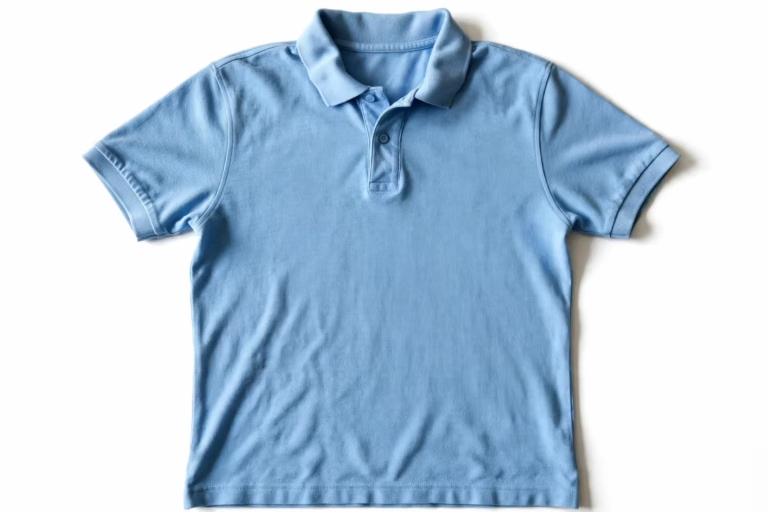
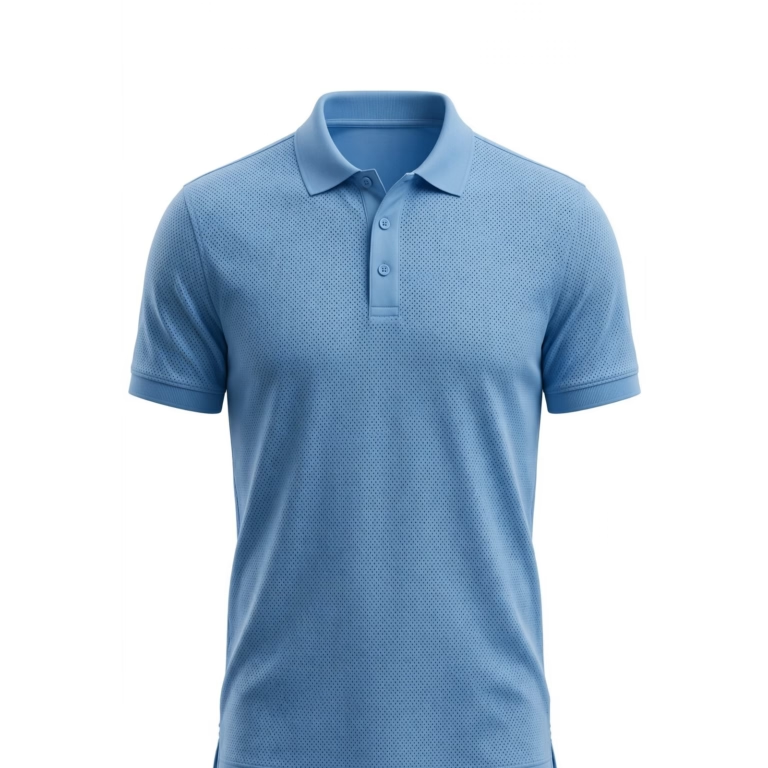
Yes. The same tones are cut on ladies’ patterns with their own grading, so a mixed society dresses as one. Clubs can also see our slim fit polo shirt and the mesh polo shirt for other course shirts from this range.
How do the colours wash?
Inside out at normal temperatures, both cloths hold their tone. Cream is unforgiving of grey drift, so the wash test is part of the sample round: wash the sample three times and read the cream against the swatch.
Can we reorder for new members?
Yes. Tones and measurements live in your design file, so a winter reorder stands next to the spring ensembles in the same cream and the same khaki, with nothing to explain in the clubhouse.
Societies comparing programmes can also see our striped polo shirt and the henley polo shirt, and write to us through our contact page. Bangladesh’s standing as an exporter is documented by the International Trade Centre.
Pro Shops, Team Kits and the Away-Day Photograph
Pro shops buy this ensemble for a different reason than societies: it sells as a pair. A member who came in for a polo leaves with the trousers because the two were dyed, cut and folded to be worn together.
For away days the same pairing is a team photograph waiting to happen. Twenty members in one cream and one khaki read as a club; twenty members in their own neutrals read as a queue.
Golf Ensemble Supplier in Bangladesh for Clubs in Europe and Beyond
Most of these ensembles ship to clubs and societies in the United Kingdom, Ireland, Germany and Spain, where the cream-and-khaki pairing is part of the game’s furniture, with further orders going to clubs in Canada, Australia and the United States.
Everywhere, the same promise travels inside the carton: sewn to your standard, in your cloth, your design and your measurements, made in Bangladesh and checked as one outfit before dispatch.
The Trousers Do the Walking
A golfer walks eight kilometres in these trousers, up slopes and across wet rough. The taper is cut for that walk: room at the thigh, a clean line to the ankle, and a hem that breaks once over the shoe.
The twill carries a brushed face that shrugs off a light shower and dries on the walk back. If your course is wetter, say so; a firmer finish can be specified on the sample pair.
Belt Loops Are a Detail Until a Belt Pulls
Loops are bar-tacked at both ends because a belt under a full swing pulls harder than a belt at a desk. It is a small sewing decision that members never see, which is the point: the trousers should never be the story of a round.
Front pockets are cut deep enough for a scorecard and tees without printing their outline through the cloth. Back welts take a glove. Every pocket on this pair was placed by someone thinking about the game.
Judging the Sample Ensemble Over Eighteen Holes
Do not judge this outfit folded. Play a round in it: the collar at the first tee, the trousers at the ninth green, the whole pairing in the clubhouse mirror at the end, then a wash and a second read of the cream.
Whatever the round finds, the run can still fix: a softer collar, a longer leg, a deeper pocket. Once you approve the played-in ensemble, production copies it set for set.
Where the Money Goes in an Outfit Like This
Two cloths, two dye orders held to one tone story, a collar built to survive washing, and pockets placed for a game rather than a photograph. Ensembles priced far below usually save on the collar and the dye discipline, and the third wash shows both.
Ask any supplier two questions: is the cream held against a kept swatch, and how is the collar made? The answers price the outfit more honestly than the quote line does.
For Club Secretaries: Counting a Society Order
Count from the fixture list, not from last year’s photograph. Societies gain members in spring; a small pool of spare ensembles in the middle sizes carries the club through the season without emergency orders in odd tones.
Keep one approved ensemble at the club as the house reference. Any later delivery is laid beside it and compared for tone and fit, so a question about a reorder is settled by cloth, not by memory.
Corporate Golf Days Run on Borrowed Sizes
A company golf day dresses forty guests who were measured by email. The organiser’s real problem is not taste, it is spread: a run weighted to the middle sizes, a few ensembles held back for exchanges on the morning, and a pairing plain enough to flatter everyone.
Cream and khaki is the pairing organisers reach for because nobody photographs badly in it. Tell us the guest count and we will propose the size spread that corporate days usually need, so the exchanges stay a courtesy instead of a crisis.
The Cream Test: Reading a Neutral Honestly
Bright colours forgive; neutrals testify. A cream polo shows every drift in dye, every grey cast from a hard wash, every difference between the first shirt of a run and the last. That is why this colour is the honest test of a maker.
Judge the sample the hard way: wash it three times, dry it as your members will, then lay it against a fresh white sheet in daylight. If the cream is still cream, the run will hold. If it has wandered, no photograph of the first delivery would have told you.
Keeping a Cream Polo Set Looking Clean
Cream is the honest colour of golf: it shows every splash of bunker sand and every grass mark at the knee, and a club chooses it anyway because nothing else looks as right on the course. The pique used here is knitted tight enough that dirt sits on the surface instead of working into the cloth, so a normal wash brings the tone back instead of greying it a little more each month.
The care label carries your wording, and the sample ensemble is washed before approval so the club judges the cream as it will look in the second season, not only on the first tee.
One Ensemble, Two Seasons of Wear
In spring the polo goes under a sweater; by June it stands alone; in autumn it returns under layers with the same trousers throughout. An ensemble bought as a pairing earns its keep three seasons a year, which is why societies replace pieces rather than outfits.
Single pieces reorder from the same design file: a polo worn thin at the collar, a trouser leg frayed at the hem. The replacement meets its partner from an earlier run and still reads as one outfit, because the tones were never allowed to wander.
A last word on fit: golfers bend, turn and reach for four hours, so the sample round matters more than the tape measure. If the polo pulls at the shoulder of the swing or the trousers bind on a slope, say where, and the pattern moves before the run, not after it.