
Custom T-Shirt Suppliers to Sweden Sewing in Bangladesh for European Programmes
A plain tee looks like the easiest garment in the catalogue until a Swedish summer range depends on it. Necks stretch, melange lots drift between deliveries, and a print that sat flat on the sample cracks on the bulk cloth. Buyers ranking custom t-shirt suppliers to Sweden are really ranking who controls those three failures.
We sew for the buyers who carry that risk: Swedish retail chains and private label brands, promotional distributors supplying events and corporate ranges, workwear resellers who need a tee that survives industrial washing, and printers who buy blanks by the programme. Each buys the same shirt for a different reason, and the spec work below is how one pattern serves all four.
The Shirt, Panel by Panel
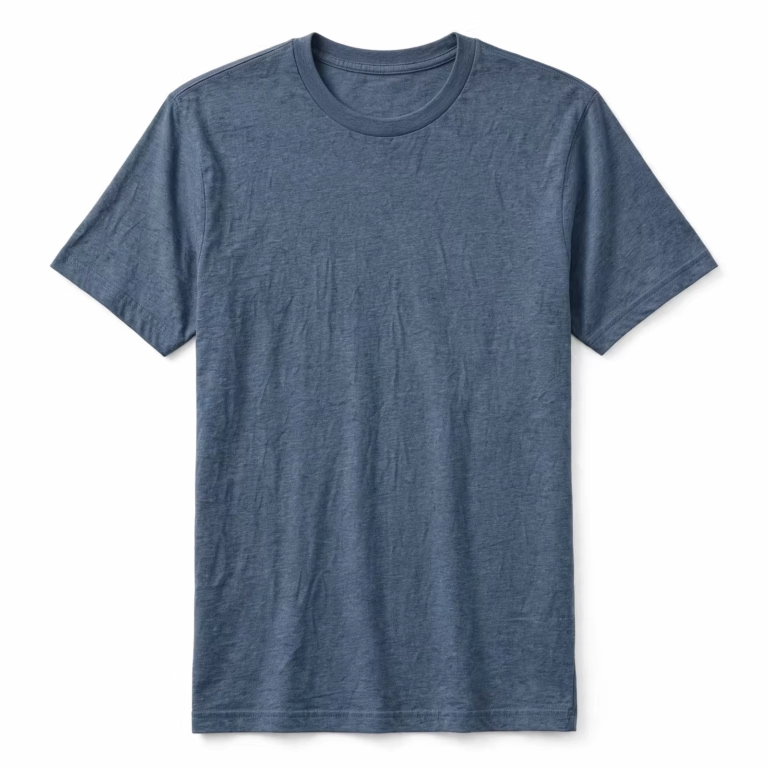
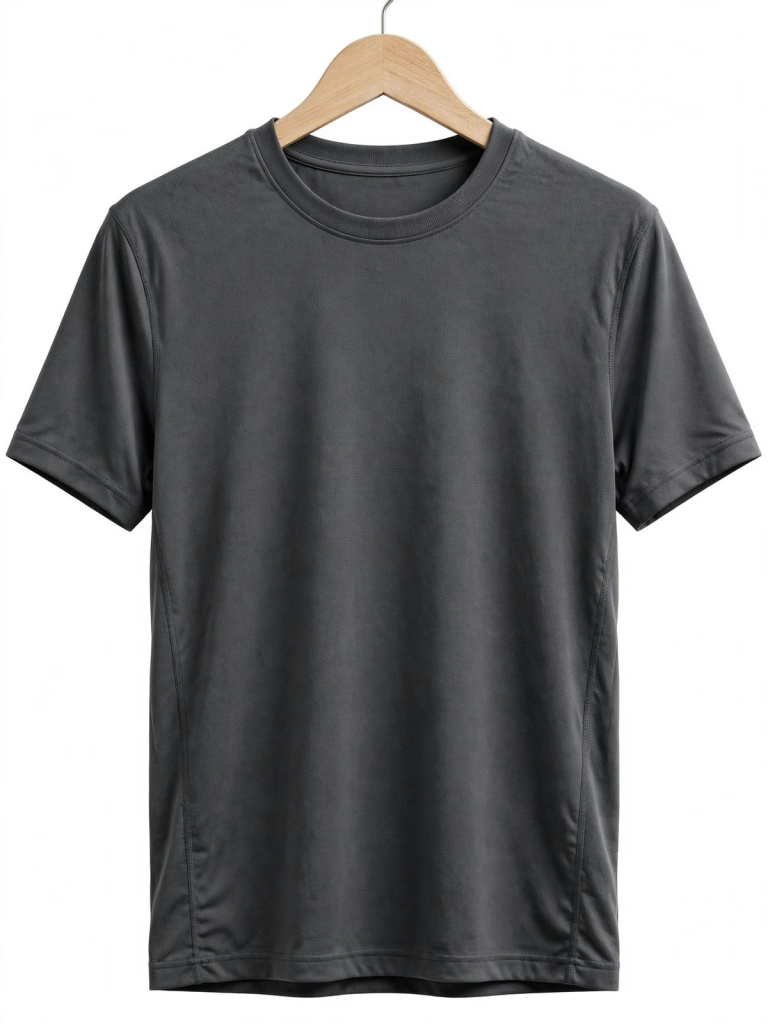
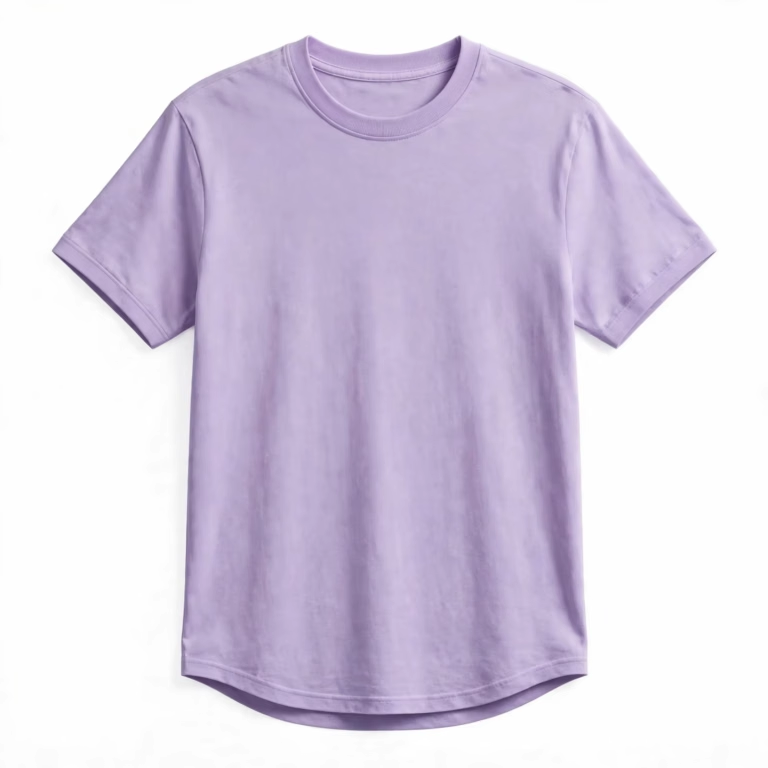
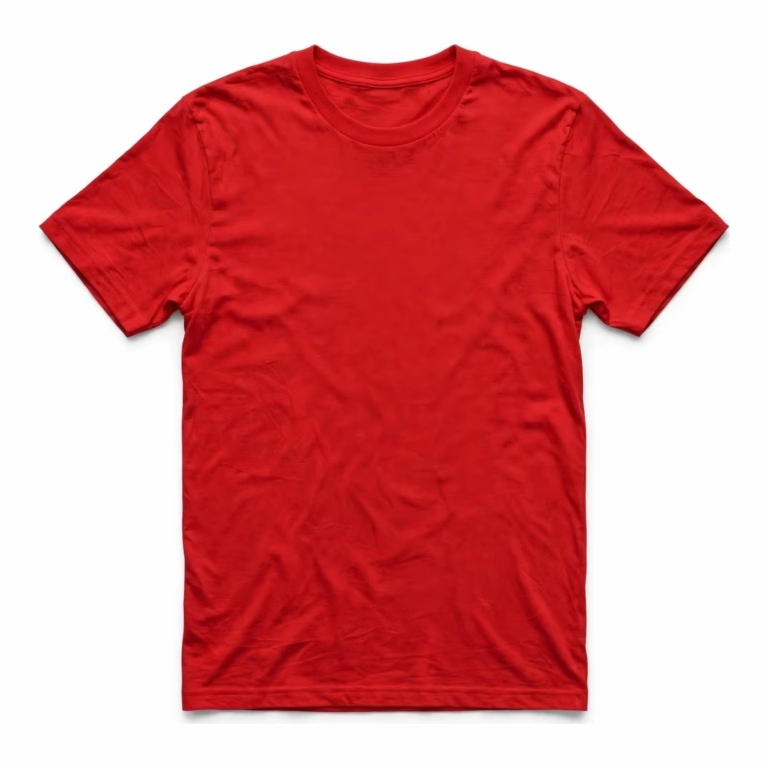
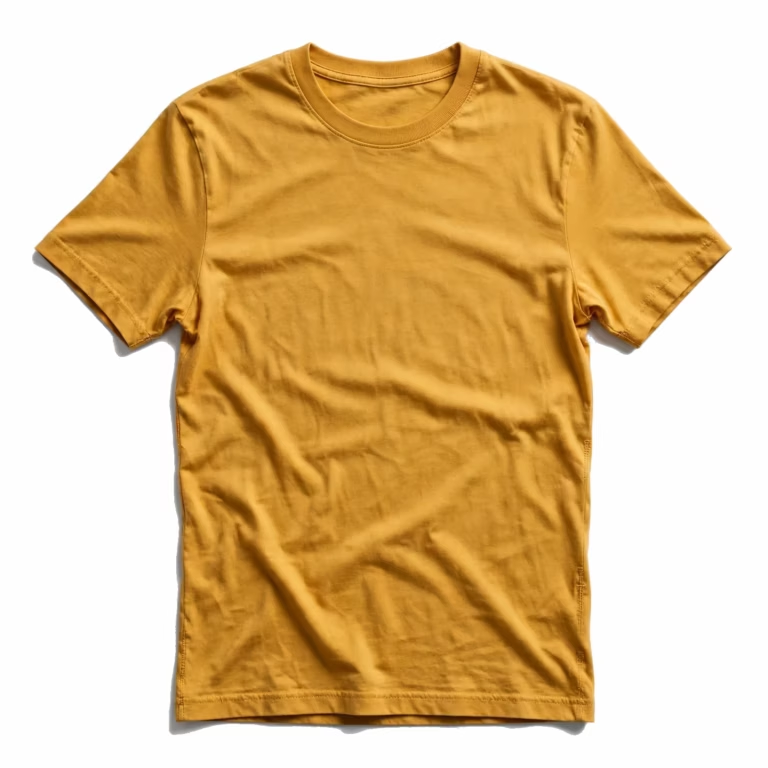
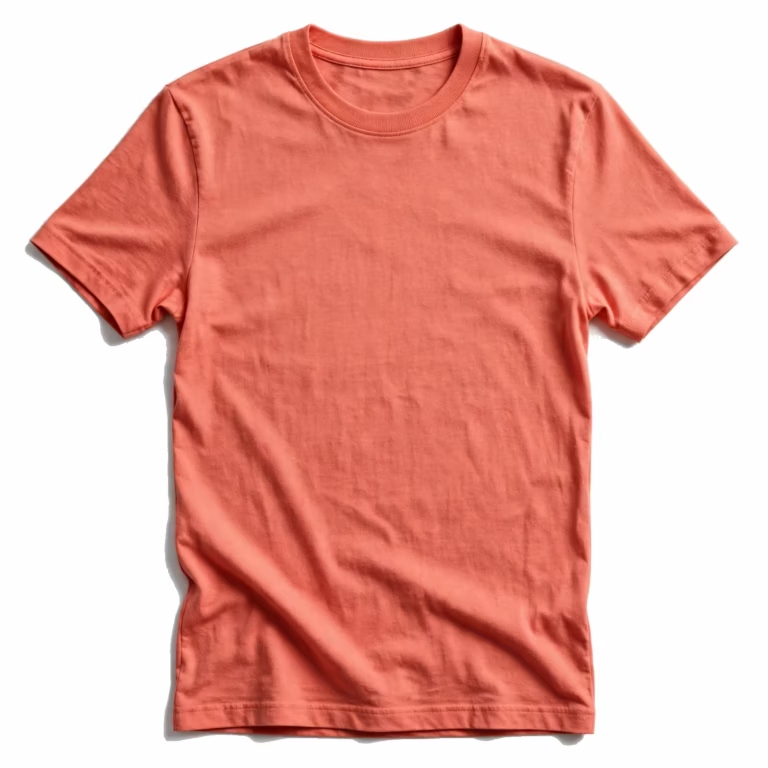
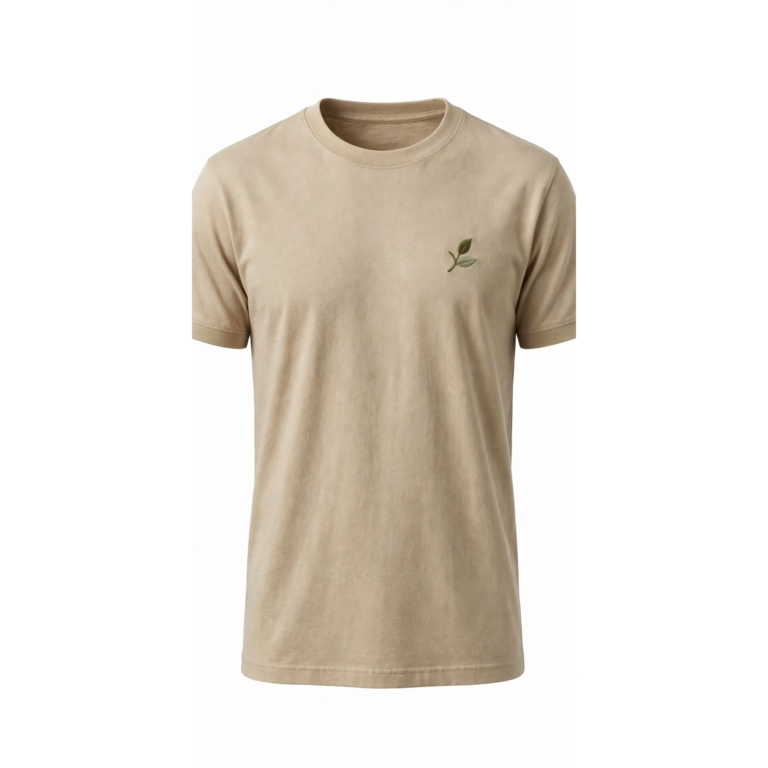
The body is cut from one tube or two panels to your spec, with side seams set true so the shirt hangs straight after washing. The slate blue shirt pictured runs a classic European fit: chest true to the chart, body length to the hip, and short sleeves hanging straight and close to the arm.
The neck is a ribbed crew with elastane in the rib, sewn with a clean coverstitch and backed by shoulder tape. That tape is a small line on the build sheet and a large reason the neck still sits flat after a season of washes. Sleeve hems and the bottom hem are twin needle stitched at a density set for jersey, not borrowed from a woven line.
Melange Yarn and the Crinkled Finish
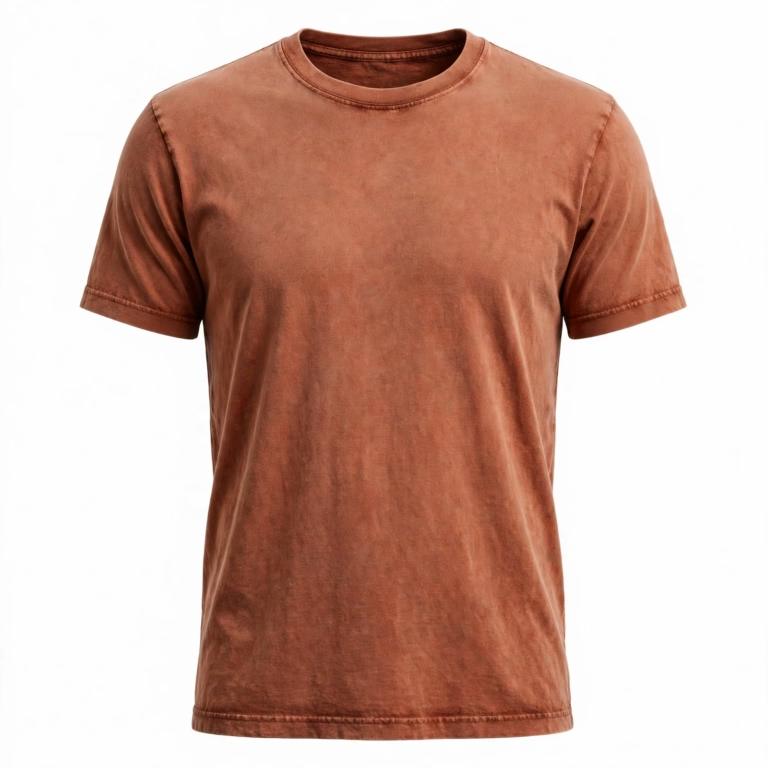
The pictured shirt is knitted from melange yarn, light and dark fibres blended inside the yarn itself. That blend is why the fabric reads as a real cloth at arm’s length: the tone moves softly along the knit rows instead of sitting as one flat colour. Melange also forgives small dye lot movement between reorders, which matters on a programme that runs for years.
The shirts carry the natural crinkled finish shown in the gallery, the un-ironed character of washed cotton jersey. Bulk is folded without hard pressing, so the cloth keeps that character when the carton opens in your warehouse. Buyers who want a pressed retail finish spec it on the sheet, and the line irons to that standard instead.
Weights follow the programme. Light 140 to 160 gsm jersey serves promotional volume. The 180 to 200 gsm class carries most Swedish retail ranges, with enough body to print cleanly and hang well. Heavier cloth is available for workwear tees that wash weekly.
Print, Embroidery and the Blank Question
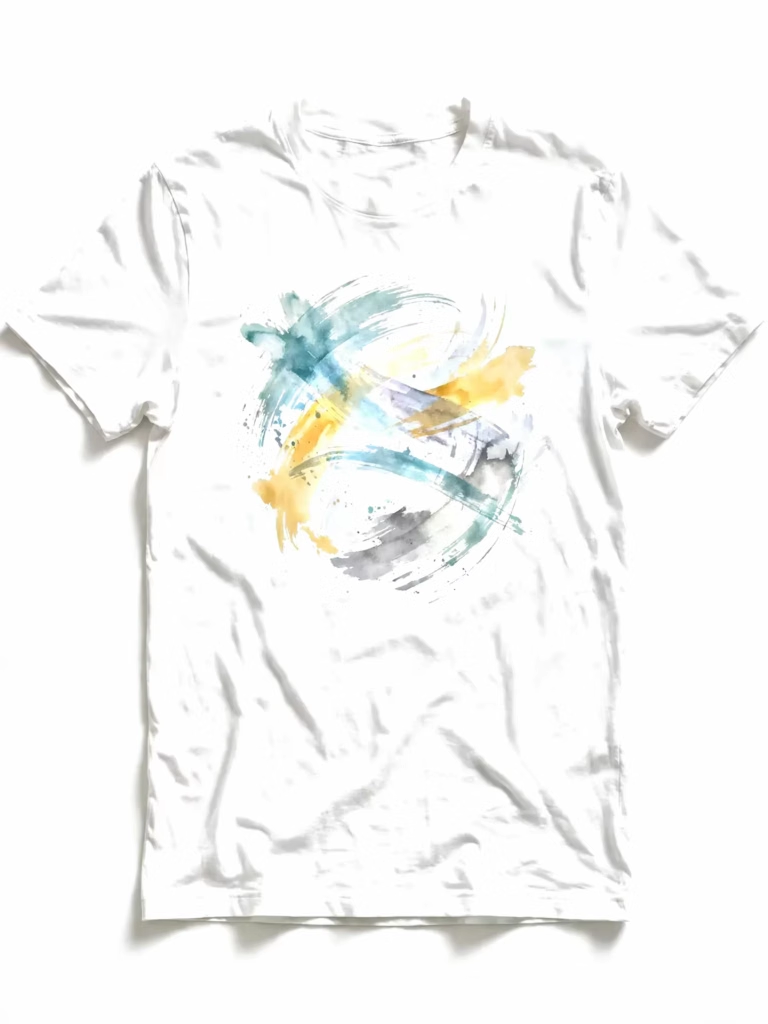
Many Swedish programmes buy the shirt as a blank for local printing, so the print face is part of the spec: a smooth, silicone-finished surface that takes screen print, DTG and transfer without fibrillation. When printing happens here instead, artwork is struck off on the actual bulk cloth and approved before the line runs.
Embroidery sits where your brand needs it, chest or sleeve, with a stitch count set for jersey and a backing that stops the design pulling the cloth into a pucker. Either way, the position is measured on the build sheet from the neck point, so the five hundredth shirt carries the mark in the same place as the first.
The T-Shirt Build Sheet
Every order is sewn against a build sheet that fixes what a photograph cannot show. Jersey weight and composition, neck rib depth, shoulder tape, sleeve length, body length, stitch density, thread colour and print position all sit on one page that the line supervisor and the final checker both work from.
Changes travel on the sheet, not by message. When a retailer asks for the body lengthened by two centimetres for a tall range, the sheet is reissued with a new revision mark and the old one leaves the line. Among custom t-shirt suppliers to Sweden, that discipline is the difference between a programme and a series of surprises.
Your Label Inside the Neck
The label picture in the gallery shows the mark inside the back neck: your name, white capitals on black woven cloth, sewn where the wearer sees it every morning. For Swedish retail programmes the same discipline extends to the care label in your required format, your size marking and your hangtag position.
A private label programme can keep the outside of the shirt completely clean, with the brand living only in the neck label and the care label. Promotional programmes often choose a printed neck mark in place of woven cloth, applied at the same sewing station so the two options cost the line no extra handling.
Checks Before a Carton Closes
Finished shirts are checked against the chart, not the eye. Chest and length are measured on a sampling plan across the run, necks are stretched and released, melange tone is read against the retained standard under daylight lamps, and print positions are measured on the first and last pieces of each size.
Cartons are packed to your instruction: folded singles for retail, rolled dozens for printers, or mixed size sets for promotional ranges. Each carton carries the size and colour breakdown on its mark, and shipment to Sweden routes through the port and forwarder your programme already uses.
Samples, Grading and Reorders
Samples follow your route: send a shirt your customers already buy, a tech pack, or a photograph with measurements, and the first sample returns in the pictured slate blue melange or your chosen colour. Fit comments come back on the same build sheet, so a note about neck depth lands on the pattern.
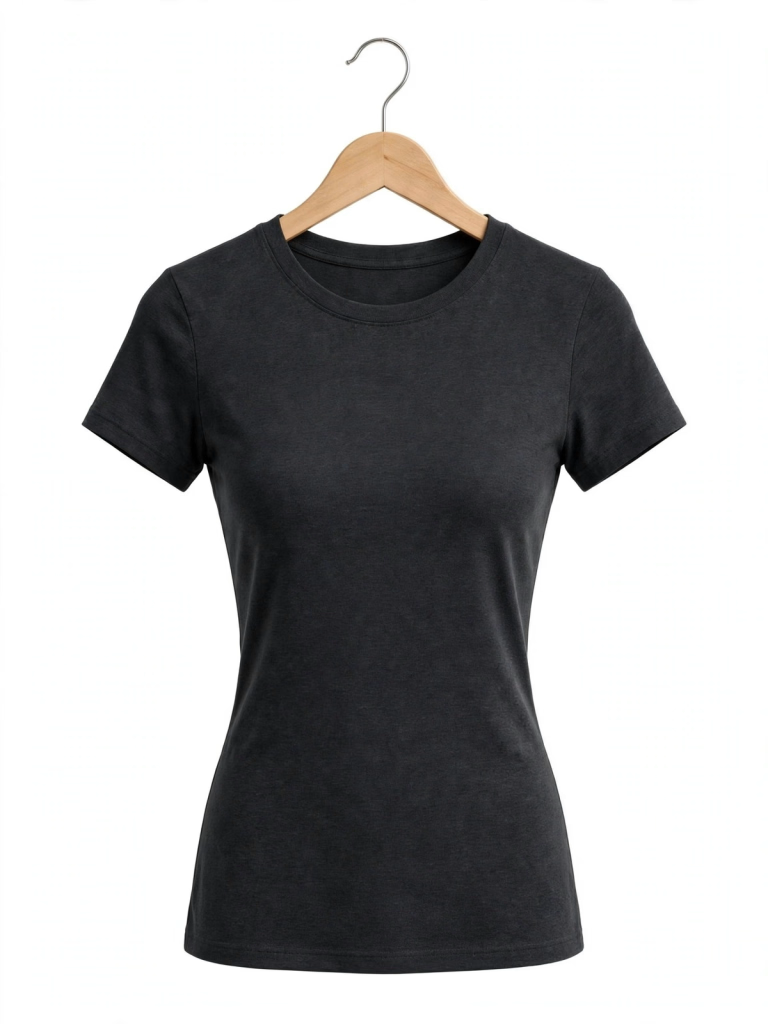
Grading runs on European blocks from XS to 3XL, with women’s and kids’ versions of the same style graded on the same discipline. Reorders sew from the retained sheet and colour standard, so a spring reorder matches the autumn delivery hanging beside it in the same store.
Colour Discipline Across Seasons
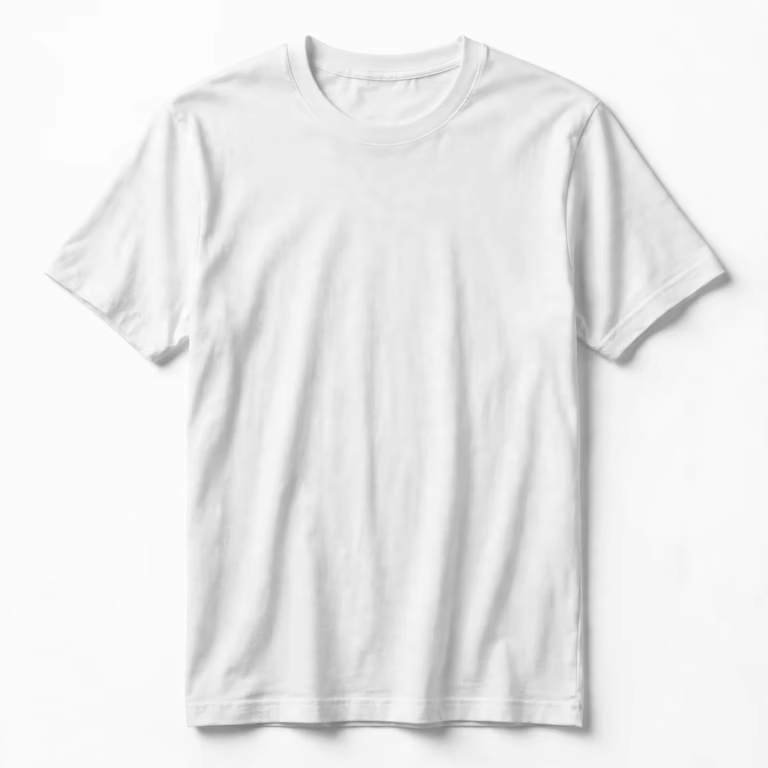
Core colours are held against retained cut panels, and every new dye lot is read against them before cutting. Melanges forgive small movement; flat whites and blacks are held tighter, and bleached white that disappears against a white background is never used as a programme colour photograph or a fabric standard.
Swedish ranges usually anchor on melange grey, navy alternatives in mid tones, and two seasonal colours. We hold the anchors across seasons so a returning customer finds the same slate blue he bought last year, a quiet point that decides whether custom t-shirt suppliers to Sweden keep a programme or lose it at renewal.
Questions Swedish Buyers Ask
Buyers ask about organic cotton. GOTS-certified organic jersey is available on the same patterns, with the chain of custody stated on the spec. They ask about lead times, and the honest answer is that sampling takes days, bulk takes weeks, and the build sheet date, not the order date, starts the clock.
They also ask how the shirt washes at 60 degrees for workwear use. The cloth is wash tested at the programme temperature before bulk, and the cutting ticket carries the shrinkage allowance so the approved chest and length are the delivered ones.
Start Your Sweden Programme
Tell us the weight, the colours and the sizes your range needs, and we will return a sample in your spec with your label inside the neck. Start through our contact page, see the same factory’s Sweden work in charity event t-shirts for Sweden, or compare programmes in ladies polar fleece jackets and oversized t-shirts for Dubai apparel. Sourcing context for European buyers sits with the International Trade Centre.