
Oversized T-Shirts Manufacturers in Bangladesh Building Fits for Dubai Apparel Brands
An oversized tee is a pattern decision, not a bigger standard shirt. Size a regular block up two sizes and the neck gapes, the sleeve lands wrong, and the body hangs like a borrowed shirt. Dubai apparel buyers learned that quickly, which is why the leading oversized t-shirts manufacturers for Dubai apparel are the ones who cut a true oversized block.
We sew for the buyers who carry that fit: streetwear labels selling through Dubai malls and online stores, regional retailers building a relaxed range, promotional houses that want a fashion blank instead of a giveaway tee, and resellers across the Emirates and the Gulf. Each buys the same shirt for a different reason, and the spec work below is how one block serves all four.
The Oversized Block, Panel by Panel
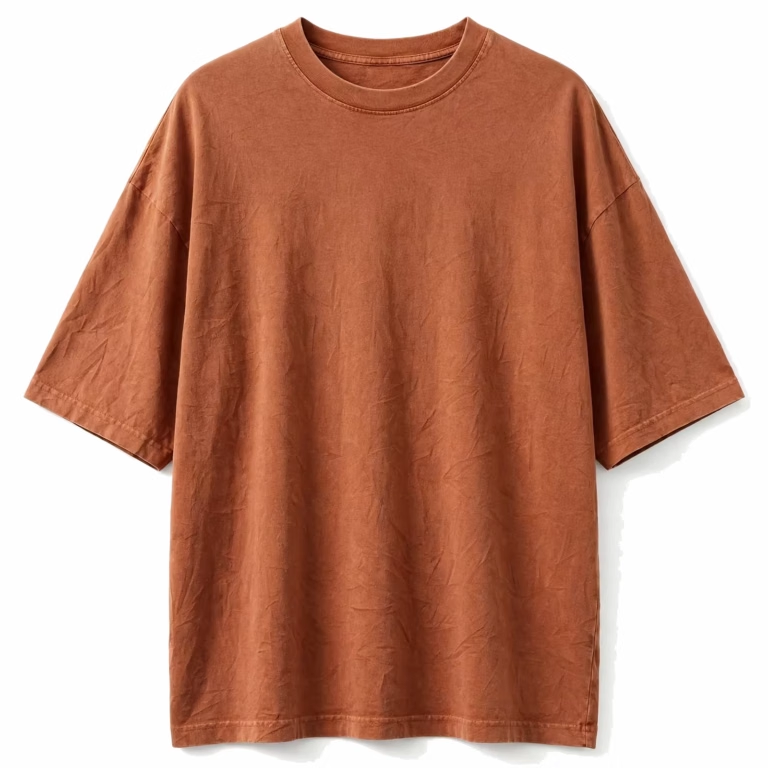
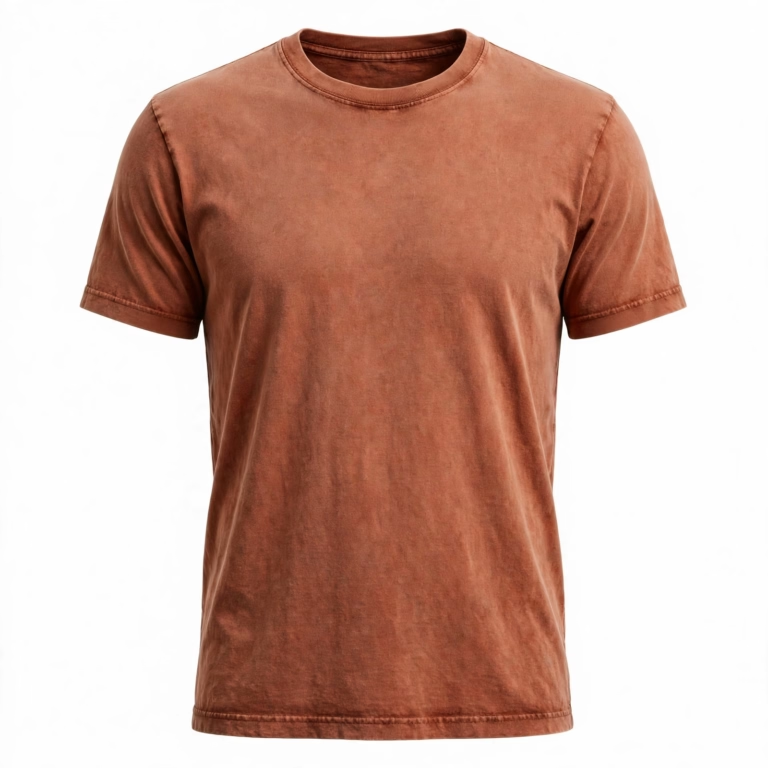
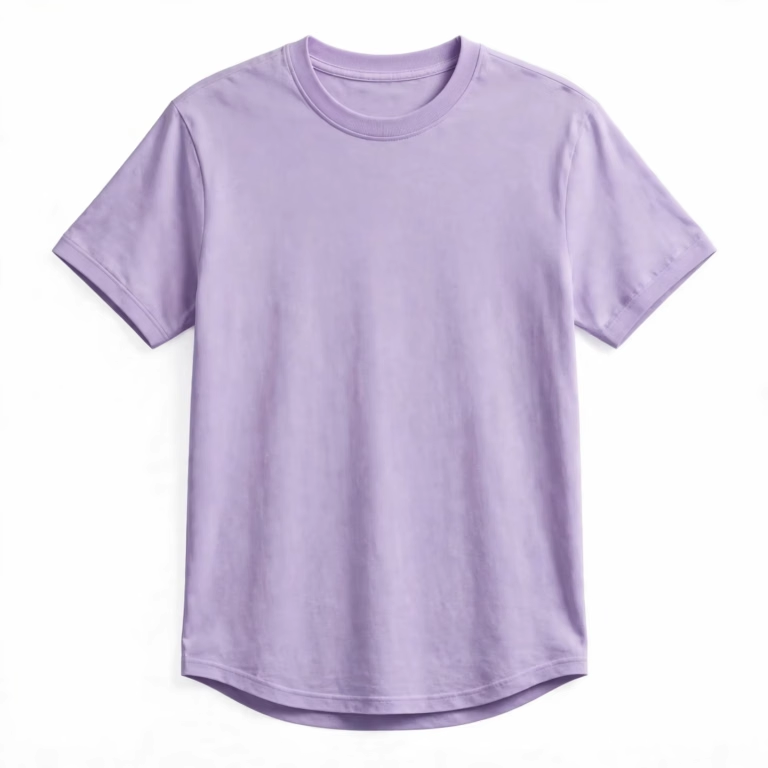
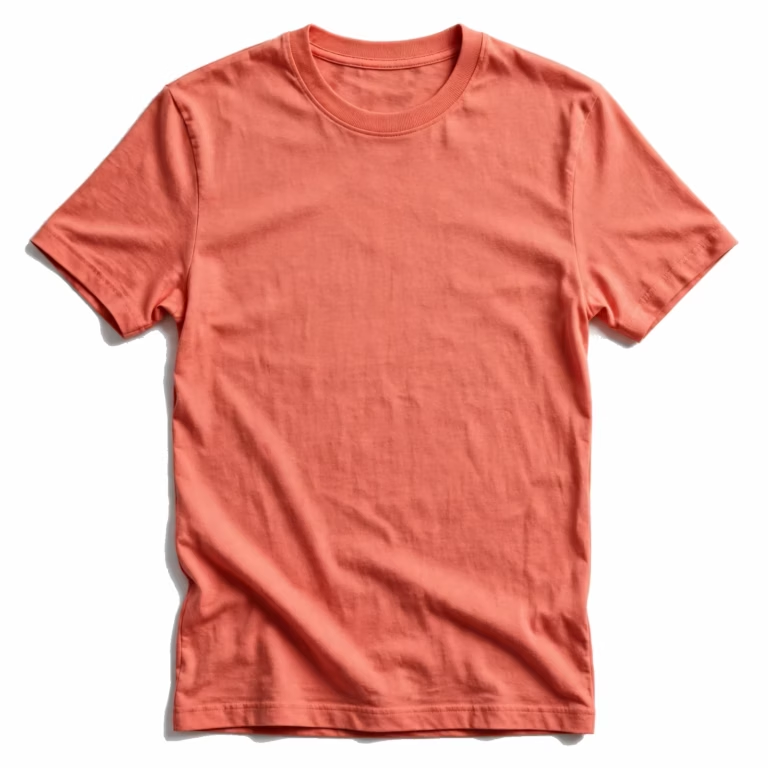
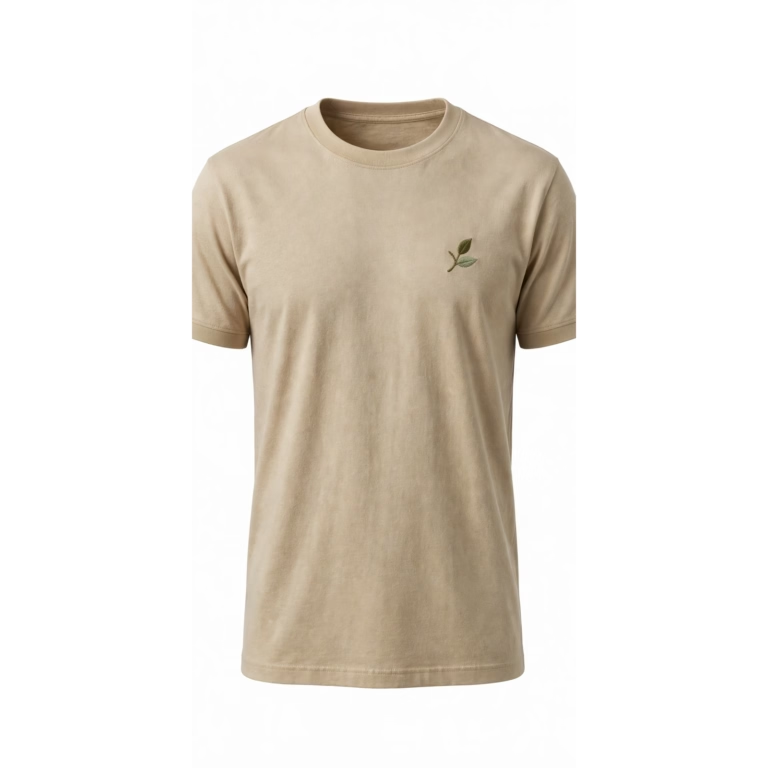
The block starts with a dropped shoulder: the shoulder seam sits several centimetres past the natural shoulder point, and the sleeve is cut wide to reach the elbow. The terracotta shirt pictured shows the result, a sleeve that hangs straight from the dropped point instead of angling off a shoulder that is not there.
The body is cut wide with a straight fall, so the cloth drapes in soft columns rather than clinging. Body length is set longer than a regular tee on the same size, measured on the chart rather than guessed. The neck is a thick ribbed crew, deep enough to hold the wide neckline in its open shape wash after wash.
Wash, Weight and the Crinkled Finish
Oversized programmes run on heavy jersey, usually 220 to 240 gsm, because light cloth collapses on a wide block and shows every crease as a fault. The pictured shirt is garment washed, which softens the heavy jersey and gives the washed terracotta tone its uneven, lived-in read.
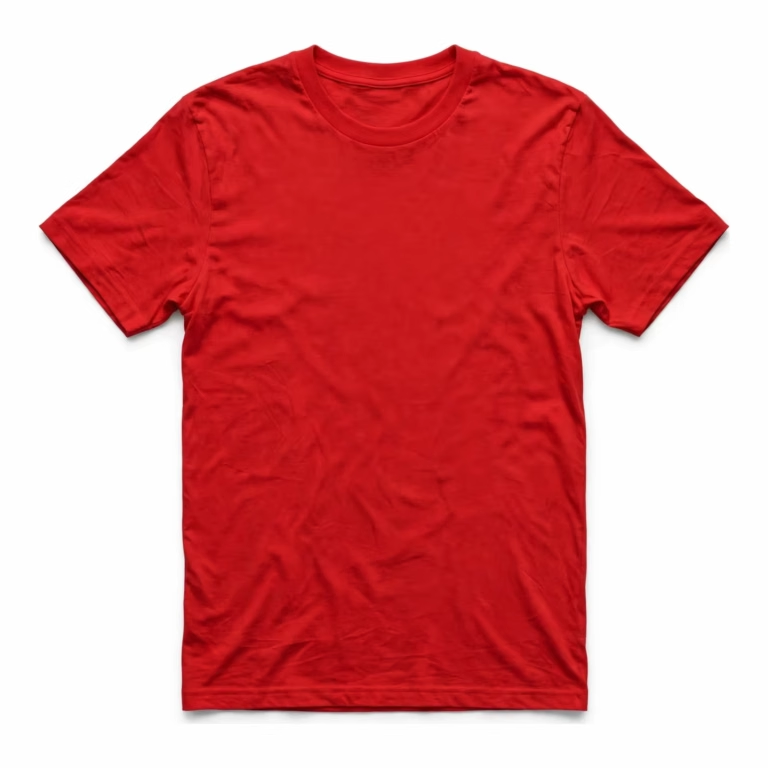
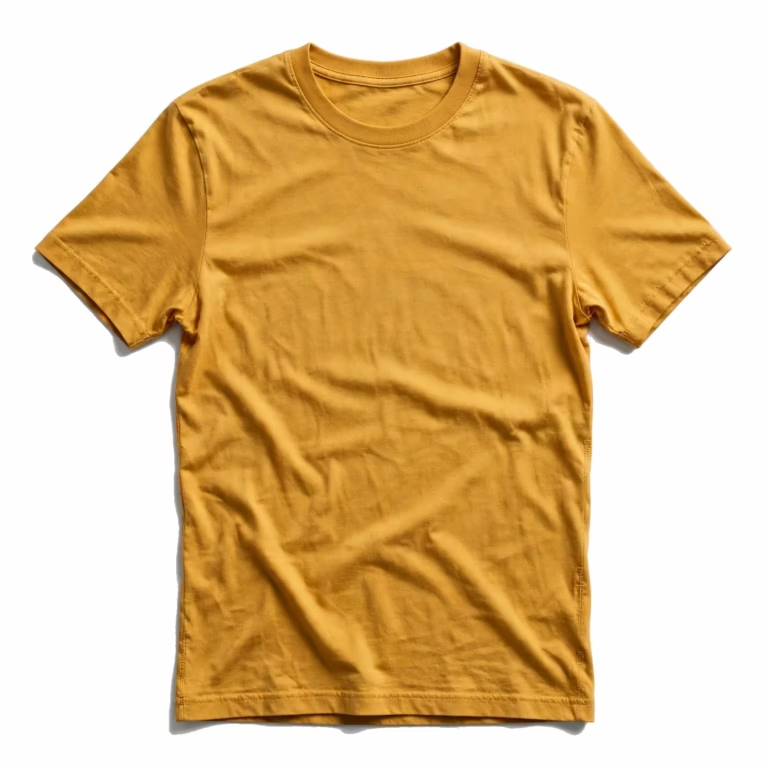
The shirts carry the natural crinkled finish shown in the gallery, the un-ironed character of washed heavy cotton. On an oversized fit that finish is part of the design language: the garment is meant to look worn in, not pressed flat. Buyers who want a cleaner retail fold spec it on the sheet, and the line folds to that standard.
Wash options run from a light enzyme rinse to pigment and stone effects. Each wash is struck off on the bulk cloth and approved as a panel, because a wash that looks right on a swatch can band across a wide body if the garment moves unevenly in the machine.
Print Scale on a Wide Canvas
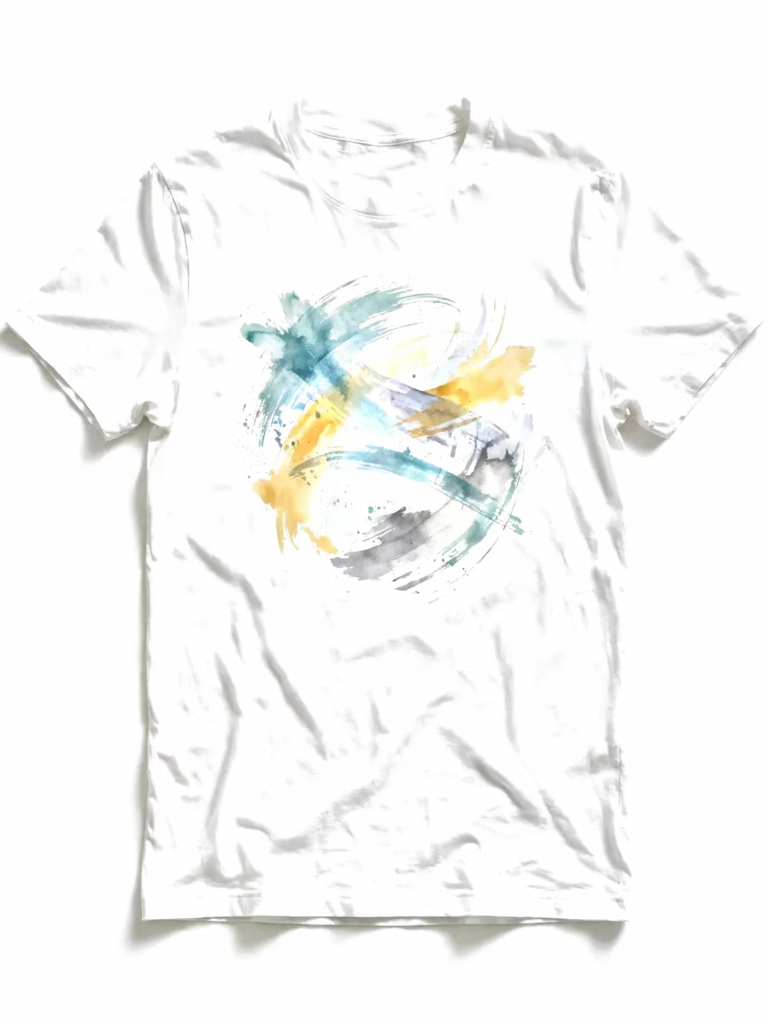
A wide body takes a wide print. Chest designs on oversized programmes run larger than standard placements, and back prints often carry the main artwork. Positions are measured on the build sheet from the neck point and the dropped shoulder line, so the print sits in the designed place on every size, not only on the sample size.
Screen print, puff print and embroidery are all worked on the actual heavy cloth before bulk. Heavy jersey holds a big print flat, but the strike-off still matters: ink weight that is fine on a regular tee can stiffen a wide front panel, and the hand feel is part of what a Dubai streetwear buyer is paying for.
The Oversized Build Sheet
Every order is sewn against a build sheet that fixes what a photograph cannot show. The drop measurement at the shoulder, chest width, body length, sleeve length and opening, neck rib depth, jersey weight, wash recipe and print positions all sit on one page that the line supervisor and the final checker both work from.
Nobody on the line works from a chat message or a memory of last season. A request for extra drop or a longer body goes onto the sheet as a new revision, the superseded sheet is collected from the line, and cutting restarts from the new numbers only. Programmes stay with the oversized t-shirts manufacturers who work this way, because the tenth reorder sews exactly like the first sample.
Your Label and Your Packing
The label picture in the gallery shows the mark inside the back neck: your name, white capitals on black woven cloth, sewn where the wearer sees it every time the shirt goes on. Streetwear programmes often add a hem label or a sleeve mark, applied at the same station to the position on your sheet.
Packing follows the channel. Mall retail takes folded singles with your hangtag and size sticker. Online programmes take polybagged singles ready for a fulfilment shelf. Promotional volume takes rolled or folded dozens. Each carton carries the size and colour breakdown on its mark.
Checks Before a Carton Closes
Inspection works from the oversized chart alone; a regular tee chart never reaches the table. Across the run, a sampling plan pulls pieces for chest width, shoulder drop, sleeve opening and body length, the wash tone is compared with the approved panel under daylight lamps, and print placement is verified on the opening and closing piece of every size.
The neck gets its own test: stretched and released, it must return to the approved opening width. A wide neckline that keeps stretching turns an oversized shirt into a shapeless one, and it is the fault buyers photograph when a programme goes wrong.
Samples, Grading and Reorders
Samples follow your route: send the oversized tee your market already wears, a tech pack with the drop and chest called out, or a photograph with measurements, and the first sample returns in the pictured washed terracotta or your chosen colour and wash.
Grading an oversized block is its own discipline: the drop and the drape must survive from S to 3XL, so each size is graded on the block’s own increments rather than a standard ladder. Reorders sew and wash from the retained sheet and panel standard, so the new delivery hangs beside last season’s stock without a visible step.
Colour and Wash Discipline
Washed colours are read on washed panels, never on the unwashed cloth, because the wash moves the tone more than the dye lot does. Approved panels are kept wet-process matched, and every bulk wash is read against them before the garments are dried and folded.
Dubai ranges anchor on washed neutrals, terracotta and stone tones, with black handled as a washed black rather than a jet dye so the finish matches the range. Core panels are held across seasons, which is how leading oversized t-shirts manufacturers for Dubai apparel keep a label’s rail consistent year to year.
Questions Dubai Buyers Ask
Buyers ask whether the fit is a true oversized block or a sized-up regular. The answer is on the build sheet: the drop, the chest and the sleeve are cut for the fit, and the sample proves it before bulk. They ask about heavy cloth in Gulf heat, and the honest answer is that the weight is what the drape needs, with lighter 200 gsm options for summer drops.
They also ask about shipping. Programmes route to Jebel Ali through the forwarder the buyer already uses, with cartons marked for a goods-in team that may be checking hundreds of styles in a day.
Start Your Oversized Programme
Tell us the drop, the weight and the wash your range needs, and we will return a sample in your spec with your label inside the neck. Start through our contact page, browse the wider range on our t-shirts page, or compare programmes in ladies polar fleece jackets and custom t-shirt supply to Sweden. Regional trade context sits with the International Trade Centre.