
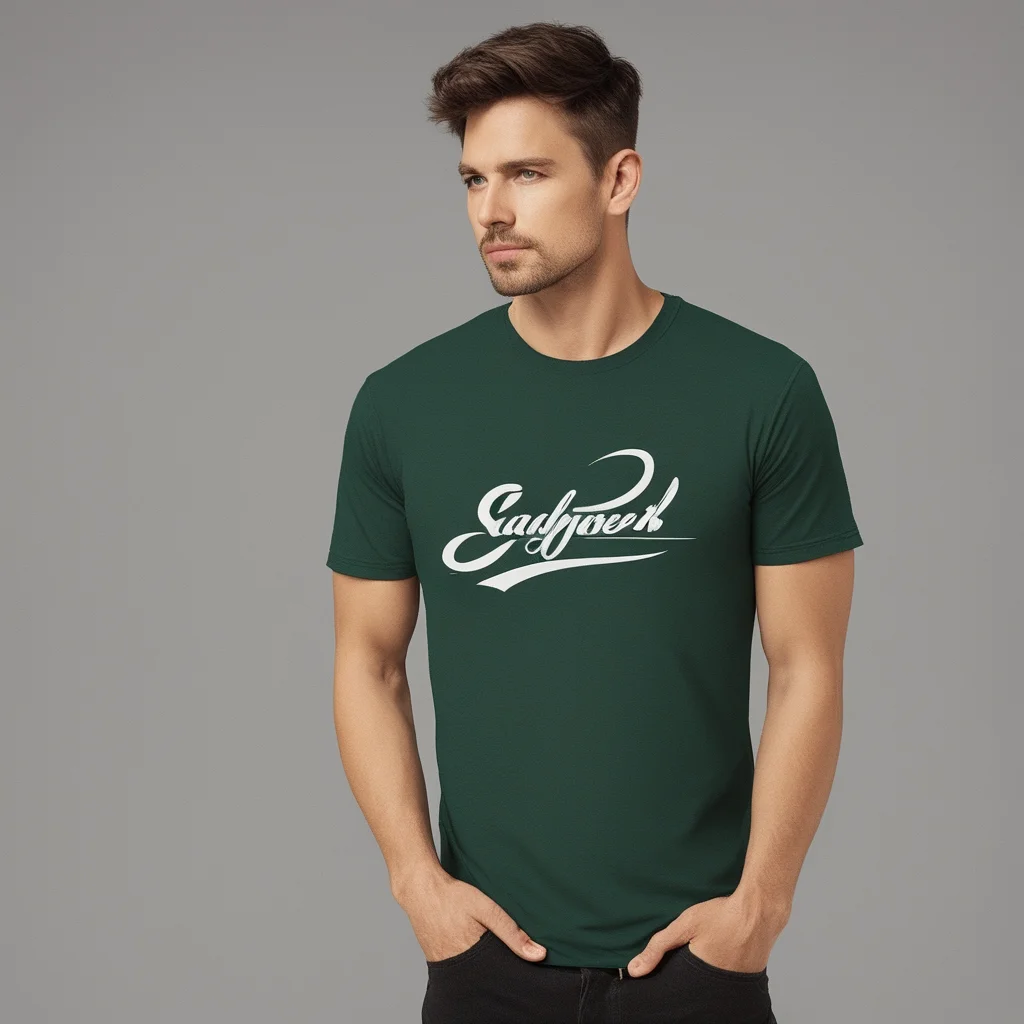


Top T-Shirt Exporters to Austria: Largest Suppliers for Global Apparel Buyers
The global T-shirt market continues to expand as retailers, wholesalers, fashion brands, promotional product distributors, e-commerce sellers, and corporate buyers seek reliable sourcing partners capable of delivering quality products at competitive prices. Whether supplying fashion retailers in Germany, France, Spain, Italy, the Netherlands, Sweden, the United Kingdom, the United States, Canada, Australia, Saudi Arabia, the UAE, Qatar, Kuwait, or other international markets, finding dependable T-shirt exporters remains a critical factor in maintaining product quality, delivery schedules, and profitability.
As one of the world’s leading apparel manufacturing hubs, Bangladesh has established itself as a preferred sourcing destination for T-shirts and knitwear. The country’s garment industry serves major international brands and retailers through modern manufacturing facilities, skilled labor, strong compliance standards, and extensive export experience.
For buyers searching for the top T-shirt exporters to Austria, understanding supplier capabilities, production standards, material options, customization possibilities, and export expertise can help make informed sourcing decisions. This guide explores the largest suppliers, industry trends, manufacturing strengths, and the factors that make Bangladesh an attractive sourcing destination.
The Growing Global Demand for T-Shirts
T-shirts remain one of the most popular apparel products worldwide. Their versatility, affordability, comfort, and adaptability make them suitable for various market segments, including:
- Fashion retail
- Private label clothing brands
- Promotional apparel
- Corporate uniforms
- Sportswear collections
- Event merchandise
- School and university apparel
- Workwear programs
- Hospitality uniforms
- E-commerce apparel businesses
Consumers increasingly demand quality fabrics, sustainable production, fashionable designs, and customized branding. As a result, buyers sourcing T-shirts for Austria require manufacturers capable of meeting evolving market expectations while maintaining competitive pricing.
Why Bangladesh Is a Leading T-Shirt Exporting Country
Bangladesh has become one of the world’s largest apparel exporters due to decades of investment in textile manufacturing, garment production, compliance systems, and export infrastructure.
Several factors contribute to the country’s strong position in global apparel sourcing:
Competitive Manufacturing Costs
Bangladesh offers highly competitive manufacturing costs compared to many alternative sourcing destinations. This allows importers, retailers, and apparel brands to maximize margins while maintaining quality standards.
Strong Textile Ecosystem
The country benefits from a well-developed textile and garment supply chain that includes:
- Yarn production
- Knitting mills
- Dyeing facilities
- Fabric finishing plants
- Printing units
- Embroidery facilities
- Garment manufacturing factories
- Export logistics providers
This integrated ecosystem improves production efficiency and reduces lead times.
Large Production Capacity
Many of the largest T-shirt exporters can handle substantial order volumes for international buyers. Production capacities often range from tens of thousands to millions of pieces per month depending on factory size and infrastructure.
Global Compliance Standards
Leading apparel manufacturers increasingly maintain internationally recognized certifications and compliance systems covering:
- Social compliance
- Workplace safety
- Environmental management
- Quality assurance
- Ethical sourcing requirements
These standards help buyers meet the expectations of retailers and consumers in Europe, North America, and the Middle East.
Experienced Export Industry
Bangladesh exports apparel to numerous markets, including:
- United States
- Canada
- Germany
- France
- Italy
- Spain
- Belgium
- Netherlands
- Denmark
- Sweden
- Norway
- Finland
- United Kingdom
- Ireland
- Poland
- Austria
- Switzerland
- UAE
- Saudi Arabia
- Qatar
- Kuwait
- Bahrain
This extensive export experience enables suppliers to understand international buyer requirements and market-specific regulations.
Characteristics of the Largest T-Shirt Exporters
The top T-shirt exporters to Austria generally share several important characteristics.
Advanced Manufacturing Facilities
Modern factories invest in:
- Computerized cutting systems
- Automated sewing lines
- Fabric inspection equipment
- Quality control systems
- Efficient production planning
- Modern printing technologies
These investments improve consistency, productivity, and product quality.
Diverse Product Range
Leading suppliers typically manufacture:
- Basic crew neck T-shirts
- V-neck T-shirts
- Fashion T-shirts
- Oversized T-shirts
- Slim fit T-shirts
- Organic cotton T-shirts
- Performance T-shirts
- Sportswear T-shirts
- Long sleeve T-shirts
- Promotional T-shirts
- Corporate branded T-shirts
- Kids’ T-shirts
- Men’s T-shirts
- Women’s T-shirts
This broad product offering enables buyers to consolidate sourcing through fewer suppliers.
Customization Capabilities
Modern apparel buyers often require customized products. Top exporters provide services such as:
- Private label manufacturing
- OEM production
- Custom printing
- Embroidery
- Custom packaging
- Hang tags
- Barcode labeling
- Retail-ready packaging
- Brand development support
These services allow businesses to build distinctive apparel collections for their target markets.
Fabric Options Offered by Leading T-Shirt Suppliers
Fabric quality significantly impacts customer satisfaction, product durability, and brand reputation.
The best T-shirt exporters offer a wide range of fabric options.
100% Cotton T-Shirts
Cotton remains the most widely used material for T-shirts due to its:
- Comfort
- Breathability
- Soft texture
- Natural feel
- Versatility
Popular cotton varieties include:
- Carded cotton
- Combed cotton
- Ring-spun cotton
- Compact cotton
Organic Cotton T-Shirts
Growing environmental awareness has increased demand for organic cotton garments.
Organic cotton T-shirts appeal to environmentally conscious consumers and sustainable fashion brands seeking eco-friendly product lines.
Cotton Polyester Blends
Cotton-polyester blends offer advantages such as:
- Improved durability
- Better shape retention
- Reduced shrinkage
- Cost efficiency
- Faster drying performance
These fabrics are commonly used in promotional apparel, uniforms, and activewear.
Recycled Materials
Many international buyers increasingly request:
- Recycled polyester
- Recycled cotton blends
- Sustainable textile solutions
The use of recycled fibers supports corporate sustainability initiatives and environmental goals.
Performance Fabrics
Sportswear and activewear brands often require performance fabrics featuring:
- Moisture management
- Quick-dry properties
- Stretch characteristics
- Lightweight construction
Leading exporters can accommodate these technical requirements.
Printing and Decoration Technologies
Customization plays an important role in modern apparel sourcing. Top T-shirt exporters offer multiple decoration techniques to suit different applications.
Screen Printing
Screen printing remains one of the most popular methods for large-volume orders.
Advantages include:
- Vibrant colors
- Durability
- Cost efficiency
- Consistent quality
This method is particularly suitable for promotional apparel and retail collections.
Digital Printing
Digital printing provides:
- High-resolution graphics
- Detailed artwork reproduction
- Small order flexibility
- Multiple color options
This technology supports fashion brands and customized merchandise programs.
Embroidery
Embroidery creates a premium appearance and is commonly used for:
- Corporate uniforms
- Branded apparel
- Hospitality garments
- Premium retail products
Heat Transfer Printing
Heat transfer technology allows manufacturers to produce customized designs efficiently for various order sizes.
Specialty Finishes
Advanced suppliers may also offer:
- Puff printing
- Metallic printing
- Reflective printing
- Glitter effects
- Silicone prints
- High-density printing
These finishes help brands differentiate their products in competitive markets.
Quality Control Standards in T-Shirt Manufacturing
Quality assurance is one of the most important considerations when selecting T-shirt exporters.
Reliable suppliers implement quality control procedures throughout production.
Fabric Inspection
The process begins with fabric inspection to identify:
- Weaving defects
- Color inconsistencies
- Stains
- Holes
- Construction issues
Early detection helps prevent costly production problems.
In-Line Production Inspection
Quality teams monitor production during sewing and assembly stages to ensure compliance with specifications.
Final Inspection
Finished garments undergo inspection for:
- Measurements
- Appearance
- Label accuracy
- Packaging requirements
- Print quality
- Stitching quality
This final verification helps maintain product consistency.
Testing Procedures
Depending on buyer requirements, testing may include:
- Color fastness
- Shrinkage
- Fabric strength
- Pilling resistance
- Dimensional stability
These tests help ensure garments meet international quality standards.
Private Label T-Shirt Manufacturing Opportunities
Private label apparel continues to experience significant growth globally.
Retailers and entrepreneurs increasingly seek manufacturers capable of producing custom-branded products.
Private label T-shirt manufacturing typically includes:
- Custom designs
- Brand labels
- Neck labels
- Care labels
- Packaging customization
- Hang tags
- Custom sizing specifications
This approach allows businesses to establish unique brand identities while leveraging experienced manufacturing partners.
Sustainable T-Shirt Manufacturing Trends
Sustainability has become a major factor influencing sourcing decisions worldwide.
Consumers and retailers increasingly favor apparel produced using responsible manufacturing practices.
Key sustainability initiatives include:
- Organic cotton sourcing
- Recycled fibers
- Water conservation programs
- Energy-efficient manufacturing
- Waste reduction initiatives
- Environmentally responsible dyeing processes
- Sustainable packaging solutions
Many large buyers in Europe and North America now incorporate sustainability requirements into supplier selection criteria.
Siatex Bangladesh: Supporting Global Apparel Buyers
Siatex Bangladesh has established itself as an experienced garment manufacturer and exporter serving buyers across Europe, North America, the Middle East, and other international markets. With extensive experience in knitwear manufacturing, the company supports importers, wholesalers, retailers, promotional apparel distributors, corporate uniform suppliers, and private label brands seeking reliable sourcing solutions.
The company offers a wide range of T-shirt manufacturing services, including custom production, OEM manufacturing, private label development, screen printing, embroidery, sustainable fabric sourcing, and export support tailored to international buyer requirements.
Through a commitment to quality, compliance, competitive pricing, and customer satisfaction, Siatex Bangladesh continues to help global buyers source high-quality T-shirts efficiently and cost-effectively.
Key Advantages of Working with Experienced T-Shirt Exporters
Choosing an established exporter provides several important benefits for international buyers.
These advantages often include:
- Stable production capacity
- Consistent quality standards
- Strong sourcing networks
- Export documentation expertise
- Efficient logistics coordination
- Product development support
- Competitive pricing structures
- Compliance management
- Reliable communication
- Long-term partnership opportunities
For buyers targeting growth in Austria, partnering with experienced manufacturers can significantly reduce sourcing risks while supporting business expansion.
How to Choose the Best T-Shirt Exporter for Austria
Selecting the right supplier is one of the most important decisions for apparel importers, retailers, and private label brands. While pricing often influences purchasing decisions, experienced buyers understand that long-term success depends on a combination of quality, reliability, compliance, communication, and production capabilities.
When evaluating potential T-shirt exporters to Austria, buyers should assess the supplier’s overall ability to meet current and future business requirements.
Review Manufacturing Experience
Factories with extensive export experience typically understand the complexities of international trade, product specifications, quality expectations, and shipment documentation.
Experienced suppliers are generally better equipped to:
- Handle large-volume production
- Manage multiple product categories
- Meet seasonal demand fluctuations
- Address technical garment requirements
- Support product development projects
A proven export history often indicates operational stability and strong manufacturing expertise.
Evaluate Product Development Capabilities
Successful apparel businesses frequently introduce new collections, colors, fits, and fabric innovations.
Suppliers with strong product development teams can assist with:
- Fabric recommendations
- Fit development
- Sampling services
- Trend adaptation
- Technical package interpretation
- Cost optimization
This collaborative approach can accelerate product launches and improve market competitiveness.
Verify Compliance and Ethical Standards
Retailers and brands increasingly require suppliers to meet ethical sourcing standards.
Important areas to evaluate include:
- Worker welfare practices
- Health and safety programs
- Environmental responsibility
- Factory management systems
- Supply chain transparency
Compliance requirements are particularly important for buyers supplying major retailers and international brands.
Assess Communication Efficiency
Clear communication helps prevent costly mistakes and delays.
Reliable exporters typically provide:
- Prompt responses
- Production updates
- Sample feedback
- Shipping information
- Quality reports
- Problem-solving support
Strong communication contributes significantly to successful long-term partnerships.
Understanding MOQ Requirements
Minimum Order Quantity (MOQ) requirements vary depending on product complexity, fabric sourcing needs, and manufacturing processes.
Factors affecting MOQ include:
Fabric Development Requirements
Custom fabric development often requires larger order quantities due to knitting, dyeing, and finishing processes.
Printing and Decoration
Complex printing techniques may involve minimum production quantities to achieve cost efficiency.
Custom Accessories
Specialized labels, hang tags, packaging, and trims can also influence MOQ requirements.
Buyers should discuss MOQ expectations early in the sourcing process to ensure alignment between purchasing needs and factory capabilities.
Lead Times and Production Planning
Timely delivery remains a critical factor in apparel sourcing.
The production timeline for T-shirts generally depends on several variables:
Sampling Stage
Before bulk production begins, buyers typically review and approve development samples.
This stage may include:
- Prototype samples
- Fit samples
- Pre-production samples
- Size set samples
Material Procurement
Fabric and accessory sourcing often represents a significant portion of overall lead time.
Manufacturing Process
Production scheduling depends on:
- Order volume
- Factory capacity
- Product complexity
- Seasonal demand
Logistics and Shipping
International transportation planning should also be considered when establishing delivery schedules.
Early planning helps reduce supply chain disruptions and ensures inventory availability during key selling periods.
The Role of Innovation in Modern T-Shirt Manufacturing
The apparel industry continues to evolve through technological advancements and changing consumer expectations.
Leading exporters increasingly invest in innovative manufacturing solutions to improve efficiency and quality.
Digital Product Development
Digital technologies enable faster product visualization and sampling processes.
Benefits include:
- Reduced development time
- Faster approvals
- Lower sampling costs
- Improved design accuracy
Automation Technologies
Modern factories utilize automation in areas such as:
- Fabric spreading
- Cutting operations
- Material handling
- Quality inspection
Automation improves consistency while supporting higher production efficiency.
Data-Driven Production Management
Advanced manufacturing systems help suppliers monitor:
- Production performance
- Quality metrics
- Delivery schedules
- Inventory levels
These tools support more reliable order fulfillment.
T-Shirt Market Trends Influencing Global Buyers
Understanding current market trends helps buyers make strategic sourcing decisions.
Several developments continue to shape the international T-shirt market.
Demand for Sustainable Apparel
Consumers increasingly prefer environmentally responsible products.
As a result, many brands are expanding their offerings of:
- Organic cotton T-shirts
- Recycled fiber garments
- Low-impact dyed products
- Sustainable packaging solutions
Growth of Private Label Brands
E-commerce platforms and direct-to-consumer business models have enabled the rapid growth of private label apparel brands.
This trend has increased demand for flexible manufacturing partners capable of supporting customized production.
Premium Basics Segment
Many consumers now seek higher-quality everyday apparel.
Premium T-shirts often feature:
- Superior fabrics
- Enhanced durability
- Improved fit
- Better finishing
Manufacturers capable of producing premium-quality products are increasingly attractive sourcing partners.
Custom Merchandise Expansion
Promotional products, event apparel, influencer merchandise, and corporate branding programs continue to drive demand for customized T-shirts.
This creates opportunities for suppliers offering advanced printing and branding capabilities.
Sourcing Advantages for Buyers in Europe, North America, and the Middle East
Bangladesh’s apparel sector serves a diverse range of international markets.
European Market Opportunities
Buyers serving markets such as Germany, France, Spain, Italy, Belgium, Sweden, Denmark, Norway, Finland, Austria, and the Netherlands often seek suppliers that can provide:
- Consistent quality
- Sustainable production
- Fashion-oriented products
- Reliable delivery schedules
Bangladesh’s manufacturing ecosystem supports these requirements through large-scale production capabilities and export expertise.
North American Market Opportunities
Retailers and distributors in the United States and Canada continue to source substantial volumes of T-shirts from Bangladesh due to:
- Competitive pricing
- Strong quality standards
- Large production capacity
- Product customization options
Middle Eastern Market Opportunities
Countries including the UAE, Saudi Arabia, Qatar, Kuwait, Bahrain, and Oman represent important apparel import markets.
Demand in these regions includes:
- Promotional apparel
- Corporate uniforms
- Retail fashion products
- Hospitality garments
- Event merchandise
Exporters with experience serving Middle Eastern buyers often understand regional preferences and business requirements.
Building Long-Term Supplier Relationships
Successful apparel sourcing is often based on long-term collaboration rather than short-term transactions.
Strong buyer-supplier relationships provide advantages such as:
- Improved production planning
- Priority scheduling
- Better cost management
- Faster product development
- Consistent quality performance
- Greater supply chain stability
Open communication and mutual trust contribute significantly to long-term sourcing success.
Supplier Evaluation Checklist
Before selecting a T-shirt exporter to Austria, buyers should evaluate the following areas:
Manufacturing Capabilities
- Production capacity
- Equipment quality
- Product range
- Technical expertise
Quality Systems
- Inspection procedures
- Testing capabilities
- Quality documentation
- Continuous improvement programs
Export Experience
- International shipping experience
- Market knowledge
- Documentation expertise
- Logistics support
Sustainability Initiatives
- Responsible sourcing practices
- Waste reduction efforts
- Energy efficiency measures
- Sustainable material options
Customer Service
- Communication quality
- Response time
- Problem resolution
- Project management support
A structured evaluation process helps buyers identify suppliers capable of supporting long-term business growth.
Why International Buyers Work with Siatex Bangladesh
Siatex Bangladesh has developed extensive experience serving apparel buyers across multiple global markets. The company supports customers ranging from wholesalers and importers to fashion brands, retailers, promotional apparel companies, and corporate uniform suppliers.
Key strengths include:
- Comprehensive T-shirt manufacturing solutions
- OEM and private label production
- Custom printing and embroidery services
- Flexible product development support
- Export experience across international markets
- Quality-focused manufacturing processes
- Sustainable material sourcing options
- Professional customer service
By understanding buyer requirements and maintaining a commitment to quality and reliability, Siatex Bangladesh helps customers build successful apparel sourcing programs.
Frequently Asked Questions
What types of T-shirts can be sourced from Bangladesh?
Buyers can source a wide variety of products including basic T-shirts, fashion T-shirts, oversized styles, fitted T-shirts, promotional apparel, sportswear T-shirts, long-sleeve designs, organic cotton garments, and private label collections.
Can suppliers manufacture T-shirts under my own brand?
Yes. Many exporters provide private label and OEM manufacturing services that include custom labels, packaging, branding elements, and product customization.
Are sustainable fabric options available?
Most leading manufacturers offer sustainable materials such as organic cotton, recycled polyester, recycled cotton blends, and environmentally responsible fabric alternatives.
What printing methods are commonly offered?
Popular decoration techniques include screen printing, digital printing, embroidery, heat transfer printing, puff printing, silicone printing, and other specialty finishes.
How important is factory compliance when selecting a supplier?
Compliance is increasingly important for retailers and brands. Buyers should evaluate workplace standards, environmental practices, and ethical sourcing policies during supplier selection.
Can manufacturers handle both small and large production runs?
Capabilities vary by supplier. Some factories specialize in high-volume production, while others offer greater flexibility for developing brands and specialized projects.
What information should buyers provide when requesting a quotation?
Providing product specifications, fabric details, quantity estimates, artwork requirements, sizing information, packaging needs, and target delivery dates helps suppliers prepare accurate quotations.
How can buyers ensure consistent product quality?
Consistency can be achieved through detailed specifications, approved samples, regular communication, quality inspections, and collaboration with experienced manufacturers.
What factors affect T-shirt pricing?
Pricing is influenced by fabric type, garment construction, printing requirements, order volume, trims, packaging, and shipping considerations.
Why do international brands source T-shirts from Bangladesh?
Bangladesh offers competitive manufacturing costs, large-scale production capacity, experienced exporters, strong textile infrastructure, and extensive experience serving global apparel markets.
Conclusion
The search for top T-shirt exporters to Austria involves much more than comparing prices. Successful sourcing requires evaluating manufacturing expertise, quality systems, compliance standards, customization capabilities, sustainability initiatives, and long-term reliability.
Bangladesh remains one of the world’s leading destinations for T-shirt sourcing, supplying retailers, wholesalers, private label brands, promotional apparel companies, and corporate buyers throughout Europe, North America, the Middle East, and other global markets.
With extensive garment manufacturing experience, flexible production capabilities, quality-focused operations, and a commitment to customer satisfaction, Siatex Bangladesh serves as a trusted sourcing partner for businesses seeking high-quality T-shirts at competitive prices. By working with an experienced exporter, buyers can strengthen their supply chains, support brand growth, and meet the evolving demands of today’s global apparel market.